
Chicago, the bustling metropolis nestled on the shores of Lake Michigan in Illinois, stands as a testament to American urban dynamism. Known globally for its groundbreaking architecture, vibrant arts scene, diverse culinary landscape, and deeply rooted cultural heritage, the city draws millions of visitors annually. But beneath the layers of world-class attractions and urban allure lies a fundamental question that shapes its identity: How many people call this incredible city home? The answer to this question not only reveals the sheer scale of Chicago’s populace but also offers profound insights into its demographic fabric, economic pulse, and the very essence of its appeal as both a place to visit and to live.
For any traveler planning a trip, understanding the population of a destination like Chicago provides crucial context. It hints at the diversity of experiences available, the density of its neighborhoods, the breadth of its culinary offerings, and the scale of its hospitality industry. From boutique hotels to sprawling resorts, the sheer number of residents and visitors dictates the demand for accommodation and the variety of travel experiences one can expect. This article delves into Chicago’s population statistics, exploring its historical trajectory, demographic makeup, and the myriad factors that make it a magnet for residents and tourists alike, all while framing it within the context of a premier travel and lifestyle destination.
Unpacking Chicago’s Population Statistics
Understanding the heart of any major global city begins with its numbers. For Chicago, these figures tell a compelling story of growth, resilience, and transformation, painting a picture of one of the United States’ most significant urban centers.
The Current Count: A Snapshot of Urban Scale
As one of the largest cities in the United States, Chicago’s population is a frequently discussed topic. While exact figures fluctuate with census updates and ongoing estimates, the city proper typically hovers around 2.7 to 2.8 million residents. This places Chicago solidly among the top three most populous cities in the United States, often vying with Los Angeles and trailing only New York City. These numbers refer specifically to the population within Chicago’s municipal boundaries.
However, to truly grasp the city’s influence and reach, it’s essential to consider the broader metropolitan area, often referred to as Chicagoland. This expansive region, encompassing numerous suburbs and surrounding counties across Illinois, Indiana, and Wisconsin, is home to approximately 9.5 to 10 million people. This larger figure underscores Chicago’s role as a regional economic powerhouse, a hub for transportation, and a magnet for a diverse array of communities and lifestyles. For travelers, this means access to a vast network of attractions, diverse dining options, and a wide range of accommodation choices, from luxury downtown hotels like The Peninsula Chicago and the Four Seasons Hotel Chicago to charming suburban apartments or villas offering a quieter long-term stay experience.
A Look Back: Historical Population Trends
Chicago’s population narrative is one of meteoric rise, influenced by key historical events and economic shifts. From its humble beginnings as a trading post in the early 19th century, the city experienced explosive growth following its incorporation in 1837. Its strategic location at the crossroads of major waterways and burgeoning railway networks transformed it into a critical transportation and industrial hub.
By the late 19th and early 20th centuries, Chicago was a booming industrial center, attracting millions of immigrants from Europe and migrants from the southern United States during the Great Migration. These waves of new residents fueled its population surge, with the city peaking at over 3.6 million residents in the 1950s. This period solidified Chicago’s reputation as a “City of Big Shoulders” – a vibrant, hardworking industrial giant. The legacy of this growth is still visible today in the city’s iconic architecture, the grid system of its streets, and the diverse cultural fabric that forms its identity.
However, like many industrial cities, Chicago faced challenges in the latter half of the 20th century. Deindustrialization, suburbanization, and changes in urban planning led to a period of population decline. Yet, in recent decades, Chicago has demonstrated remarkable resilience, experiencing a revitalization driven by a burgeoning tech sector, a focus on tourism, and continued investment in its infrastructure and cultural institutions. The city has seen a stabilization and even modest growth in its population, reflecting its adaptability and enduring appeal as a modern global city. This ebb and flow of population density have also shaped the various neighborhoods, each with its unique history and character, offering diverse experiences for visitors seeking local culture and authentic city life.
The Vibrant Mosaic: Demographics Shaping the Windy City
The sheer number of people in Chicago is impressive, but it’s the rich tapestry of backgrounds, ages, and lifestyles that truly defines the city. This demographic diversity is a cornerstone of Chicago’s identity, influencing everything from its world-renowned food scene to its vibrant neighborhoods and its dynamic cultural offerings, making it an incredibly rich destination for tourism and exploration.
A Diverse Tapestry: Ethnic and Racial Composition
Chicago is a melting pot, and its demographic breakdown reflects centuries of immigration and migration. The city boasts a significant population of White, Black, Hispanic/Latino, and Asian residents, each group contributing uniquely to the city’s cultural landscape. This rich mix is a direct result of its historical role as an industrial hub and a gateway for new arrivals to the United States.
The presence of diverse communities means that local culture thrives in every corner of the city. You can explore the vibrant murals and authentic cuisine of Pilsen, a historically Mexican-American neighborhood, or immerse yourself in the lively atmosphere of Chinatown, one of the oldest and largest Chinese communities in the Midwest. The legacy of the Great Migration is profoundly evident in neighborhoods like Bronzeville, often referred to as the “Black Metropolis,” where jazz, blues, and African-American art blossomed. This cultural richness translates into an unparalleled array of food experiences, from Michelin-starred restaurants to authentic street food, and a packed calendar of activities and festivals like the Chicago Blues Festival that celebrate its multicultural heritage. For travelers, this means an endless journey of discovery, where every street corner and restaurant offers a taste of the world.
Age, Income, and Education: Pillars of Urban Lifestyle
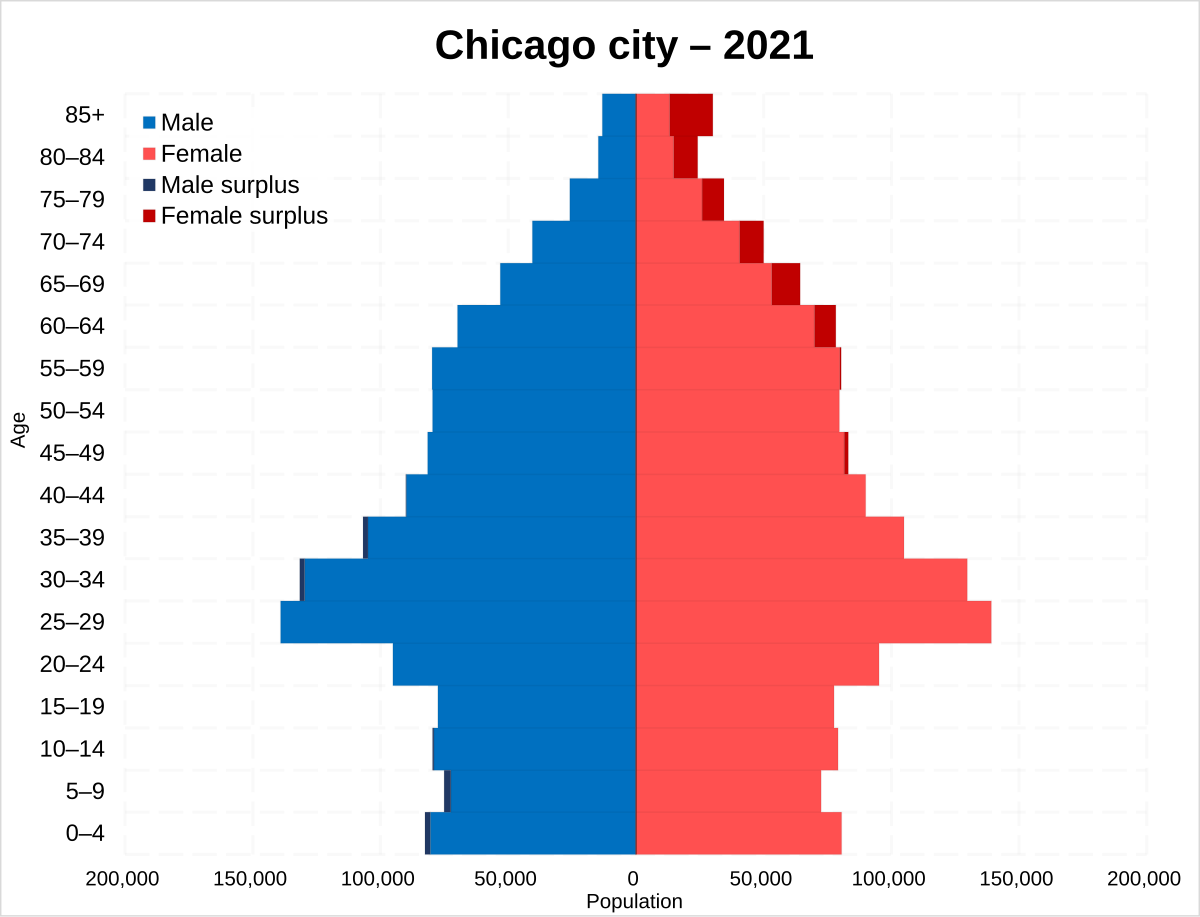
Beyond ethnicity, the demographic profile of Chicago reveals a dynamic population across various age groups, income brackets, and educational backgrounds. The city attracts a significant number of young professionals, drawn by job opportunities in finance, technology, and healthcare. This influx of a younger, educated workforce contributes to a bustling nightlife, a thriving arts scene, and a demand for modern urban amenities and diverse lifestyle options, from luxury apartments to co-living spaces.
Chicago’s median household income generally reflects its status as a major economic center, with pockets of significant wealth, particularly in neighborhoods like the Gold Coast and Lincoln Park. The city also boasts a high percentage of residents with bachelor’s and advanced degrees, thanks to numerous prestigious universities and colleges located within the city and its surrounding areas. This highly educated populace fuels innovation, supports a vibrant intellectual climate, and contributes to the city’s reputation as a hub for research and development.
For visitors, these demographic characteristics mean a city that is constantly evolving, with a wide array of attractions catering to different tastes and budgets. Families can find numerous child-friendly activities, while business travelers can expect top-tier facilities and a robust professional network. The presence of a youthful and educated population also fosters a forward-thinking atmosphere, reflected in cutting-edge restaurants, contemporary art galleries, and an innovative approach to urban living and sustainable practices.

What Drives the Numbers? Factors Influencing Chicago’s Population
Population dynamics are rarely static, and for a city as complex as Chicago, a multitude of factors constantly shape its demographic shifts. These influences not only explain how many people live in Chicago but also why they choose to make it their home, impacting the city’s appeal as a travel destination and a place to establish a lifestyle.
Economic Opportunities and Job Market: A Magnet for Talent
One of the primary drivers of Chicago’s population is its robust and diverse economy. The city is a global financial center, home to major exchanges and numerous corporate headquarters. Beyond finance, Chicago has a thriving technology sector, a significant presence in healthcare and biomedical research, a strong manufacturing base, and a burgeoning logistics industry, bolstered by its central location and extensive transportation infrastructure.
These varied industries create a rich job market, attracting professionals from across the United States and beyond. The promise of career growth and economic stability is a powerful draw, contributing to both the city’s resident population and the significant flow of business travelers who frequent its many business-oriented hotels and conference facilities. The demand for skilled labor and entrepreneurial spirit ensures a continuous influx of new residents, eager to contribute to and benefit from Chicago’s economic vitality. This economic strength also supports a high quality of urban services and a vibrant consumer market, from luxury retail on the Magnificent Mile to diverse local businesses in every neighborhood.
Quality of Life and Urban Appeal: The Chicago Lifestyle
Beyond economics, Chicago’s intrinsic quality of life plays a crucial role in attracting and retaining residents. The city is celebrated for its stunning architecture, extensive green spaces, and world-class cultural institutions. Landmarks like the Willis Tower (formerly Sears Tower), Millennium Park with its iconic Cloud Gate sculpture (The Bean), and the Art Institute of Chicago offer both residents and tourists unparalleled experiences.
The city boasts a comprehensive public transportation system, making it relatively easy to navigate without a car. Its diverse neighborhoods, each with a distinct character, foster a sense of community and offer varied lifestyle choices, from the historic brownstones of Lincoln Park to the trendy boutiques of Wicker Park. Chicago’s vibrant food scene, ranging from deep-dish pizza to Michelin-starred dining, caters to every palate, embodying the city’s local culture and culinary innovation. Furthermore, its numerous parks, beaches along Lake Michigan, and recreational facilities like the Chicago Riverwalk provide abundant opportunities for outdoor activities, enhancing the quality of urban life. While challenges such as the cost of living and urban crime exist, the city continually strives to improve safety and accessibility, making it an increasingly attractive place for both permanent residents and temporary visitors.

Education and Innovation: Cultivating Future Generations
Chicago is home to a wealth of educational institutions, from globally renowned research universities like the University of Chicago and Northwestern University to numerous specialized colleges and art schools. These institutions not only educate hundreds of thousands of students but also serve as significant employers and centers of innovation.
The presence of such a strong educational infrastructure acts as a powerful draw for students and academics, many of whom choose to stay and contribute to Chicago’s workforce after graduation. This continuous inflow of young, educated talent helps to maintain the city’s dynamic character and fuels its innovation ecosystem, particularly in sectors like technology and healthcare. This emphasis on education and intellectual growth ensures a vibrant, forward-thinking environment that benefits residents and provides unique educational tourism opportunities.
Living and Visiting Chicago: Population’s Impact on the Urban Experience
The number of people residing in Chicago has a profound and pervasive impact on virtually every aspect of the urban experience, from the layout of its neighborhoods to the density of its tourist attractions and the availability of diverse accommodation. It shapes the city’s energy, its cultural output, and its capacity to welcome millions of visitors each year.
Neighborhoods: A City of Villages
With a population of nearly 3 million within its city limits, Chicago has naturally evolved into a mosaic of distinct neighborhoods, each with its own unique personality, history, and charm. Often referred to as a “city of villages,” this characteristic is a direct consequence of its large and diverse population. From the upscale luxury of the Gold Coast and River North with their high-end boutiques and world-class hotels like the Langham Chicago and the Waldorf Astoria Chicago, to the bohemian vibe of Wicker Park and the historic, academic atmosphere of Hyde Park, each area offers a different slice of Chicago life.
For travelers, this means an incredible diversity of experiences. You can spend a day exploring the museums of Museum Campus (Field Museum, Shedd Aquarium, Adler Planetarium), then enjoy a gourmet meal in Fulton Market, and later catch a show in the Theatre District. The population density supports a robust network of local businesses, from independent coffee shops to ethnic grocery stores, allowing visitors to delve deep into the local culture and experience Chicago beyond the typical tourist spots. Long-term stays can involve renting apartments in these distinct areas, offering a more authentic immersion into daily city life.
Tourism and Hospitality: Fueling an Economic Engine
The substantial population of Chicago is intertwined with its thriving tourism and hospitality industries. A large local population provides the workforce, infrastructure, and demand for services that support millions of annual visitors. The city consistently ranks among the top tourist destinations in the United States, attracting visitors drawn by its renowned landmarks, vibrant cultural scene, and packed schedule of festivals and events like Lollapalooza.
This continuous influx of tourists, alongside its resident population, fuels a colossal accommodation sector. Chicago offers an extensive range of hotels, suites, resorts, and apartment rentals to suit every budget and preference. From luxury brands to budget-friendly options, like Virgin Hotels Chicago, and long-term stay corporate apartments, the choices are vast. The demand generated by both residents and visitors drives innovation in hospitality, ensuring high standards of service and diverse amenities. Beyond hotels, the tourism industry supports a myriad of attractions such as the Navy Pier, Lincoln Park Zoo, Museum of Science and Industry, and the Chicago Cultural Center, creating unforgettable experiences for everyone who steps foot in the city.
Future Projections: Sustaining Growth and Appeal
Looking ahead, Chicago’s population trajectory is an ongoing subject of analysis and strategic planning. While some urban centers across the United States face challenges with population stagnation or decline, Chicago remains focused on initiatives to attract new residents and retain its current ones. Efforts include continued investment in public education, infrastructure improvements, economic development incentives, and enhancing public safety.
The city’s ability to adapt to changing economic landscapes and foster a high quality of life for its residents will be crucial in shaping its future population. Its dynamic appeal for diverse lifestyles, from budget travel to luxury experiences, and its commitment to preserving its historical landmarks while embracing modern developments, position Chicago as a city prepared for sustained vibrancy. These forward-thinking strategies not only ensure a robust resident base but also guarantee that Chicago will continue to be a compelling and rewarding destination for travelers for generations to come.
In conclusion, Chicago’s population of approximately 2.7 to 2.8 million people within its city limits, and nearly 10 million in its metropolitan area, is far more than just a number. It represents a vibrant, diverse, and resilient community that fuels the city’s unparalleled energy, cultural richness, and economic prowess. This deep understanding of its demographic makeup enhances any travel experience, providing context for the city’s famous attractions, its diverse neighborhoods, and its welcoming atmosphere. Whether you’re visiting for its world-class art, savoring its culinary delights, or exploring its historical landmarks, the people of Chicago are the heartbeat of the Windy City, making it an unforgettable destination.
LifeOutOfTheBox is a participant in the Amazon Services LLC Associates Program, an affiliate advertising program designed to provide a means for sites to earn advertising fees by advertising and linking to Amazon.com. Amazon, the Amazon logo, AmazonSupply, and the AmazonSupply logo are trademarks of Amazon.com, Inc. or its affiliates. As an Amazon Associate we earn affiliate commissions from qualifying purchases.