
For anyone considering a trip to the Lone Star State, contemplating a move, or simply curious about the economic landscape, understanding the minimum wage in Texas is a crucial starting point. This often-overlooked detail can significantly influence everything from travel budgeting and accommodation choices to the daily lifestyle of residents and the dynamics of the vibrant Texas tourism industry. Far from being a dry legal statistic, the minimum wage in Texas shapes the affordability of experiences, the viability of certain types of travel, and the economic realities faced by a substantial portion of the workforce, particularly those in hospitality and service roles.
The United States, like many nations, operates under a dual system where a Federal minimum wage sets a baseline, which individual states can then choose to exceed. Texas, however, is one of several states that adheres strictly to the national standard, without enacting its own higher state-specific minimum. This fundamental fact has broad implications for both its residents and the millions of visitors who flock to its diverse cities and natural wonders each year. From the bustling metropolitan centers of Houston and Dallas to the historic charm of San Antonio and the quirky allure of Austin, the economic backdrop influenced by the minimum wage is a constant, if often invisible, factor in the Texas experience.
Understanding Texas’s Minimum Wage Landscape
When discussing the minimum wage in Texas, it’s essential to understand that the state’s approach is straightforward: it aligns directly with the Federal minimum wage as established by the United States government. This means there isn’t a separate, higher state-mandated minimum wage that supersedes the federal law. This choice by Texas has significant ramifications for its economy, workforce, and even for how travelers might plan their budgets when visiting.
The Federal Standard in the Lone Star State
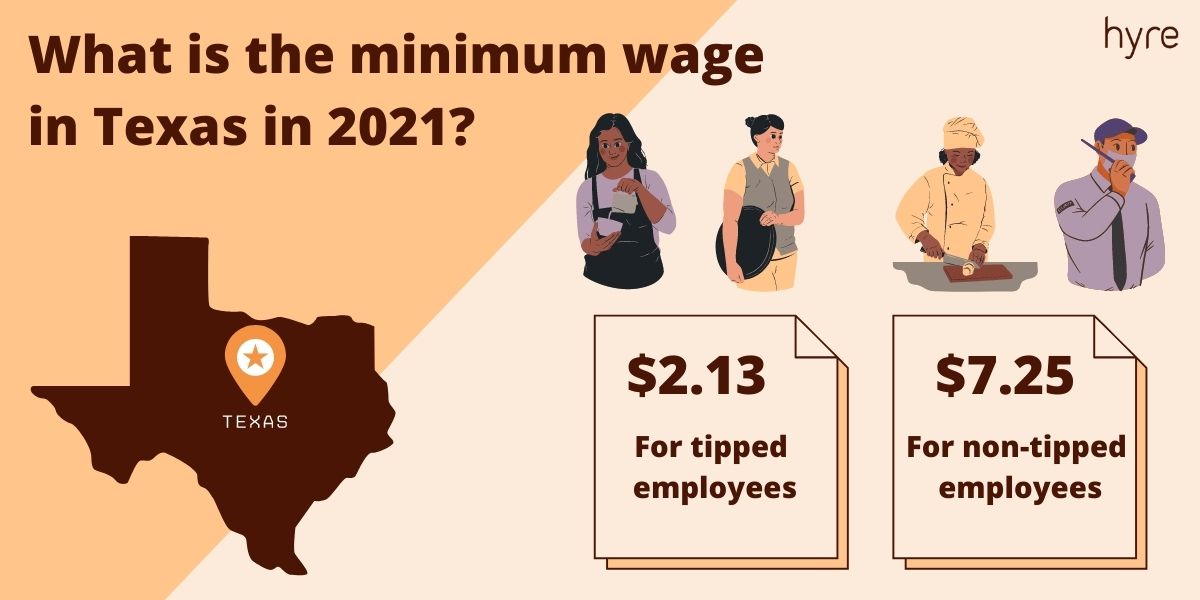
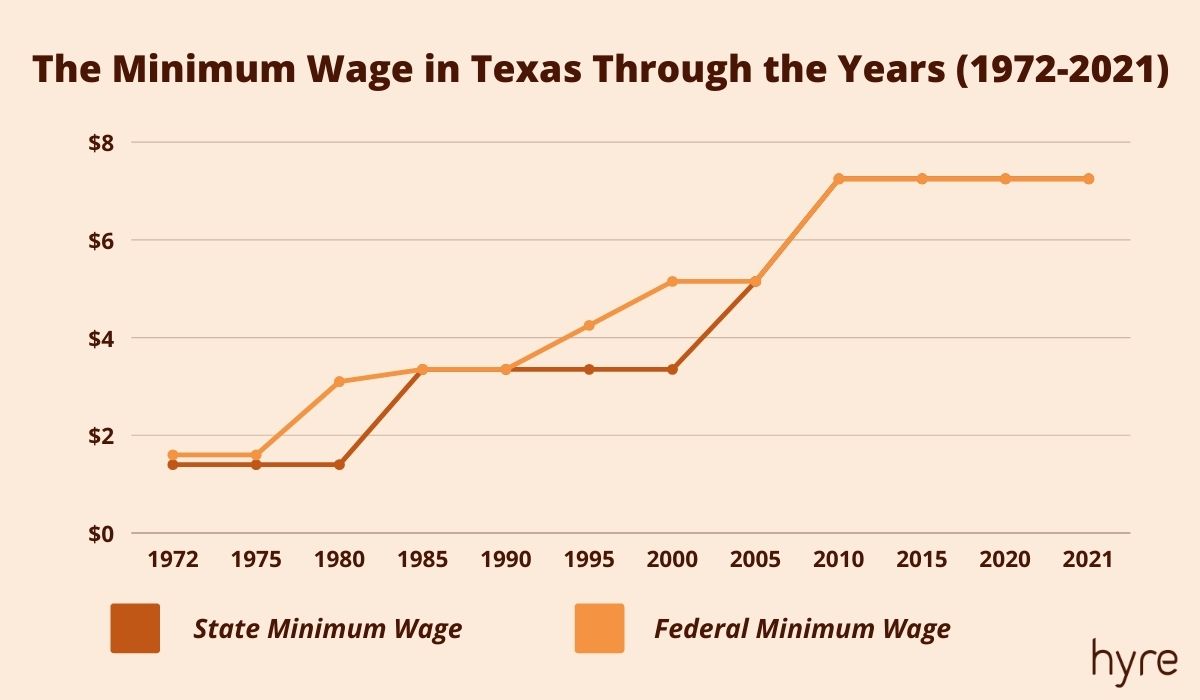
As of the current understanding, the minimum wage in Texas is $7.25 per hour. This rate has been in effect since July 24, 2009, when the last Federal minimum wage increase was implemented. For over a decade, this figure has remained the baseline for most hourly workers across the entire state. This means that whether you’re working in a boutique hotel in Galveston, serving up barbecue in Austin, or providing guest services at a resort near South Padre Island, your base hourly pay cannot legally fall below this federal threshold, unless specific exemptions apply.
For travelers, this consistent federal standard across Texas implies a certain level of predictability, particularly if they are considering short-term work opportunities or simply want to understand the local economic context. For residents, it defines the lowest legal income they can expect from employment, making it a critical factor in personal budgeting and lifestyle planning. The stability, or perhaps stagnation, of this wage over such an extended period is a key characteristic of the Texas labor market.
Tipped Employees and Minimum Wage Requirements
A special consideration within the minimum wage framework applies to “tipped employees.” These are workers who regularly receive more than $30 per month in tips, common in sectors like restaurants, bars, and certain hospitality roles. For these individuals, Federal law allows employers to pay a lower direct cash wage, currently $2.13 per hour, provided that the employee’s tips, when combined with this direct wage, equal or exceed the standard Federal minimum wage of $7.25 per hour. If the combined amount falls short, the employer is legally obligated to make up the difference.
This “tip credit” system is particularly relevant to the Texas tourism and hospitality sectors, where a significant portion of the workforce relies on tips. Visitors exploring Texas culture through its diverse culinary scene or staying in its many hotels should be aware of this system. Tipping generously, especially for exceptional service, directly supports the livelihoods of many who serve them. It’s not just a gesture of appreciation; it’s often an integral part of their income structure, particularly in popular tourist destinations like the San Antonio River Walk or the vibrant entertainment districts of Dallas and Houston. Understanding this distinction helps both travelers and residents appreciate the economic realities faced by a crucial segment of the state’s workforce.
Exemptions and Special Cases
While $7.25 per hour serves as the general minimum wage, there are specific exemptions and special cases under federal law that also apply in Texas. Certain categories of workers may be paid less than the standard minimum wage under particular circumstances. These include:
- Youth Minimum Wage: Workers under 20 years of age can be paid a “youth minimum wage” of $4.25 per hour for their first 90 consecutive calendar days of employment. After this period, or once they turn 20, they must be paid the standard minimum wage. This provision is designed to encourage employers to hire young, inexperienced workers.
- Full-time Students: Employers may obtain certificates from the Department of Labor to pay full-time students in retail or service establishments, agriculture, or institutions of higher education 85% of the minimum wage.
- Workers with Disabilities: Individuals whose earning or productive capacity is impaired by a physical or mental disability, including those related to age or injury, may be paid less than the minimum wage under special certificates issued by the Department of Labor.
- Certain Seasonal and Recreational Establishments: Some amusement or recreational establishments that operate on a seasonal basis, such as certain resorts or attractions, may also have different wage requirements, although this is less common for the general workforce.
These exemptions, while not affecting the majority of workers, highlight the nuances of wage law. For those seeking employment in Texas or understanding the labor market dynamics, being aware of these specific conditions is important. They underscore the fact that while the $7.25 rate is prevalent, the wage landscape can be more complex for particular demographics or industries.
Minimum Wage and the Cost of Living Across Texas Cities
The nominal minimum wage in Texas of $7.25 per hour provides a uniform baseline, but its real-world value fluctuates dramatically across the state’s vast and varied geography. The cost of living is not static; it ebbs and flows with the economic currents of individual cities and regions, making the same hourly wage feel vastly different depending on where one resides or travels. This disparity is a critical consideration for both long-term residents and transient visitors planning their budgets for accommodation, food, attractions, and daily expenses.
Navigating Affordability in Major Hubs: Houston, Dallas, Austin
Texas’s major metropolitan areas – Houston, Dallas, and Austin – are economic powerhouses, drawing in millions of tourists and new residents annually. However, they are also centers where the cost of living significantly outpaces the state’s minimum wage. Rent, in particular, can consume a disproportionate share of a minimum wage earner’s income, making affordable housing a persistent challenge.
In Houston, a sprawling hub known for its energy industry, medical center, and space exploration heritage, the cost of essentials like groceries and transportation can add up quickly. While many find job opportunities, sustaining a comfortable lifestyle on the minimum wage is arduous. Travel to Houston can be relatively budget-friendly for attractions like Space Center Houston or exploring the museum district, but hotel stays, especially in upscale areas or during major conventions, can be pricey.
Dallas, a cosmopolitan city with a booming financial sector and vibrant arts scene, presents a similar challenge. The cost of living, particularly housing, is among the highest in the state. For those earning minimum wage, finding an apartment near work or public transportation can be a constant struggle. Tourists visiting landmarks like Dealey Plaza or enjoying the nightlife might find that daily expenses, from dining to entertainment, require careful budgeting if they are accustomed to lower price points elsewhere. Upscale hotels like the Hyatt Regency Dallas cater to business travelers and luxury tourists, but budget-friendly options can be found further afield.
Austin, the state capital and a renowned hub for technology, music, and culture, has seen its cost of living skyrocket in recent years. Known for its “Keep Austin Weird” ethos and attractions like the Texas State Capitol Building and Barton Springs Pool, the city’s popularity has driven up housing costs to levels that make it particularly difficult for minimum wage earners to afford. This economic pressure has led to concerns about affordability for the very workers who support the city’s thriving service and tourism industries. For travelers, while exploring Austin’s unique experiences can be priceless, finding affordable accommodation, especially during festivals like SXSW, requires diligent planning and often booking well in advance.
Budgeting for Travel and Lifestyle in Smaller Texas Towns
Away from the intense economic pressures of the major cities, many smaller towns and rural areas across Texas offer a more forgiving cost of living. Here, the $7.25 minimum wage, while still modest, can stretch further, allowing for a somewhat more comfortable lifestyle or a more extended stay for budget-conscious travelers.
Towns in areas like the Texas Hill Country, the Panhandle, or East Texas often feature lower housing costs, more affordable local amenities, and a generally slower pace of life. This can be appealing for individuals seeking to make their minimum wage income work harder, or for travelers looking for authentic Texas experiences without the premium price tags of the big cities. For instance, exploring the vast landscapes of Big Bend National Park or visiting historic sites in places like Fredericksburg can be done more affordably. Accommodation, from quaint bed and breakfasts to independent motels, typically offers better value than their big-city counterparts.
Even in other mid-sized cities like El Paso, Fort Worth, or Corpus Christi, the balance between minimum wage and cost of living can be more manageable than in Houston, Dallas, or Austin. These cities often boast their own unique attractions – from the Fort Worth Stockyards National Historic District to the beaches of Corpus Christi – and provide a different perspective on the Texas experience, often at a more accessible price point. Understanding this geographical variation is key to maximizing one’s budget, whether for a vacation or for building a life in the Lone Star State.
The Impact on Travel, Tourism, and Hospitality in Texas
The minimum wage, while seemingly a dry economic figure, profoundly influences the vibrant travel, tourism, and hospitality sectors across Texas. From how a visitor plans their budget to the quality of service they might expect, and the economic realities faced by the industry’s workforce, its ripple effects are far-reaching. The state’s adherence to the Federal minimum wage has shaped the operational strategies of hotels, resorts, and attractions, and concurrently, the choices available to travelers.
For the Traveler: Planning a Texas Trip on a Budget
For budget-conscious travelers, understanding the minimum wage environment in Texas can inform their trip planning. A lower minimum wage generally means that certain services might be more affordably priced compared to states with higher minimums. However, it also means that the cost of living for local service workers is a significant factor in their ability to thrive. This knowledge can influence decisions ranging from accommodation choices to dining preferences and tipping etiquette.
Visitors aiming for an economical Texas adventure might prioritize free attractions, explore public parks like Big Bend National Park or Guadalupe Mountains National Park, and opt for self-catering accommodations like vacation rentals with kitchens. When dining out, choosing local diners over upscale restaurants can provide authentic flavors at a more reasonable price, and being mindful of the tip credit system for service staff encourages fair compensation.
In cities like San Antonio, where iconic landmarks like The Alamo and the Riverwalk draw immense crowds, there are options for every budget. Backpackers and solo travelers might find hostels or budget hotels, while families can explore larger chain hotels or extended-stay accommodations. The key is research and flexibility, recognizing that while the minimum wage baseline is consistent, market prices for tourism services can vary widely based on location, seasonality, and demand. For example, during events like the Houston Rodeo or major sports events in Dallas, prices for everything from transport to lodging can surge.
For Hospitality Workers: Wages and the Texas Tourism Economy
The minimum wage directly impacts the workforce that underpins the state’s robust tourism and hospitality industry. From housekeepers and front desk agents to restaurant staff and tour guides, many in these roles may earn wages close to the $7.25 federal minimum, or the $2.13 tipped wage. This economic reality shapes their daily lives and underscores the importance of the industry’s success for local communities.
While the minimum wage provides a floor, many employers in the competitive Texas market pay above it to attract and retain talent, particularly in skilled positions or high-demand areas. However, for entry-level roles, the minimum wage remains a common starting point. The reliance on tips for a substantial portion of hospitality workers means that the visitor economy directly influences their take-home pay, creating a symbiotic relationship between tourist spending and local livelihoods.
The challenges posed by a relatively low minimum wage in areas with high living costs can lead to labor shortages or high turnover in the hospitality sector. This, in turn, can sometimes affect service quality or operational efficiency for hotels and attractions. Industry organizations in Texas continually navigate these dynamics, striving to balance competitive pricing for visitors with fair compensation for their essential workforce.
Accommodation Choices: From Budget Stays to Luxury Resorts
The minimum wage environment also implicitly influences the spectrum of accommodation options available across Texas. In a state where labor costs are generally lower than in high-wage states, hotels and resorts may have different operational cost structures.
- Budget Accommodation: For travelers focused on minimal spending, Texas offers a plethora of budget hotels and motels like Motel 6 or Super 8 in virtually every city and along major highways. These provide essential comforts at a low price point, often staffed by individuals earning close to the minimum wage. Hostels can be found in larger cities like Austin or Houston, catering to backpackers.
- Mid-Range Options: Chains like Holiday Inn Express, Hampton Inn, or Best Western provide a balance of comfort, amenities, and value. These often employ a mix of minimum wage earners and higher-paid staff, offering a reliable experience for families and business travelers.
- Luxury Resorts and Boutique Hotels: At the higher end, Texas boasts world-class luxury resorts and boutique hotels, such as the JW Marriott San Antonio Hill Country Resort & Spa or the Hotel Drover in Fort Worth. While these establishments offer exceptional service and amenities, the staff, especially those in entry-level positions, may still have starting wages rooted in the state’s minimum wage framework, often supplemented by tips and a comprehensive benefits package. The premium price reflects the property’s features, location, and overall experience, not necessarily a significantly higher base wage for all staff.
Understanding the economic context of the minimum wage helps travelers appreciate the diverse accommodation landscape and make informed choices that align with their budget and travel style, while also recognizing the efforts of the people who make their Texas experience possible.
Economic Realities and Lifestyle Considerations for Texas Residents
Beyond the impact on visitors and the tourism industry, the $7.25 minimum wage in Texas forms a fundamental economic reality for a significant portion of the state’s population. It dictates the base earning potential for numerous entry-level and service jobs, influencing daily life, long-term financial planning, and even decisions about where to live within the expansive state.
Daily Life and Earning Potential
For many Texas residents, earning the minimum wage means navigating a tight budget, especially in the state’s major metropolitan areas where the cost of living continues to rise. A full-time minimum wage earner makes approximately $15,080 per year before taxes. This annual income often falls below what is considered a living wage in urban centers like Austin or Dallas, making it challenging to cover basic expenses such as rent, utilities, transportation, and food, let alone discretionary spending or savings.
This economic pressure can lead to various lifestyle adjustments, including longer commutes from more affordable suburbs, working multiple jobs, or relying on social services. It also shapes household dynamics, often requiring multiple income earners in a family to maintain stability. The pursuit of higher education or vocational training becomes a crucial pathway for many to move beyond minimum wage roles and improve their earning potential. The state’s vibrant job market, while offering many opportunities, also presents a stark contrast between high-paying tech or energy sector jobs and the foundational service positions that operate at the minimum wage level.
Long-Term Stays and Relocation Insights
For individuals or families considering a long-term stay or full relocation to Texas, the minimum wage is a vital piece of the financial puzzle. While Texas boasts no state income tax, which can be an attractive incentive, the low hourly wage floor means that budgeting for all other expenses becomes even more critical.
Those looking to relocate on a modest income might find smaller cities and towns outside the major metropolitan areas to be more financially feasible. Places like Waco, College Station, or even larger but less expensive cities like El Paso or Amarillo can offer a lower cost of housing and daily expenses. This allows the $7.25 minimum wage to stretch further, potentially enabling a higher quality of life than in Houston or Austin.
For those planning an extended stay, perhaps for work or study, understanding the local economic landscape is paramount. Researching typical wages for specific industries, factoring in local rent prices, and assessing transportation costs will provide a more realistic picture of the affordability of life in a particular Texas community. While the Lone Star State is known for its economic opportunities and diverse lifestyle options, a clear-eyed view of its minimum wage and the varying costs of living across its regions is essential for making informed decisions about travel, accommodation, and long-term residency.
LifeOutOfTheBox is a participant in the Amazon Services LLC Associates Program, an affiliate advertising program designed to provide a means for sites to earn advertising fees by advertising and linking to Amazon.com. Amazon, the Amazon logo, AmazonSupply, and the AmazonSupply logo are trademarks of Amazon.com, Inc. or its affiliates. As an Amazon Associate we earn affiliate commissions from qualifying purchases.