
Understanding the demographic landscape of Los Angeles is essential for anyone planning a visit or considering a long-term stay in this sprawling metropolis. As of 2024, the population figures for this iconic California city remain a subject of significant interest, reflecting its status as a global hub for culture, entertainment, and innovation. Navigating a city of this magnitude requires a grasp of its density, growth patterns, and the vibrant communities that make it one of the most diverse locations in the United States.
The Current Population Landscape in Los Angeles
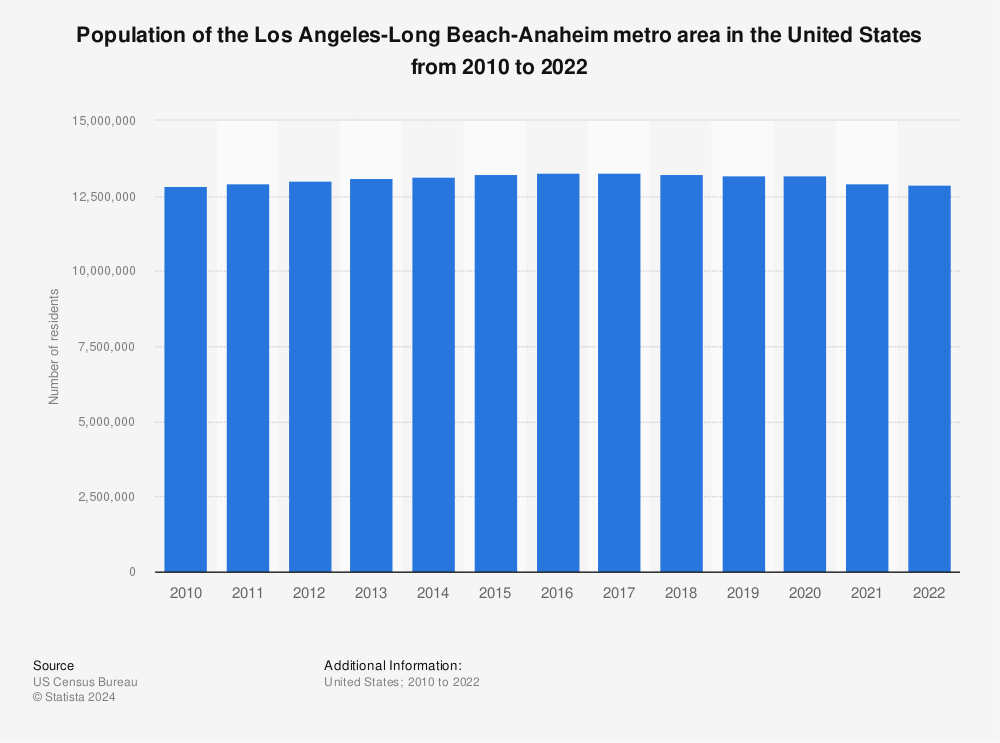
The population of Los Angeles has undergone various shifts over the past several years. While initial projections following the global health events of 2020 suggested a potential decline, recent data for 2024 indicates a stabilization trend. The city proper is estimated to house approximately 3.8 million residents, while the greater Los Angeles County encompasses a staggering 9.7 million people. This massive demographic footprint solidifies its position as the second-most populous city in the country, trailing only New York City.

Defining the Metropolitan Spread
It is important for visitors to distinguish between the City of Los Angeles and the broader Southern California region. The urban sprawl often leads travelers to believe they are within the city limits when they are actually traversing separate, independent municipalities. This geographic complexity is what gives the region its unique texture, where a traveler can move from the urban density of Downtown Los Angeles to the coastal tranquility of Santa Monica in just a short drive.
Growth Trends and Urban Density
Unlike many other rapidly expanding global cities, Los Angeles is characterized by a “low-rise” density model. Despite the high population count, the city covers a vast geographical area, which spreads the density out compared to the skyscraper-heavy environments of Chicago or Manhattan. This residential layout is a byproduct of historical zoning and a preference for suburban-style living that has come to define the West Coast lifestyle.
Cultural Diversity and Demographic Shifts
The soul of Los Angeles lies in its incredible demographic variety. With residents hailing from over 140 countries and speaking nearly 200 different languages, the city is a true global village. This diversity is reflected in the neighborhood-specific experiences available to both locals and tourists.
The Melting Pot of Neighborhoods
From the authentic culinary experiences in Koreatown to the rich historical influence of Chinatown and Boyle Heights, the population density creates vibrant pockets of culture. When planning a trip, recognizing these pockets allows visitors to engage with the city on a deeper level. Whether you are exploring the Arts District or visiting Little Tokyo, you are witnessing the direct result of the city’s diverse migration history.
The Impact on Tourism and Lifestyle
The high population count drives a competitive and high-quality tourism and hospitality industry. Because so many people live in Los Angeles, the infrastructure for food, entertainment, and nightlife is exceptionally robust. Locals share these spaces with millions of annual visitors, creating a dynamic environment where the latest trends in Hollywood often originate. This creates a lifestyle that balances the frantic pace of the Pacific Time Zone with the laid-back sensibilities of the Pacific Ocean coast.
Navigating the City for Visitors
When considering the population of Los Angeles, visitors often worry about infrastructure strain. While traffic remains a well-known characteristic, the city has invested heavily in transit solutions to support its millions of residents and guests.
Public Transit and Getting Around
The expansion of the LA Metro has been a significant development in recent years. With new lines connecting Westside Los Angeles to the eastern suburbs, it is becoming increasingly possible to explore the city without a car. For those planning a stay, selecting a hotel near a major rail hub can significantly alter the quality of your trip, allowing you to bypass the density of the freeways.
Choosing the Right Time to Visit
Given that nearly 10 million people inhabit the greater Southern California area, planning your itinerary around local peak activity times is wise. Commute hours typically fall between 7:00 AM and 9:00 AM, and 4:00 PM and 7:00 PM. By adjusting your sightseeing schedule—perhaps visiting the Griffith Observatory or the Getty Center during off-peak hours—you can enjoy a much more seamless experience.
Future Outlook: The Evolution of the City
As we look toward the remainder of 2024 and beyond, the population of Los Angeles is expected to maintain a steady, sustainable pace of growth. Urban development projects, particularly those surrounding major transit hubs and the Los Angeles International Airport, are reshaping how people live and move through the city.
Sustainable Development and Housing
Modern architectural projects are focusing on higher-density, vertical living to better accommodate the influx of new residents while preserving the historical character of residential neighborhoods. This transition is expected to make the city more navigable and environmentally sustainable, benefiting both the permanent population and the millions of people who flock here for tourism each year.
A City Built for Global Connection
Ultimately, the population of Los Angeles serves as a testament to the city’s enduring appeal. Whether it is the pull of the Silicon Beach tech scene or the timeless allure of the Beverly Hills aesthetic, people continue to move to and visit this region because it is a city of constant reinvention.
As you plan your next journey, keep in mind that the number of people living in Los Angeles is not just a statistic—it is the driving force behind the city’s identity. The energy of its people, the diversity of its districts, and the constant hum of activity are what make it an essential destination on any North America itinerary. Whether you are navigating the bustling streets of Venice Beach or enjoying the quieter hills of Silver Lake, you are participating in the grand, ongoing story of one of the world’s most fascinating urban environments. By understanding the scale of the population, you gain a better appreciation for the scale of the experience that awaits you in the City of Angels.
LifeOutOfTheBox is a participant in the Amazon Services LLC Associates Program, an affiliate advertising program designed to provide a means for sites to earn advertising fees by advertising and linking to Amazon.com. Amazon, the Amazon logo, AmazonSupply, and the AmazonSupply logo are trademarks of Amazon.com, Inc. or its affiliates. As an Amazon Associate we earn affiliate commissions from qualifying purchases.