
Understanding the demographic landscape of the Twin Cities requires more than just glancing at a census report. When people ask how many people live in Minneapolis and St Paul, they are often gauging the vibrancy, scale, and social texture of this unique metropolitan region. As the heartbeat of Minnesota, this area serves as a primary hub for commerce, education, and culture in the Midwest.
The Metropolitan Population Landscape
The population of the Minneapolis-St. Paul-Bloomington metropolitan statistical area is estimated at approximately 3.7 million residents. This figure accounts for the two core cities and their expansive suburban ring, which stretches across Hennepin County and Ramsey County, along with several surrounding counties in the United States.
Defining the Core Cities
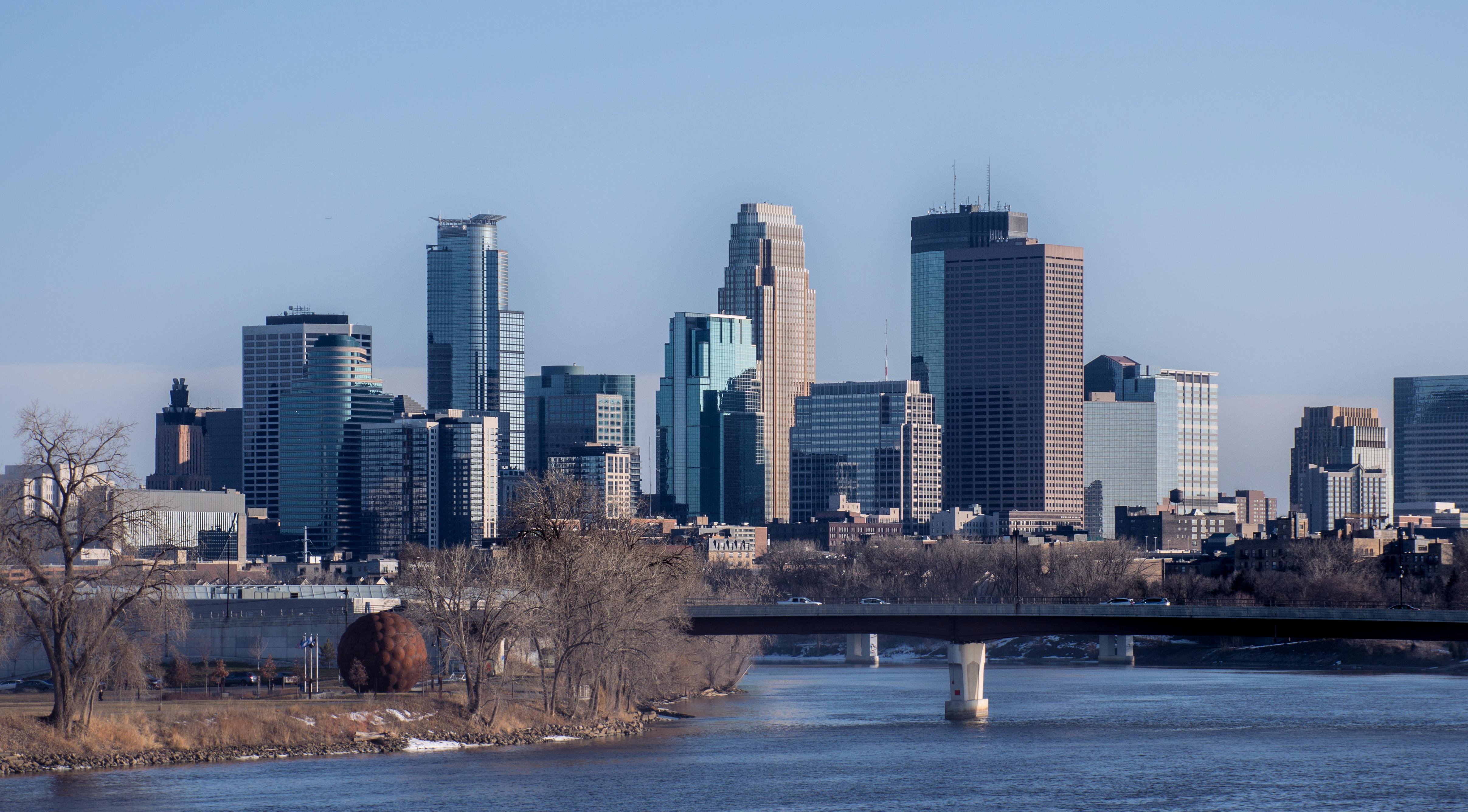
While the metropolitan area boasts millions, the individual core cities have distinct populations. Minneapolis, the more populous of the two, typically holds a population of around 425,000 to 430,000 residents. It stands as a dense, high-rise urban center defined by its connection to the Mississippi River and a series of interconnected lakes.
St Paul, meanwhile, maintains a slightly smaller population, usually hovering around 310,000 residents. The capital of Minnesota offers a different atmosphere, often characterized by its historic Victorian architecture and a more traditional, neighborhood-centric urban layout. Combined, these two central urban environments create a unique cultural synergy that defines the region’s identity.
Growth and Demographic Shifts
The population of the Twin Cities has seen steady, sustainable growth over the past several decades. Unlike some regions that experience explosive, unmanageable spikes, this area has benefited from a consistent influx of professionals, students, and international transplants. This stability has allowed infrastructure, such as the Metro Transit light rail system, to expand alongside the rising number of residents.
The region’s demographic profile is increasingly diverse. Residents from all corners of the globe call the Twin Cities home, drawn by a robust job market, world-class healthcare systems like the Mayo Clinic nearby, and top-tier educational institutions such as the University of Minnesota.
Life in the Urban Core
Living in Minneapolis or St Paul offers a distinct urban experience compared to other major American cities. Because the population is spread across two distinct downtown hubs, the sense of crowding found in cities like New York City or Chicago is largely absent here.

The Neighborhood Experience
The residential charm of the region is found in its distinct neighborhoods. From the trendy, artistic enclaves of the North Loop in Minneapolis to the leafy, historic boulevards of Summit Avenue in St Paul, the population is distributed in a way that prioritizes community engagement.
Many residents choose to live in Minneapolis for its proximity to iconic landmarks like the Stone Arch Bridge and the Minneapolis Sculpture Garden. Conversely, those seeking the cultural prestige of St Paul gravitate toward institutions such as the Science Museum of Minnesota and the Minnesota State Capitol.
Density and Livability
Despite the significant number of people living in the region, Minneapolis and St Paul maintain high livability rankings. The abundance of public green spaces, including the Chain of Lakes, allows the population to enjoy outdoor activities year-round. Even during the winter months, when the Minnesota climate is at its most intense, the famous Minneapolis Skyway System connects thousands of residents, allowing for a comfortable urban lifestyle that persists regardless of the weather.
The Suburban Impact on Total Numbers
When discussing the population, it is impossible to ignore the role of the suburbs. The Twin Cities metro area is home to sprawling, vibrant communities like Bloomington, Edina, and Maple Grove. These areas contain a significant portion of the 3.7 million residents who commute into the core cities for work or leisure.
The Role of Commerce and Attractions
The presence of major attractions keeps the population dynamic. The Mall of America, located in Bloomington, acts as a global magnet for tourists, yet it also serves as a vital economic engine for local residents. The sheer scale of this retail and entertainment landmark highlights how the region manages high volumes of visitors alongside its growing permanent population.
Transportation and Connectivity
Connectivity remains a top priority for the region’s planners. With thousands of people moving between Minneapolis, St Paul, and the surrounding Twin Cities suburbs daily, the road network—including Interstate 94 and Interstate 35—is constantly utilized. The development of transit-oriented housing, particularly near Union Depot, is helping to concentrate population growth in areas that support sustainable, modern living.
Looking Toward the Future
The population of Minneapolis and St Paul is projected to continue its upward trajectory over the next two decades. As climate change reshapes global migration patterns, many experts suggest that the Upper Midwest will become an increasingly desirable destination for those seeking stability and abundant natural resources, particularly fresh water.

Sustainable Urban Planning
City planners in both Minneapolis and St Paul are actively preparing for this influx. Initiatives focused on affordable housing, sustainable energy, and expanded public transport are designed to accommodate a larger population without sacrificing the unique character that makes the Twin Cities special.
Whether you are looking at the data from the perspective of an urban planner or a visitor exploring the Midwest for the first time, the population of Minneapolis and St Paul tells a story of a region that is thriving. It is a place where industrial heritage meets forward-thinking innovation, supported by a diverse and resilient citizenry that continues to call this unique river-side metropolis home.
LifeOutOfTheBox is a participant in the Amazon Services LLC Associates Program, an affiliate advertising program designed to provide a means for sites to earn advertising fees by advertising and linking to Amazon.com. Amazon, the Amazon logo, AmazonSupply, and the AmazonSupply logo are trademarks of Amazon.com, Inc. or its affiliates. As an Amazon Associate we earn affiliate commissions from qualifying purchases.