
When travelers envision a tropical paradise, they often conjure images of lush rainforests, volcanic peaks, and secluded lagoons. When they arrive in Miami, the visual palette shifts to Art Deco architecture, sprawling urban skylines, and pristine white-sand beaches. This creates a recurring question for those visiting Florida: is Miami truly tropical, or is it simply a coastal city with high temperatures? To understand the nature of this iconic destination, one must look past the neon lights and examine the climate, the ecosystem, and the unique geographical phenomenon that defines this corner of the United States.
The Meteorological Reality of South Florida
To determine whether Miami fits the scientific definition of “tropical,” we must look at the Köppen climate classification system. According to this standard, a tropical climate is defined by temperatures that do not drop below 18°C (64°F) during the coldest month of the year.
A Tropical Monsoon Classification
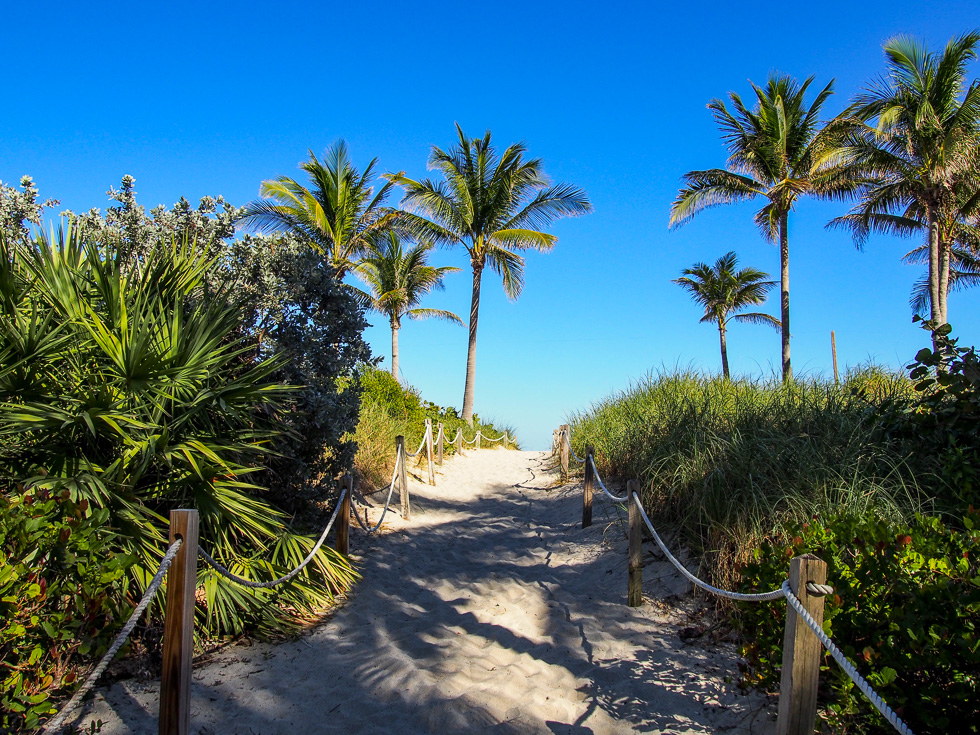
Miami is technically classified as having a tropical monsoon climate. While it shares some characteristics with the humid subtropical climates found in the northern parts of Florida, the proximity to the Atlantic Ocean and the Gulf Stream ensures that the city stays significantly warmer throughout the winter months than inland regions.
The heat and humidity are constant, and the rainfall patterns—heavy, short-lived thunderstorms during the summer months—mirror those found in many Caribbean nations. The “wet” season, spanning from May to October, brings the humidity that defines the tropical experience, while the “dry” season, from November to April, provides the temperate, breezy weather that draws millions of tourists annually.
The Role of the Gulf Stream
The reason Miami avoids the hard freezes common in other parts of the United States is the Gulf Stream. This powerful, warm ocean current flows just a few miles off the coast of Miami. It acts as a massive thermal blanket, moderating the air temperatures and ensuring that the flora and fauna remain thriving regardless of the time of year. This consistent warmth is the primary engine behind Miami’s ability to sustain tropical plants like palm trees, mangroves, and exotic flowering shrubs that simply would not survive in colder latitudes.
Flora, Fauna, and Ecosystems
Beyond the weather data, the most tangible evidence that Miami is tropical lies in its biodiversity. Walking through the city, one immediately notices the dense canopy of native and non-native tropical vegetation.

The Influence of the Everglades
Miami is unique because it sits on the edge of the Everglades National Park, one of the most significant tropical wetland ecosystems in the world. This proximity means that the city’s environmental character is dictated by its wetlands. The presence of sawgrass marshes, hardwood hammocks, and mangrove forests creates a humid, lush environment that supports wildlife typically associated with the tropics. Travelers exploring areas like Biscayne National Park will find that the underwater ecosystems, including coral reefs and seagrass beds, are as vibrant and biodiverse as those found in the Caribbean.
Exotic Landscaping and Urban Jungles
In neighborhoods like Coconut Grove and Coral Gables, the influence of the tropics is even more pronounced. The streets are lined with canopy-forming trees, and the architecture often integrates greenery to soften the edges of urban construction. This “tropical urbanism” is a hallmark of Miami design. Whether you are staying at a luxury resort like The Ritz-Carlton Key Biscayne or strolling through the Fairchild Tropical Botanic Garden, the environment feels decidedly un-continental.
The Cultural Synthesis
Miami is often described as the “Gateway to the Americas,” and this cultural identity is inextricably linked to its tropical setting. The rhythm of life in the city mimics that of Cuba, Brazil, and Colombia, where the climate dictates the social calendar.
Outdoor Living and Alfresco Dining
Because the climate rarely forces people indoors, outdoor culture is dominant. The cafe culture in Little Havana is predicated on the ability to sit on the sidewalk, sip espresso, and converse under a shade tree for hours. In South Beach, the nightlife spills out onto the streets, and dining experiences are almost exclusively alfresco. This reliance on the outdoors is a hallmark of tropical societies. The lifestyle is relaxed, vibrant, and punctuated by the energy of the ocean breeze—a testament to the city’s adaptation to its environment.
Architectural Adaptation
Architectural styles in Miami have evolved to cope with, and celebrate, the tropical climate. The iconic Art Deco buildings found in the Art Deco Historic District feature features designed for the heat, such as deep, shaded overhangs, balconies, and ventilation strategies that predate modern air conditioning. These structures were built to breathe, reflecting a deep understanding of the humid, sun-drenched landscape. Modern developments continue this trend, with floor-to-ceiling glass and wraparound terraces becoming the standard for luxury residences and hotels like the 1 Hotel South Beach, which focuses on sustainable, nature-inspired living.
Conclusion: A City Defined by Latitude and Atmosphere
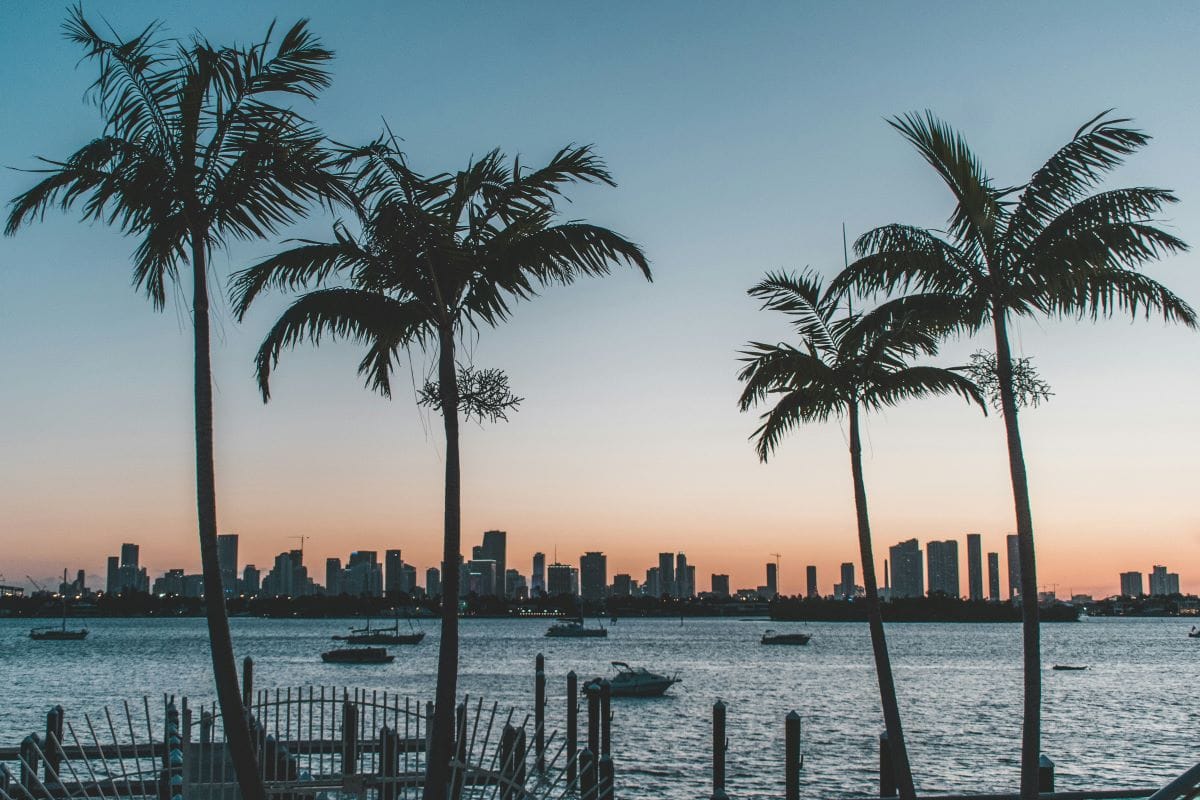
Is Miami tropical? If we look strictly at the scientific classification, the answer is yes. The climate parameters are met, the proximity to the Gulf Stream ensures year-round warmth, and the surrounding natural environments like the Everglades National Park are undeniably tropical.
However, beyond the science, Miami feels tropical in a way that is distinctly its own. It is a synthesis of a cosmopolitan urban center and a lush, humid outpost of the tropics. It is a city where you can be in a high-rise office building in Brickell at noon and wading through a mangrove swamp or snorkeling in the Florida Keys by the afternoon.
For the traveler, the nuance of the classification matters far less than the reality of the experience. Whether you are attracted by the humidity-drenched air, the vibrant tropical flora, the ocean-warmed breezes, or the relaxed pace of life, Miami delivers a genuine tropical experience. It stands as a rare example of a major metropolitan area that has successfully integrated its environment into its identity, proving that a city can be both a bustling urban powerhouse and a warm, inviting tropical retreat. Whether visiting for the architecture, the food, or simply to escape the cold, one cannot spend time in Miami without acknowledging that the tropics start right here on the southern tip of the Florida peninsula.
LifeOutOfTheBox is a participant in the Amazon Services LLC Associates Program, an affiliate advertising program designed to provide a means for sites to earn advertising fees by advertising and linking to Amazon.com. Amazon, the Amazon logo, AmazonSupply, and the AmazonSupply logo are trademarks of Amazon.com, Inc. or its affiliates. As an Amazon Associate we earn affiliate commissions from qualifying purchases.