
Navigating the social safety net in a city as vibrant and complex as New Orleans can feel overwhelming for residents and newcomers alike. Known for its rich Louisiana culture, world-class culinary scene, and resilient community spirit, this iconic destination is also a place where many families rely on supplemental support to thrive. The Supplemental Nutrition Assistance Program (SNAP), commonly referred to as food stamps, is a critical resource managed by the Department of Children and Family Services (DCFS). Understanding how to apply for these benefits is the first step toward securing nutritional stability for your household.

Eligibility Requirements and Documentation
Before initiating an application, it is essential to understand the criteria that determine eligibility. In New Orleans, the DCFS evaluates applications based on household income, size, and specific expenses. While the program is federal, the administration is handled at the state level, ensuring that the unique economic landscape of the United States is addressed with local sensitivity.
Financial Criteria and Household Income
To qualify for SNAP, your household must meet both gross and net income limits. These figures are updated annually based on the federal poverty level. For most households, gross monthly income—the total income before taxes and other deductions—must be at or below 130% of the federal poverty guidelines. Households with elderly members or individuals with disabilities may be subject to different requirements, often allowing for higher income thresholds.
Necessary Documentation for Applicants
When you prepare to apply, gathering your documentation beforehand will significantly expedite the process. You will generally need to provide:
- Proof of Identity: A valid driver’s license, passport, or birth certificate.
- Social Security Numbers: Required for all members of the household who are applying for benefits.
- Income Verification: Recent pay stubs, W-2 forms, or statements from Social Security.
- Residency Proof: A lease agreement, utility bill, or mortgage statement showing your physical address in New Orleans.
- Expense Records: Documentation of shelter costs, utilities, childcare expenses, and medical costs for elderly or disabled members.
Step-by-Step Application Process
The application process for food stamps has been modernized to provide multiple avenues for convenience. Whether you prefer digital platforms or traditional in-person visits, the Department of Children and Family Services aims to make the system accessible to all Louisiana residents.
Applying Online via the CAFÉ Portal
The most efficient way to apply is through the Common Access Louisiana Eligibility (CAFÉ) portal. This online system allows you to create an account, complete your application, upload supporting documents, and track the status of your case in real time.
- Create an Account: Visit the official website and register your credentials.
- Submit the Application: Fill out the electronic forms thoroughly. Ensure that all information regarding household composition is accurate.
- Upload Documents: Use the document uploader feature to attach scans or photos of your proof of identity and income.
- Complete the Interview: After submission, a caseworker may reach out for a mandatory interview, which can often be conducted over the telephone.
In-Person and Alternative Methods
For those who prefer face-to-face assistance or lack reliable internet access, there are regional DCFS offices located throughout New Orleans. Staff at these locations can provide paper applications and assist you in understanding the nuances of the filing process. Additionally, you may request an application packet by mail or submit one via fax, though these methods generally have a longer turnaround time compared to the online portal.
What to Expect After You Apply
Once your application is submitted to the Department of Children and Family Services, the waiting period begins. Understanding the timeline and the communication process will help you stay informed and prepared for the next steps in securing your benefits.
The Interview and Verification Process
Within 30 days of submitting your application, you should receive a notification regarding your eligibility. In many cases, an interview is required to verify the information provided. This is a standard procedure and not an indication of a problem with your application. During the interview, a caseworker will review your household size, expenses, and income. It is vital to be honest and thorough, as inaccuracies can lead to delays or the denial of benefits.
Receiving Your Electronic Benefits Transfer (EBT) Card
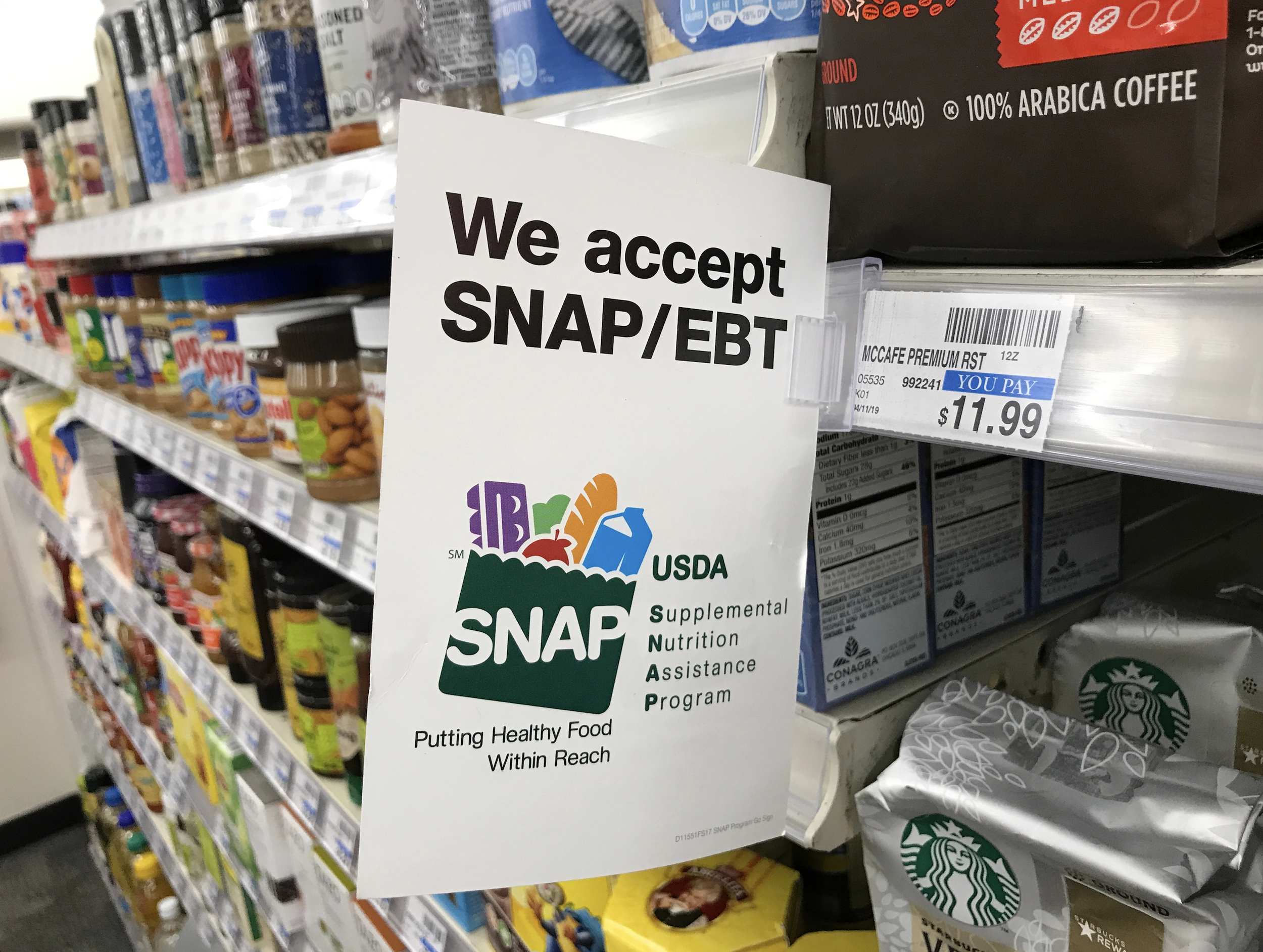
If your application is approved, you will be enrolled in the program and receive an Electronic Benefits Transfer card. This card functions similarly to a debit card and is used specifically for purchasing eligible food items at authorized retailers. Your benefits will be deposited onto this card on a monthly schedule.
Keep in mind that while New Orleans is home to many high-end culinary establishments and gourmet markets, your EBT card is primarily intended for basic grocery staples. It cannot be used for prepared hot foods at restaurants or for non-food items like hygiene products or pet supplies.
Maintaining Your Benefits and Annual Renewals
Securing food stamps is not a one-time event; it is an ongoing process of maintaining compliance with program regulations. Staying proactive ensures that you do not face an interruption in your benefits, which could impact your ability to provide for your household.
Reporting Changes
You are legally obligated to report specific changes to the Department of Children and Family Services within 10 days of the change occurring. This includes:
- Changes in household income (e.g., a new job or loss of employment).
- Changes in household size (e.g., a family member moving in or out).
- Changes in your physical address.
- Significant changes in your monthly rent or mortgage costs.
The Recertification Process
Most SNAP households are required to recertify their eligibility periodically—typically every 6 to 12 months. You will receive a notice in the mail or via your Common Access Louisiana Eligibility account when it is time to renew. It is crucial to complete this process well before the deadline to prevent a lapse in your nutrition assistance.
If you find yourself struggling with the paperwork or if your circumstances have changed in a way that impacts your eligibility, do not hesitate to contact a local caseworker. They are there to guide you through the complexities of the system and ensure that you are receiving the support for which you qualify. By utilizing these resources, residents of New Orleans can maintain better financial stability, allowing them to participate fully in the rich cultural and community life that makes this region so unique.
LifeOutOfTheBox is a participant in the Amazon Services LLC Associates Program, an affiliate advertising program designed to provide a means for sites to earn advertising fees by advertising and linking to Amazon.com. Amazon, the Amazon logo, AmazonSupply, and the AmazonSupply logo are trademarks of Amazon.com, Inc. or its affiliates. As an Amazon Associate we earn affiliate commissions from qualifying purchases.