
Tulsa, Oklahoma, a vibrant city nestled in the northeastern part of the Sooner State, is a destination that often piques the curiosity of travelers and potential residents alike. Beyond its captivating blend of art deco architecture, thriving arts scene, and rich history, understanding the pulse of a city often involves grasping its population dynamics. So, how many people call Tulsa home? As of the most recent estimates, the City of Tulsa boasts a population of approximately 413,000 residents. This figure represents the core city limits and positions Tulsa as the second-largest city in Oklahoma, trailing only its capital, Oklahoma City.
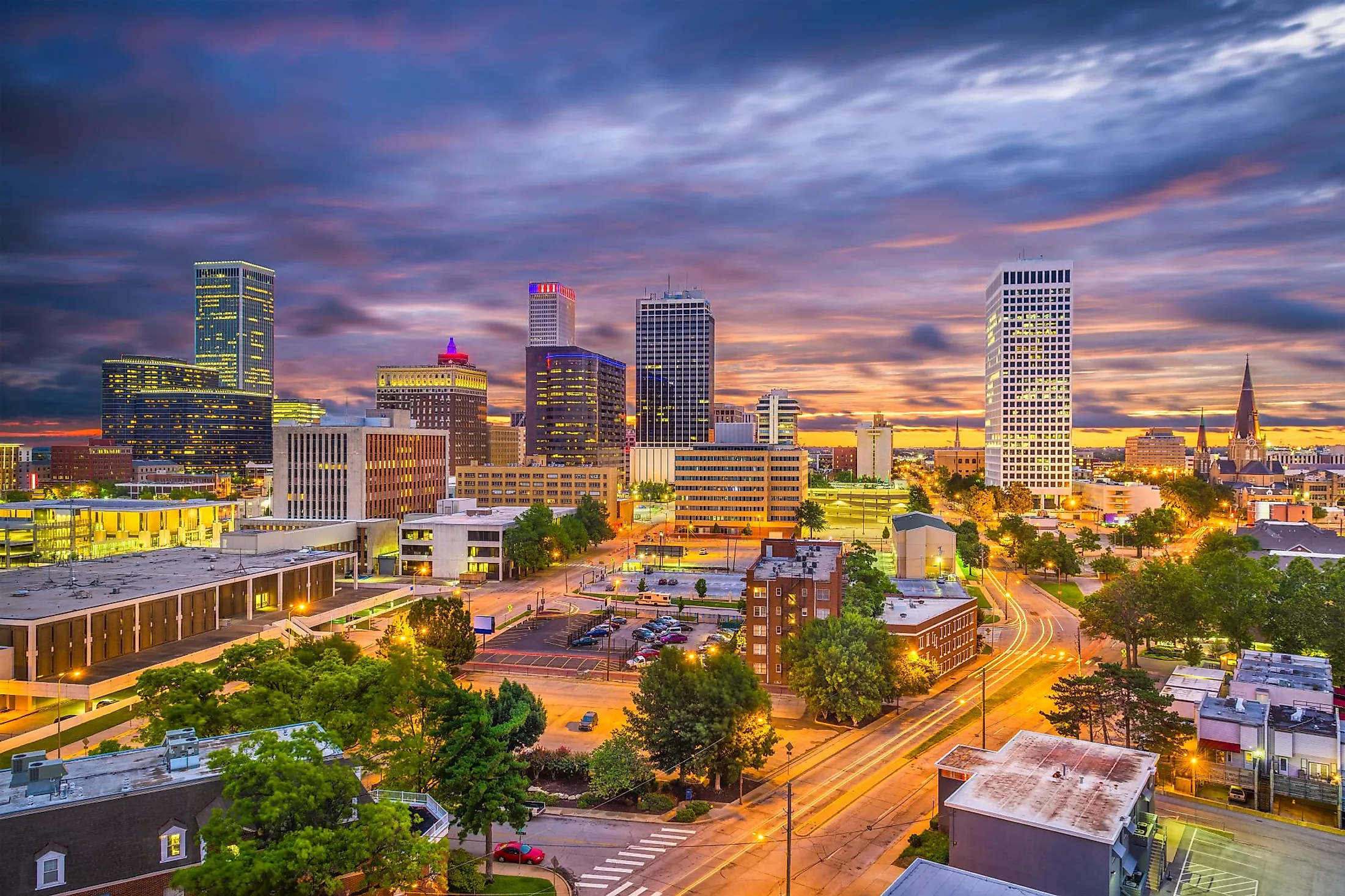
However, the story of Tulsa’s population doesn’t end with this central figure. The Tulsa metropolitan area, a broader region encompassing Tulsa and its surrounding suburbs and exurbs, tells a more expansive tale. This dynamic area is home to over 1.1 million individuals, highlighting Tulsa‘s significant influence as an economic and cultural hub for a much larger segment of the population in northeastern Oklahoma. This distinction between city proper and metropolitan area is crucial for anyone seeking to understand the true scale and impact of this energetic urban center, whether for travel planning, business ventures, or simply out of a desire to learn more about American demographics.
Exploring Tulsa: A City of Contrasts and Growth
The population of any city is a fluid entity, influenced by a myriad of factors including economic opportunities, quality of life, and cultural appeal. Tulsa has long been a city that attracts new residents, whether they are drawn by its burgeoning tech sector, its renowned arts and culture, or the general affordability and friendly atmosphere that characterizes life in Oklahoma. Understanding the population figures provides a foundational layer for appreciating the scale of its attractions, the demand for its accommodations, and the diversity of its lifestyle offerings.
The Economic Drivers Behind Tulsa’s Population
Tulsa‘s economic landscape has undergone significant transformations throughout its history, from its roots in the oil industry to its current diversification. The city has strategically invested in sectors such as aerospace, energy, technology, and healthcare, creating a robust job market that draws talent from across the nation and beyond. This economic vitality is a primary driver behind the steady growth and retention of its population. The presence of major corporations like Williams Companies and OneOK, alongside a thriving ecosystem of startups and smaller businesses, ensures a steady stream of employment opportunities.
Furthermore, the development of the Tulsa Research and Innovation Campus (T-RIC) and initiatives focused on fostering innovation and entrepreneurship contribute to the city’s appeal to a skilled workforce. These advancements not only attract new residents seeking career growth but also encourage existing residents to remain in Tulsa, contributing to its stable population base. The city’s commitment to economic development translates directly into its demographic profile, making it a dynamic place to live and visit.
Cultural Tapestry and Lifestyle Appeal

Beyond the economic factors, Tulsa‘s rich cultural tapestry plays a vital role in its population’s identity and growth. The city is celebrated for its stunning Art Deco architecture, particularly evident in its downtown core, with iconic structures like the Boston Avenue Methodist Church and the Philtower Building. The Philbrook Museum of Art, a magnificent estate housing an impressive collection of art and gardens, is a testament to the city’s appreciation for creativity and beauty.
The Brady Arts District, now known as the Blue Dome Entertainment District and Brady Arts District, is a vibrant hub for live music, galleries, and performance spaces, reflecting Tulsa‘s strong connection to the arts. This cultural richness, combined with a comparatively lower cost of living than many other major U.S. cities, contributes to a high quality of life that appeals to a diverse range of individuals and families. Whether seeking luxury travel experiences, budget-friendly adventures, or family-friendly activities, Tulsa offers a compelling lifestyle. The city’s numerous parks, including Mohawk Park, and its proximity to natural attractions like the Ozark Mountains further enhance its allure for those who appreciate outdoor recreation and a connection to nature.
Tulsa’s Population Dynamics: A Closer Look
Understanding the population of Tulsa involves delving into more than just raw numbers. It’s about recognizing the demographic trends, the growth patterns, and the factors that shape the community. The approximately 413,000 residents within the city limits represent a diverse mix of ages, backgrounds, and experiences, all contributing to the unique character of Tulsa.
Understanding Metropolitan Growth and Influence
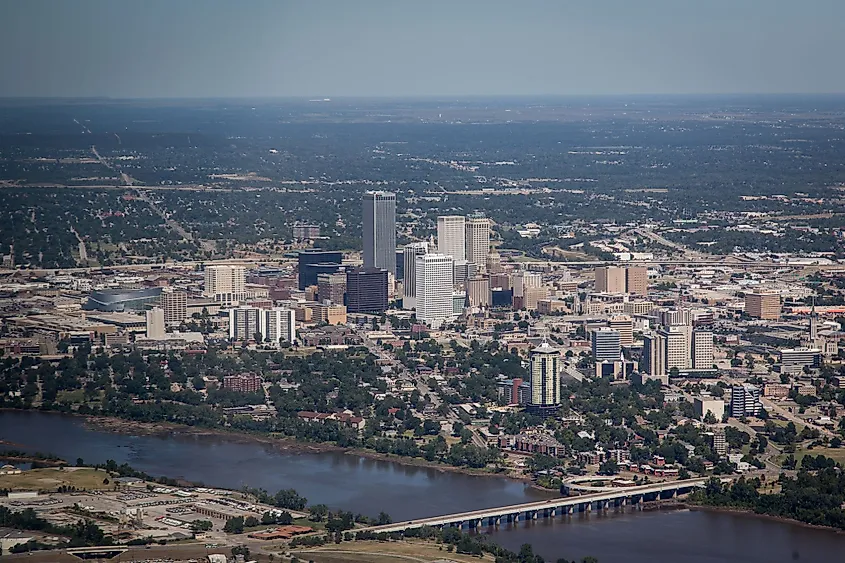
The Tulsa metropolitan area’s population of over 1.1 million is a critical figure for comprehending the city’s regional importance. This expansive demographic signifies a substantial economic and cultural sphere of influence. Suburbs and surrounding communities, such as Broken Arrow, Jenks, and Owasso, are integral parts of this broader metropolitan ecosystem. Many residents of these outlying areas commute into Tulsa for work, education, and entertainment, underscoring the city’s central role in the region.
This metropolitan growth is often driven by factors such as affordable housing in the suburbs, access to Tulsa‘s amenities, and the expansion of businesses into these outlying areas. For travelers, this means that while the city center offers a concentrated experience, the broader metropolitan area provides a wider array of accommodation options, from resorts to apartments, and a more extensive selection of attractions and local culture to explore. The interconnectedness of the metropolitan area means that experiencing Tulsa often involves venturing beyond the immediate city limits, discovering the unique charm of its neighboring communities.
Demographic Trends and Future Outlook
The demographic trends in Tulsa are indicative of a city that is evolving. Like many American cities, Tulsa experiences shifts in its age distribution, with a growing millennial population drawn by job opportunities and a vibrant urban lifestyle. Simultaneously, the city remains a popular destination for families, attracted by its relatively affordable cost of living and good schools. The city’s efforts to revitalize its downtown core, invest in public transportation, and enhance its green spaces are all part of a strategy to continue attracting and retaining residents.
The Tulsa Port of Catoosa, an inland river port, is also a significant economic asset that contributes to regional commerce and job creation, indirectly influencing population dynamics. As Tulsa continues to foster innovation and embrace new industries, its population is expected to see continued growth and diversification. This ongoing evolution makes Tulsa a compelling destination for both short-term visitors seeking authentic experiences and those contemplating a longer-term stay, offering a dynamic blend of established attractions and emerging opportunities. The city’s ability to adapt and grow ensures its continued relevance as a significant urban center in the United States.
LifeOutOfTheBox is a participant in the Amazon Services LLC Associates Program, an affiliate advertising program designed to provide a means for sites to earn advertising fees by advertising and linking to Amazon.com. Amazon, the Amazon logo, AmazonSupply, and the AmazonSupply logo are trademarks of Amazon.com, Inc. or its affiliates. As an Amazon Associate we earn affiliate commissions from qualifying purchases.