
Navigating the temporal landscape of travel can sometimes feel like deciphering an ancient map, especially when planning a trip to a vibrant city like Austin, Texas. One of the most fundamental yet often overlooked pieces of information for any traveler is understanding the local time zone. This knowledge is crucial for everything from booking flights and hotel rooms to scheduling tours and simply experiencing the rhythm of a new destination. For Austin, Texas, this means understanding its place within the broader framework of North American time.
Understanding North American Time Zones
Before diving specifically into Austin, Texas, it’s helpful to have a general grasp of how time zones are structured in North America. The continent is broadly divided into several standard time zones, each representing a one-hour difference. These zones are designed to roughly align civil time with the solar day, meaning that noon is approximately when the sun is at its highest point in the sky. The primary time zones, moving from east to west, are:
- Atlantic Standard Time (AST): Observed in parts of Canada (like Nova Scotia and New Brunswick) and some Caribbean islands.
- Eastern Standard Time (EST): This zone covers a large portion of the eastern United States, including major cities like New York City, Washington D.C., and Miami.
- Central Standard Time (CST): This is the time zone that encompasses Austin, Texas. It stretches across the central United States, from the Great Lakes region down to the Gulf Coast, and also includes parts of Canada and Mexico.
- Mountain Standard Time (MST): Found in the Rocky Mountain region of the United States and parts of Canada.
- Pacific Standard Time (PST): This zone covers the westernmost parts of the United States, including states like California, Oregon, and Washington State.
- Alaska Standard Time (AKST) and Hawaii–Aleutian Standard Time (HST): These cover the more western territories of the United States.
The transition between these zones is generally abrupt, creating distinct temporal boundaries that travelers must be mindful of when moving between regions.
The Central Time Zone: A Sweeping Expanse
The Central Time Zone (CT) is one of the most populous time zones in the United States. It spans a significant geographical area, from the agricultural heartland of the Midwest to the southern plains. The Central Time Zone observes two distinct periods throughout the year:
- Central Standard Time (CST): This is the standard time, observed during the fall and winter months. CST is UTC-6, meaning it is six hours behind Coordinated Universal Time (UTC).
- Central Daylight Time (CDT): This is the daylight saving time period, observed during the spring, summer, and early fall months. CDT is UTC-5, meaning it is five hours behind Coordinated Universal Time (UTC).
The switch between CST and CDT is a twice-yearly event in most of the United States, typically occurring on the second Sunday in March (spring forward) and the first Sunday in November (fall back). This observance of Daylight Saving Time means that the actual UTC offset changes depending on the time of year, which can sometimes cause confusion for travelers. It’s always important to confirm whether Daylight Saving Time is currently in effect when checking local times.
Austin, Texas: Settled in the Central Time Zone
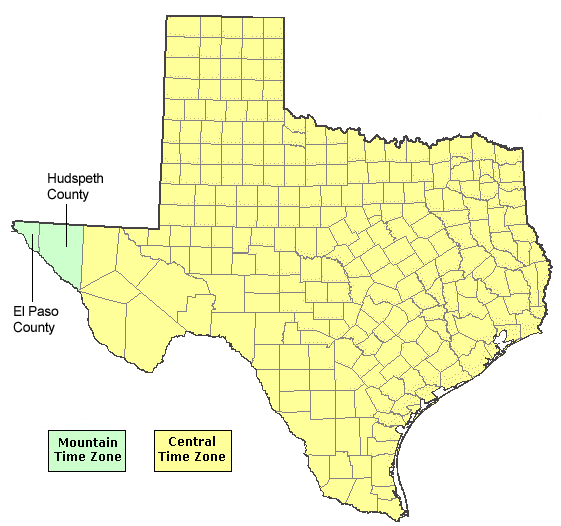
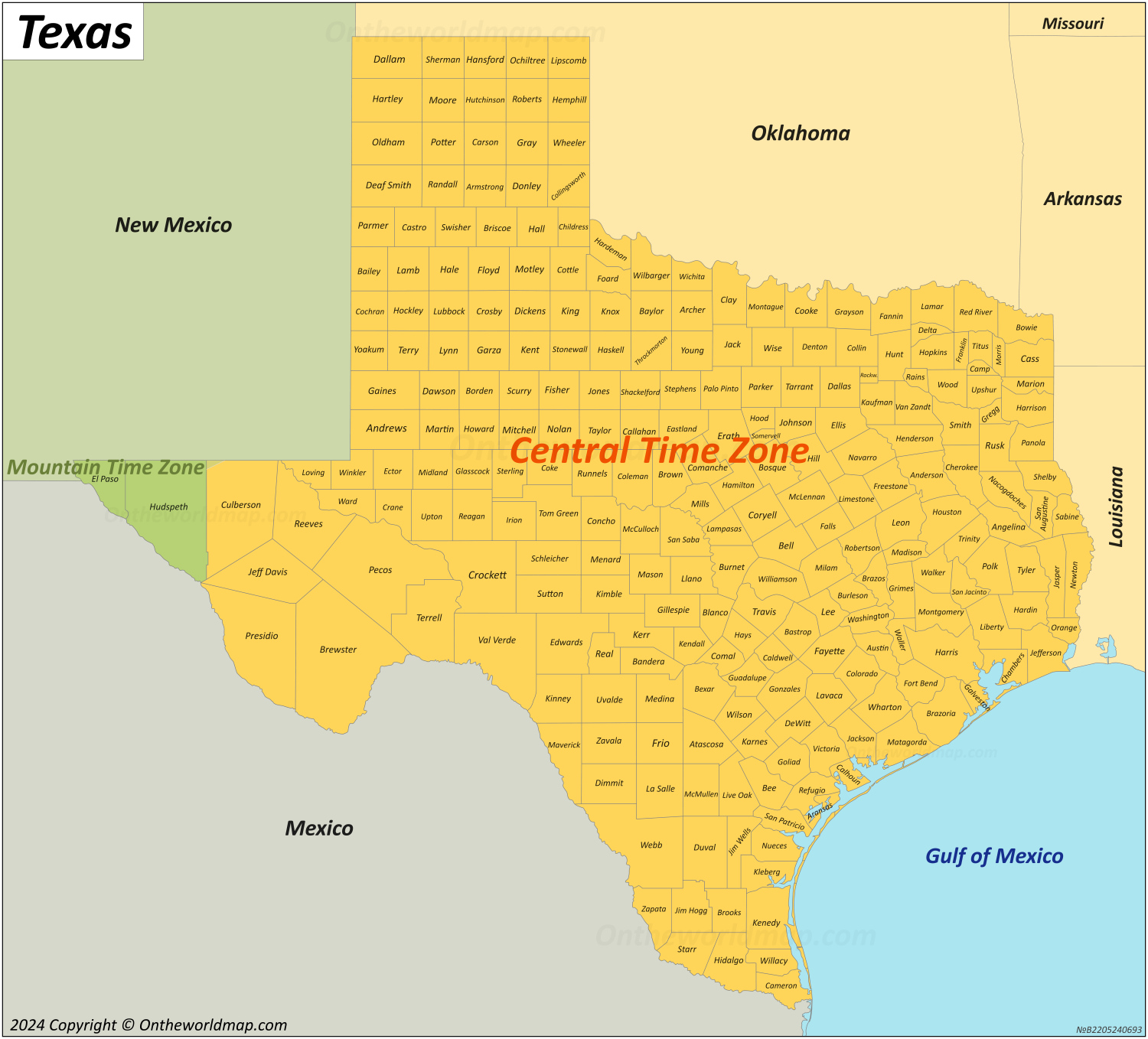
So, to answer the core question directly: Austin, Texas, is located in the Central Time Zone.
This means that during the standard time period, Austin observes CST (UTC-6). When Daylight Saving Time is in effect, Austin observes CDT (UTC-5). This is consistent with the vast majority of Texas.
Navigating Time for Travelers in Austin

For visitors planning a trip to the vibrant capital of Texas, understanding this time zone is paramount for a smooth and enjoyable experience. Here’s how it impacts various aspects of your visit:
Travel Planning
-
Flights: When booking flights to Austin-Bergstrom International Airport (AUS), always double-check the arrival and departure times. If you are traveling from a different time zone, be it Eastern, Mountain, or Pacific, factor in the one or two-hour difference to avoid confusion or missed connections. For example, a flight departing Chicago (also in the Central Time Zone) at 2:00 PM CST will arrive in Austin at 2:00 PM CST, assuming no time zone change. However, a flight departing Denver (Mountain Time) at 1:00 PM MST will arrive in Austin at 3:00 PM CST.
-
Accommodation: Booking your stay is another area where time zone awareness is key. Whether you’re looking at luxurious options like the Hotel San José or a more budget-friendly motel, check-in and check-out times are usually local to the destination. If you’re coordinating with a hotel regarding an early check-in or late check-out, ensure you’re using Austin’s local time. This also applies to vacation rentals or apartments booked for longer stays.
Experiencing Austin’s Attractions and Culture
-
Tours and Activities: Many of Austin’s most popular attractions, such as the Texas State Capitol or guided tours of the Congress Avenue Bridge to see the bat colony, operate on strict schedules. It’s essential to confirm the start times of any pre-booked tours or events in Austin local time. Missing a scheduled tour of the Alamo (while not in Austin, it’s a common day trip destination for those visiting Texas) or a culinary tour through the city’s famous food truck scene can be a significant disappointment.
-
Dining: From reservations at renowned restaurants to casual visits to BBQ joints like Franklin Barbecue, understanding local mealtimes is part of embracing the local lifestyle. While most restaurants operate on flexible schedules, knowing that you’re an hour ahead or behind your home time can help you plan your culinary adventures without feeling rushed or missing out.
-
Local Events and Festivals: Austin is renowned for its live music scene and annual festivals like South by Southwest (SXSW) and Austin City Limits Music Festival. Event schedules are always published in the local time zone, so confirm these times carefully to make the most of your festival experience.
Business and Long-Term Stays
-
Business Meetings: For those on business trips, coordinating meetings with clients or colleagues in different time zones requires meticulous planning. If you’re in Austin for business and need to connect with someone in New York, remember that they will be an hour ahead. Conversely, meetings with partners in California will mean they are two hours behind you.
-
Long-Term Stays: If you’re considering a longer stay in Austin, whether for work, study, or leisure, establishing a routine that aligns with the local time zone will be crucial for integrating into the city’s rhythm. This includes adjusting your personal schedule and understanding when local businesses and services are open.
Considerations for Daylight Saving Time in Texas
While Austin, Texas observes Daylight Saving Time, it’s worth noting that not all of Texas does, and there are ongoing discussions about its future. As of now, the vast majority of the state, including Austin, adheres to the clock changes. However, for travelers exploring other parts of Texas or interacting with residents from border regions, being aware of potential minor variations is always a good idea, though the Central Time Zone remains the dominant designation for the state.
In conclusion, the answer to “What Time Zone Is Austin, Texas?” is definitively the Central Time Zone. By keeping this fundamental piece of information in mind, travelers can better plan their journeys, synchronize their schedules, and fully immerse themselves in the unique experiences that this dynamic city has to offer, from its legendary live music to its delectable culinary scene and iconic landmarks. Whether you’re settling into a suite at the Four Seasons Hotel Austin or exploring the natural beauty of the Texas Hill Country, understanding local time ensures your trip runs like clockwork.
LifeOutOfTheBox is a participant in the Amazon Services LLC Associates Program, an affiliate advertising program designed to provide a means for sites to earn advertising fees by advertising and linking to Amazon.com. Amazon, the Amazon logo, AmazonSupply, and the AmazonSupply logo are trademarks of Amazon.com, Inc. or its affiliates. As an Amazon Associate we earn affiliate commissions from qualifying purchases.