
Understanding the sheer scale of Los Angeles is a fundamental part of planning any visit to this sprawling metropolis. Often referred to simply as the “City of Angels,” this iconic destination in California is more than just a pin on a map; it is a massive, living entity composed of millions of stories, cultures, and dreams. For the curious traveler, the question “How many people live in Los Angeles?” serves as a gateway to understanding the rhythm, the traffic, the diversity, and the boundless energy of the second-largest city in the United States.
To visit this region is to immerse oneself in a sea of humanity. Whether you are walking down the Hollywood Walk of Fame or enjoying the sunset at Santa Monica State Beach, you are constantly reminded that you are in a place that attracts people from every corner of the globe.
A Demographic Deep Dive: The Scale of the City of Angels
When people ask how many people live in the area, the answer depends entirely on how you define the borders. The city is a complex puzzle of municipalities, unincorporated areas, and distinct neighborhoods that often blur into one another, creating a massive urban sprawl that defines the Southern California experience.
Defining the Boundaries: City vs. County
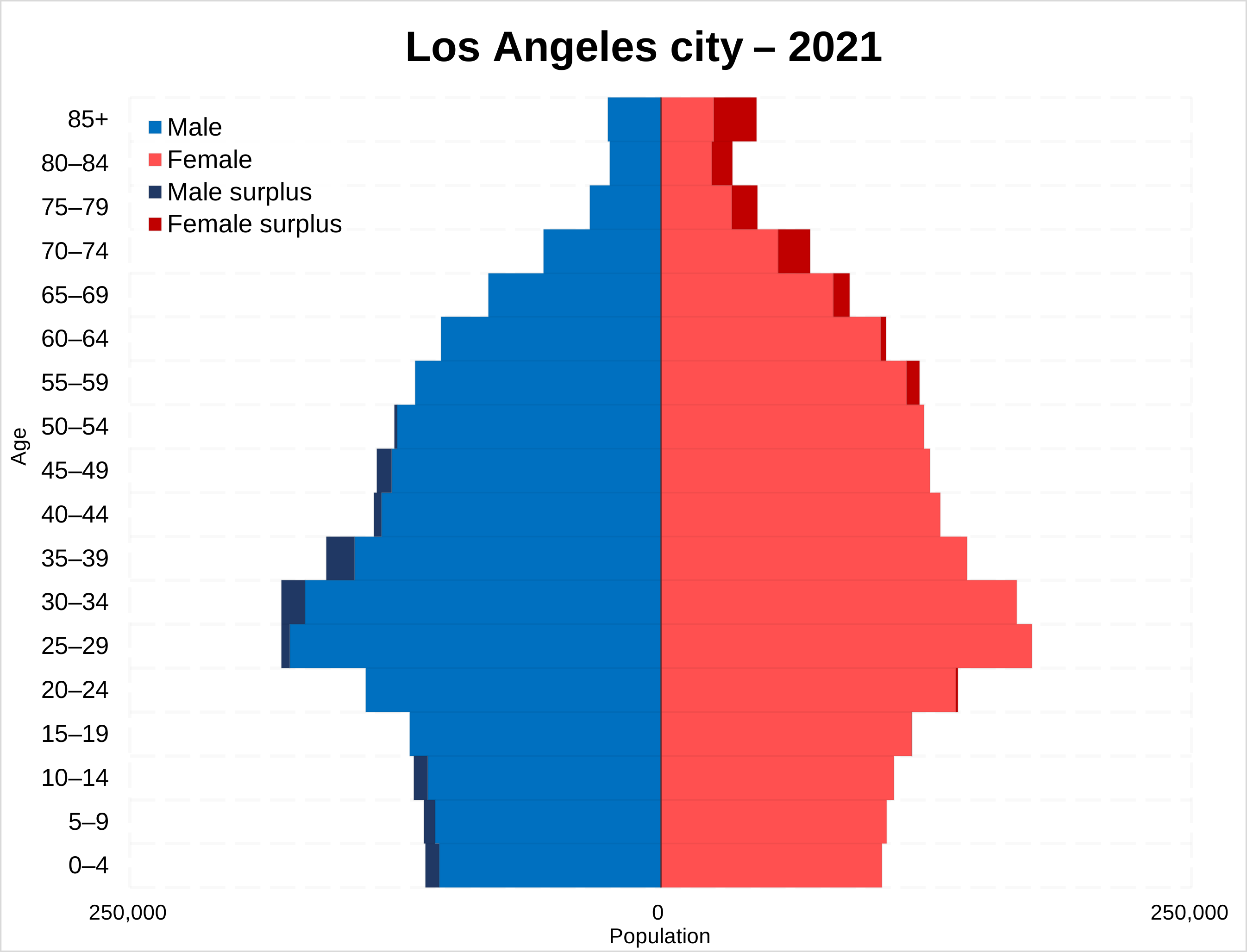
As of the most recent census data, the City of Los Angeles itself is home to approximately 3.8 to 4 million residents. This number accounts for those living within the official city limits. However, for a tourist, the city limits are often invisible. Travelers frequently move between the City of Los Angeles and neighboring cities like Beverly Hills, West Hollywood, and Santa Monica without realizing they have crossed political boundaries.
If we look at Los Angeles County, the numbers become even more staggering. The county houses over 10 million people, making it more populous than many individual states in the United States. When you include the entire Greater Los Angeles Area—which encompasses Orange County, Riverside, San Bernardino, and Ventura—the total population swells to nearly 18.5 million people. For the visitor, this means that the “local” experience is one of immense variety and incredible density.
The Melting Pot of Cultures and Languages
The population of Los Angeles is world-renowned for its diversity. It is often cited as a city where there is no ethnic majority, making it a true global crossroads. This demographic reality is the engine behind the city’s world-class food scene, its vibrant arts, and its unique cultural festivals.
Roughly 48% of the population identifies as Hispanic or Latino, with deep roots stretching back to Mexico and Central America. This is reflected in the historic Olvera Street, part of the El Pueblo de Los Angeles Historical Monument. Additionally, the city boasts significant populations of Asian, African American, and European descent. This mix of millions of people has resulted in specialized enclaves like Koreatown, Little Tokyo, Chinatown, and Little Ethiopia, each offering tourists an authentic slice of international culture without ever leaving the United States.
Popular Districts and Their Unique Resident Vibes
With nearly 4 million people living in the city, the “vibe” of Los Angeles changes drastically depending on which neighborhood you are in. Each district functions almost like a mini-city, with its own architectural style, demographic makeup, and local hangouts.
The Glamour and Grit of Hollywood
Hollywood is perhaps the most famous neighborhood in the world, yet it remains a densely populated residential and commercial hub. Thousands of people live in the apartments and bungalows surrounding Sunset Boulevard. While tourists flock to see the TCL Chinese Theatre, locals are busy working in the entertainment industry or frequenting the farmers’ markets. The high density of this area contributes to the constant hum of energy that defines the tourist experience here.
Coastal Living in Santa Monica and Venice Beach
To the west, the population density shifts toward a more relaxed, though no less crowded, atmosphere. Santa Monica is home to roughly 90,000 residents, but on a summer weekend, that number feels much higher as millions of visitors join the locals. Nearby Venice Beach offers a glimpse into a more bohemian lifestyle. The famous Venice Boardwalk is a place where the residential population—ranging from tech moguls to street performers—interacts in a colorful display of California life.
The Urban Renaissance of Downtown Los Angeles

For decades, Downtown Los Angeles (DTLA) was primarily a business district that emptied out at night. However, a massive influx of residents over the last twenty years has transformed it into a 24/7 urban center. Now, over 80,000 people live in converted lofts and sleek new skyscrapers. Tourists visiting The Broad museum or the Walt Disney Concert Hall will find themselves in a bustling environment filled with trendy rooftop bars, high-end restaurants, and the historic Grand Central Market.
Tourism in a Mega-City: Tips for Navigating Population Density
The fact that so many people live in Los Angeles directly impacts how you should plan your trip. From transportation to dining, the sheer volume of humanity requires a bit of strategy to ensure a smooth experience.
Managing the Famous Traffic Congestion
It is impossible to discuss the population of Los Angeles without mentioning the traffic. With millions of people commuting, the freeway system is often at a standstill during rush hour. To make the most of your time, it is highly recommended to group your activities by neighborhood. If you are spending the morning at Universal Studios Hollywood, plan to spend your afternoon in nearby Burbank rather than trying to rush to Long Beach.
Additionally, the Los Angeles Metro system has seen significant expansion. Using the rail lines to move between Downtown Los Angeles and Santa Monica can save you hours of sitting in a car, allowing you to see the city from a different perspective alongside the local commuters.
Embracing the Local Food Scene
The massive population means a massive demand for food, which has resulted in one of the most competitive and diverse culinary landscapes on the planet. To eat like a local, you must look beyond the tourist traps. Follow the crowds to the taco trucks in East Los Angeles or the dim sum parlors in the San Gabriel Valley. The high population density ensures that even the smallest “hole-in-the-wall” establishment often serves food of an incredibly high caliber because the local customer base is so discerning.
Must-Visit Landmarks Shaped by the Population
The landmarks of Los Angeles are often a reflection of the city’s need for community space and cultural expression amidst its high population.
Griffith Observatory: The City From Above
There is no better place to visualize the population of Los Angeles than from the Griffith Observatory. Located in Griffith Park, one of the largest municipal parks with urban wilderness in the United States, the observatory offers a panoramic view of the entire basin. At night, the carpet of lights stretching to the Pacific Ocean represents the millions of people who call this city home. It is a humbling sight that puts the scale of the Greater Los Angeles Area into perspective.
Cultural Museums and Artistic Hubs
Because so many people live here, the city supports a staggering number of world-class institutions. The Getty Center, perched atop a hill in Brentwood, offers not only incredible art but also architecture designed to handle large volumes of visitors. Similarly, the Los Angeles County Museum of Art, or LACMA, is a central gathering point for the population, especially during its famous outdoor jazz concerts.
Even the sports venues are a testament to the population. Watching a baseball game at Dodger Stadium or a basketball game at the Crypto.com Arena allows you to feel the collective passion of thousands of fans, showcasing the community spirit that thrives within such a large population.

Planning for the Future
As Los Angeles continues to grow, it prepares to host major international events like the 2028 Summer Olympics. This will bring even more people into the fold, further cementing the city’s status as a global titan of tourism and culture. Whether you are one of the 4 million permanent residents or one of the 50 million annual visitors, Los Angeles remains a place of endless discovery.
In conclusion, while the answer to “How many people live in Los Angeles?” is a number in the millions, the true essence of the city is found in the way those millions of people interact with their environment. From the mountains of Pasadena to the shores of Malibu, the population of Los Angeles creates a tapestry of life that is as complex and beautiful as the city itself. When you visit, you aren’t just seeing a city; you are joining a massive, vibrant community that is constantly redefining what it means to be a modern metropolis.
LifeOutOfTheBox is a participant in the Amazon Services LLC Associates Program, an affiliate advertising program designed to provide a means for sites to earn advertising fees by advertising and linking to Amazon.com. Amazon, the Amazon logo, AmazonSupply, and the AmazonSupply logo are trademarks of Amazon.com, Inc. or its affiliates. As an Amazon Associate we earn affiliate commissions from qualifying purchases.