
Understanding the environmental DNA of a city is essential for appreciating its beauty, its history, and its future. For Kansas City, a sprawling metropolitan area that straddles the border between Missouri and Kansas, the climate is more than just a daily weather report; it is the foundation of its world-class park systems and its reputation as the “City of Fountains.” When asking “What hardiness zone is Kansas City?”, the answer provides a roadmap for understanding the resilient nature and breathtaking landmarks that define this region in the United States.

Understanding the Hardiness Zone of Kansas City
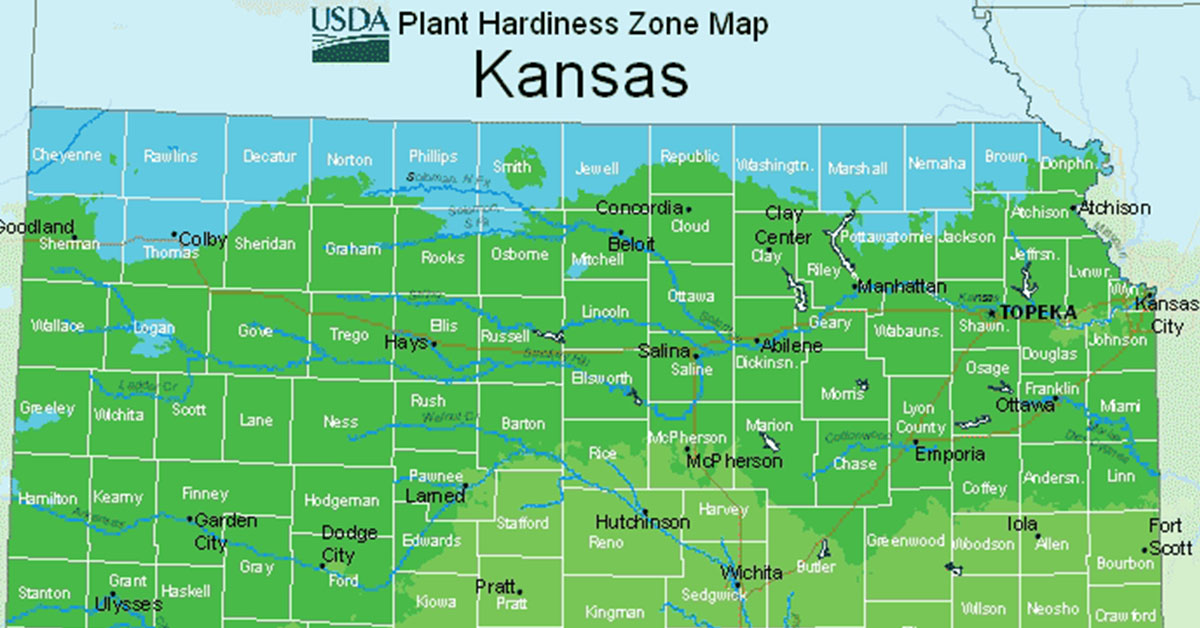
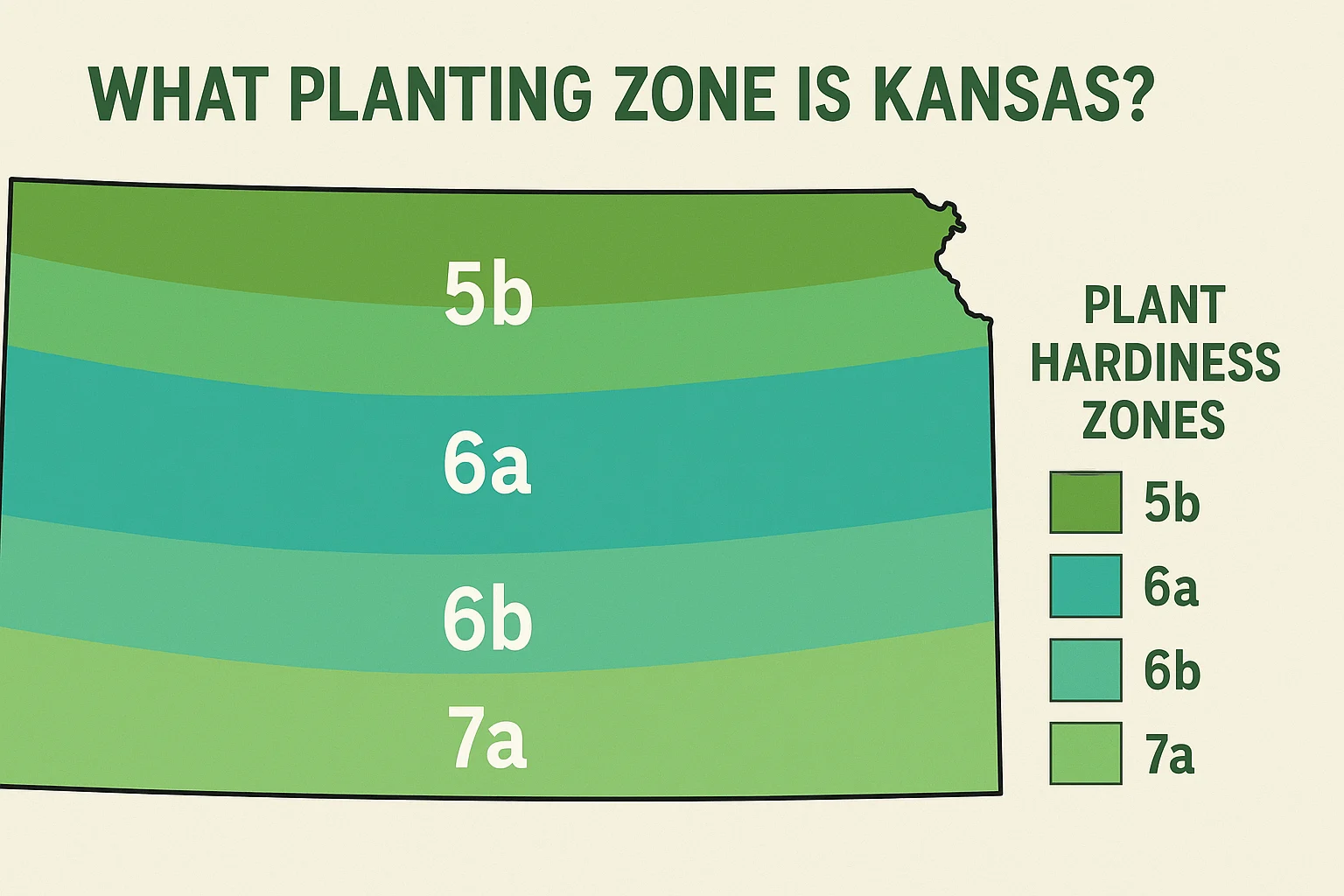
The United States Department of Agriculture (USDA) Plant Hardiness Zone Map is the standard by which gardeners and arborists determine which plants are most likely to thrive at a location. For decades, Kansas City was firmly established in Zone 6a. However, as global and regional climate patterns have shifted, the most recent updates have placed the majority of the metropolitan area into Zone 6b.
The Transition from 6a to 6b
The distinction between 6a and 6b might seem minor to the casual observer, but for the landscape of the Midwest, it represents a significant shift in biodiversity. Zone 6b indicates an average annual extreme minimum temperature of -5°F to 0°F. This shift allows for a slightly broader palette of flora to survive the winters, contributing to the lush, diverse greenery seen in landmarks like the Country Club Plaza.
Living in Zone 6b means that Kansas City experiences four distinct seasons, each with its own dramatic flair. The “Heartland” climate is notorious for its volatility—ranging from humid, baking summers to crisp, icy winters—forcing the natural landmarks of the city to be remarkably adaptable.
Why Microclimates Matter in the Midwest
While the general designation is 6b, Kansas City is home to several microclimates. The urban heat island effect, caused by the dense concentration of buildings and pavement in Downtown Kansas City, often keeps temperatures a few degrees warmer than the surrounding rural areas in Wyandotte County or Johnson County. This allows for certain sensitive species to survive in protected courtyards or near the stone walls of historic estates that might perish just a few miles further into the countryside.
Iconic Natural Landmarks and Green Spaces in Kansas City
The hardiness zone of a city dictates the aesthetic of its public spaces. In Kansas City, the intersection of climate and horticulture has birthed some of the most celebrated natural landmarks in the North America.
The Beauty of the Ewing and Muriel Kauffman Memorial Garden
One of the most serene landmarks in the city is the Ewing and Muriel Kauffman Memorial Garden. This gated botanic oasis is a masterclass in utilizing Zone 6b plants. Because it is enclosed by stone walls, the garden creates a sheltered environment where perennials, flowering shrubs, and meticulously pruned trees flourish. It serves as a living testament to the types of flora—from vibrant tulips in the spring to resilient evergreens in the winter—that define the Kansas City horticultural experience.
Exploring the Loose Park Rose Garden
Located just south of the Country Club Plaza, Loose Park is perhaps the most beloved green space in the city. Within its borders lies the Laura Conyers Smith Municipal Rose Garden. Growing roses in Zone 6b requires expertise and timing, as the fluctuating spring temperatures can be challenging. However, this landmark boasts thousands of roses in over 100 varieties, making it a premier destination for nature lovers and a symbol of the city’s commitment to urban beauty.
Powell Gardens: Kansas City’s Botanical Centerpiece
To truly see the hardiness zone’s diversity on a grand scale, one must visit Powell Gardens. Located just east of the city, this botanical garden spans 970 acres. It features a wide array of ecosystems, from native tallgrass prairies to managed woodlands. Powell Gardens showcases how the Missouri landscape can support everything from lotus-filled ponds to hardy cacti, providing an educational look at the region’s natural resilience.
The Influence of Climate on Kansas City’s Architecture and History
The natural landmarks of Kansas City are not isolated from its built environment. The hardiness zone and the local geography, particularly the proximity to the Missouri River, have heavily influenced the city’s architectural history.
Native Stone and Resilient Landscapes
Historically, Kansas City architects utilized native limestone, which is abundant in the Midwest. This stone is not only aesthetically striking but also incredibly durable against the freeze-thaw cycles typical of Zone 6. Landmarks like the Nelson-Atkins Museum of Art stand as pillars of stability, surrounded by a 22-acre sculpture park that integrates art with the rugged, hardy grasses and trees of the region. The Donald J Hall Sculpture Park is a perfect example of how the city’s hardiness zone dictates the choice of turf and shade trees to ensure the art is framed by a landscape that remains healthy year-round.
The Legacy of George Kessler and the Park System
In the late 19th and early 20th centuries, landscape architect George Kessler designed the city’s parks and boulevards system. His vision was to create a “City within a Park.” This plan utilized the natural topography of the bluffs overlooking the Missouri River and the rolling hills of the Blue River Valley. By choosing plant species that were native to or hardy in Zone 6, George Kessler ensured that the beauty of Kansas City would be permanent rather than seasonal. Swope Park, one of the largest municipal parks in the United States, remains a primary landmark of this vision, housing the Kansas City Zoo and the Starlight Theatre within its forested expanse.
Seasonal Tourism and Natural Phenomena
The hardiness zone 6b status of Kansas City creates a predictable yet spectacular rhythm of natural events that draw tourists and locals alike to the city’s outdoor landmarks.
Spring Blooms and Fall Foliage in the Missouri River Valley
Spring in Kansas City is a celebration of the awakening of Zone 6 flora. The flowering crabapples and redbuds that line the streets of Brookside and Waldo create a canopy of pink and white. This is the peak time for visiting the Overland Park Arboretum and Botanical Gardens, where the transition from winter dormancy to spring vibrancy is on full display.
Conversely, the autumn months transform the city into a palette of deep oranges and reds. The oaks, maples, and hickories that characterize the Missouri landscape are at their best in late October. A drive along Cliff Drive, a State Scenic Byway located in Kessler Park, offers panoramic views of the Missouri River framed by the fiery colors of the hardy hardwood forest.
Winter Resilience in the Heartland
Even in the depths of winter, Kansas City landmarks hold a unique charm. The hardiness zone ensures that while the deciduous trees lose their leaves, the structural beauty of the city’s fountains and monuments remains. The Liberty Memorial at the National WWI Museum and Memorial provides a stark, towering silhouette against the winter sky, overlooking a landscape that is resting and preparing for the next cycle of growth.
The City of Fountains Foundation works tirelessly to maintain the many water features that define the city’s identity. While many fountains are winterized to protect them from the Zone 6b freezes, their presence remains a landmark of the city’s dedication to public art and natural elements.
In conclusion, Kansas City is firmly rooted in USDA Hardiness Zone 6b. This classification is far more than a number; it is the silent hand that guides the growth of the Ewing and Muriel Kauffman Memorial Garden, the resilience of the trees in Swope Park, and the very stones of the Nelson-Atkins Museum of Art. For any traveler or nature enthusiast, understanding this zone is the key to unlocking the full experience of the Midwest’s most vibrant natural and historical landmarks. Whether you are strolling through the Country Club Plaza or exploring the vast trails of Powell Gardens, you are witnessing the beautiful, enduring result of a city in harmony with its climate.
LifeOutOfTheBox is a participant in the Amazon Services LLC Associates Program, an affiliate advertising program designed to provide a means for sites to earn advertising fees by advertising and linking to Amazon.com. Amazon, the Amazon logo, AmazonSupply, and the AmazonSupply logo are trademarks of Amazon.com, Inc. or its affiliates. As an Amazon Associate we earn affiliate commissions from qualifying purchases.