
The Boston Marathon, an iconic event steeped in history and athletic prowess, transforms the city of Boston into a global spectacle each Patriot’s Day. For runners, spectators, and the local economy, it is a momentous occasion, drawing hundreds of thousands of visitors and participants annually. However, the 2013 Boston Marathon is remembered not just for its athletic achievement but for a tragic act that underscored the vulnerabilities inherent in large-scale public events and reshaped the conversation around tourism safety and event management worldwide.
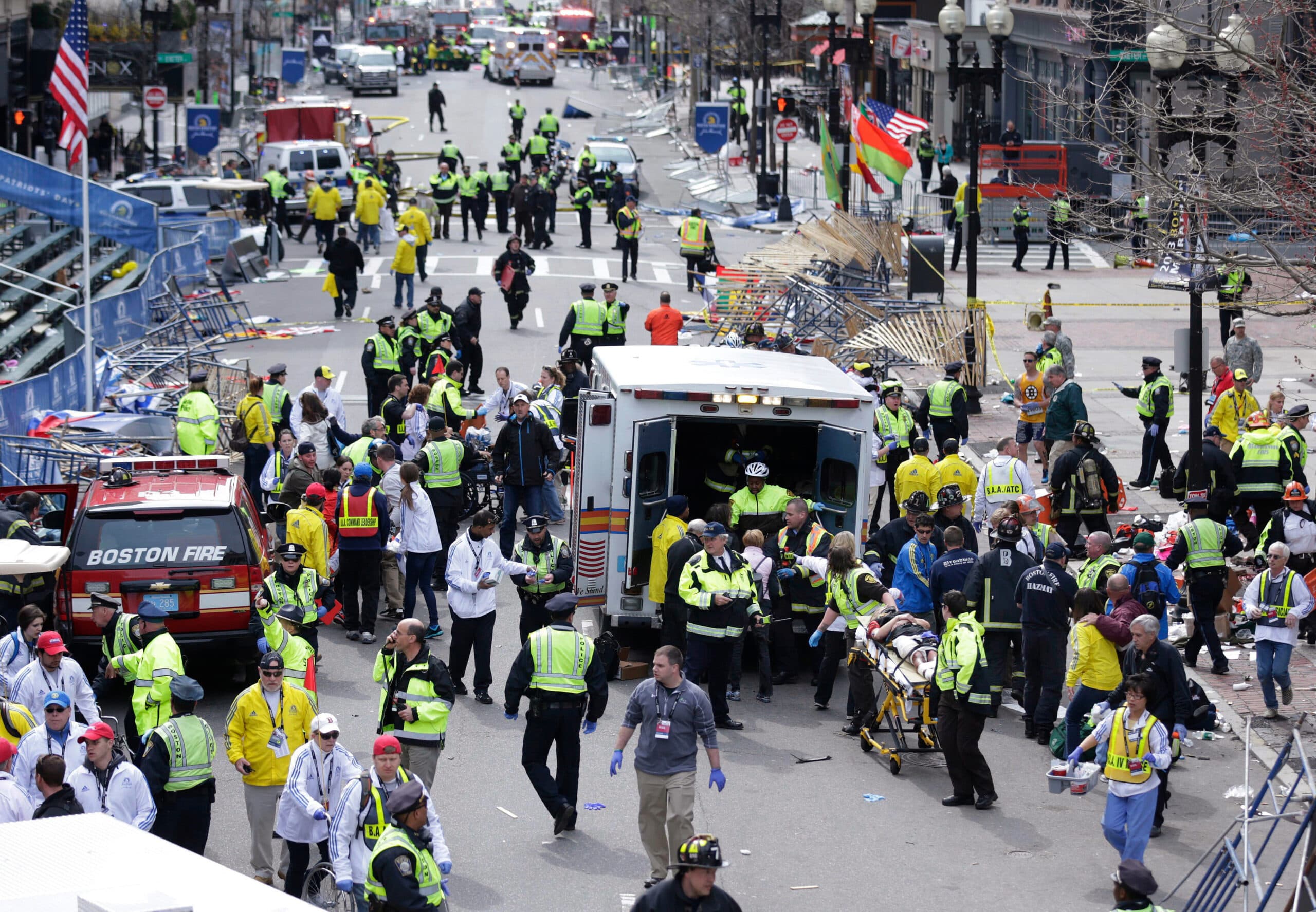
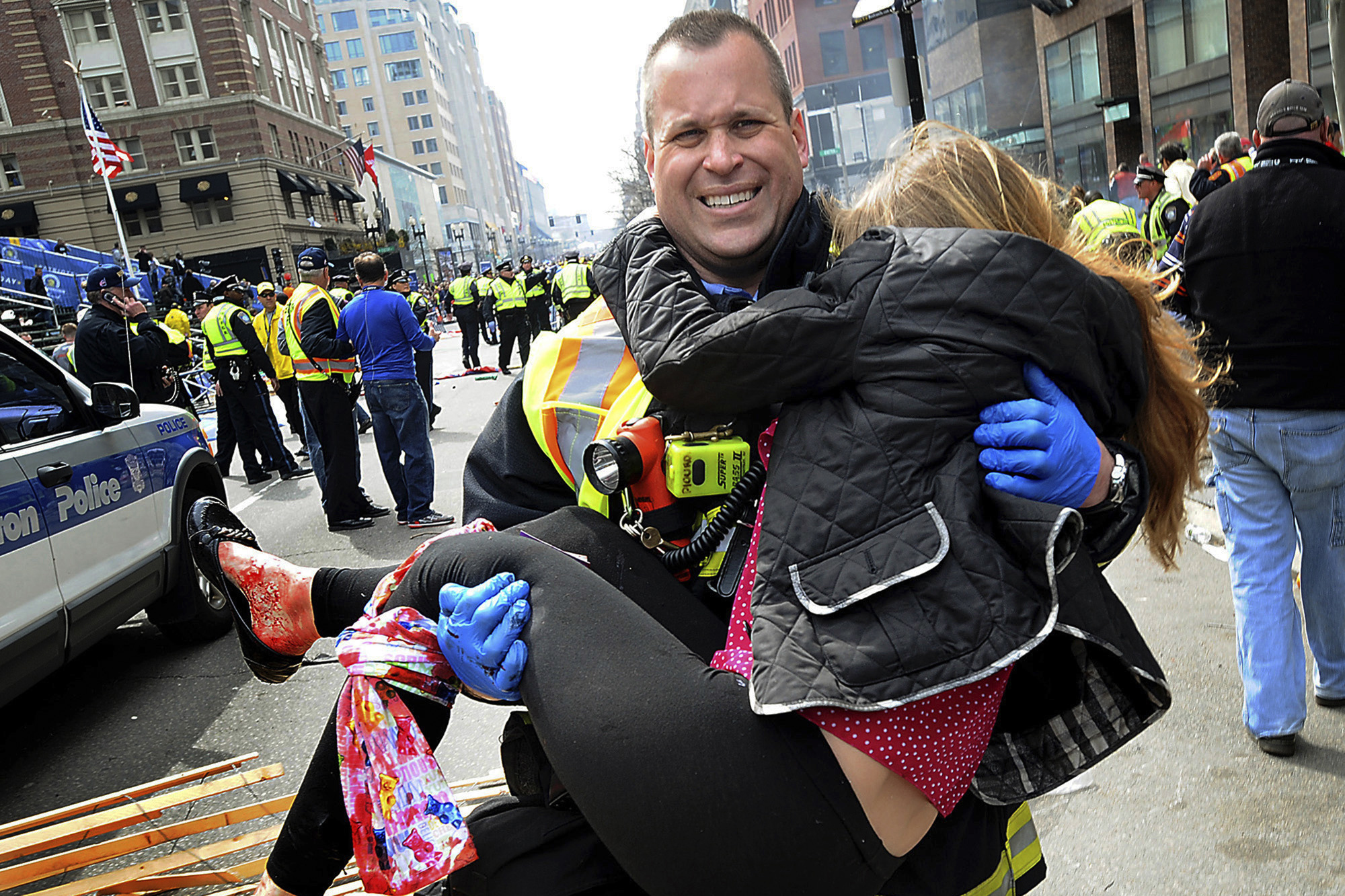
On April 15, 2013, two homemade bombs detonated near the finish line of the Boston Marathon on Boylston Street. This horrific incident resulted in the deaths of three spectators and a police officer in the immediate aftermath, and profoundly impacted the lives of many more. Beyond the fatalities, approximately 264 individuals sustained injuries, ranging from shrapnel wounds and burns to severe limb damage, requiring extensive medical care and long-term rehabilitation. This stark number represents a human cost that echoed deeply within the local community and resonated across the international tourism landscape. The incident served as a chilling reminder that even in the most celebrated and seemingly benign tourism activities, unforeseen dangers can emerge, forever altering the perception of safety for participants and onlookers alike.
The Boston Marathon as a Global Tourism Magnet
The Boston Marathon is far more than just a race; it is a quintessential tourism event that injects vitality and significant economic benefit into Boston. Each year, it draws over 30,000 registered runners from all 50 U.S. states and more than 100 countries, accompanied by an estimated half a million spectators lining the 26.2-mile course from Hopkinton to Boston. This influx of people translates into a massive boost for hotels, restaurants, retail businesses, and transportation services across the greater Boston area.
For many, participating in or witnessing the Boston Marathon is a bucket-list travel experience. Runners often plan their entire year around qualifying and traveling for the race, bringing with them families and support teams who contribute to the local economy. Tourists are drawn to the electric atmosphere, the historical significance of the race (being the world’s oldest annual marathon), and the opportunity to be part of a vibrant communal celebration. The marathon showcases Boston’s unique blend of historical charm and modern dynamism, making it an attractive destination for both sports enthusiasts and general travelers seeking an authentic American experience. The event’s robust economic footprint and cultural impact underscore its critical role in Boston’s tourism portfolio, making the disruption caused by the bombings not just a tragedy, but an immediate threat to a vital industry.
The Immediate Aftermath: Assessing the Impact on Visitors and the City’s Appeal
The immediate aftermath of the 2013 bombings plunged Boston into chaos and grief, but it also triggered an urgent assessment of its impact on tourism. With nearly 264 people injured, many of whom were spectators or supporting family members, the incident highlighted the vulnerability of tourists in major public gatherings. The sudden shift from celebration to terror left an indelible mark on those present, with ripple effects across the global travel community.
Initially, there were concerns about how such an event would affect future visitation to Boston and participation in similar large-scale events. Destinations rely heavily on their reputation for safety and security to attract visitors. A breach of this trust, especially in a widely publicized event, can deter potential tourists. Travel advisories from various nations often take into account incidents of this nature, potentially impacting booking trends and overall tourism revenue. However, Boston’s resilience and the international outpouring of support quickly began to counter these fears. The city moved swiftly to demonstrate its commitment to safety and to project an image of solidarity and recovery. This concerted effort was crucial in mitigating long-term damage to its tourism appeal, signaling that the spirit of the city and its events would not be broken.
[Boston]’s Journey to Recovery: Reinstating Trust in Event Tourism
In the wake of the bombings, Boston embarked on a profound journey of recovery, not just for its citizens but also for its tourism sector. Reinstating trust in event tourism became a paramount concern, driving significant enhancements in security protocols and public safety measures. The city and race organizers understood that the long-term viability of the Boston Marathon and Boston’s reputation as a safe destination depended on a visible and comprehensive response.
Enhanced Security Protocols
For subsequent marathons, security was dramatically increased. The changes were palpable, designed to reassure both participants and spectators. Measures included:
- Restricted Access Zones: Limited entry points with thorough bag checks were implemented around the finish line and other high-density areas.
- Prohibited Items: A stringent list of banned items, including large backpacks, strollers, and glass containers, was enforced.
- Increased Law Enforcement Presence: Thousands of uniformed and plainclothes officers, including federal, state, and local agencies, were deployed along the entire course.
- Advanced Surveillance Technology: More sophisticated cameras and monitoring systems were installed, capable of real-time threat assessment.
- Public Awareness Campaigns: Spectators were actively encouraged to report suspicious activity, fostering a collective responsibility for safety.
These visible changes, coupled with extensive public communication, were instrumental in rebuilding confidence. The message was clear: Boston was committed to hosting safe events. This dedication was met with an equally powerful response from the public, demonstrating an unwavering desire to support the marathon and the city. The narrative shifted from fear to defiance, with the “Boston Strong” slogan becoming a symbol of resilience that resonated globally.

Community Engagement and Psychological Support
Beyond physical security, Boston focused on community healing and psychological support. Local tourism boards and community organizations worked to ensure visitors felt welcomed and secure. The spirit of unity and defiance in the face of terror became a significant part of the city’s appeal, showcasing not just a destination, but a community with an unbreakable spirit. This human element of recovery was crucial in fostering a sense of safety and solidarity for both residents and visitors, demonstrating that while incidents can occur, the collective human response can reinforce the appeal of a destination.
Evolving Security Paradigms: What the Boston Marathon Taught Global Event Organizers
The events of April 2013 fundamentally altered the landscape of security planning for major public gatherings worldwide. The Boston Marathon bombings served as a stark case study, prompting global event organizers, destination marketing organizations, and tourism agencies to reassess and often overhaul their security paradigms. The lessons learned extended far beyond road races, influencing everything from music festivals to national celebrations and large-scale conventions.
Integrated Security Approach
One of the most significant takeaways was the necessity of an integrated security approach. This involves seamless coordination among multiple agencies—local law enforcement, federal intelligence, emergency medical services, transportation authorities, and event organizers. The concept of “all hazards” planning gained prominence, meaning preparedness for a wide spectrum of threats, not just those historically anticipated. This holistic view ensures that security measures are comprehensive and adaptable to evolving threats, a crucial element for reassuring tourists.
Importance of Intelligence and Information Sharing
The incident underscored the critical role of intelligence gathering and effective information sharing. Proactive threat assessment, monitoring of potential risks, and rapid dissemination of relevant information among security partners are now standard operating procedures for large events. This intelligence-driven approach helps to anticipate and neutralize threats before they materialize, significantly enhancing the safety profile of a destination’s events.
Public Awareness and Participant Engagement
Empowering the public to be part of the security solution became another key lesson. Campaigns encouraging spectators to “see something, say something” have become ubiquitous, turning every attendee into a potential sensor for suspicious activity. This decentralizes vigilance and fosters a shared responsibility for safety, which, paradoxically, can enhance the overall visitor experience by creating a more secure environment. Event communication strategies now often include explicit guidelines for safety and emergency procedures, preparing visitors for various scenarios.
Crisis Communication and Reputation Management
The Boston Marathon also highlighted the importance of robust crisis communication and proactive reputation management for tourism destinations. How a city responds in the immediate aftermath, communicates with the public and media, and supports victims and visitors, can significantly influence its long-term tourism appeal. Transparent, empathetic, and decisive communication is essential for maintaining trust and demonstrating resilience. Destinations must show that they are not only capable of responding to crises but also of learning from them to build a safer future for visitors.
Beyond the Horizon: The Unbreakable Spirit of Destination Tourism
Despite the profound tragedy and the significant number of injuries sustained, the 2013 Boston Marathon ultimately highlighted the unbreakable spirit of destination tourism. Boston not only recovered but thrived, demonstrating the enduring human desire to gather, celebrate, and explore. The marathon continued, stronger and safer, becoming a testament to the city’s resilience and a beacon for responsible event tourism globally.
The incident underscored that while threats to safety and security are a constant consideration in the modern world, they do not diminish the fundamental appeal of travel and communal experiences. Rather, they prompt an evolution in how destinations and event organizers approach their responsibilities, making safety an even more integral part of the visitor experience. For tourists, the confidence to travel and attend large events is built on the visible commitment of destinations to protect their well-being. Boston’s response set a new benchmark, demonstrating that through enhanced security, community solidarity, and transparent communication, major events can not only persist but flourish. The city remains a prime example of how a destination can face adversity, learn from it, and emerge even more committed to providing enriching and secure experiences for visitors from around the globe. The memory of those injured and lost serves as a perpetual reminder of the vigilance required, yet the continuous success of the Boston Marathon is a powerful affirmation of the enduring human connection fostered through tourism.
LifeOutOfTheBox is a participant in the Amazon Services LLC Associates Program, an affiliate advertising program designed to provide a means for sites to earn advertising fees by advertising and linking to Amazon.com. Amazon, the Amazon logo, AmazonSupply, and the AmazonSupply logo are trademarks of Amazon.com, Inc. or its affiliates. As an Amazon Associate we earn affiliate commissions from qualifying purchases.