
Arizona stands as a testament to the sheer diversity of natural landmarks, boasting an ecological tapestry that ranges from scorching deserts to pine-clad mountains. This striking variation in elevation and climate creates an unparalleled array of habitats, supporting an astonishing spectrum of wildlife. For those drawn to the natural world, understanding the indigenous fauna of Arizona is key to appreciating its unique natural attractions and protected areas. The state’s diverse biomes, from the iconic Sonoran Desert to the towering Mogollon Rim and isolated Sky Island mountain ranges, act as distinct biological landmarks, each harboring a specific set of animal inhabitants.
Arizona’s Diverse Ecosystems: A Natural Landmark Framework
The diverse ecosystems of Arizona are fundamental to its identity as a natural landmark, providing distinct environmental canvases that nurture a rich variety of life. The state is broadly divided into several biomes, each presenting unique conditions that shape its animal populations.
The Sonoran Desert: A Vibrant Arid Landscape
Dominated by the saguaro cactus, the Sonoran Desert is arguably Arizona’s most famous natural landmark. This desert is distinctively verdant compared to others, thanks to its bimodal rainfall pattern. Its unique flora provides shelter and sustenance for a myriad of desert-adapted species, making it a prime location for wildlife viewing, particularly within protected areas like Saguaro National Park near Tucson and the desert landscapes surrounding Phoenix. Animals here have evolved remarkable strategies to cope with extreme temperatures and scarcity of water, making them fascinating subjects for observation.
Highland Forests and Mountain Ranges
Ascending in elevation, the landscape transforms dramatically into vast pine forests, particularly along the Mogollon Rim and within the White Mountains. These areas, including parts of the Grand Canyon National Park‘s North Rim, offer cooler temperatures and more abundant water sources. Such environments provide critical habitat for species that thrive in temperate climates, creating a stark contrast to their desert counterparts. The Sky Islands, isolated mountain ranges rising from the desert floor like biological oases, further exemplify this diversity, acting as crucial corridors for species movement and unique pockets of biodiversity.
Riparian Zones: Oases of Life
Despite its arid reputation, Arizona is home to vital riparian areas – lush strips of vegetation along rivers and streams like the Colorado River and its tributaries. These corridors are disproportionately important for wildlife, serving as vital water sources, food hubs, and migratory pathways. They are often overlooked but are essential natural landmarks, particularly for birdwatchers and those seeking more water-dependent species.
Iconic Desert Dwellers: Masters of Adaptation
The creatures of the Sonoran Desert are true marvels of evolution, embodying resilience in one of the planet’s most challenging environments. These animals are as iconic to Arizona as its saguaros, drawing visitors to natural landmarks and wildlife refuges to witness their unique adaptations.
Reptiles and Amphibians
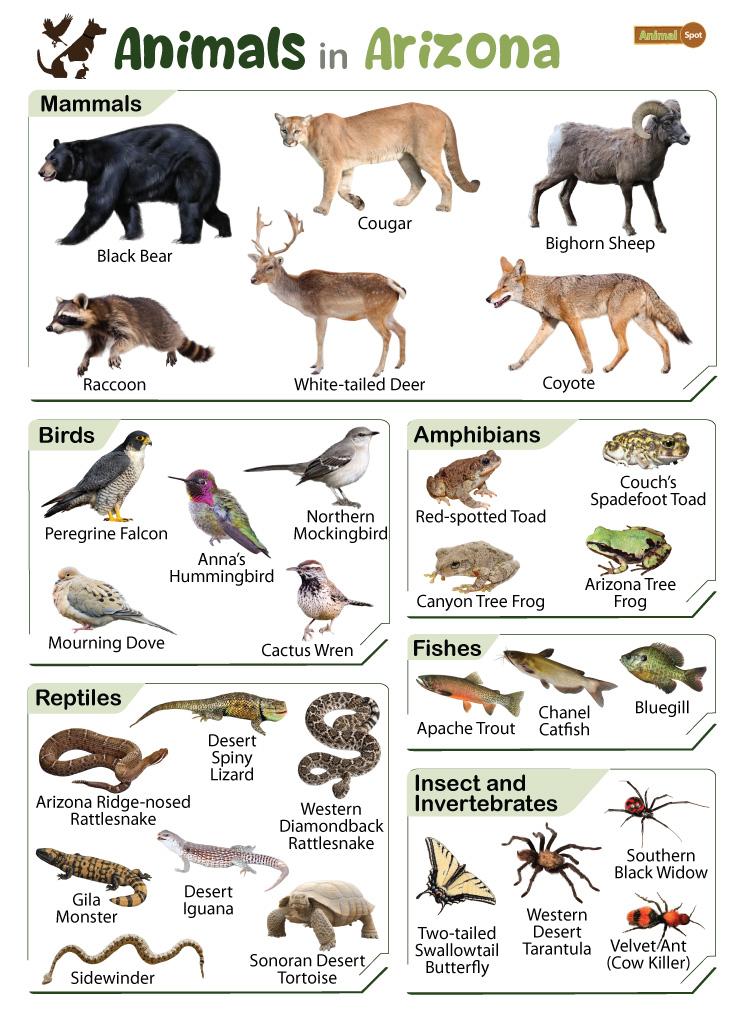
Arizona is renowned for its diverse reptilian population. The Gila Monster, a venomous beaded lizard, is perhaps the most famous, identifiable by its striking black and orange patterns. It’s a reclusive creature, primarily active at night or during the cooler parts of the day. Various species of rattlesnakes, including the Western Diamondback Rattlesnake and the Mojave Rattlesnake, are prevalent; their distinctive warning rattle is a sound synonymous with the desert. Desert tortoises are also found, particularly in protected areas, known for their longevity and herbivorous diet. Despite the aridity, the Sonoran Desert also hosts amphibians like the Sonoran Desert Toad, which emerges during monsoon rains for breeding.
Mammals of the Arid Lands
The desert’s mammal community is robust and fascinating. Javelinas, or collared peccaries, are pig-like mammals often seen in small herds, foraging for roots and cacti. Coyotes are ubiquitous, their howls echoing across the desert nights, serving as a reminder of the wild. Elusive predators like the Bobcat and the Mountain Lion also roam, though they are much harder to spot. Higher desert elevations and mountain ranges are home to the majestic Desert Bighorn Sheep, often seen navigating steep, rocky terrain in areas like the Kofa National Wildlife Refuge. Smaller mammals include various species of jackrabbits, cottontails, and kangaroo rats, each playing a vital role in the desert ecosystem.

Avian Wonders
Birdlife in the Sonoran Desert is surprisingly abundant and colorful. The Greater Roadrunner, a speedy ground bird immortalized in cartoons, is a charismatic sight. The Cactus Wren, Arizona’s state bird, builds its elaborate nests within cacti, a testament to its adaptation. Raptors like the Harris’s Hawk hunt cooperatively in families, a rare behavior among birds of prey. The tiny Elf Owl, the smallest owl in the world, nests in old saguaro cavities. These birds, along with countless migratory species, make Arizona a premier birdwatching destination, particularly in the spring and fall.
Mountain and Forest Inhabitants: High-Altitude Attractions
Beyond the desert, Arizona’s forested mountains and plateaus present a completely different set of natural landmarks and inhabitants. These cooler, wetter environments, such as those found around Flagstaff and in the Kaibab National Forest, support species more commonly associated with northern climates.
Large Mammals of the Highlands
The forests are home to impressive large mammals. Black Bears are frequently sighted, particularly in areas with good food sources, roaming the ponderosa pine and mixed-conifer forests. Elk herds are common, especially in the White Mountains and near Flagstaff, where their bugling calls can be heard during the autumn rut. Mule Deer are ubiquitous, found in both forest and transitional habitats. The elusive Mountain Lion (also known as cougar or puma) is the top predator in these areas, preying on deer and elk, though sightings are rare and considered a special treat for nature enthusiasts visiting these natural landmarks.
Forest Birds and Smaller Creatures
The avian population also shifts with elevation. The brilliant blue Steller’s Jay is a common sight and sound in pine forests, often heard before it’s seen. Various woodpeckers, nuthatches, and chickadees flit through the canopy. The Abert’s Squirrel, with its distinctive tufted ears, is a resident of ponderosa pine forests, relying on the pinecones for sustenance. These smaller creatures contribute to the intricate web of life that defines Arizona’s diverse natural landmarks.
Riparian and Wetland Wildlife: Desert Oases
While deserts dominate the landscape, Arizona’s riparian zones and scattered wetlands are critical biodiversity hotspots, acting as magnets for life. These lush corridors along rivers, streams, and springs are natural landmarks that provide essential water, shelter, and food in an otherwise arid region.
Water-Dependent Species
Rivers like the Verde River and San Pedro River support populations of Beavers and River Otters, species that are entirely dependent on aquatic environments. Various native fish species, some endangered, thrive in these waterways. Numerous frog and salamander species find refuge in the moist environments of canyons and stream banks. These areas are vital for maintaining ecological balance and are often protected as state parks or natural preserves, making them accessible natural landmarks for visitors to observe unique aquatic wildlife.
Migratory Birds and Resident Waterfowl
The riparian corridors are particularly important for birds. They serve as crucial stopovers for a multitude of migratory bird species traveling along the Pacific Flyway, offering food and rest. Ducks, geese, herons, egrets, and various shorebirds are commonly found, especially during migration seasons. The abundant insect life and vegetation along these waterways support a thriving community of both resident and transient avian species, making these areas prime birdwatching locations within Arizona.

Wildlife Viewing Ethics and Conservation Efforts
Experiencing Arizona’s wildlife is an unforgettable aspect of visiting its natural landmarks. However, it comes with a responsibility to protect these precious resources. Responsible wildlife viewing is paramount to ensure the continued health of these ecosystems and the safety of both animals and observers.
Always maintain a respectful distance from wildlife. Never feed animals, as it can habituate them to humans, leading to dangerous encounters and disrupting their natural behaviors. Stay on marked trails in natural landmark areas to avoid disturbing fragile habitats. Utilizing binoculars or telephoto lenses allows for close observation without intrusion. Many of Arizona’s natural landmarks, including Grand Canyon National Park, Saguaro National Park, and numerous state parks and wildlife refuges, offer interpretive programs and guided tours that enhance the viewing experience while educating visitors on conservation. These protected areas are vital for safeguarding the state’s incredible biodiversity and ensuring that future generations can also marvel at the animals that call Arizona home.
LifeOutOfTheBox is a participant in the Amazon Services LLC Associates Program, an affiliate advertising program designed to provide a means for sites to earn advertising fees by advertising and linking to Amazon.com. Amazon, the Amazon logo, AmazonSupply, and the AmazonSupply logo are trademarks of Amazon.com, Inc. or its affiliates. As an Amazon Associate we earn affiliate commissions from qualifying purchases.