
Navigating California’s Roads: Your First Step to Independent Travel
Embarking on an adventure across the vast and diverse landscapes of California often begins with the freedom of the open road. From the sun-drenched beaches of Southern California to the majestic redwoods of the north, and from the bustling urban centers like Los Angeles and San Francisco to the serene beauty of national parks, having the ability to drive independently is paramount. For those planning an extended stay, considering a move, or simply seeking the ultimate road trip experience, understanding the requirements for obtaining a California driver’s license is a crucial first step. The journey to unlocking this independence starts with successfully passing the knowledge test administered by the California Department of Motor Vehicles (DMV). This isn’t merely a bureaucratic hurdle; it’s an essential guide to safely navigating one of the most dynamic driving environments in the world, ensuring that your travel experiences are not only unforgettable but also secure.
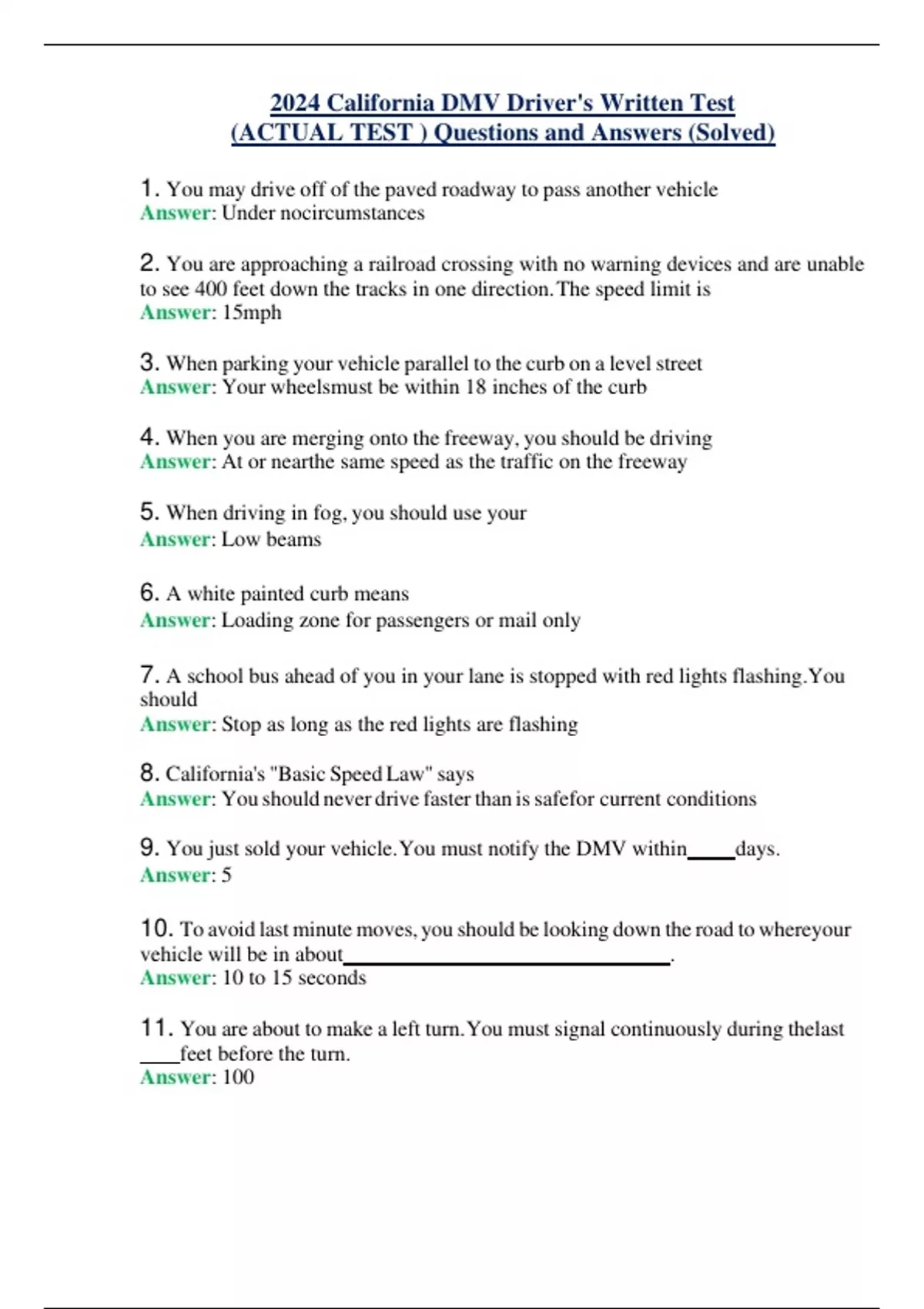
Deconstructing the DMV Written Exam: The Knowledge Test Explained
The DMV written exam, often referred to as the knowledge test, is designed to assess your understanding of California traffic laws, road signs, and safe driving practices. This fundamental assessment is a critical gateway to receiving your provisional instruction permit, which is necessary before you can even contemplate the practical driving test. For any traveler or prospective resident, mastering this initial stage is non-negotiable for unlocking the full potential of exploration within the Golden State.
Number of Questions and Passing Score
The standard California driving test for a Class C license (the most common type, for non-commercial vehicles) consists of 36 questions. To pass this essential examination, applicants must correctly answer at least 30 questions, which translates to a passing score of approximately 83.3%. While this might seem straightforward, the questions cover a wide array of topics, demanding thorough preparation beyond just common sense. For those under 18, an additional 46-question test is administered, requiring 38 correct answers. However, for most adult travelers and new residents, the 36-question format is what they will encounter. Each question is typically multiple-choice, often presenting scenarios or asking for specific rules regarding signs and regulations.
Key Areas of Focus for Travelers
Understanding the core subjects of the written test is particularly beneficial for travelers who may be accustomed to different driving norms. The California DMV emphasizes several key areas:
- Traffic Laws and Rules of the Road: This includes right-of-way rules, speed limits in various zones (e.g., residential, school, highway), lane usage, turning regulations, and laws pertaining to pedestrians and bicyclists. California’s intricate freeway system and diverse urban landscapes necessitate a solid grasp of these rules to ensure smooth and safe navigation.
- Road Signs and Markings: The ability to instantly recognize and interpret standard road signs (regulatory, warning, guide) and pavement markings is crucial for safe travel, especially when encountering unfamiliar roads or complex intersections in cities like San Francisco or Los Angeles.
- Safe Driving Practices: Beyond mere adherence to laws, the test assesses understanding of defensive driving techniques, impaired driving risks, sharing the road with various users, and emergency procedures. This knowledge is vital for navigating diverse California environments, from congested city streets to winding mountain roads.
- Vehicle Operation and Maintenance Basics: While not heavily emphasized, a basic understanding of vehicle safety features and maintenance checks is sometimes included, relevant for anyone renting a car for a road trip.
Preparing for Success: Study Resources
To ensure success and to gain a comprehensive understanding of California’s driving environment, two primary resources are indispensable:
- The California Driver Handbook: This official publication, available online for free through the DMV website, is the single most authoritative source for all information covered on the written test. It’s imperative to read this handbook thoroughly, paying close attention to sections on traffic laws, road signs, and safe driving practices. Many find it helpful to focus on specific chapters relevant to the types of driving they anticipate doing in California.
- Online Practice Tests: Numerous websites, including the official DMV site and third-party platforms, offer free practice tests designed to simulate the actual exam. These practice tests are invaluable for familiarizing yourself with the format of the questions, identifying areas where further study is needed, and building confidence. Taking multiple practice tests under timed conditions can significantly improve your chances of passing on the first attempt.
Beyond the Written Test: The Practical Driving Exam
While the focus of this discussion is the written exam, it’s important to acknowledge that passing the knowledge test is merely the first step. The subsequent practical driving test, also known as the behind-the-wheel exam, evaluates your ability to apply the learned rules in real-world scenarios. This test is crucial for demonstrating that you can safely operate a vehicle and navigate California’s diverse road conditions. For travelers, especially those planning to rent vehicles for extensive tours, proving practical competence is as vital as theoretical knowledge.
What to Expect on Test Day

On the day of your driving test, a DMV examiner will accompany you. They will assess your ability to perform various maneuvers, follow traffic laws, and demonstrate safe driving habits. Key elements include:
- Vehicle Inspection: Before starting, your vehicle will undergo a safety check, ensuring working lights, horn, brakes, and mirrors.
- Basic Maneuvers: You’ll be asked to perform fundamental actions like turns, lane changes, parking (often parallel parking or backing up), and demonstrating proper use of signals.
- Following Instructions: The examiner will provide clear directions, and your ability to follow them safely and efficiently will be evaluated. This includes navigating through intersections, obeying speed limits, and yielding the right-of-way.
Common Mistakes to Avoid
Travelers often overlook nuances specific to California driving. Common mistakes that can lead to failure include:
- Not checking blind spots: Crucial for safe lane changes on multi-lane highways.
- Improper speed control: Driving too slow or too fast for conditions.
- Failure to stop completely: At stop signs or red lights before turning right.
- Nervousness leading to errors: Practice driving in various conditions to build confidence.
Why a California License Enhances Your Travel Experience
Obtaining a California driver’s license goes far beyond a simple legal requirement; it significantly enhances the depth and breadth of your travel experiences within the state. It provides a level of freedom and authenticity that simply isn’t possible through public transportation or ride-sharing services alone.
Freedom to Explore Iconic Destinations
A California license is your passport to unparalleled exploration. Imagine spontaneously driving the legendary Pacific Coast Highway, pulling over at breathtaking overlooks, or veering off to discover charming coastal towns. With your license, you can venture into the serene majesty of Yosemite National Park, the stark beauty of Death Valley, or the ancient groves of Sequoia National Park on your own schedule. This independence allows for truly personalized itineraries, enabling you to discover hidden gems and local favorites that guidebooks might miss. It means setting your own pace, lingering longer at places that captivate you, and easily adapting to weather changes or spontaneous detours.
Practicalities for Visitors and New Residents
Beyond the romantic notion of road trips, a local license offers significant practical benefits. For long-term visitors or those relocating, a California driver’s license often simplifies vehicle rentals, as some agencies prefer or require a local license for certain vehicle classes or extended rental periods. It also serves as a primary form of identification, widely accepted for various transactions, from checking into hotels to age verification, reducing the need to carry your passport or home country’s driver’s license, which can be less convenient and riskier to lose. Furthermore, navigating local infrastructure, from residential streets to parking regulations, becomes more intuitive with the knowledge gained from the licensing process.
Long-Term Benefits for a California Lifestyle
For those planning to make California their home, the driver’s license is fundamental to integrating into the local lifestyle. Public transportation, while present in major urban centers, often falls short in covering the vast distances and suburban sprawl characteristic of the state. A license empowers you to commute efficiently, run errands, explore job opportunities beyond immediate neighborhoods, and fully engage with community life. It symbolizes a commitment to and integration with the California way of life, where personal mobility is often key to enjoying everything the state has to offer, from weekend getaways to daily routines.
Mastering the Road: Tips for New California Drivers
Passing the tests is just the beginning. Becoming a truly skilled and confident California driver involves continuous learning and adapting to the unique driving conditions found across the state.
- Practice Defensive Driving: Always anticipate the actions of other drivers, especially in congested areas. California roads can be busy and fast-paced.
- Understand Lane Discipline: Pay attention to carpool lanes (HOV lanes), exit-only lanes, and the rules for merging onto freeways.
- Be Aware of Climate Zones: Driving conditions can vary dramatically, from dense fog on the coast to heavy rain in winter, and extreme heat in deserts. Adjust your driving accordingly.
- Respect Environmental Factors: Be mindful of wildlife in rural areas, and always check for bicyclists and pedestrians, especially in urban environments and along popular tourist routes.
- Stay Updated: Traffic laws can change. Periodically review the California Driver Handbook for updates.
By thoroughly preparing for the written exam, understanding its structure, and committing to safe driving practices, you not only ensure your ability to pass but also equip yourself with the essential knowledge to confidently and safely explore all the magnificent destinations California has to offer. The 36 questions on the DMV test are more than just a hurdle; they are the foundation for countless unforgettable journeys.
LifeOutOfTheBox is a participant in the Amazon Services LLC Associates Program, an affiliate advertising program designed to provide a means for sites to earn advertising fees by advertising and linking to Amazon.com. Amazon, the Amazon logo, AmazonSupply, and the AmazonSupply logo are trademarks of Amazon.com, Inc. or its affiliates. As an Amazon Associate we earn affiliate commissions from qualifying purchases.