
The dynamic landscape of real estate in California is a subject of immense interest, not only for those looking to buy or sell property but also for anyone considering a long-term stay or investment in the Golden State. A critical component of this vibrant market is the sheer number of licensed real estate agents and brokers who facilitate countless transactions every year. Understanding the scale of this professional community provides invaluable insights into market access, competition, and the overall health of California’s accommodation sector.
The Dynamic Landscape of Real Estate in California
California boasts one of the most active and diverse real estate markets in the United States. From the bustling urban centers of Los Angeles and San Francisco to the sprawling suburbs, agricultural regions, and coastal communities, the demand for varied forms of accommodation—whether luxury homes, rental apartments, investment properties, or vacation rentals for extended stays—drives a robust industry. This high demand, coupled with fluctuating market conditions influenced by economic trends, population growth, and housing policies, necessitates a substantial workforce of licensed professionals.

The state’s allure, defined by its economic opportunities, diverse culture, and natural beauty, continually attracts new residents and investors. This constant influx and outflow, alongside internal migration patterns, ensure a perpetual need for expert guidance in navigating property acquisition, leasing, and disposition. Consequently, the real estate profession here is not just a job; it’s a fundamental pillar supporting the housing and accommodation needs of millions.
Unpacking the Numbers: Current Agent Statistics
Pinpointing an exact, real-time figure for the number of active real estate agents in California can be challenging due to the dynamic nature of licensing and professional affiliations. However, reliable data from official sources provides a clear picture of the vastness of this professional cohort. The primary regulatory body, the California Department of Real Estate (DRE), is responsible for licensing real estate brokers and salespersons.
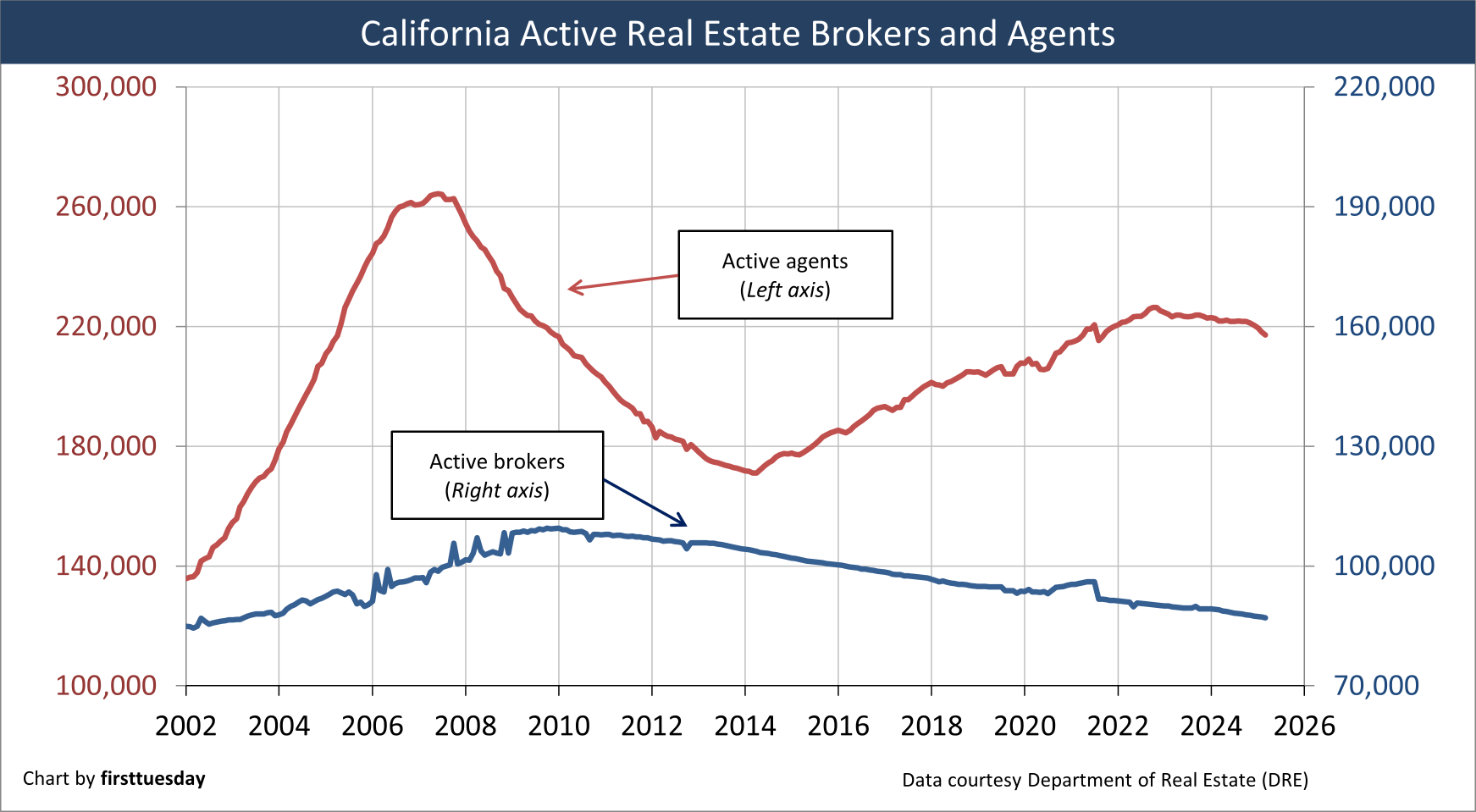
Historically, the DRE reports show that the number of licensed real estate agents and brokers in California has often exceeded 400,000, and at times has even approached half a million. For instance, in recent years, active licenses have consistently hovered in the range of 400,000 to 450,000. These numbers include both salespersons (who work under a licensed broker) and brokers (who can operate independently and employ salespersons).
Factors Influencing Agent Count
Several factors contribute to these figures and their fluctuations:
- Market Health: During boom cycles, more individuals are often drawn to the profession, anticipating lucrative opportunities. Conversely, market downturns can lead to some agents leaving the industry or allowing their licenses to lapse.
- Economic Conditions: General economic prosperity or recession directly impacts consumer confidence and the willingness to engage in significant property transactions, thus influencing the demand for agents.
- Barriers to Entry: While obtaining a real estate license in California requires specific education, examination, and ethical standards, the process is accessible, contributing to a consistently large pool of licensed individuals.
- Population and Development: As California’s population grows and development continues, the need for agents to handle new constructions, resales, and rentals naturally increases.
Membership in professional associations like the California Association of Realtors (CAR), which is affiliated with the National Association of Realtors (NAR), also offers insights. While not all licensed agents are members of CAR, its membership numbers, often over 200,000, indicate a substantial proportion of active and engaged professionals. This suggests that while hundreds of thousands hold licenses, a significant core are actively practicing and committed to ongoing professional development.
The Role of Agents in California’s Accommodation Market
Real estate agents in California play a multifaceted role in the broader accommodation market. Their expertise extends far beyond simply opening doors to properties. They are essential navigators for individuals and families seeking long-term accommodation, whether through purchase or rental.
Facilitating Purchases and Sales
For those looking to secure permanent or long-term residences, agents act as crucial intermediaries. Buyer’s agents help clients identify suitable properties, negotiate prices, manage inspections, and guide them through complex escrow processes. Seller’s agents assist in pricing homes correctly, marketing them effectively, staging properties, and handling offers to ensure a smooth sale. Given California’s often competitive and high-value market, professional representation is almost a necessity for most transactions.
Supporting the Rental Market
While often associated with sales, real estate agents and brokers are also deeply involved in the long-term rental market. They help landlords find qualified tenants, manage lease agreements, and handle property management duties for investors. For renters, especially in dense urban areas like San Francisco or San Diego where the market is tight, agents can provide access to listings, negotiate lease terms, and ensure compliance with California’s robust tenant protection laws. This aspect of their work is vital for providing continuous accommodation options to a diverse population, including students, professionals on temporary assignments, and families seeking flexibility.
Specializations and Niche Markets
The large number of agents in California also allows for significant specialization. Agents may focus on:
- Luxury Properties: Catering to high-net-worth individuals seeking premium accommodation in areas like Beverly Hills or Palo Alto.
- First-Time Homebuyers: Guiding new entrants through the often daunting process of their initial home purchase.
- Investment Properties: Assisting clients in acquiring properties for rental income or capital appreciation.
- Commercial Real Estate: Handling properties for business accommodation, including offices, retail spaces, and industrial units, which are crucial for California’s economy.
- Rural or Agricultural Properties: Serving unique accommodation needs in less urbanized regions.
This breadth of specialization ensures that nearly every conceivable accommodation need within the state can be met by a knowledgeable professional.
Navigating the Market: What the Agent Count Means for You
The sheer number of real estate agents in California has significant implications for anyone interacting with the accommodation market, whether as a buyer, seller, or renter.
For Buyers and Renters
A large pool of agents generally means more options for representation. This can translate into better service, as agents compete for clients by offering superior expertise, responsiveness, and marketing strategies. It also means that finding an agent who specializes in your specific needs—be it a particular neighborhood in Sacramento, a certain property type in Silicon Valley, or a focus on sustainable housing—is more probable. However, it also requires diligence in vetting potential agents to ensure they possess the necessary experience and ethical standing.
For Sellers and Landlords
For those listing properties, the abundance of agents means robust competition to secure listings. This can be advantageous, as agents may offer more aggressive marketing plans, better staging advice, or more flexible commission structures to win your business. A dense agent population also ensures a wider network for exposure, potentially leading to faster sales or rentals and better prices.
Market Competitiveness and Professionalism
The high number of agents fosters a highly competitive environment. This competition, while sometimes intense, generally benefits consumers by driving up the standard of professionalism and service. Agents are motivated to stay current with market trends, legal developments, and technological advancements to remain competitive. This continuous evolution of skills and services is crucial in California’s complex regulatory and market landscape.
Future Trends and the Evolving Real Estate Profession
The real estate profession in California is continually evolving, influenced by technology, changing consumer expectations, and economic shifts. These trends will likely impact the number and role of agents in the coming years.
Technological Integration
Digital platforms, virtual tours, AI-driven market analysis, and online transaction management tools are transforming how real estate business is conducted. While these technologies streamline processes and empower consumers with more information, they also demand that agents adapt, becoming tech-savvy consultants rather than just gatekeepers of information. The most successful agents will be those who leverage technology to enhance their service, not replace their personal touch.
Shifting Consumer Expectations
Today’s buyers and renters expect speed, transparency, and personalized service. Agents who can provide a seamless, efficient, and highly tailored experience will continue to thrive. This might lead to a greater emphasis on specialized niches and concierge-level services.

Economic and Housing Policy Impacts
California’s ongoing housing affordability crisis and efforts to increase housing supply will undoubtedly shape the real estate market. New legislation, zoning changes, and investment in affordable housing initiatives could alter the types of properties available and the demands placed on agents. This adaptability to policy changes and market shifts will be a defining characteristic of successful agents.
In conclusion, the substantial number of licensed real estate agents in California—well over 400,000—underscores the state’s vibrant and complex accommodation market. These professionals are indispensable to facilitating long-term stays, property ownership, and investment, serving as crucial guides through a competitive and dynamic landscape. As the industry continues to evolve, their role will remain central to meeting the diverse housing needs of the state’s population.
LifeOutOfTheBox is a participant in the Amazon Services LLC Associates Program, an affiliate advertising program designed to provide a means for sites to earn advertising fees by advertising and linking to Amazon.com. Amazon, the Amazon logo, AmazonSupply, and the AmazonSupply logo are trademarks of Amazon.com, Inc. or its affiliates. As an Amazon Associate we earn affiliate commissions from qualifying purchases.