
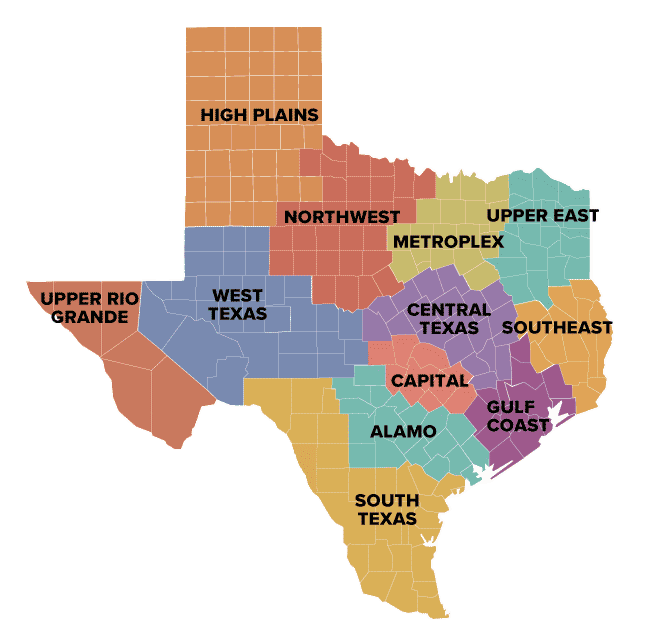
Texas, a state renowned for its vast size and diverse landscapes, often prompts questions about its geographical divisions. While there isn’t a single, universally agreed-upon number of “regions” in Texas, understanding the state’s multifarious divisions is key to appreciating its distinct cultural, economic, and environmental characteristics. These divisions can be conceptual, practical, or based on specific industries, each offering a unique lens through which to view the Lone Star State. For travelers, understanding these regional nuances can significantly enhance an exploration of Texas, revealing the rich tapestry of experiences available from the Piney Woods of East Texas to the arid beauty of West Texas.
Understanding Texas’s Geographic and Cultural Divides
Texas’s sheer scale is the primary driver behind its perceived regionality. The distance between El Paso and Beaumont, for instance, is greater than the distance between New York City and Chicago. This immense expanse has fostered distinct identities, economies, and even dialects across the state. While official administrative boundaries like counties and congressional districts exist, the informal “regions” are more fluid and often encompass multiple cities and geographical features. These informal regions are crucial for tourism, as they highlight areas with unique attractions, from the historical significance of San Antonio to the vibrant music scene of Austin and the coastal charm of Galveston.
The Seven Primary Regions Often Discussed
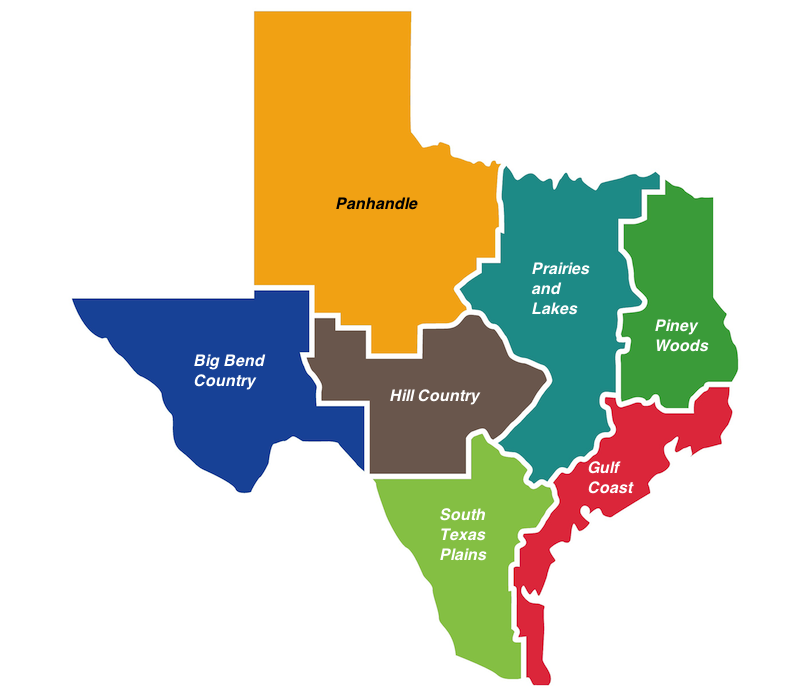
To simplify the understanding of Texas’s diverse makeup, several models have emerged, often dividing the state into seven key regions. These divisions are not rigid but serve as useful frameworks for exploring the state’s varied character.
1. The Panhandle and High Plains
This northernmost region is characterized by vast, flat plains, agricultural dominance, and a strong connection to the oil and gas industry. It’s a land of wide-open spaces, home to cities like Amarillo, famous for the Cadillac Ranch and the Big Texan Steak Ranch, and Lubbock, a hub for country music and higher education. The landscape here is starkly beautiful, with wind farms dotting the horizon and a sense of solitude that appeals to those seeking a more remote experience. For travelers, this region offers a glimpse into the heart of Texas agriculture and a unique brand of Western resilience.
2. West Texas
Stretching across the western third of the state, West Texas is defined by its rugged desert landscapes, mountains, and rich history. El Paso, situated on the border with Mexico, offers a distinct blend of Texan and Mexican cultures. Further north, the Guadalupe Mountains National Park boasts the highest point in Texas, Guadalupe Peak, offering challenging hikes and breathtaking vistas. This region is also known for its vibrant art scene in Marfa, which has attracted artists and cultural enthusiasts from around the globe, and the historic town of Fort Davis. The remoteness and dramatic scenery make West Texas a destination for adventure seekers and those looking for an off-the-beaten-path experience.
3. The Edwards Plateau and Hill Country
Nestled in Central Texas, the Texas Hill Country is a picturesque region characterized by rolling hills, clear rivers, and a proliferation of wildflowers, especially bluebonnets in the spring. Cities like Fredericksburg, founded by German immigrants, offer a unique cultural heritage with wineries, German bakeries, and historical sites. San Antonio sits on the eastern edge of the Hill Country, its iconic Alamo and Riverwalk drawing millions of visitors. This region is a popular destination for its natural beauty, outdoor activities like tubing and hiking, and its charming small towns.
4. North Texas
Dominated by the sprawling Dallas-Fort Worth Metroplex, this region is the economic and cultural heart of Texas. Dallas is a global center for business and finance, with world-class museums like the Dallas Museum of Art and significant historical sites like the Sixth Floor Museum at Dealey Plaza. Fort Worth offers a more Western heritage, evident in the Stockyards National Historic District, where daily cattle drives still take place. Beyond the metroplex, North Texas includes agricultural areas and smaller cities, but its identity is largely shaped by its urban core, which is a major draw for business and leisure travelers alike.
5. East Texas
Known as the Piney Woods, this region is a stark contrast to the arid West. Covered in dense forests, rolling hills, and abundant water sources, East Texas has a humid subtropical climate and a landscape more akin to the Deep South. Cities like Tyler, famous for its rose gardens, and Nacogdoches, the oldest town in Texas, offer a glimpse into the region’s history and natural beauty. The region’s timber industry has historically shaped its economy, and its forests provide opportunities for outdoor recreation, including hunting, fishing, and hiking in parks like Big Thicket National Preserve.
6. Central Texas
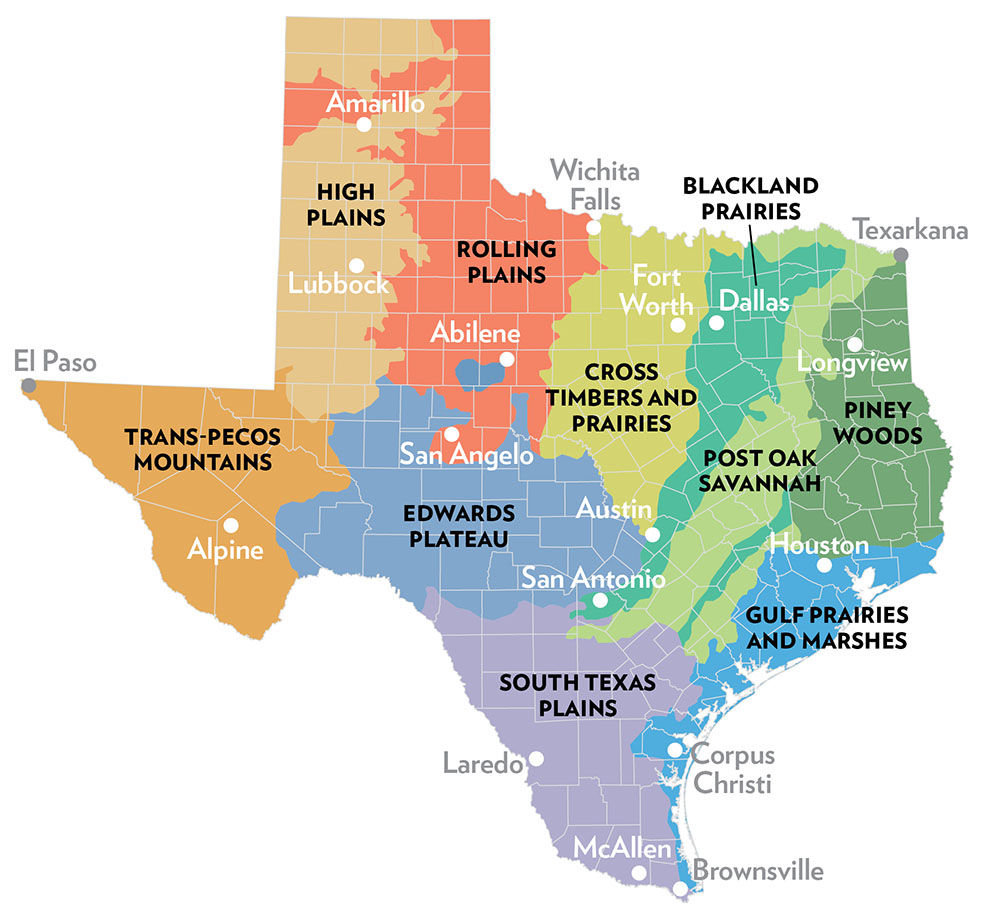
Often overlapping with the Hill Country, Central Texas is a dynamic area that includes the state capital, Austin. Known as the “Live Music Capital of the World,” Austin is a vibrant hub of culture, technology, and outdoor living, with its famed Barton Springs Pool and Lady Bird Lake. This region is characterized by its burgeoning tech industry, a thriving food scene, and a commitment to preserving its unique cultural identity. The integration of urban energy with natural beauty makes Central Texas a compelling destination for a diverse range of visitors.
7. The Gulf Coast
Stretching along the Texas Gulf Coast, this region is defined by its beaches, ports, and vibrant maritime culture. Cities like Houston, a major international port and the fourth-largest city in the United States, offer a wealth of attractions, including the Space Center Houston and a diverse culinary landscape. Further down the coast, Galveston offers historic architecture, beaches, and a nostalgic charm. Corpus Christi, home to the Texas State Aquarium and the USS Lexington, is another popular destination for its coastal activities and marine life. The Gulf Coast is a vital economic region, heavily influenced by the oil and gas industry and international trade, but it also provides a significant recreational playground for tourists.
Beyond the Seven: Practical Regional Divisions for Travelers
While the seven-region model provides a broad overview, travelers might find it more useful to think about Texas in terms of broader geographical and cultural characteristics that inform travel experiences. These are often less about strict boundaries and more about the prevailing atmosphere, attractions, and activities one can expect.
The “Big Four” Urban Centers and Their Influence
Four major metropolitan areas dominate the Texas landscape and are often considered distinct travel destinations in themselves:
- Houston: A sprawling metropolis known for its world-class museums, diverse culinary scene, and the iconic Space Center Houston. It’s a hub for international business, space exploration, and a rich tapestry of cultures.
- Dallas: A sophisticated urban center with a strong emphasis on arts, culture, and business. Its attractions include the Dallas Arts District, the Sixth Floor Museum, and a vibrant shopping and dining scene.
- San Antonio: A city steeped in history, most famously for the Alamo and the enchanting Riverwalk. Its strong Spanish and Mexican heritage is evident in its architecture, cuisine, and vibrant festivals.
- Austin: The state capital, renowned for its live music, eclectic culture, and outdoor recreation. It’s a hub for tech innovation and a youthful, energetic vibe, with abundant parks and trails.
These cities act as anchors for regional exploration, offering a wealth of accommodations, dining, and entertainment options that cater to a wide range of interests. They also serve as gateways to exploring the surrounding areas, which often retain a distinct character shaped by their proximity to these urban cores.
The Rural and Wild West Experience
For those seeking a more untamed and adventurous Texas, the vast rural expanses and the rugged beauty of West Texas and the Panhandle beckon. This is where the iconic imagery of cowboys, open ranges, and dramatic natural formations comes to life.
- The Big Bend Country: This remote region in West Texas is dominated by Big Bend National Park, a vast wilderness of mountains, desert, and the Rio Grande. It’s a destination for serious hikers, stargazers, and those seeking profound solitude and natural beauty.
- The Panhandle Plains: Beyond the cities, this region offers a glimpse into America’s agricultural heartland. Towns like Pampa and Childress retain a strong connection to ranching and farming, with a slower pace of life and a friendly, down-to-earth atmosphere.
Coastal and Lakeside Escapes
Texas’s extensive coastline and numerous lakes provide a different kind of regional appeal, focusing on water-based recreation and relaxation.
- The Texas Gulf Coast: From the lively beaches of Galveston to the more laid-back atmosphere of South Padre Island, the Gulf Coast offers a variety of beach towns, fishing opportunities, and a unique blend of Texan and Southern coastal culture.
- The Highland Lakes: In Central Texas, a chain of man-made lakes, including Lake Buchanan and Lake Travis, offers a paradise for boating, fishing, and water sports. Towns surrounding these lakes, like Marble Falls and Burnet, provide charming accommodations and a relaxed lakeside lifestyle.
Conclusion: A State of Regions
Ultimately, the question of “how many regions” in Texas is less about a definitive count and more about appreciating the state’s incredible diversity. Whether you’re exploring the urban energy of the Dallas-Fort Worth Metroplex, the historic charm of San Antonio, the natural splendor of the Texas Hill Country, or the vast, rugged beauty of West Texas, each area offers a distinct facet of what makes Texas such a compelling and multifaceted destination. Understanding these regional variations allows for a richer, more informed, and profoundly rewarding travel experience across this immense and captivating state.
LifeOutOfTheBox is a participant in the Amazon Services LLC Associates Program, an affiliate advertising program designed to provide a means for sites to earn advertising fees by advertising and linking to Amazon.com. Amazon, the Amazon logo, AmazonSupply, and the AmazonSupply logo are trademarks of Amazon.com, Inc. or its affiliates. As an Amazon Associate we earn affiliate commissions from qualifying purchases.