
The Sunshine State, a perennial battleground in American politics, is home to a vast and diverse electorate. Understanding the number of registered voters in Florida is not just a matter of demographic curiosity; it’s a crucial indicator for anyone interested in the state’s political landscape, its upcoming elections, and the sheer scale of its civic engagement. This figure fluctuates, influenced by voter registration drives, population growth, and changes in residency, making it a dynamic metric that reflects the evolving composition of Florida’s populace.
The Evolving Landscape of Florida’s Electorate
Florida’s voter rolls are a testament to its status as a major destination for movers and a rapidly growing state. Historically, the state has seen significant in-migration from across the United States and beyond, bringing new perspectives and political leanings. This constant influx contributes to the fluid nature of voter registration numbers. Analyzing these numbers provides insights into demographic shifts, such as the aging population in certain regions and the increasing diversity in urban centers like Miami and Orlando. The sheer volume of voters in Florida means that even minor percentage shifts can translate into thousands, or even tens of thousands, of votes, impacting election outcomes significantly.
Key Demographics and Their Impact
The composition of Florida’s registered voters is complex and multifaceted. The state is known for its significant populations of retirees, particularly in communities like The Villages, whose voting patterns can differ from those of younger demographics. Furthermore, Florida has a substantial Hispanic and Latino population, with diverse origins and political affiliations that play a critical role in elections, especially in counties such as Miami-Dade and Hillsborough. The African American community also represents a significant voting bloc, with a strong presence in cities like Jacksonville and St. Petersburg. Understanding these demographic breakdowns is essential for comprehending the electoral dynamics of Florida.
Factors Influencing Registration Numbers
Several factors directly influence the number of registered voters in Florida. These include:
- Population Growth: As a popular retirement and relocation destination, Florida consistently experiences population growth, which naturally leads to an increase in the potential pool of registered voters.
- Voter Registration Drives: Political parties, advocacy groups, and election officials actively conduct registration drives, particularly in the months leading up to major elections, to capture new voters.
- Eligibility Changes: Factors such as individuals turning 18, new citizens naturalizing, and felons regaining voting rights (following recent constitutional amendments) all contribute to shifts in the eligible voting population.
- Voter Purges: Election officials periodically review voter rolls to remove individuals who have moved out of state, are deceased, or are otherwise ineligible, which can lead to a decrease in the reported number of registered voters. These purges are often a subject of political debate.
- Party Affiliation Shifts: While registration numbers reflect the total count, the distribution of voters among political parties (Republican, Democratic, Independent/No Party Affiliation) is also dynamic and crucial for predicting electoral outcomes.
Tracking Florida’s Voter Registration: Official Sources and Trends
To ascertain the most current figures for registered voters in Florida, one must consult official sources. The Florida Division of Elections is the primary body responsible for overseeing elections in the state. They regularly publish data on voter registration statistics, broken down by county, party affiliation, and demographic characteristics. These reports are invaluable for researchers, political analysts, and engaged citizens alike.
The Role of the Florida Division of Elections
The Florida Division of Elections, a part of the Florida Department of State, plays a pivotal role in maintaining accurate voter registration records. Their responsibilities include:
- Maintaining the Statewide Voter Registration System: This system ensures that voter information is consistent and accessible across all 67 counties.
- Providing Public Access to Data: The division makes voter registration statistics publicly available, often in downloadable formats, facilitating transparency and analysis.
- Overseeing Voter Registration Processes: They set guidelines and provide resources for county election supervisors to conduct voter registration effectively and efficiently.
- Publishing Election Results and Statistics: Beyond registration, they are instrumental in the tabulation and reporting of election outcomes, providing a complete picture of the electoral process.
Interpreting Registration Data
When examining voter registration data from Florida, it’s important to consider several nuances:
- Active vs. Inactive Voters: Registration rolls typically distinguish between active voters (those who have voted or updated their registration recently) and inactive voters (those who may have moved or whose registration has lapsed). The total number usually refers to active registered voters.
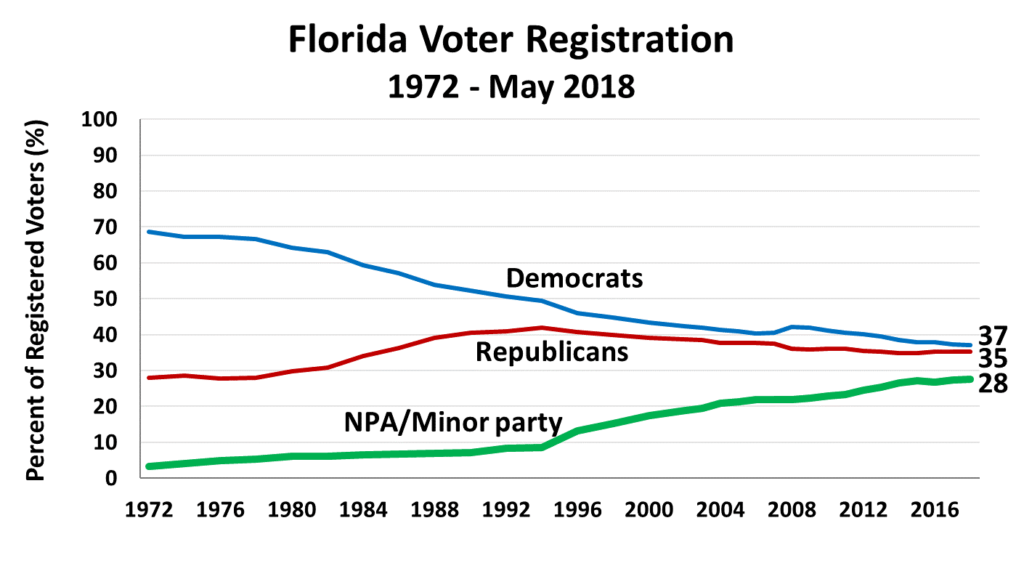
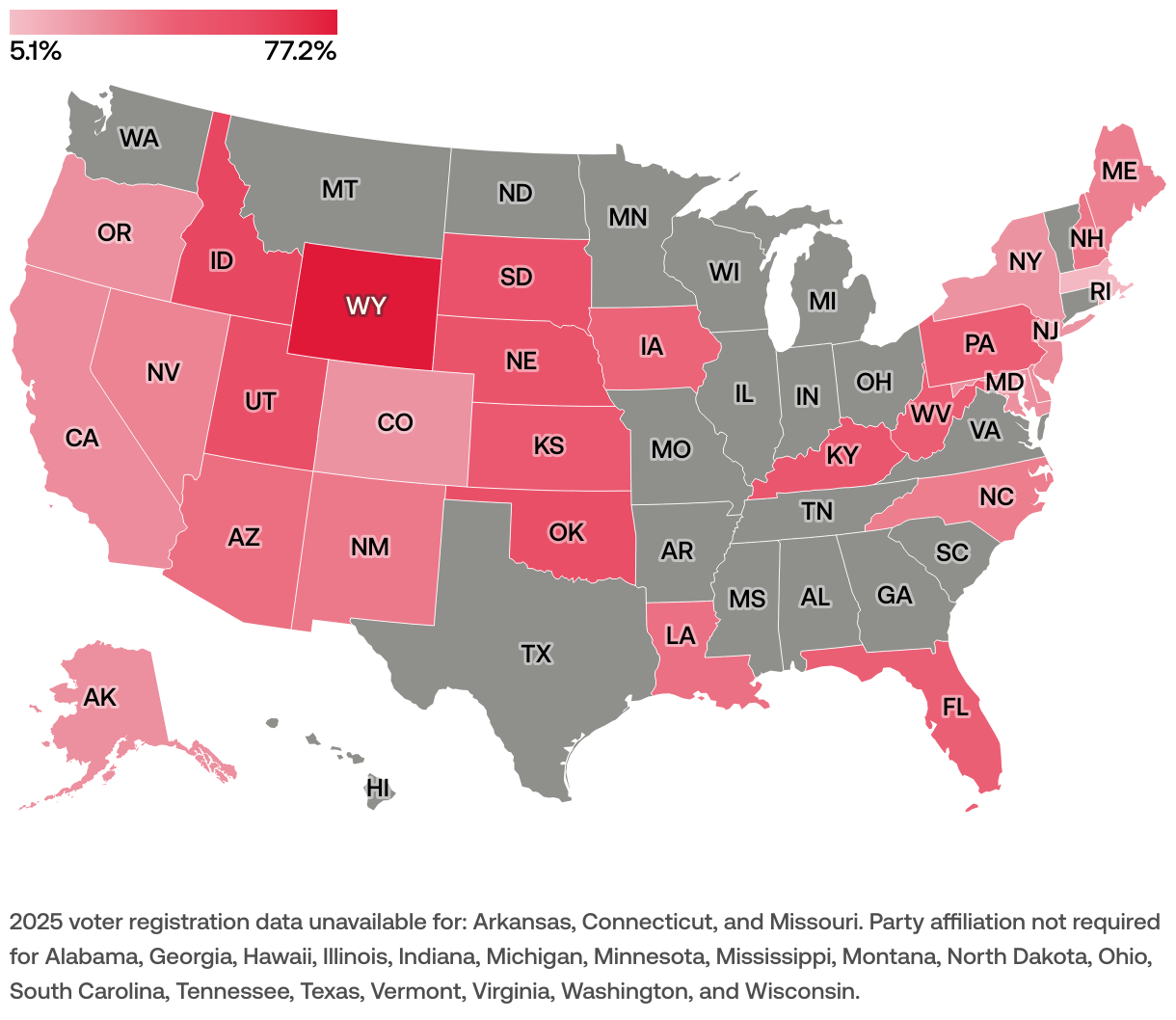
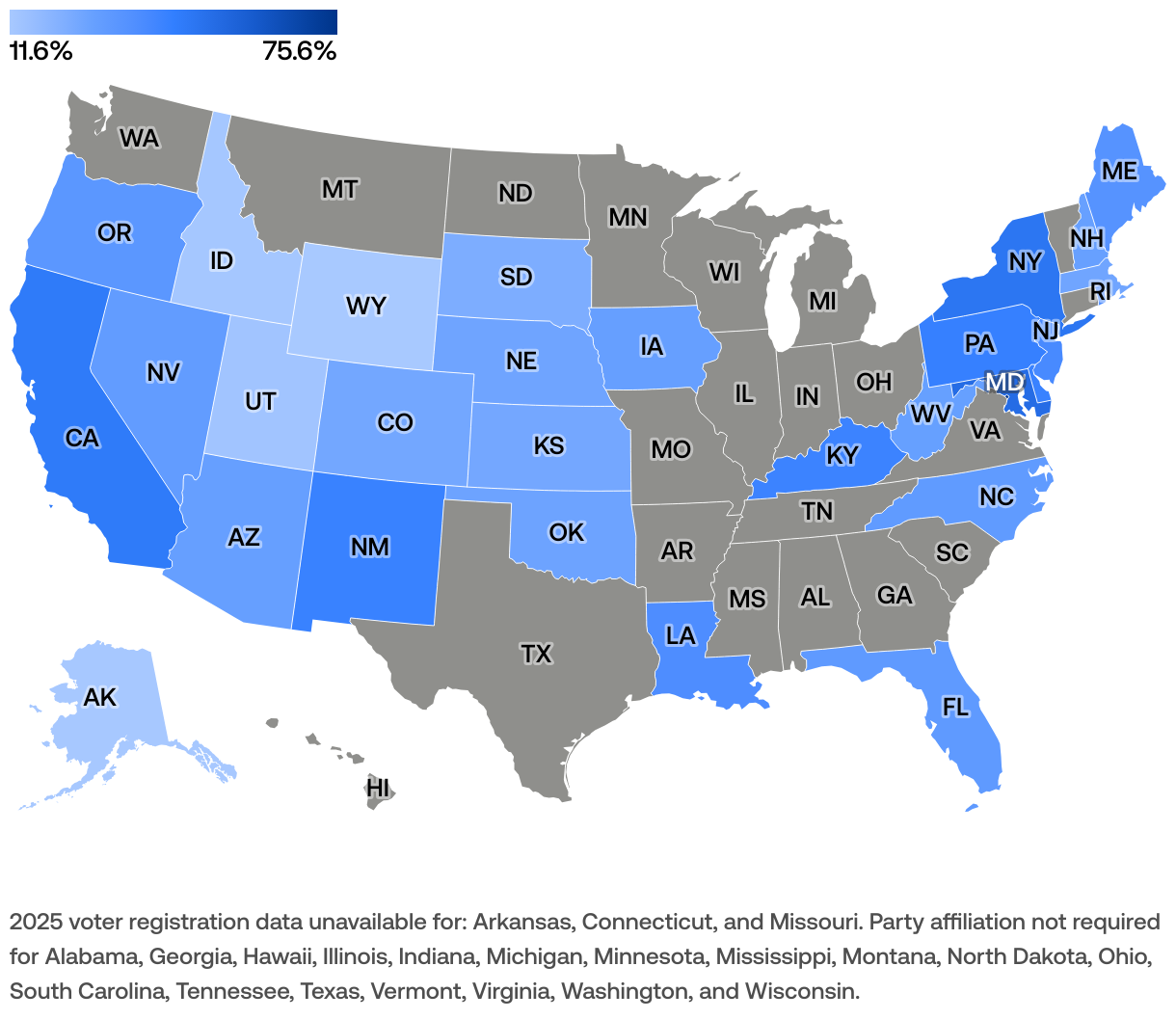
- Party Affiliation: The breakdown by party affiliation is critical. A high number of registered voters doesn’t automatically translate to a dominant party if the opposition is well-mobilized or if a significant portion of voters are unaffiliated.
- Geographic Distribution: Voter registration numbers vary dramatically by county. Large metropolitan areas like Miami-Dade will naturally have more registered voters than smaller, more rural counties. This geographic concentration is key to understanding regional political power.
- Trends Over Time: Observing trends in voter registration is more insightful than looking at a single snapshot. Are numbers increasing or decreasing? Is party affiliation shifting? These temporal analyses reveal deeper patterns.
The Significance of Voter Registration Numbers for the State
The number of registered voters in Florida holds immense significance for various aspects of the state and its political identity. It’s a powerful metric that influences campaign strategies, resource allocation, and ultimately, the direction of policy and governance.
Electoral Strategy and Campaigning
For political campaigns, the precise number of registered voters, and crucially, their party affiliations and geographic distribution, forms the bedrock of their strategy. Campaigns meticulously analyze this data to:
- Targeted Outreach: Identify key demographics and geographic areas where their message is most likely to resonate and where mobilizing voters is most critical.
- Resource Allocation: Determine where to invest time, money, and volunteer efforts for maximum impact, focusing on swing districts or areas with high concentrations of their target voters.
- Understanding the Electorate: Gain a comprehensive understanding of the voter pool they need to persuade or turn out on election day.
The sheer size of Florida’s registered voter base makes it a paramount concern for any national campaign aiming for the presidency, as the state’s electoral votes are highly coveted.
Policy Implications and Representation
The number and composition of registered voters directly influence the policies and representation that Florida residents experience. Politicians seeking election or re-election are acutely aware of the demands and priorities of the registered electorate. A larger and more diverse voter base can lead to:
- Increased Political Attention: Issues important to a larger group of voters are more likely to be addressed by elected officials.
- Shifting Political Platforms: As demographics change and voter registration reflects these shifts, political parties may adapt their platforms to appeal to emerging voter groups.
- Policy Debates: The composition of the electorate shapes the nature of policy debates, from healthcare and education to environmental regulations and economic development.
Economic and Social Factors
Beyond direct politics, voter registration figures can indirectly reflect broader social and economic trends. For instance, a surge in new registrations in a particular area might indicate economic growth attracting new residents, or a successful push to register underrepresented communities. Conversely, a decline in registrations might signal economic hardship or demographic shifts leading to out-migration. These numbers, therefore, are not static but are indicators of the dynamic social and economic fabric of Florida.
Staying Informed: Accessing Current Voter Registration Data
For those who wish to delve deeper into the specifics of Florida voter registration, accessing and understanding the data is straightforward. The official resources provide a wealth of information that can illuminate the state’s political landscape and its engaged citizenry.
Navigating Official Resources
The primary source for voter registration data in Florida is the Florida Division of Elections website. Here, users can typically find:
- Voter Registration Statistics Reports: These reports are often published monthly and provide a comprehensive overview of registered voters, including totals, party affiliations, and breakdowns by county.
- Data Download Options: For those who want to conduct their own analysis, many of these reports are available for download in formats such as CSV or Excel.
- Voter Registration FAQs: The site often includes frequently asked questions that can help users understand the terminology and methodology used in the reports.
The Importance of Up-to-Date Information
Given the dynamic nature of voter registration, it is crucial to consult the most recent data available. Election cycles, population movements, and ongoing registration efforts mean that numbers can change significantly from month to month. Staying informed with up-to-date figures ensures an accurate understanding of Florida’s electorate and its evolving political character. This is particularly important in the lead-up to major elections, where such data can provide critical insights into campaign strategies and potential outcomes.
LifeOutOfTheBox is a participant in the Amazon Services LLC Associates Program, an affiliate advertising program designed to provide a means for sites to earn advertising fees by advertising and linking to Amazon.com. Amazon, the Amazon logo, AmazonSupply, and the AmazonSupply logo are trademarks of Amazon.com, Inc. or its affiliates. As an Amazon Associate we earn affiliate commissions from qualifying purchases.