
Understanding the residential landscape of a city like Irvine, California, is crucial for anyone considering a long-term stay, relocation, or investment in accommodation. Irvine, renowned for its master-planned communities and high quality of life, presents a unique housing market that caters to a diverse population. While precise, real-time figures fluctuate due to ongoing development and market dynamics, an insightful analysis can illuminate the scope and types of residential houses available, offering a clearer picture for prospective residents.
Irvine’s Residential Landscape: A Snapshot
Irvine stands out as a carefully designed urban environment within Orange County. Its development has been meticulously guided by the Irvine Company, ensuring a consistent vision for residential areas, commercial hubs, and green spaces. This master-planned approach has significantly shaped the nature and quantity of housing units available across the city.

The Growth of a Master-Planned City
From its inception, Irvine was envisioned as a collection of villages, each with its own character, parks, and schools. This structured growth model has led to a controlled expansion of residential areas, balancing population density with open spaces and amenities. The city has experienced consistent growth since its incorporation in 1971, driven by its strong economy, educational institutions like the University of California, Irvine (UCI), and family-friendly environment. This continuous development means the number of residential units is always in flux, expanding to meet demand. The planned nature allows for an impressive array of housing types, from sprawling single-family homes to modern condominiums, integrated seamlessly into the urban fabric.
Defining “Residential House” in Irvine
When considering “residential houses,” it’s essential to clarify the definition within the context of Irvine‘s diverse housing market. The term can broadly refer to any dwelling unit where people live, but it’s often narrowed down to single-family detached homes. However, in a modern, growing city like Irvine, a significant portion of the housing stock comprises multi-family units such as townhomes, condominiums, and apartments.
- Single-Family Detached Homes: These are standalone houses, typically with a private yard, common in villages like Northwood, Woodbridge, and University Park.
- Townhomes: Attached or semi-attached units, often sharing walls with neighbors, but typically having individual entrances and sometimes small private outdoor spaces.
- Condominiums: Individual units within a larger building or complex, where residents own their unit and share ownership of common areas. These are prevalent in urban centers and newer developments.
- Apartments: Rental units within multi-story buildings, offering flexibility for short-term and long-term residents who prefer not to own.
For the purpose of estimating “residential houses,” it’s usually most informative to include all forms of housing units, as they all contribute to the overall accommodation capacity of the city.
Diving into the Numbers: Estimating Irvine’s Housing Stock
Pinpointing an exact, real-time figure for the total number of residential houses in Irvine is a dynamic challenge. Official counts are typically derived from decennial census data, city planning reports, and building permit records, which provide snapshots rather than continuous updates. However, by examining these sources and understanding Irvine’s’s growth patterns, we can develop a robust estimate and understand the factors influencing these numbers.
Official Census Data and City Planning Reports
The most comprehensive data often comes from the U.S. Census Bureau. As of the most recent census, Irvine typically reports housing unit counts that encompass all types of residential dwellings. Supplementing this, the City of Irvine’s Planning Department regularly publishes General Plan Housing Elements and annual reports that detail housing inventory, new construction, and future projections. These documents indicate a steady increase in housing units, reflecting Irvine’s continuous expansion. Given Irvine’s population hovering around 300,000 residents, and an average household size of approximately 2.6-2.8 people, a rough estimate of total housing units, including single-family homes, condos, and apartments, would typically fall in the range of 100,000 to 120,000 units. It’s crucial to note that these figures represent the total housing stock, not just single-family homes.
Factors Influencing Housing Unit Counts
Several factors constantly alter the total number of residential units in Irvine:
- New Construction: As a growing city, Irvine consistently sees new residential developments, adding hundreds, if not thousands, of units annually. Projects near The Great Park and other developing areas are significant contributors.
- Demolitions and Conversions: While less common than new construction, older structures may be demolished to make way for new developments, or commercial properties might be converted to residential, altering the count.
- Annexations: Irvine’s city limits have expanded over time, incorporating previously unincorporated areas of Orange County, thereby adding existing housing stock to its official count.

The Role of Multi-Family Dwellings
It is imperative to acknowledge the substantial role of multi-family dwellings in Irvine’s’s housing ecosystem. With a large student population from UCI and a significant workforce drawn to the area’s robust job market, there’s a high demand for apartments and condominiums. These units form a considerable portion of the city’s total residential supply, often offering more affordable or flexible accommodation options compared to single-family homes. Areas around the Irvine Spectrum Center and commercial districts have a high concentration of modern apartment complexes, catering to a dynamic, urban lifestyle.
The Diversity of Irvine’s Accommodation Options
Beyond the sheer numbers, the true insight into Irvine’s residential houses lies in their diversity. The city offers a spectrum of accommodation types, each designed to cater to different preferences, budgets, and life stages, making it a versatile choice for long-term stays.
Single-Family Homes: Neighborhoods and Styles
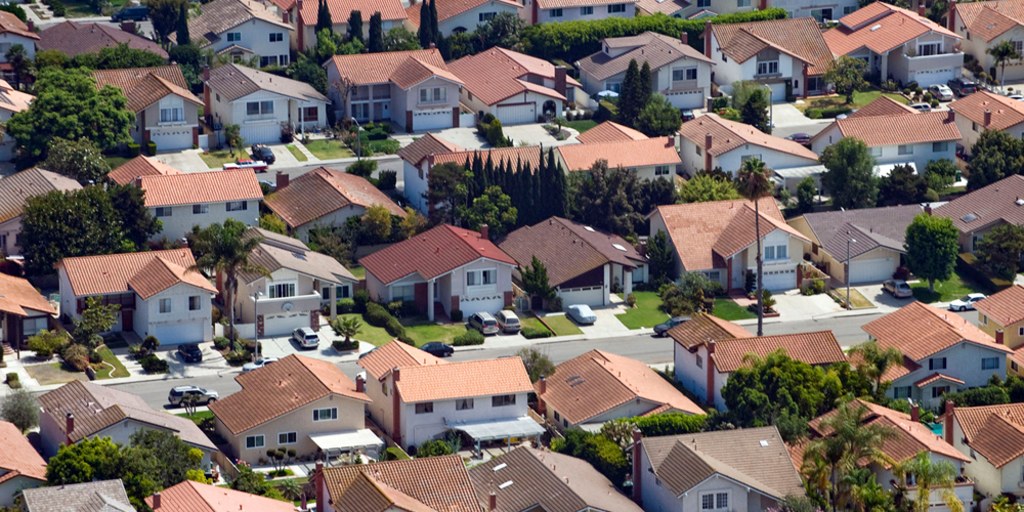
Irvine’s single-family homes are concentrated in its numerous planned villages. These homes typically range from traditional suburban layouts to more contemporary designs, often featuring spacious yards and access to community amenities like pools, parks, and tennis courts. Villages such as Northwood are known for their tree-lined streets and established family homes, while newer developments around The Great Park offer modern architecture and larger lots. The variety in style, age, and size means that prospective residents can find homes ranging from modest three-bedroom houses to expansive estates, often within highly-rated school districts.
Condominiums and Townhomes: Urban Living and Community Amenities
For those seeking a more compact living space with less maintenance, Irvine’s condominiums and townhomes present attractive options. These units are often found in denser areas, offering convenient access to commercial centers, dining, and entertainment. Many condominium complexes provide resort-style amenities, including fitness centers, clubhouses, and communal green spaces, appealing to young professionals, empty nesters, and smaller families. Examples can be found near UCI and the Irvine Spectrum Center, providing a vibrant, walkable environment. The attached nature of these homes means residents often benefit from shared costs for exterior maintenance and communal facilities, a significant consideration for long-term budgeting.
Rental Market Dynamics: Apartments and Housing for Lease
The rental market in Irvine is robust, fueled by its status as a major employment hub and academic center. Thousands of apartment units, ranging from studios to multi-bedroom layouts, are available across the city. Many apartment communities are full-service, offering extensive amenities, security, and proximity to major thoroughfares like the I-5 and 405 freeways, making commutes to John Wayne Airport or other Orange County cities convenient. Beyond dedicated apartment complexes, a significant number of single-family homes, townhomes, and condominiums are also available for lease, providing diverse options for those not ready or able to purchase a home. This dynamic rental market is a critical component of Irvine’s accommodation landscape, catering to temporary residents, students, and families looking for flexibility.
Implications for Residents and Long-Term Stays
The composition and quantity of residential houses in Irvine have profound implications for individuals and families considering making the city their long-term home. Understanding these dynamics is key to navigating the local accommodation market effectively.
Housing Supply and Demand: Impact on Affordability
Irvine’s’s reputation for excellent schools, safety, and economic opportunity consistently drives high demand for its residential properties. While the city’s master-planned approach aims to balance growth with infrastructure, the demand often outstrips the supply of new housing units. This dynamic influences both purchase prices and rental rates, making Irvine one of California’s more expensive places to live. Prospective long-term residents must factor this into their financial planning, recognizing that affordability can vary significantly depending on the type of housing and specific village chosen. However, the diverse range of accommodation, from luxury homes to more compact multi-family units, does offer various entry points into the market.
Choosing the Right Accommodation Type for Your Lifestyle
The extensive choice of residential houses in Irvine allows residents to select an accommodation type that perfectly aligns with their lifestyle and needs. Families often gravitate towards single-family homes in villages with top-rated schools and ample park space. Young professionals or students may prefer the convenience and amenities of modern apartments or condominiums near employment centers or UCI. Retirees might seek maintenance-free townhomes or condos that offer community living and easy access to recreational activities. The deliberate planning of Irvine ensures that, irrespective of the residential unit count, there’s a thoughtfully designed community for nearly every preference.
Future Development and Housing Projections
Irvine continues to evolve, with ongoing master plans for future residential and mixed-use developments. These plans are designed to accommodate continued population growth while maintaining the city’s high standards of living. Future housing projections indicate a continued emphasis on sustainable growth, smart communities, and a mix of housing types to cater to diverse demographics. Developments around The Great Park, for example, are poised to introduce thousands of new residential units in the coming years, ensuring that Irvine’s housing stock remains dynamic and responsive to the needs of its growing population. For anyone considering a long-term future in Irvine, keeping an eye on these future developments is crucial for understanding the evolving accommodation landscape.
LifeOutOfTheBox is a participant in the Amazon Services LLC Associates Program, an affiliate advertising program designed to provide a means for sites to earn advertising fees by advertising and linking to Amazon.com. Amazon, the Amazon logo, AmazonSupply, and the AmazonSupply logo are trademarks of Amazon.com, Inc. or its affiliates. As an Amazon Associate we earn affiliate commissions from qualifying purchases.