
The New York Marathon is more than just a race; it’s a global phenomenon, a vibrant tapestry woven with the dreams, sweat, and unwavering spirit of thousands of athletes. Each year, the streets of New York City transform into a magnificent stage for this iconic event, drawing participants from every corner of the planet. Understanding the sheer scale of this event, particularly the number of runners, offers a fascinating glimpse into its enduring appeal and logistical complexity. While the exact figure fluctuates annually, the general trend reveals a massive and consistently popular participation.
The Scale of the Spectacle: Elite Athletes and the Masses
The allure of the New York Marathon extends to both the world’s most elite runners and the passionate amateur athletes who train for years to achieve this ultimate goal. The number of participants is a carefully managed outcome of stringent application processes, charitable initiatives, and a deep-seated desire to conquer 26.2 miles through one of the world’s most dynamic urban landscapes.
Elite Fields: The Pinnacle of Competition
At the forefront of the New York Marathon are the elite athletes, a select group whose names are often synonymous with distance running. These are the individuals competing for prestigious titles, lucrative prize money, and the glory of etching their names in marathon history. The elite field, while a small fraction of the total runners, represents the pinnacle of athletic achievement and sets the tone for the entire event. Their participation underscores the race’s status as a major international sporting spectacle, attracting media attention and inspiring countless others.
The Journey of the Amateur Runner
Beyond the elite, the overwhelming majority of runners are amateurs, representing a diverse spectrum of backgrounds, ages, and motivations. For many, running the New York Marathon is a personal challenge, a once-in-a-lifetime achievement, or a means to support a charitable cause. The sheer volume of these participants is what truly defines the marathon’s character. Each runner carries their own story, their own training regimen, and their own reasons for embarking on this monumental journey.
Understanding the Numbers: Trends and Factors
Pinpointing an exact number for runners in the New York Marathon requires an understanding of the various factors that influence participation year after year. While general figures provide a broad picture, specific numbers can vary due to a confluence of elements.
Historical Participation Figures
Historically, the New York Marathon has seen robust participation numbers. In its early years, the numbers were considerably smaller, but as the race gained international recognition and its reputation grew, so did the number of hopeful entrants. The event has consistently attracted tens of thousands of runners, with peaks and troughs influenced by various global and logistical considerations. For instance, the devastating impact of Hurricane Sandy in 2012 led to the cancellation of that year’s race, a significant anomaly in its otherwise uninterrupted history. More recently, the COVID-19 pandemic also brought about changes and adjustments to the race’s scale and format.
The Application and Lottery System
The application process for the New York Marathon is highly competitive. Runners can gain entry through a variety of methods, including a general drawing (lottery), guaranteed entry programs, and fundraising for official charity partners. The lottery system is a significant determinant of the final number of participants. With hundreds of thousands of individuals vying for a limited number of spots, the demand far outstrips the supply, highlighting the race’s immense popularity. The odds of securing a spot through the lottery can vary annually, further influencing the overall applicant pool.
The Role of Charity Partners
A substantial portion of runners gain entry to the New York Marathon by running for one of the race’s official charity partners. These runners commit to raising a minimum amount of money for their chosen cause, transforming their personal challenge into a powerful fundraising endeavor. This pathway not only allows more individuals to participate but also generates millions of dollars for vital community initiatives and non-profit organizations across New York and beyond. The number of charity runners can significantly influence the total participant count, often providing a stable and substantial influx of runners even when general lottery numbers fluctuate.
The Modern Marathon: Registration, Numbers, and Impact
In recent years, the New York Marathon has consistently seen a number of finishers hovering around the 50,000 mark. While the number of registered runners might be slightly higher, accounting for potential withdrawals due to injury or other unforeseen circumstances, the finishers’ tally offers a definitive measure of those who successfully navigated the challenging course.
Recent Participation Statistics
Looking at recent editions of the New York Marathon provides a clear picture of current participation levels. For example, the 2023 New York City Marathon saw approximately 50,000 finishers. This figure is representative of the race’s consistent ability to attract a massive field, solidifying its position as one of the world’s largest and most prestigious marathons. The logistical undertaking to manage such a vast number of runners, volunteers, spectators, and support staff is immense, requiring meticulous planning by New York Road Runners, the organizing body.
The Economic and Cultural Ripple Effect
The sheer volume of runners in the New York Marathon has a profound economic and cultural impact on New York City. Thousands of participants, their friends, and families descend upon the city, filling hotels, dining in restaurants, and patronizing local businesses. This influx of visitors contributes significantly to the city’s economy, providing a welcome boost, particularly during the autumn season. Beyond the financial benefits, the marathon fosters a unique sense of community and shared experience, bringing together people from diverse backgrounds in a celebration of human endurance and spirit. The iconic route, winding through all five boroughs, showcases the city’s diverse neighborhoods and landmarks, offering participants and spectators alike an unparalleled urban adventure.
Preparing for the Challenge: The Runner’s Perspective
For any prospective runner considering the New York Marathon, understanding the numbers also provides context for the commitment required. It’s not just about registering; it’s about embarking on a journey of rigorous training, mental fortitude, and meticulous preparation.
The Training Regimen
The path to the New York Marathon for the average runner typically involves months, if not years, of dedicated training. This includes long-distance runs, speed work, strength training, and careful attention to nutrition and recovery. The commitment is substantial, requiring discipline and perseverance. Many runners join training groups or work with coaches to ensure they are adequately prepared for the physical and mental demands of the race. The iconic Central Park and the surrounding areas become a training ground for thousands of aspiring marathoners, from locals to international visitors who travel to New York specifically to train on the race course.

The Day of the Race: A City United
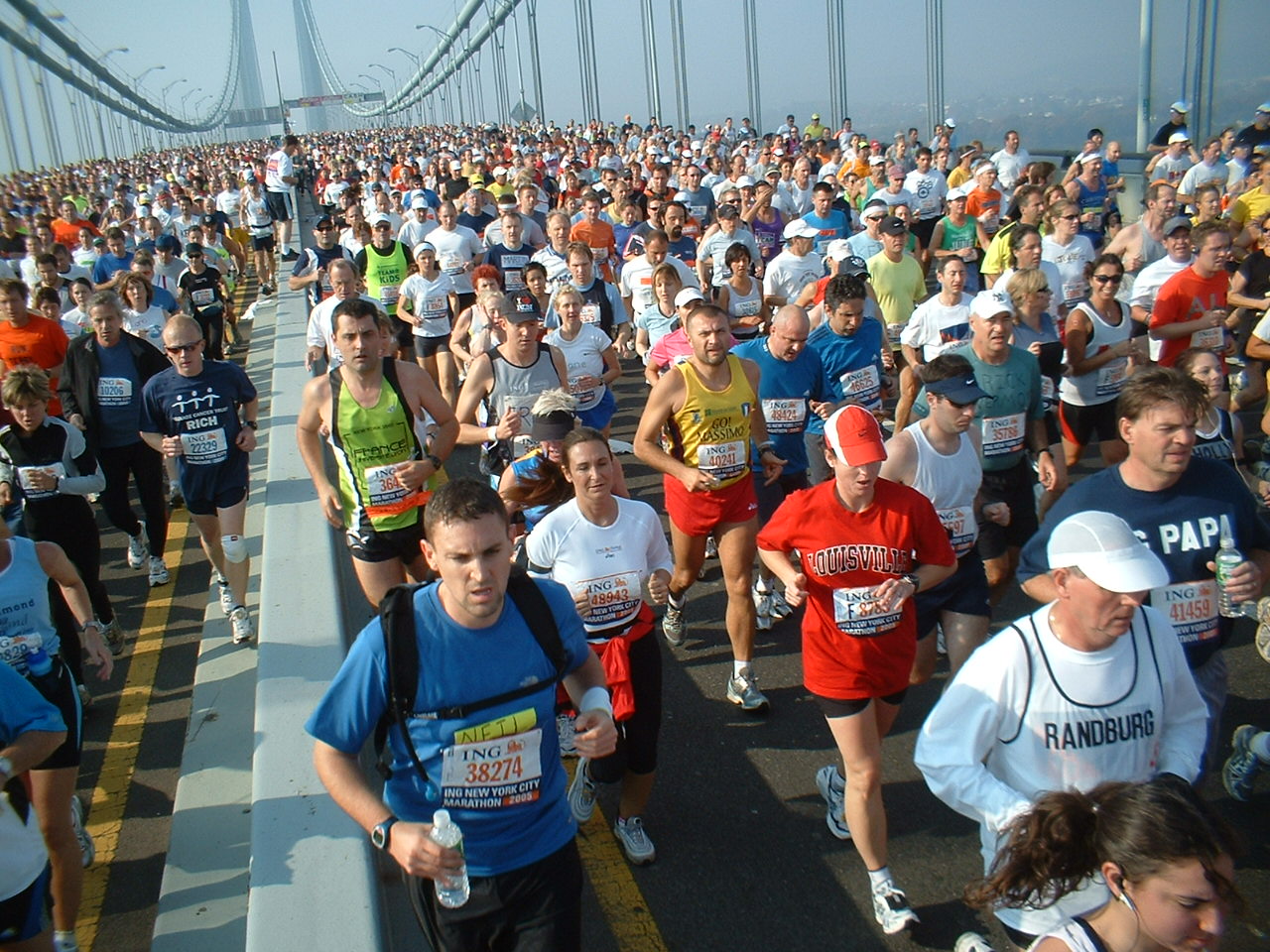
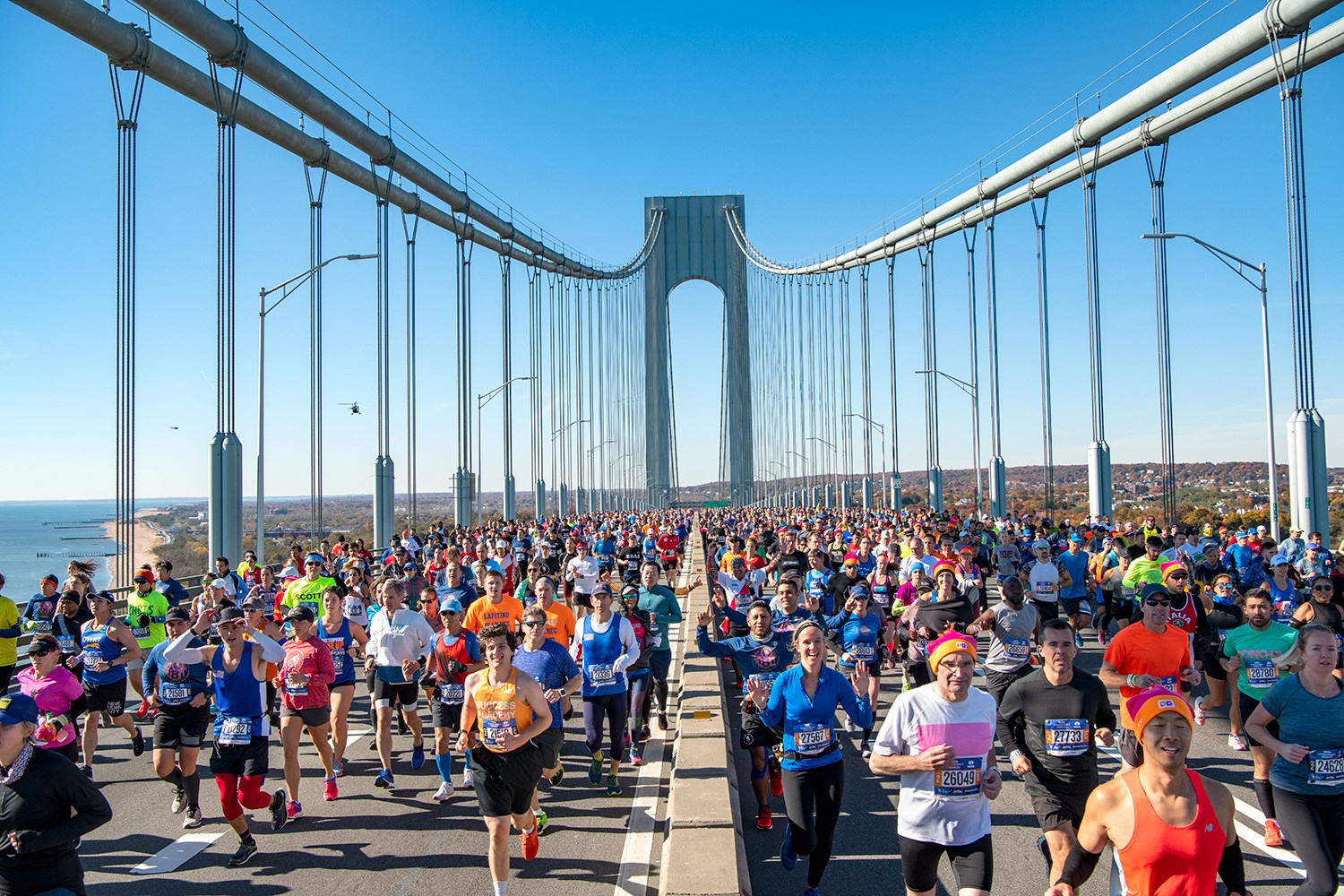
On race day, the energy in New York City is palpable. Millions of spectators line the streets, cheering on every runner, from the elite speedsters to those battling to finish. The course, which begins on Staten Island, crosses the Verrazzano-Narrows Bridge, and winds through Brooklyn, Queens, and The Bronx before culminating in Manhattan and Central Park, becomes a vibrant, moving spectacle. The sheer number of runners is a testament to the human spirit’s desire to achieve, to push boundaries, and to be part of something larger than oneself. Each finisher receives a medal, a symbol of their incredible accomplishment and a tangible reminder of their journey through the heart of the city. The presence of tens of thousands of runners transforms the urban landscape into a global celebration of sport and perseverance.
LifeOutOfTheBox is a participant in the Amazon Services LLC Associates Program, an affiliate advertising program designed to provide a means for sites to earn advertising fees by advertising and linking to Amazon.com. Amazon, the Amazon logo, AmazonSupply, and the AmazonSupply logo are trademarks of Amazon.com, Inc. or its affiliates. As an Amazon Associate we earn affiliate commissions from qualifying purchases.