
Florida, the beloved Sunshine State of the United States, beckons millions of travelers each year with its pristine beaches, vibrant cities, and unparalleled recreational opportunities. From the theme park thrills of Orlando to the Art Deco splendor of Miami, and the tranquil beauty of the Florida Keys, this diverse destination offers an escape for every preference and budget. Tourists flock to its shores for world-class fishing, exhilarating water sports, sun-drenched relaxation, and a taste of local culture that ranges from Cuban influences in South Florida to laid-back surf towns along the Atlantic Coast. Whether you’re seeking luxury resorts with endless amenities, cozy boutique hotels, or family-friendly accommodations, Florida’s hospitality sector is geared to provide an unforgettable experience.
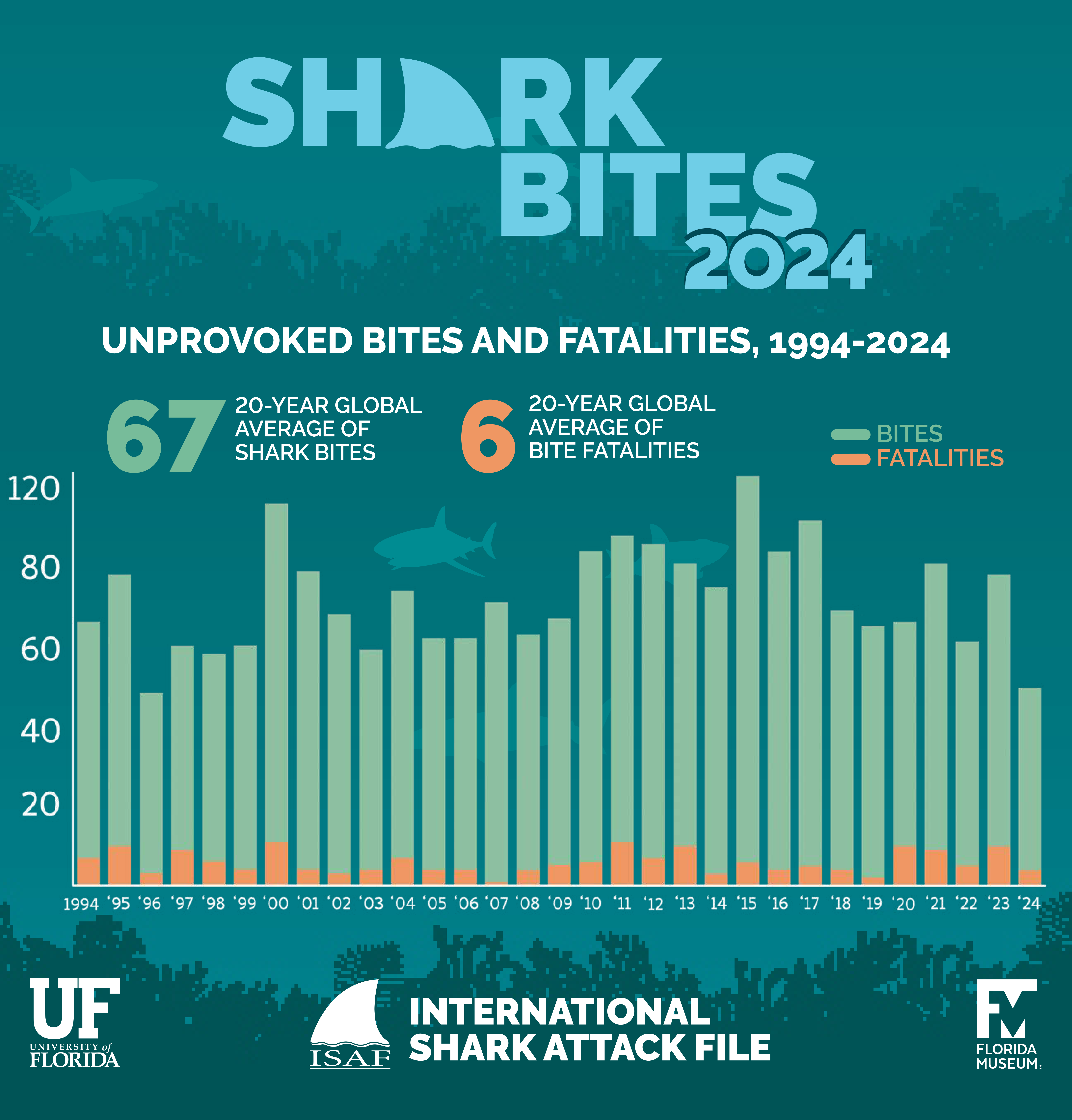
However, amidst the idyllic images of turquoise waters and white sands, a recurring concern often surfaces: the specter of shark attacks. For prospective visitors, particularly those planning to spend significant time in the ocean, the question “How many shark attacks in Florida 2024?” is a natural one. It’s a query born from a mix of media sensationalism, primal fears, and a genuine desire for safety. While the notion of encountering a shark can be daunting, understanding the reality behind these rare events is crucial for making informed travel decisions and fully appreciating the wonders of Florida‘s marine environment. This article delves into the statistics, common misconceptions, safety protocols, and the broader context of enjoying Florida’s magnificent aquatic offerings, ensuring your vacation planning includes peace of mind.
Unraveling the Myth: Shark Encounters in the Sunshine State
The narrative surrounding shark attacks is often skewed by dramatic portrayals in film and media, leading to an exaggerated perception of risk. While any encounter with a wild animal, especially one as powerful as a shark, demands respect and caution, the actual likelihood of being attacked is remarkably low, particularly when compared to other daily risks we readily accept.
The Allure of Florida’s Coasts and the Shadow of Concern
Florida’s coastline, stretching for over 1,350 miles, is an undeniable magnet for ocean lovers. From the bustling shores of Jacksonville to the serene beaches of Naples on the Gulf Coast, each stretch offers unique attractions. Tourists come for the world-renowned surf breaks of Cocoa Beach and New Smyrna Beach, the vibrant snorkeling and diving spots in the Florida Keys, or simply to unwind under the sun. This immense popularity, coupled with a rich marine ecosystem, means that human-shark interactions, though rare, are statistically more likely to occur here than in less frequented coastal areas.
The concern, while valid, should be tempered with perspective. Florida consistently leads the United States in shark attacks, not necessarily because its sharks are more aggressive, but largely due to the sheer volume of people entering the water. Millions of beachgoers swim, surf, and play in Florida’s ocean waters annually. When you consider this massive exposure, the number of incidents remains incredibly small. For most visitors, their travel experiences will involve nothing more threatening than a sunburn or a rogue jellyfish sting. Understanding this context is the first step in demystifying the perceived danger.
Understanding Shark Behavior and Statistics
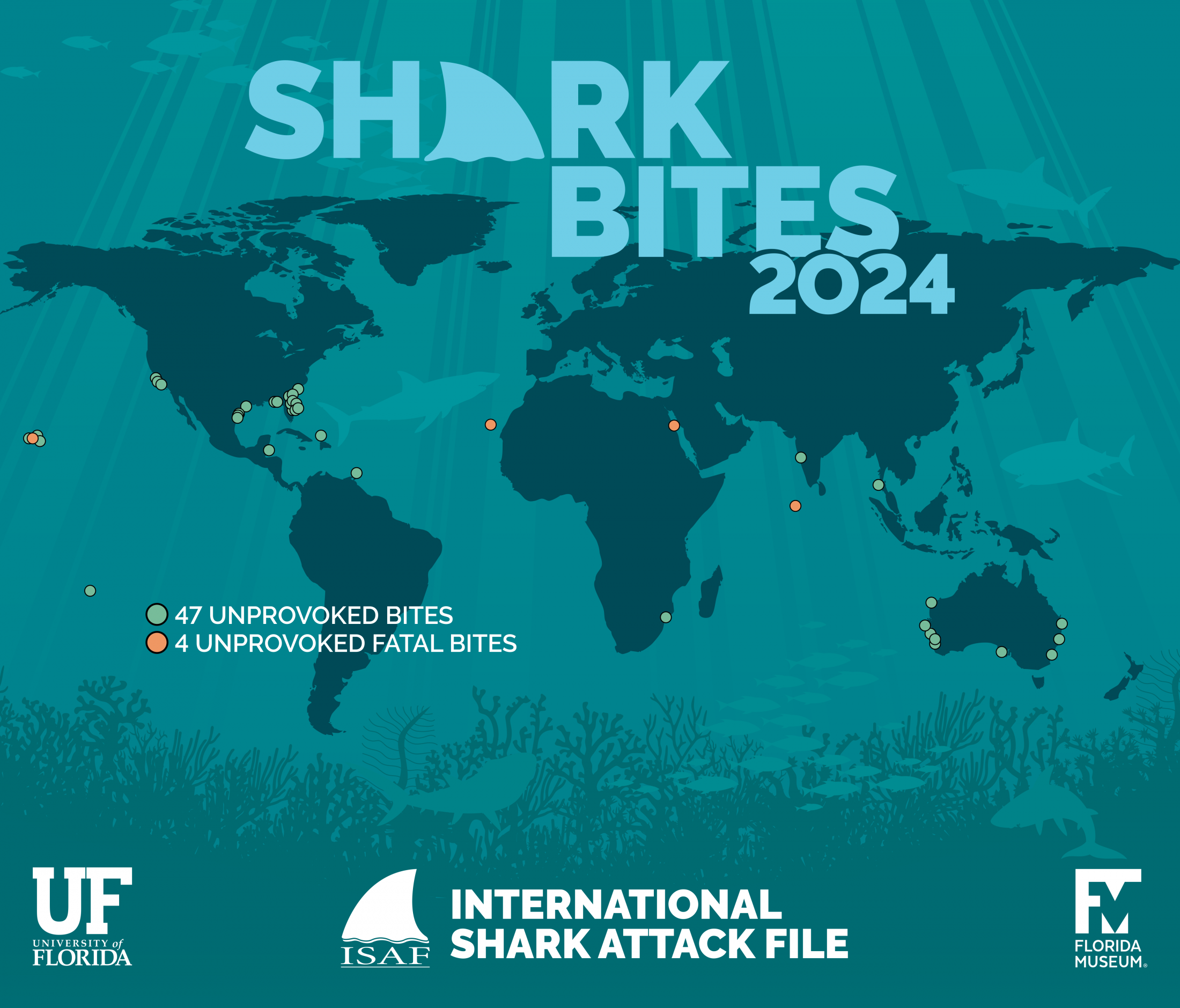
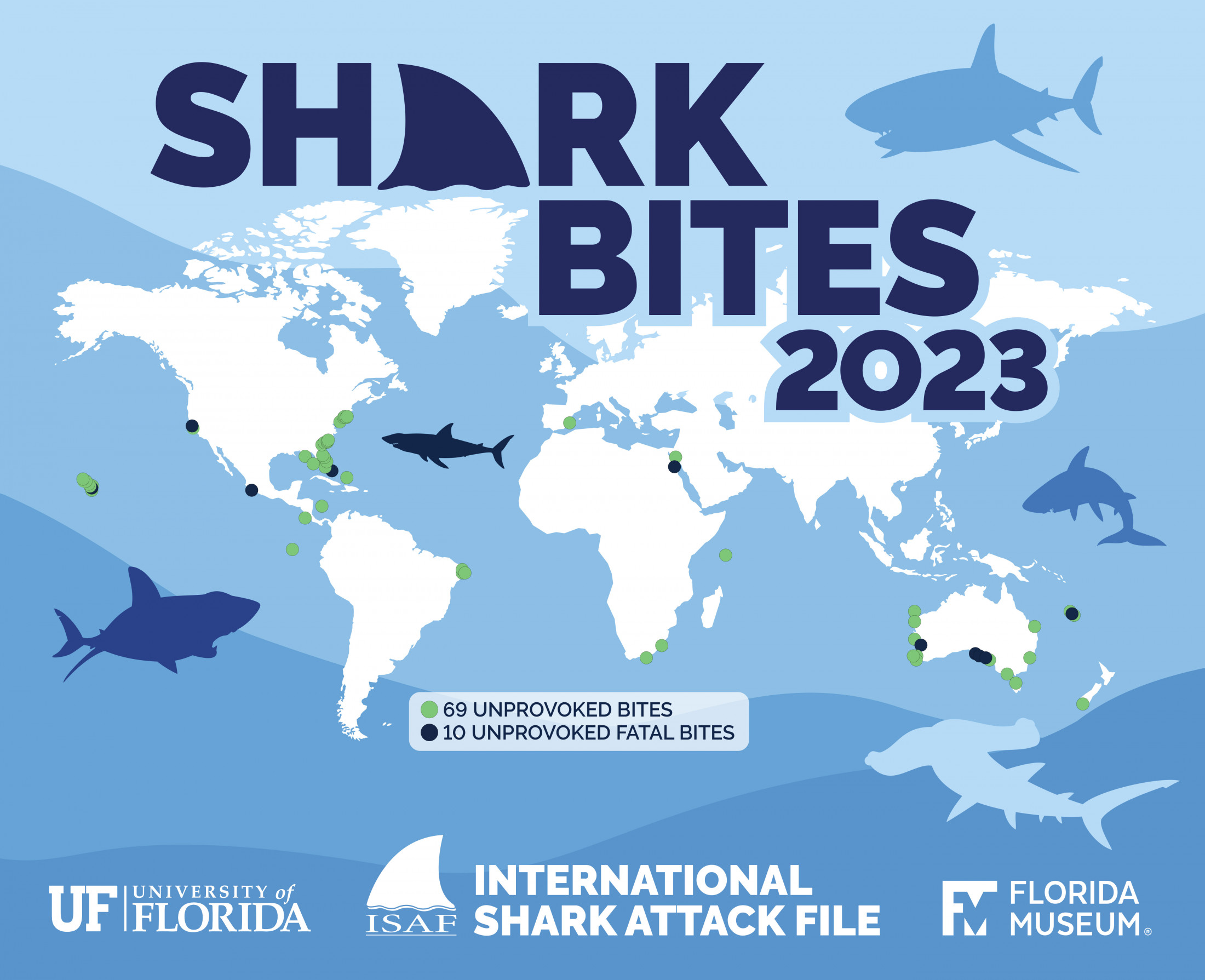
To truly grasp the dynamics of shark attacks, we turn to scientific data. The most comprehensive global database for unprovoked shark attacks is maintained by the International Shark Attack File (ISAF), housed at the University of Florida’s Florida Museum of Natural History in Gainesville. This invaluable resource collects, verifies, and analyzes data on shark incidents worldwide, providing an objective view of trends and statistics.
Historically, the ISAF reports that the majority of shark attacks are “unprovoked,” meaning they occur in the shark’s natural habitat without human provocation. These are often cases of mistaken identity, where a shark may confuse a splashing swimmer or surfer for its natural prey. Most attacks are “bite and release” events, indicating that humans are not typically on a shark’s menu. Fatalities, thankfully, are exceedingly rare, especially in Florida. The species most commonly implicated in attacks in Florida include the blacktip, spinner, and bull sharks, all of which are common in coastal waters and feed on smaller fish.
As for 2024, it’s essential to remember that these statistics are dynamic. The ISAF provides an annual report, typically at the beginning of the following year, summarizing the previous year’s data. Therefore, precise, final numbers for 2024 will not be available until early 2025. However, based on historical averages, Florida can expect to see somewhere between 10 to 20 unprovoked shark bites in a given year. It’s highly unlikely that 2024 will deviate drastically from this pattern unless there are significant, unforeseen environmental shifts. The key takeaway remains: for the millions who enter Florida’s waters, the chances of a shark encounter are infinitesimally small.
Geographic Hotspots and Safety Protocols
While the overall risk is low, certain areas of Florida do experience a higher frequency of shark interactions. Understanding these trends and adhering to established safety guidelines can further minimize any potential danger, allowing you to fully enjoy Florida’s aquatic offerings.
Where Do Most Encounters Occur?
One particular region stands out in Florida’s shark bite statistics: Volusia County, specifically the area around New Smyrna Beach. This locale has earned the dubious nickname “Shark Bite Capital of the World” due to its consistently high number of incidents, often surpassing all other regions globally in terms of total recorded bites. The reason for this concentration is multi-faceted. New Smyrna Beach is a popular surf spot, and its unique geography, particularly the shallow, fish-rich waters near its inlets, creates an ideal feeding ground for sharks. The breaking waves and murky water, combined with a high volume of surfers and swimmers, create conditions where sharks and humans are frequently in close proximity, increasing the chance of an accidental bite. Other areas like Daytona Beach and Cocoa Beach also see some activity, primarily due to their popularity as surfing and swimming destinations.
It’s important to reiterate that even in Volusia County, the vast majority of these bites are minor, often described as “test bites” or “nips,” resulting in superficial lacerations rather than life-threatening injuries. Fatalities are extremely rare. Other popular coastal regions like Miami, Sarasota, St. Petersburg, and the Florida Keys experience far fewer incidents, emphasizing that most of Florida’s vast coastline remains remarkably safe for water activities.
Essential Safety Tips for Beachgoers
Regardless of where you choose to enjoy Florida’s waters, following common-sense safety guidelines can significantly reduce any potential risk:
- Swim in Designated Areas: Always swim in areas supervised by lifeguards. Lifeguards are trained to spot potential dangers and are equipped to respond swiftly to emergencies.
- Heed Warning Flags: Pay attention to beach warning flags. Different colors indicate varying water conditions, from strong currents to marine life advisories.
- Avoid Dawn and Dusk: Sharks are most active during twilight hours, when they hunt for prey. Avoid swimming or surfing during dawn, dusk, and nighttime.
- Stay Out of Murky Water: Poor visibility can lead to mistaken identity bites. Murky water, often found near inlets, river mouths, or after heavy rainfall, should be avoided.
- Don’t Wear Shiny Jewelry: The glint of jewelry can mimic the scales of fish, attracting curious sharks.
- Avoid Solitary Swimming: Swim with a buddy or in a group.
- Stay Away from Fishing Activities: Areas where people are fishing, especially with live bait, can attract sharks.
- Don’t Provoke or Harass Marine Life: Respect all ocean creatures and never attempt to feed or touch them.
- Be Aware of Your Surroundings: If you see large schools of fish or birds diving into the water, it might indicate predators (including sharks) feeding.
- Avoid Excessive Splashing: Erratic movements and splashing can resemble a struggling prey animal.
- Listen to Local Authorities: The Florida Fish and Wildlife Conservation Commission (FWC) and local beach patrols provide up-to-date information and advisories.
By incorporating these simple precautions into your beach day, you not only enhance your safety but also demonstrate respect for the marine environment and its inhabitants.
Balancing Risk and Reward: Enjoying Florida’s Aquatic Wonders
The discussion of shark attacks, while necessary for responsible travel, should not overshadow the myriad joys and benefits of a Florida vacation. The state’s natural beauty, vibrant tourism scene, and diverse activities offer an unparalleled experience that far outweighs the minimal risk of a shark encounter.
Beyond the Bites: The True Florida Experience
Florida is a treasure trove of experiences, extending far beyond its beaches. For families, the world-famous theme parks of Walt Disney World and Universal Studios in Orlando offer days of pure enchantment. Nature enthusiasts can explore the unique ecosystems of Everglades National Park, kayak through tranquil mangroves, or observe diverse birdlife. History buffs can delve into the charming streets of St. Augustine, the nation’s oldest continuously inhabited European-established settlement, filled with historic landmarks and captivating architecture.
For those focused on aquatic adventures, the options are endless and overwhelmingly safe. Snorkeling and diving in the coral reefs of the Florida Keys reveal a kaleidoscope of marine life. Kayaking and paddleboarding offer serene ways to explore coastal waterways and springs. Deep-sea fishing charters depart from nearly every major coastal city, promising thrilling catches without close-up shark encounters. The lifestyle in Florida caters to all tastes, whether you’re seeking luxury travel with opulent resorts and fine dining, or budget-friendly options that still provide access to stunning beaches and natural attractions. The state’s commitment to tourism is evident in its meticulously maintained parks, a wide array of accommodation choices, and countless activities designed to create lasting memories.
Making Informed Choices for a Worry-Free Vacation
Ultimately, enjoying a worry-free vacation in Florida comes down to making informed decisions and adopting a balanced perspective. The risk of a shark attack, while a legitimate concern for some, pales in comparison to the common dangers associated with daily life or even other vacation activities, such as driving to your destination or simply walking across a street. By focusing on the vast array of positive experiences Florida offers and taking simple, proactive safety measures, visitors can confidently embrace all that the Sunshine State has to offer.
Consider the benefits of staying at resorts that offer private beach access with dedicated lifeguards, or those that feature expansive pool complexes as an alternative to ocean swimming on days when conditions might be less ideal. Researching destinations based on your comfort level with ocean activities can also be beneficial. If you’re particularly apprehensive, a visit to Florida’s interior attractions, such as the theme parks in Orlando or the cultural hubs of Tampa, might be a perfect fit, offering a rich Florida experience without ever stepping foot in the ocean.
A Broader Perspective on Ocean Safety
To put shark attack risks into a proper context, it’s helpful to compare them with other, more common dangers, and to understand the role of conservation in ensuring the health and safety of our oceans.
Comparing Risks: Sharks vs. Other Dangers
The perceived threat of sharks often overshadows far more common dangers associated with water activities. For instance, rip currents are a leading cause of drownings at beaches worldwide, including in Florida. Drownings, boating accidents, and even jellyfish stings are statistically much more frequent and pose a greater threat to beachgoers than sharks. Furthermore, everyday activities like driving a car, cycling, or even falling in the bathtub carry significantly higher statistical risks of injury or death than an unprovoked shark attack.
The fear of sharks is often amplified by their powerful, mysterious nature, and their portrayal in popular culture (think of the lasting impact of “Jaws”). However, actual data consistently demonstrates that sharks are not inherently interested in attacking humans. Most incidents are “investigatory” bites or result from mistaken identity in conditions of poor visibility. By understanding that most ocean dangers are preventable through awareness and responsible behavior, the fear of sharks can be placed in its rightful, very small, context.
Conservation Efforts and Responsible Tourism
A healthy marine ecosystem is one where sharks play a vital role as apex predators, maintaining the balance of ocean life. Many shark species are, in fact, endangered due to overfishing and habitat loss. Organizations like the Florida Fish and Wildlife Conservation Commission (FWC) and numerous non-profits are actively involved in shark research, conservation, and public education.
Responsible tourism plays a crucial part in supporting these efforts. Choosing eco-friendly accommodations, participating in ethical wildlife tours, and respecting marine protection zones contribute to the overall health of Florida’s environment. Visitors are encouraged to learn about the local marine life, understand the importance of conservation, and minimize their impact on natural habitats. This approach not only safeguards the environment for future generations but also ensures that the incredible natural attractions of Florida remain vibrant and accessible for all. Embracing this holistic view of ocean safety and environmental stewardship adds another layer of depth and enjoyment to any Florida travel experience.
Planning Your Florida Escape: Peace of Mind Included
With a clear understanding of the minimal risks associated with shark encounters and a focus on responsible travel, planning your Florida vacation can be an exciting and stress-free endeavor. The state’s diverse offerings guarantee an unforgettable trip, regardless of your travel style or budget.
Choosing the Right Destination and Accommodation
Florida’s vast geography means there’s a perfect spot for everyone. For those prioritizing beach activities and water sports, the Gulf Coast cities like Sarasota and Naples offer calm, clear waters and a more relaxed pace. The Atlantic Coast, with its dynamic waves, attracts surfers, but also offers wide, family-friendly beaches in areas like St. Petersburg and Jacksonville. If urban excitement and cultural immersion are your goals, Miami and Tampa provide world-class dining, nightlife, and arts scenes.
When it comes to accommodation, Florida offers an incredible spectrum. Luxury travelers can indulge in five-star resorts with private beaches, spas, and gourmet dining. Families might opt for resorts with extensive kids’ clubs, multiple pools, and suite options that provide ample space. Budget-conscious travelers will find numerous hotels, vacation rentals, and even long-term stay apartments that offer comfort and convenience without breaking the bank. Many hotels and resorts cater to specific lifestyles, whether it’s an eco-lodge near the Everglades or a golf resort in Orlando. Reading reviews and comparing amenities on accommodation booking sites can help you find the perfect fit for your preferences and ensure your stay is as comfortable and tailored as possible.
Embracing the Lifestyle: From Luxury to Budget
Florida is not just a destination; it’s a lifestyle. It’s about waking up to sunshine, enjoying fresh seafood, experiencing vibrant local festivals, and making the most of its natural beauty. Whether your lifestyle leans towards luxury travel, with high-end shopping, yacht charters, and exclusive experiences, or prefers budget travel, focusing on free beach days, delicious food truck meals, and exploring state parks, Florida has it all. Family trips can be meticulously planned around theme park passes and resort activities, while business stays can be combined with leisure in cities offering conference facilities alongside stunning waterfronts.
The key to a truly fulfilling Florida vacation lies in embracing its diverse offerings with an open mind and a sensible approach to safety. By understanding the real risks, respecting marine life, and utilizing available resources like lifeguards and warning systems, the concern over shark attacks in Florida 2024 can be confidently relegated to a minor footnote. Instead, your focus can shift to the exciting possibilities: building sandcastles, catching waves, exploring underwater worlds, savoring delicious cuisine, and creating cherished memories under the golden Florida sun. So pack your bags, choose your adventure, and prepare to immerse yourself in the magic of the Sunshine State – a place where unforgettable experiences are abundant, and the ocean’s wonders await your discovery.
LifeOutOfTheBox is a participant in the Amazon Services LLC Associates Program, an affiliate advertising program designed to provide a means for sites to earn advertising fees by advertising and linking to Amazon.com. Amazon, the Amazon logo, AmazonSupply, and the AmazonSupply logo are trademarks of Amazon.com, Inc. or its affiliates. As an Amazon Associate we earn affiliate commissions from qualifying purchases.