
Westchester County, a vibrant and historically rich region nestled just north of New York City, offers a compelling blend of suburban tranquility and urban accessibility. Its strategic location makes it a desirable place to live, work, and visit, drawing people from across the globe to experience its unique charm. Understanding its geographical placement is key to appreciating the manifold opportunities and attractions it presents. This exploration delves into the precise location of Westchester County, its defining geographical features, and the unparalleled connectivity it enjoys, setting the stage for a deeper understanding of this dynamic part of New York State.
Geographic Positioning and Its Significance
Westchester County’s placement within the broader landscape of the United States and specifically within New York State is fundamental to its character and development. Its proximity to the global hub of New York City is arguably its most defining characteristic, influencing its economic, cultural, and social fabric.
Borders and Neighboring Regions
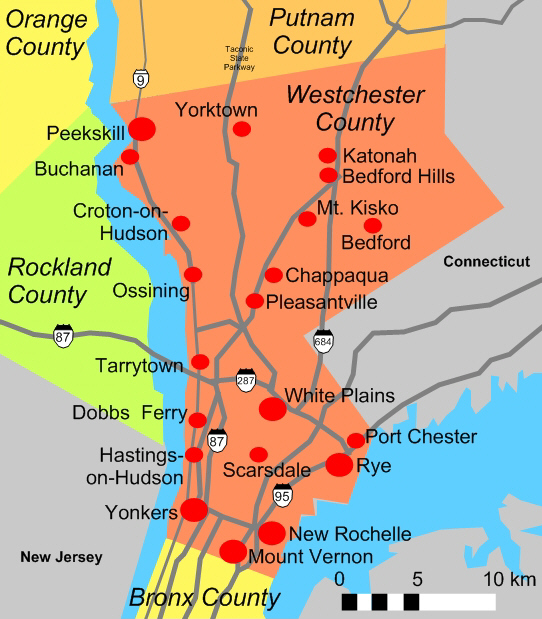
To pinpoint Westchester County’s location, one must examine its boundaries. To the south, it shares a significant border with the Bronx, the northernmost borough of New York City. This close proximity means that residents and visitors can easily transition between the distinct environments of the city and the county. To the east, Westchester is bordered by Long Island Sound, offering picturesque waterfronts and recreational opportunities. Further east, across the Long Island Sound, lies Long Island itself.
To the north, Westchester County is bordered by Putnam County. To the west, across the Hudson River, lies Rockland County. The presence of the Hudson River to the west provides a majestic natural boundary and opens up further avenues for exploration and scenic views. The southern border with the Bronx acts as a gateway, offering immediate access to the dense urban landscape, while the northern border with Putnam County ushers in a more rural and rolling countryside.
Topographical Features
The topography of Westchester County is diverse, ranging from the relatively flat coastal areas along the Long Island Sound to the rolling hills and wooded areas further inland. The county is bisected by the Bronx River, which flows from Putnam County southwards through Westchester and into the Bronx. The presence of numerous parks, nature preserves, and bodies of water, including lakes and reservoirs, contributes to its natural beauty and provides ample opportunities for outdoor recreation. The elevation varies across the county, with some higher points offering panoramic vistas of the surrounding landscape and the distant New York City skyline.
Connectivity and Transportation Networks
Westchester County’s strategic location is amplified by its exceptional connectivity, making it an easily accessible destination and a convenient base for exploring the wider region. A comprehensive network of highways, railways, and airports ensures that travel within and beyond the county is efficient and straightforward.
Major Transportation Arteries
Several major highways traverse Westchester County, facilitating north-south and east-west travel. The New York State Thruway (I-87) runs along the western edge, connecting the county to Albany to the north and New York City to the south. The I-287, also known as the Cross Westchester Expressway, forms a crucial east-west artery, linking the Thruway to routes further east and providing vital access to Connecticut.
Other significant roads include the Hutchinson River Parkway and the Merritt Parkway (which becomes the Hutchinson River Parkway in Westchester), offering scenic parkway routes. U.S. Route 1 (the Boston Post Road) also winds its way through many of Westchester’s towns, providing a historic and accessible route. The integration of these roadways ensures that commuting, business travel, and leisure trips are facilitated with ease.
Public Transportation Options

For those who prefer not to drive, Westchester County boasts an extensive public transportation system. The Metro-North Railroad is a vital component, with multiple lines originating from Grand Central Terminal in New York City and serving numerous stations throughout the county. This rail service is a lifeline for commuters and offers a relaxed way to travel to and from the city, as well as explore different parts of Westchester.
In addition to the Metro-North Railroad, the Westchester Bee-Line System provides a comprehensive bus network connecting various towns and cities within the county, as well as providing connections to neighboring counties and New York City. This integrated public transit system makes it possible to navigate Westchester without a personal vehicle, promoting sustainability and accessibility for all residents and visitors.
Key Cities and Towns Within Westchester County
Westchester County is comprised of a diverse array of cities and towns, each with its own distinct character, history, and attractions. Understanding these sub-regions further clarifies the county’s identity and appeal.
Southern Westchester
The southern portion of Westchester is characterized by its close proximity to New York City, offering a blend of suburban living and urban convenience. Cities like Yonkers, the county’s largest city, and New Rochelle, a vibrant and diverse community, are located here. These areas benefit from excellent transportation links to Manhattan and a wide range of amenities. White Plains, the county seat, is a bustling commercial and retail hub, serving as a central business district for the region. Other notable towns include Scarsdale, known for its affluent residential neighborhoods and excellent schools, and Tarrytown and Sleepy Hollow, steeped in history and the famous legend of the Headless Horseman.
Central and Northern Westchester
Moving northward, the landscape becomes more suburban and semi-rural, with a greater emphasis on natural beauty and larger estates. Cities like Peekskill offer a more artistic and community-focused atmosphere. Towns such as Chappaqua and Armonk are recognized for their charming downtowns and family-friendly environments. Further north, near the border with Putnam County, areas become more spread out, offering a sense of tranquility and a connection to nature. Katonah and Bedford are examples of picturesque towns that epitomize the more rural charm of northern Westchester. The diversity of these municipalities ensures that Westchester County can cater to a wide range of preferences and lifestyles.
Attractions and Experiences Unique to Westchester’s Location
Westchester County’s location is not just a point on a map; it is the genesis of its rich tapestry of attractions and unique experiences. The proximity to natural waterways, historical significance, and its position as a gateway to both the natural beauty of upstate New York and the cultural dynamism of New York City all contribute to its allure.
Waterfront Living and Recreation
The extensive coastline along the Long Island Sound provides residents and visitors with access to beautiful beaches, marinas, and waterfront parks. Towns like Rye and Mamaroneck are renowned for their vibrant harbor areas, offering opportunities for sailing, kayaking, and enjoying seafood dining with stunning views. The Hudson River to the west also presents a majestic backdrop for numerous parks and recreational areas. Destinations like Riverfront Park in Peekskill and the trails along the Hudson River Greenway offer breathtaking vistas and pathways for walking, biking, and simply soaking in the natural splendor.

Historical and Cultural Significance
Westchester’s strategic location has made it a witness to and participant in significant historical events. The county is dotted with historic homes, battlefields, and landmarks that tell the story of early American history. Philipsburg Manor in Tarrytown offers a glimpse into colonial life, while the Kykuit, the historic Rockefeller estate, showcases impressive art, architecture, and gardens, reflecting the Gilded Age in America. The proximity to New York City also means that Westchester residents have unparalleled access to world-class museums, theaters, and cultural institutions, while still being able to retreat to a more peaceful environment. The county itself boasts its own cultural venues, such as the Westchester County Center in White Plains, which hosts a variety of performances and events, enriching the local cultural landscape.
In conclusion, understanding “Where Is Westchester County New York?” reveals a region defined by its advantageous geographical position. It is a place where the pulse of urban life meets the serenity of suburban and rural landscapes, all connected by an efficient infrastructure and enriched by a deep history and abundant natural beauty. This prime location makes Westchester County a truly multifaceted and appealing destination.
LifeOutOfTheBox is a participant in the Amazon Services LLC Associates Program, an affiliate advertising program designed to provide a means for sites to earn advertising fees by advertising and linking to Amazon.com. Amazon, the Amazon logo, AmazonSupply, and the AmazonSupply logo are trademarks of Amazon.com, Inc. or its affiliates. As an Amazon Associate we earn affiliate commissions from qualifying purchases.