
Understanding the landscape of employee benefits, particularly paid sick leave, is a crucial component of lifestyle planning for professionals, entrepreneurs, and individuals considering a move or business stay in California. Beyond the allure of its vibrant cities and natural beauty, the Golden State offers a robust framework of worker protections designed to support health and well-being. For anyone navigating their career or establishing a business presence in California in 2024, comprehending the nuances of paid sick leave isn’t just a matter of legal compliance; it’s fundamental to fostering a sustainable, balanced, and secure professional lifestyle.

California’s Paid Sick Leave: A Cornerstone of Professional Well-being
California stands out with some of the nation’s most comprehensive paid sick leave laws, reflecting a broader commitment to public health and employee welfare. For business professionals, this means a certain level of security and peace of mind when unexpected illness or caregiving needs arise. It’s an integral part of the work-life balance equation that defines a desirable lifestyle for many.
The Basics: Accrual and Usage
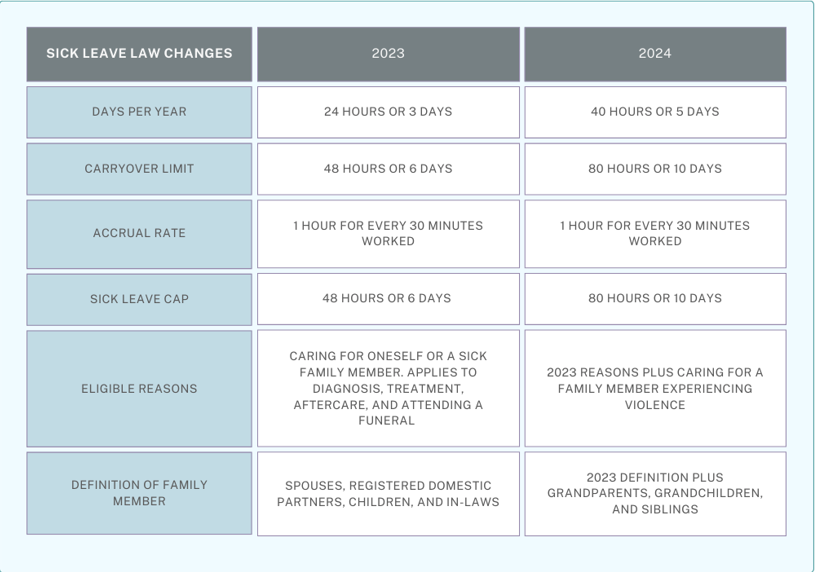
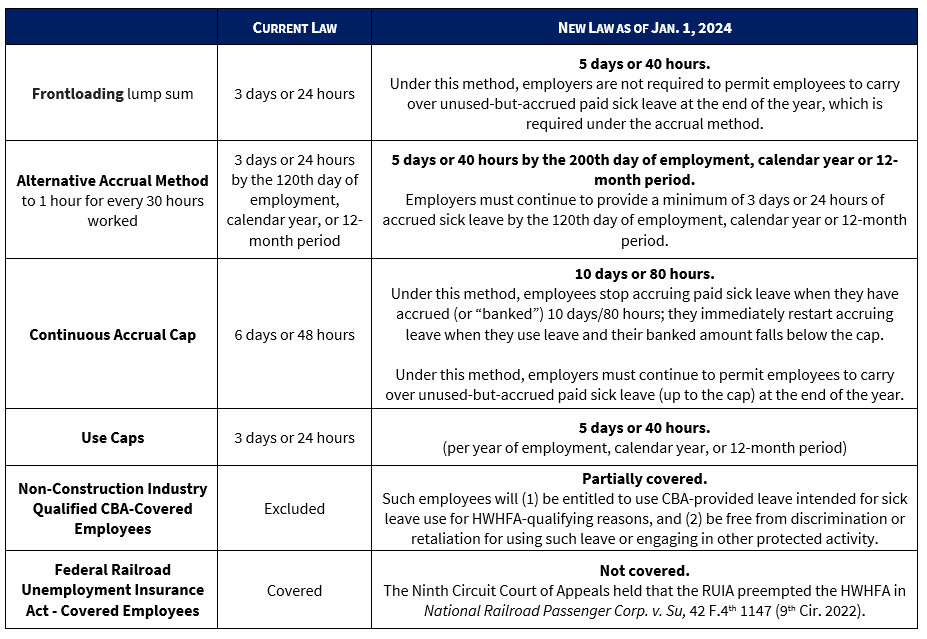
As of January 1, 2024, significant updates to California’s paid sick leave law, primarily through Senate Bill 616 (SB 616), have expanded employee entitlements. Prior to these changes, the statewide minimum mandated that employees accrue at least one hour of paid sick leave for every 30 hours worked. While this accrual rate remains the same, the minimum amount of sick leave that employees can use and carry over has increased.
Under the updated law, employers must now permit employees to use at least 5 days or 40 hours of paid sick leave per year, up from the previous 3 days or 24 hours. Furthermore, the maximum amount of accrued but unused sick leave that an employee can carry over from one year to the next has also been raised to 10 days or 80 hours. This means that if you’re working in California, you have a more substantial safety net for health-related absences without sacrificing your income. This enhanced provision directly impacts a professional’s financial planning and mental well-being, allowing for better management of unforeseen life events.
Paid sick leave can be used for a variety of reasons, including:
- Diagnosis, care, or treatment of an existing health condition for an employee or a family member.
- Preventative care for an employee or a family member.
- For employees who are victims of domestic violence, sexual assault, or stalking, to seek medical attention, obtain services from a victim services organization, or participate in safety planning.
The definition of “family member” is broad, encompassing children, parents, spouses, registered domestic partners, grandparents, grandchildren, and siblings. This inclusive approach recognizes the diverse family structures and caregiving responsibilities that are part of modern life.
Minimum Requirements vs. Employer Policies
It’s crucial to understand that California’s paid sick leave law sets a minimum standard. Many employers, especially those striving to attract top talent in competitive markets like Silicon Valley or Los Angeles, may offer more generous sick leave benefits as part of a comprehensive compensation package. These enhanced benefits are often a key differentiator for professionals evaluating job opportunities and overall lifestyle quality.
When reviewing employment offers or establishing your own business’s policies, always inquire about the specific sick leave policy. Some employers might front-load the full amount of sick leave at the beginning of the year, while others may opt for the accrual method. Understanding these distinctions is vital for effective personal and professional planning. For instance, an employer that front-loads sick leave provides immediate access to the full entitlement, which can be particularly beneficial for new hires or those undergoing medical procedures early in the year. This flexibility can significantly influence a professional’s lifestyle choices and career transitions.
Navigating Sick Leave for Business Professionals and Relocators
For individuals embarking on a business stay or considering a permanent relocation to California, grasping these sick leave provisions is more than just academic. It’s about practical planning for the unexpected, ensuring professional continuity, and integrating seamlessly into the local work culture.
Planning Your Work-Life Balance in the Golden State
The increased sick leave entitlement directly contributes to a better work-life balance, a sought-after element of a desirable lifestyle. Knowing that you have up to 40 hours (or 5 days) of paid time off for illness or family care provides a buffer against the stresses of juggling professional responsibilities with personal or family health needs. This allows professionals to prioritize their health and family without the added financial strain of lost wages, promoting a more sustainable career path and overall well-being.
For those moving to California from states with less robust sick leave policies, this can represent a significant upgrade in employment benefits. It’s an attractive aspect of the California professional lifestyle, offering a more supportive environment for employees. When planning a move, factoring in these benefits can influence everything from childcare arrangements to emergency savings strategies. It empowers individuals to make more informed decisions about their career and personal life integration.
Impact on Remote Work and Hybrid Models
The proliferation of remote and hybrid work models has added another layer of consideration. While physical presence in an office may be reduced, California‘s sick leave laws still apply to employees working within the state, regardless of their company’s physical headquarters. This means that a remote worker based in San Francisco for a company located in New York is still entitled to California’s paid sick leave benefits.
This aspect is particularly relevant for digital nomads or professionals on extended business stays who might be working for out-of-state companies. Understanding the jurisdictional application of these laws is critical for maintaining compliance and securing your benefits. It ensures that even a distributed workforce can enjoy the same protections, fostering a consistent and equitable lifestyle for all employees operating within the state’s borders. Companies employing California residents, even remotely, must adapt their policies to comply with the state’s generous provisions, making it a key compliance point for a modern business lifestyle.
Key Updates for 2024 and Beyond
The legislative changes implemented in 2024 through SB 616 represent a significant enhancement of employee protections in California. Staying informed about these updates is essential for both employees leveraging their rights and employers ensuring compliance.
The Impact of SB 616
SB 616 specifically modifies the existing Healthy Workplaces, Healthy Families Act of 2014. The key adjustments are:
- Increased Usable and Carryover Amounts: As mentioned, the minimum usable amount per year increased from 3 days/24 hours to 5 days/40 hours. The carryover cap also increased from 6 days/48 hours to 10 days/80 hours. This means employees can accrue and retain significantly more sick leave.
- Expanded Usage for Certain Collective Bargaining Agreements: The bill also adjusted some provisions related to collective bargaining agreements, ensuring that even workers under such agreements receive comparable sick leave benefits.
- Local Ordinance Considerations: While California’s law sets a statewide minimum, some cities and counties, such as San Francisco and Los Angeles, have their own local sick leave ordinances that might offer even more generous provisions. When a local ordinance provides greater benefits than the state law, employees are generally entitled to the more beneficial local provision. This layered regulatory environment requires careful attention for anyone living or working in these specific locales, underscoring the need for localized knowledge as part of a comprehensive lifestyle plan.
These updates underscore California’s’s ongoing commitment to improving worker conditions, reinforcing a lifestyle where employee health is prioritized. For professionals, this means a more robust safety net that contributes to overall career stability and personal well-being.
Employer Considerations and Employee Rights
For employers in California, understanding and correctly implementing these changes is paramount to avoid penalties and foster a positive workplace culture. They must update their sick leave policies, inform employees of their rights, and ensure accurate record-keeping. Failure to comply can result in significant fines and legal challenges.
For employees, understanding your rights means:
- Knowing Your Entitlement: Be aware of the minimum 5 days or 40 hours of paid sick leave you are entitled to annually.
- Checking Your Company Policy: Compare your company’s policy against state and local laws. If your company offers more, that’s your benefit. If it offers less, or is non-compliant, you have recourse.
- Understanding Allowable Reasons: Familiarize yourself with the broad range of reasons for which sick leave can be used, including personal illness, family care, and safe time related to domestic violence or sexual assault.
- No Retaliation: Employers cannot retaliate against employees for using or attempting to use their sick leave. This protection is a critical element in ensuring a fair and equitable working lifestyle.
These rights are not merely legal technicalities; they are foundational to a professional lifestyle that values health, personal time, and dignity in the workplace.
Beyond the Mandate: Cultivating a Healthy Work Lifestyle
While legal mandates provide a baseline, truly cultivating a healthy work lifestyle in California involves more than just knowing the minimum sick days. It’s about understanding the broader ecosystem of employee benefits and making informed choices that align with your personal and professional aspirations.
Understanding Your Rights as a California Employee
Beyond paid sick leave, California offers other significant protections that contribute to an attractive professional lifestyle. These include:
- Paid Family Leave (PFL): Provides wage replacement benefits to eligible workers who take time off to care for a seriously ill family member, bond with a new child, or participate in a qualifying event due to a family member’s military deployment.
- Family and Medical Leave Act (FMLA) / California Family Rights Act (CFRA): These laws allow eligible employees to take unpaid, job-protected leave for specific family and medical reasons. While PFL provides wage replacement, FMLA/CFRA ensures your job is safe while you attend to critical life events.
- Kin Care: This provision generally allows employees to use up to half of their accrued sick leave to care for a family member.
These interconnected policies create a robust safety net that supports California residents through various life stages and challenges. For a business professional, having access to such comprehensive benefits means greater flexibility, reduced stress during difficult times, and a more stable, predictable lifestyle. It enables individuals to pursue demanding careers while knowing they have support systems in place for personal and family needs.
The Broader Picture: Employee Benefits and Lifestyle Choices
For anyone considering a move or business venture in California, looking at the holistic picture of employee benefits is crucial. Beyond just sick days, evaluating health insurance options, retirement plans, professional development opportunities, and company culture all contribute to the overall quality of your professional lifestyle.
California’s progressive labor laws, including its generous paid sick leave, are a significant factor in attracting and retaining talent. They signal a state that values its workforce and understands the importance of employee well-being. For those making lifestyle choices about where to live and work, these considerations are paramount. Whether you’re a seasoned executive, a budding entrepreneur, or a creative professional, the certainty and support offered by California’s sick leave laws help ensure that your journey in the Golden State is not only professionally rewarding but also personally sustainable and balanced.
LifeOutOfTheBox is a participant in the Amazon Services LLC Associates Program, an affiliate advertising program designed to provide a means for sites to earn advertising fees by advertising and linking to Amazon.com. Amazon, the Amazon logo, AmazonSupply, and the AmazonSupply logo are trademarks of Amazon.com, Inc. or its affiliates. As an Amazon Associate we earn affiliate commissions from qualifying purchases.