
An Icon of American Ingenuity and Verticality
Standing proudly in the vibrant metropolis of Chicago, the structure once universally known as the Sears Tower (and officially named the Willis Tower since 2009) is much more than just a skyscraper; it is a monumental testament to human ambition and engineering prowess. The answer to how many stories this colossal structure boasts is 108. This precise figure places it among the ranks of supertall buildings, marking its enduring legacy as an architectural marvel. For a quarter of a century, from its completion in 1973 until 1998, it proudly held the title of the tallest building in the world, a feat that solidified Chicago’s reputation as a cradle of modern architecture. Its imposing height and distinctive dark façade have made it an instantly recognizable feature of the city’s skyline, drawing millions of visitors annually who come to marvel at its scale and the panoramic views from its upper echelons.
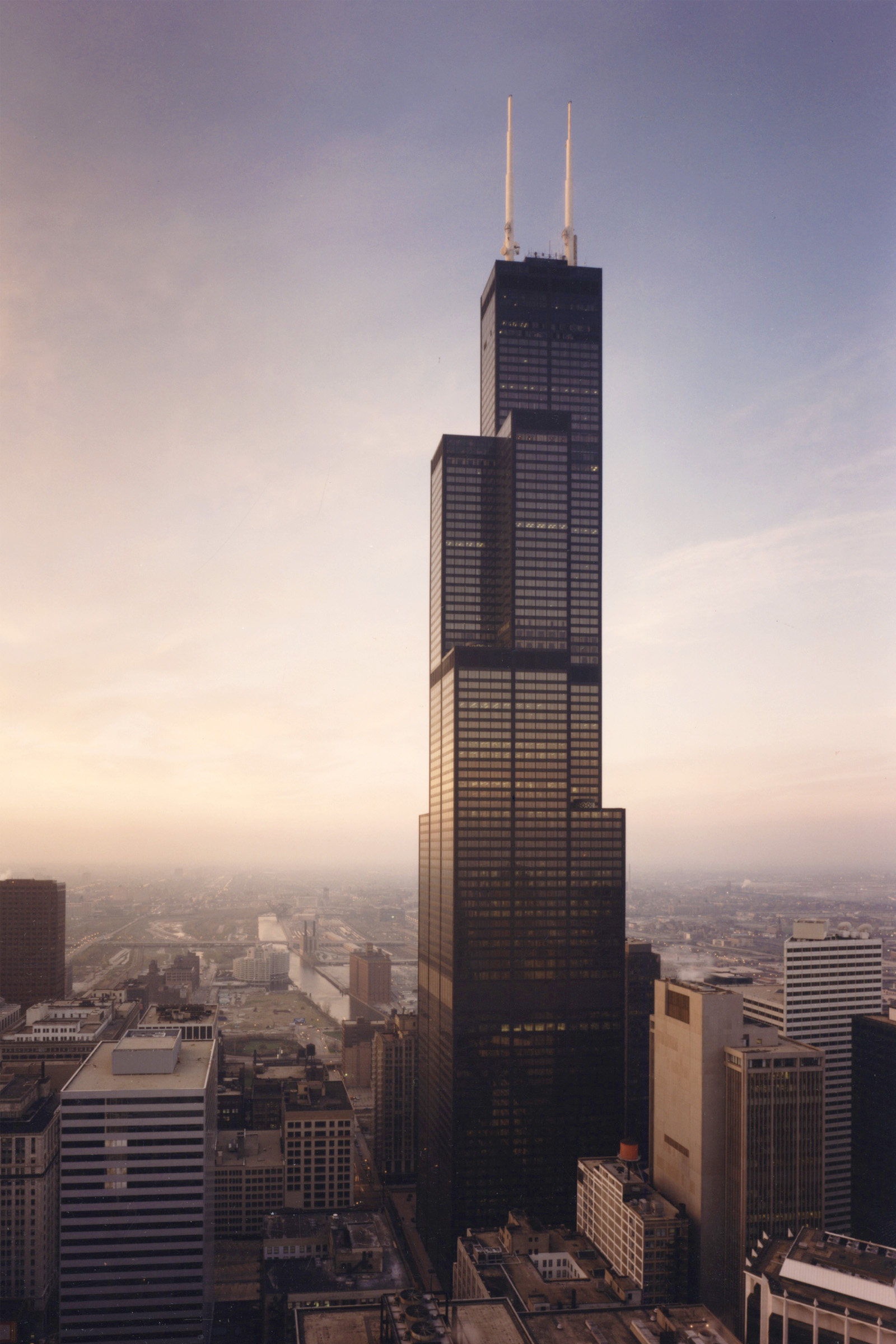
The design and construction of the Willis Tower pushed the boundaries of what was thought possible in skyscraper architecture. Commissioned by Sears, Roebuck and Company, then the world’s largest retailer, the tower was intended to consolidate thousands of employees into a single, efficient office space. What emerged was an edifice that not only achieved its functional goal but also became a symbol of American innovation and economic might. Its structural system, revolutionary for its time, allowed for unprecedented heights, setting a new global standard for supertall buildings and influencing generations of architects and engineers worldwide.
The Numbers Behind the Landmark: A Deep Dive into Its Structure
Understanding the sheer scale of the Willis Tower goes beyond merely counting its stories. Its architectural and engineering details reveal a complex and brilliantly conceived structure.
The 108 Stories Explained
While the official architectural count for the Willis Tower is indeed 108 stories, it’s not uncommon to hear references to 110 stories. This slight discrepancy often arises from how different organizations or the public might count mechanical floors, penthouses, or even the top observation levels. However, from an architectural standpoint, the building comprises 108 usable floors. These floors are meticulously distributed to serve various functions:
- Office Spaces: The vast majority of the tower’s floors are dedicated to premier office space, housing numerous businesses and corporations, making it a bustling commercial hub in downtown Chicago.
- Mechanical Floors: Interspersed throughout the tower are several mechanical floors, critical for housing the extensive HVAC systems, electrical infrastructure, and elevator machinery that keeps the building operational. These floors are usually not accessible to the public or general tenants.
- Observation Decks: The most famous of its upper levels is the 103rd floor, home to Skydeck Chicago, one of the city’s premier tourist attractions. This floor offers unparalleled 360-degree views of Chicago and beyond, extending on clear days to four different states.
Beyond Stories: Height, Spire, and Base
The vertical measurement of the Willis Tower is equally impressive and contributes significantly to its landmark status.
- Architectural Height: The roof of the tower stands at an elevation of 1,450 feet (442 meters).
- Total Height (including spires): Including its two distinctive antenna spires, the total structural height reaches 1,739 feet (527 meters). These spires, which serve broadcasting and telecommunications purposes, are integral to the building’s iconic silhouette and total height measurement, often considered the definitive height for comparison with other supertalls.
- Foundational System: Beneath the colossal structure lies a sophisticated foundation of caissons, anchoring the tower deep into Chicago’s bedrock, ensuring its stability against strong winds and seismic activity.
- Comparative Scale: For perspective, the Willis Tower dwarfs many other prominent Chicago skyscrapers. While newer additions like the Trump International Hotel and Tower and the St. Regis Chicago add to the city’s impressive skyline, the Willis Tower retains its formidable presence as a testament to an earlier era of record-breaking construction.
Architectural Philosophy: The Bundled Tube Design
The visionary architecture of the Willis Tower fundamentally changed how skyscrapers were designed and built, introducing a structural system that remains influential today.
The Vision of Fazlur Rahman Khan
The revolutionary “bundled tube” structural system was conceived by Bangladeshi-American structural engineer Fazlur Rahman Khan of the architectural firm Skidmore, Owings & Merrill SOM. This design was groundbreaking because it treated the entire building as a single, hollow, vertical cantilever beam, rather than a collection of independent columns and beams.
- Concept: The bundled tube system consists of nine square tubes bundled together in a 3×3 array. These tubes rise to different heights, creating the tower’s characteristic setbacks and tapered profile. This tapering allows the building to resist wind loads more efficiently by reducing its surface area at higher altitudes, while also optimizing the amount of steel required for its construction.
- Efficiency and Stability: By distributing the lateral loads (primarily from wind) across the entire perimeter of the building, the bundled tube design offered exceptional stability and minimized swaying, a critical concern for supertall structures. This innovation drastically improved structural efficiency, allowing for greater heights with less material than traditional designs.
- Space Optimization: The design also allowed for more open interior spaces, as the structural elements were concentrated at the perimeter, freeing up the core for elevators and services, and providing flexible floor plans for tenants.

Influence on Modern Skyscrapers
The bundled tube system pioneered by Fazlur Rahman Khan for the Sears Tower was a paradigm shift in skyscraper construction. It demonstrated that buildings could achieve unprecedented heights while remaining structurally sound, economically viable, and aesthetically pleasing. This innovation influenced the design of countless subsequent supertall buildings around the world, making it one of the most significant contributions to 20th-century architectural engineering. Its legacy is evident in the skylines of major cities globally, where the principles of efficient load distribution and structural tubes continue to be applied in various forms.
The Experience: From the Ground Up to the Skydeck
For visitors, the Willis Tower is not just a structure to admire from afar; it offers an immersive experience that begins at its base and culminates in breathtaking views from above.
Skydeck Chicago and The Ledge
The 103rd floor of the Willis Tower hosts Skydeck Chicago, a must-visit attraction for anyone exploring the city. From this vantage point, visitors are treated to an expansive panorama that stretches for up to 50 miles on a clear day, encompassing the entirety of Chicago’s urban sprawl, the shimmering expanse of Lake Michigan, and even parts of neighboring states.
- The Ledge: The most thrilling feature of the Skydeck is The Ledge – four glass-bottomed balconies that extend approximately 4.3 feet (1.3 meters) out from the building’s façade. Stepping onto The Ledge offers an exhilarating, unobstructed view straight down to the streets 1,353 feet (412 meters) below, providing a unique perspective and an unforgettable photo opportunity. It’s an experience that truly conveys the immense scale of the tower and the city beneath it.
- Interactive Exhibits: Before reaching the top, visitors can explore various interactive exhibits that chronicle the tower’s history, construction, and its impact on Chicago’s skyline and culture, providing context to the architectural marvel they are about to ascend.
Historical Context and Cultural Impact
The Willis Tower is inextricably linked with Chicago’s identity. It represents the city’s pioneering spirit in architecture, a legacy that began with the rebuilding after the Great Chicago Fire of 1871. The tower symbolizes not just structural achievement but also human resilience and innovation. It has been featured in countless films, television shows, and works of art, cementing its place in popular culture. Its enduring appeal as both a commercial hub and a world-class tourist destination underscores its multifaceted role in the city’s economic and cultural life.
Evolution of a Landmark: Name Change and Enduring Legacy
A significant chapter in the tower’s history involves its change of name, a common occurrence for commercial properties but one that often evokes strong sentiments among locals and those familiar with its original identity.
From Sears Tower to Willis Tower
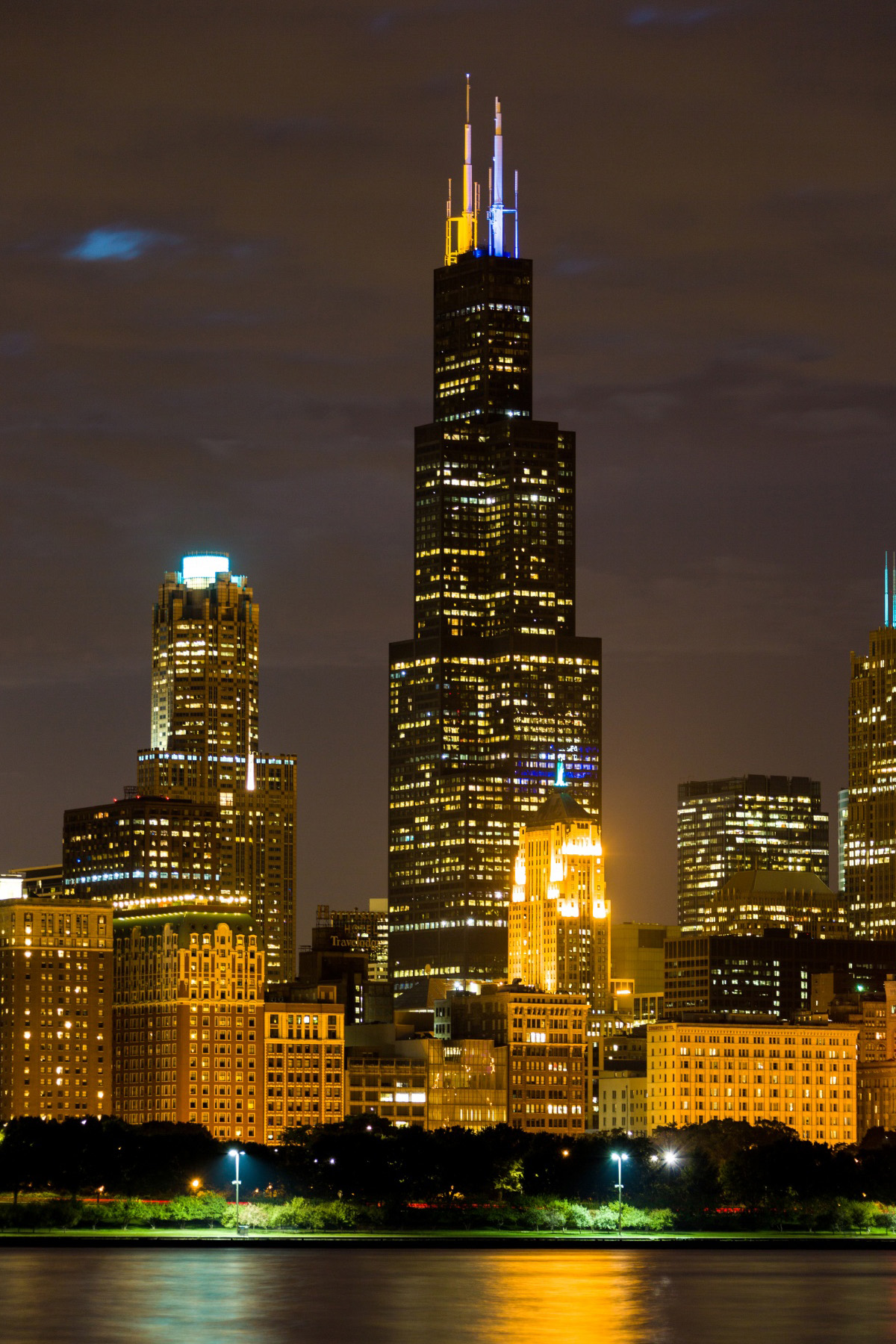
In 2009, the iconic Sears Tower was officially renamed the Willis Tower after Willis Group Holdings, a global insurance broker, secured the naming rights as part of their lease agreement for a significant portion of the building’s office space. This renaming, while a business decision, was met with mixed reactions. Many Chicago residents and long-time admirers of the building still affectionately refer to it by its original name, a testament to its powerful historical identity. However, the new name officially marks a new era for the skyscraper, reflecting its evolving ownership and tenancy.
A Symbol of Progress
Despite the name change, the Willis Tower continues to thrive as a vital part of Chicago’s urban landscape. It remains a bustling commercial center, home to diverse businesses ranging from technology startups to financial firms. Ongoing renovations and modernization efforts ensure that the tower remains competitive and relevant in the 21st century. These updates include enhancements to tenant amenities, technological infrastructure, and public spaces, all aimed at maintaining its status as a premier corporate address and a compelling destination. The Willis Tower’s journey from a corporate headquarters to a global landmark and a symbol of architectural ambition underscores its unwavering importance and enduring legacy as one of the world’s truly great structures. Its 108 stories tell a narrative of innovation, resilience, and a lasting imprint on the world’s architectural stage.
LifeOutOfTheBox is a participant in the Amazon Services LLC Associates Program, an affiliate advertising program designed to provide a means for sites to earn advertising fees by advertising and linking to Amazon.com. Amazon, the Amazon logo, AmazonSupply, and the AmazonSupply logo are trademarks of Amazon.com, Inc. or its affiliates. As an Amazon Associate we earn affiliate commissions from qualifying purchases.