
New Orleans, the vibrant heart of Louisiana, is a city synonymous with celebration, unparalleled culture, and a distinct flavor that captivates every visitor. From the soulful strains of jazz drifting through the French Quarter to the tantalizing aromas of Creole cuisine, the Big Easy offers an experience unlike any other. But beyond its legendary Mardi Gras festivities and historic charm, New Orleans holds a prestigious place in the annals of American sports history: it is one of the most frequent hosts of the National Football League’s championship game, the Super Bowl.

For sports enthusiasts and travel aficionados alike, the question of how many Super Bowls have graced the fields of New Orleans is more than just a trivia point; it’s a testament to the city’s exceptional ability to host mega-events with an unrivaled blend of efficiency, hospitality, and pure, unadulterated fun. The answer, impressive as it is, solidifies New Orleans’ status as a premier destination for major sporting events: the city has hosted the Super Bowl a remarkable ten times, with an eleventh already on the calendar for 2025. This enduring relationship between New Orleans and the Super Bowl is a story of tradition, resilience, and the magnetic pull of a city that knows how to throw a party like no other.
A Legacy Etched in Gridiron History: Why New Orleans Shines as a Super Bowl Host
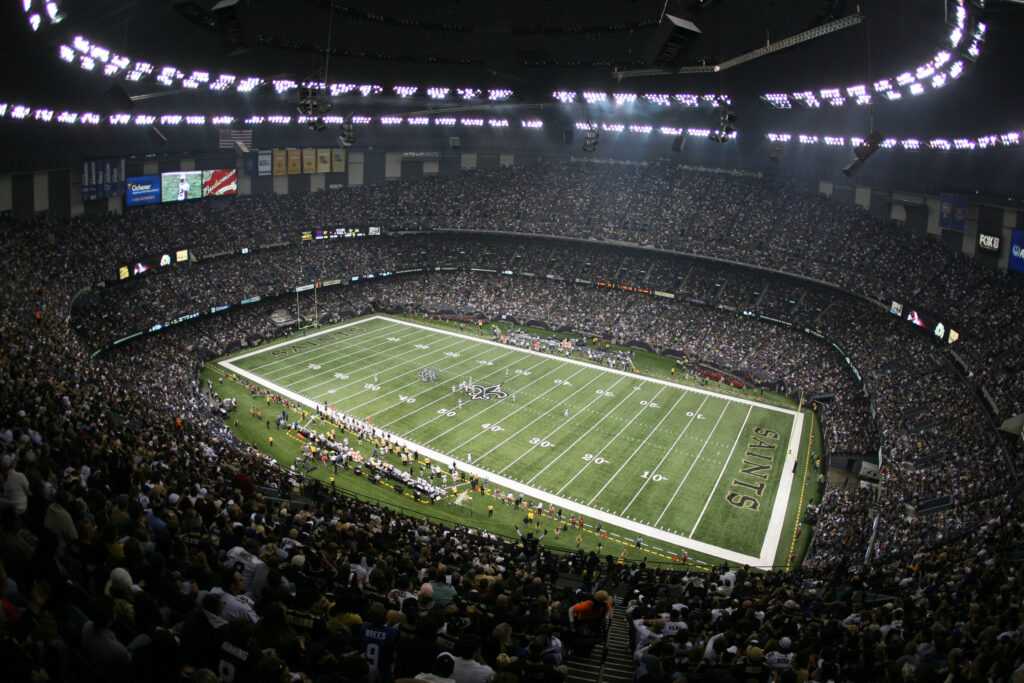
New Orleans’ unparalleled record as a Super Bowl host is no accident. The city possesses a unique combination of infrastructure, hospitality, and an innate understanding of how to create an unforgettable atmosphere that few other destinations can match. Its compact downtown, centered around the iconic Caesars Superdome, makes logistics a breeze for the NFL, while its world-renowned culinary scene and entertainment options ensure that fans, media, and league officials are thoroughly entertained from the moment they arrive.
The city’s journey as a Super Bowl destination began in the early days of the championship. The first three Super Bowls in New Orleans were held at Tulane Stadium:
- Super Bowl IV (1970): The Kansas City Chiefs defeated the Minnesota Vikings.
- Super Bowl VI (1972): The Dallas Cowboys triumphed over the Miami Dolphins.
- Super Bowl IX (1975): The Pittsburgh Steelers secured a victory against the Minnesota Vikings.
However, it was the construction of the magnificent Louisiana Superdome (now known as the Caesars Superdome) that truly cemented New Orleans’ place in Super Bowl lore. This architectural marvel, opened in 1975, provided a state-of-the-art, climate-controlled venue that quickly became a favorite for the NFL’s biggest game. The Superdome era brought the championship back to the Big Easy for seven more unforgettable contests:
- Super Bowl XII (1978): The Dallas Cowboys defeated the Denver Broncos.
- Super Bowl XV (1981): The Oakland Raiders beat the Philadelphia Eagles.
- Super Bowl XX (1986): The Chicago Bears dominated the New England Patriots.
- Super Bowl XXIV (1990): The San Francisco 49ers bested the Denver Broncos.
- Super Bowl XXXI (1997): The Green Bay Packers defeated the New England Patriots.
- Super Bowl XXXVI (2002): The New England Patriots triumphed over the St. Louis Rams.
- Super Bowl XLVII (2013): The Baltimore Ravens defeated the San Francisco 49ers in a game famously interrupted by a power outage.
Each of these events not only showcased the pinnacle of American football but also highlighted New Orleans’ unique ability to recover and rebuild, particularly after significant challenges like Hurricane Katrina. The 2013 Super Bowl was a testament to the city’s resilience and its enduring spirit. Looking ahead, the city is already gearing up to host Super Bowl LIX in 2025, further solidifying its status as a top-tier destination for the NFL’s biggest game.
Beyond the Game: The Economic and Cultural Impact of Hosting
Hosting the Super Bowl is far more than just a football game; it’s a massive economic engine and a global spotlight for the host city. For New Orleans, each Super Bowl brings a significant influx of tourism dollars, boosting local businesses from hotels and restaurants to tour operators and retailers. The hundreds of thousands of visitors generate millions in revenue, create temporary jobs, and leave a lasting positive impression on the city’s economy.
Culturally, the Super Bowl reinforces New Orleans’ identity as a city of celebration. The pre-game festivities, concerts, and fan experiences often blend seamlessly with the city’s natural exuberance, creating a unique fusion of sports spectacle and New Orleans charm. It’s an opportunity to showcase local culture, food, and music to a worldwide audience, reminding everyone why the Big Easy truly is one-of-a-kind.
Planning Your Super Bowl Trip to the Big Easy
Attending a Super Bowl in New Orleans is an ultimate bucket-list experience for many. Even if you’re not going for the game itself, the city transforms into a vibrant hub of activity, making it an exciting time for any traveler. However, planning is key, especially when dealing with such high demand.
Essential Travel Tips and Attractions
When the Super Bowl comes to town, New Orleans operates at its peak. Booking flights and accommodation well in advance (often a year or more out) is paramount. Prices for everything, from hotel rooms to taxi fares, will surge, so budgeting accordingly is crucial. Despite the football frenzy, make sure to carve out time to explore the city’s timeless attractions:
- The French Quarter: Wander through its historic streets, marvel at the wrought-iron balconies, and soak in the atmosphere of Jackson Square, with St. Louis Cathedral as its backdrop.
- Bourbon Street: Experience the legendary nightlife, though for a more authentic music scene, venture to Frenchmen Street.
- The Garden District: Take a streetcar ride to admire the stunning antebellum mansions and lush gardens.
- Museums: Delve into history at The National WWII Museum or explore the city’s artistic side at the New Orleans Museum of Art.
- Mississippi River: Enjoy a scenic steamboat ride along the iconic Mississippi River.
Culinary Delights and Local Culture

New Orleans is a culinary paradise, and during Super Bowl week, the city’s restaurants pull out all the stops. From casual po’boys to upscale Creole fine dining, your taste buds are in for a treat. Don’t leave without trying:
- Gumbo and Jambalaya: Staples of New Orleans cuisine.
- Beignets: A must-have treat from Café Du Monde with a cup of café au lait.
- Oysters: Whether raw, Rockefeller, or fried, they are a local specialty.
- Cocktails: Sip on a classic Sazerac or a Hurricane, quintessential New Orleans libations.
Beyond food, immerse yourself in the city’s vibrant music scene. Live jazz, blues, and funk can be found in countless venues, embodying the soul of New Orleans. Consider taking a cooking class to learn the secrets of Creole and Cajun dishes, or a swamp tour to experience Louisiana’s unique natural environment.
Accommodation: Where to Stay for Your New Orleans Super Bowl Experience
Finding the right accommodation during a Super Bowl in New Orleans requires strategic planning and an understanding of the city’s diverse lodging options. With prices soaring, it’s essential to consider your budget, desired amenities, and preferred location.
Hotels for Every Lifestyle
New Orleans offers a wide array of hotels, from historic boutique properties to modern high-rise resorts.
- Luxury Travel: For those seeking an opulent experience, The Ritz-Carlton New Orleans on Canal Street, the historic Hotel Monteleone in the French Quarter, or The Roosevelt New Orleans, A Waldorf Astoria Hotel, offer world-class service, exquisite dining, and often luxurious spa amenities. These properties put you in the heart of the action with unparalleled comfort.
- Mid-Range Comfort: Options like the Hilton New Orleans Riverside and the Sheraton New Orleans Hotel provide excellent value, often with spacious rooms, fitness centers, and easy access to the Convention Center and the Caesars Superdome. These are popular choices for groups and families due to their convenient locations and comprehensive facilities.
- Budget-Friendly Stays: While challenging during Super Bowl week, more affordable options exist further from the immediate downtown core, or through smaller boutique hotels and guesthouses in neighborhoods like the Faubourg Marigny or Bywater. These areas often provide a more local, authentic feel and are accessible via public transportation or ride-sharing services.
- Unique Stays: Consider a stay in one of New Orleans’ charming historic guesthouses or boutique hotels for a truly unique experience. Many are beautifully restored mansions offering personalized service and a glimpse into the city’s past. For a more independent experience, apartment rentals or vacation rentals via platforms like Airbnb or Vrbo can be a great option, especially for longer stays or larger groups, allowing for a more immersed local lifestyle.
Booking Strategies During High-Demand Periods
Book Early, Always Early: This cannot be stressed enough. As soon as Super Bowl dates are announced, hotels in New Orleans begin filling up. Aim to book your accommodation at least a year in advance, or even more if possible, to secure the best rates and availability.
Consider Different Neighborhoods: While the Central Business District (CBD) and French Quarter are most convenient for stadium access and nightlife, explore other charming districts. The Garden District, Uptown, or the Warehouse District offer different vibes, often at slightly lower price points, and are well-connected by streetcar or taxi.
Look for Packages: Some hotels and travel agencies might offer Super Bowl packages that include accommodation, event access, and sometimes even flights. While these can be pricey, they often offer convenience and guaranteed access.
Read Reviews and Compare: Utilize booking websites and review platforms to compare prices, read recent guest reviews, and ensure the property meets your expectations for amenities and service. Look for clarity on cancellation policies, which can be stricter during major events.
Check for Amenities: If you’re traveling with family or require specific features, check for hotels with pools, fitness centers, pet-friendly policies, or business centers if you’re on a business trip. Many properties will highlight their unique offerings, from historic architecture to contemporary designs.
The Enduring Allure and Future of Super Bowls in New Orleans
New Orleans’ deep connection with the Super Bowl is a testament to its enduring appeal. The city’s unique blend of culture, hospitality, and infrastructural readiness makes it a perennial favorite for the NFL. With the city already slated to host Super Bowl LIX in 2025, it’s clear that this storied relationship will continue for years to come.
The Caesars Superdome continues to undergo renovations and upgrades, ensuring it remains a state-of-the-art facility capable of hosting world-class events. Beyond the stadium, New Orleans consistently invests in its tourism infrastructure, from new hotels and restaurants to improved public transportation and public spaces. This commitment ensures that every visitor, whether arriving for the Super Bowl or a leisurely vacation, enjoys a seamless and memorable experience.
For any sports fan or traveler looking for an unforgettable experience, combining the thrill of the Super Bowl with the unparalleled charm of New Orleans is a journey worth taking. The city’s history with the game is rich, its present is vibrant, and its future as a premier Super Bowl destination is undoubtedly bright. Each time the Super Bowl returns, it’s not just another game; it’s another chapter in the captivating story of New Orleans – a city that consistently proves it’s the ultimate host.
LifeOutOfTheBox is a participant in the Amazon Services LLC Associates Program, an affiliate advertising program designed to provide a means for sites to earn advertising fees by advertising and linking to Amazon.com. Amazon, the Amazon logo, AmazonSupply, and the AmazonSupply logo are trademarks of Amazon.com, Inc. or its affiliates. As an Amazon Associate we earn affiliate commissions from qualifying purchases.