
When you envision Las Vegas, you probably picture the dazzling lights of the Strip, the world-class entertainment, and the endless array of luxurious resorts. But beneath the glittering façade of this iconic city lies a broader geographical and administrative entity that is crucial to its existence and character: Clark County, Nevada. Understanding that Las Vegas is nestled within Clark County provides a richer perspective on its development, its surrounding natural wonders, and the diverse experiences available to travelers far beyond the famous casino floors.
Clark County is not just a mere administrative boundary; it is the vibrant foundation upon which Las Vegas has grown into a global tourism powerhouse. From expansive desert landscapes to serene natural parks and bustling suburban communities, the county offers a tapestry of attractions and lifestyles that complement and contrast with the high-octane energy of its most famous city. For anyone planning a visit, or simply curious about the geography of one of the world’s most exciting destinations, knowing about Clark County unlocks a deeper appreciation for the region’s multifaceted appeal.
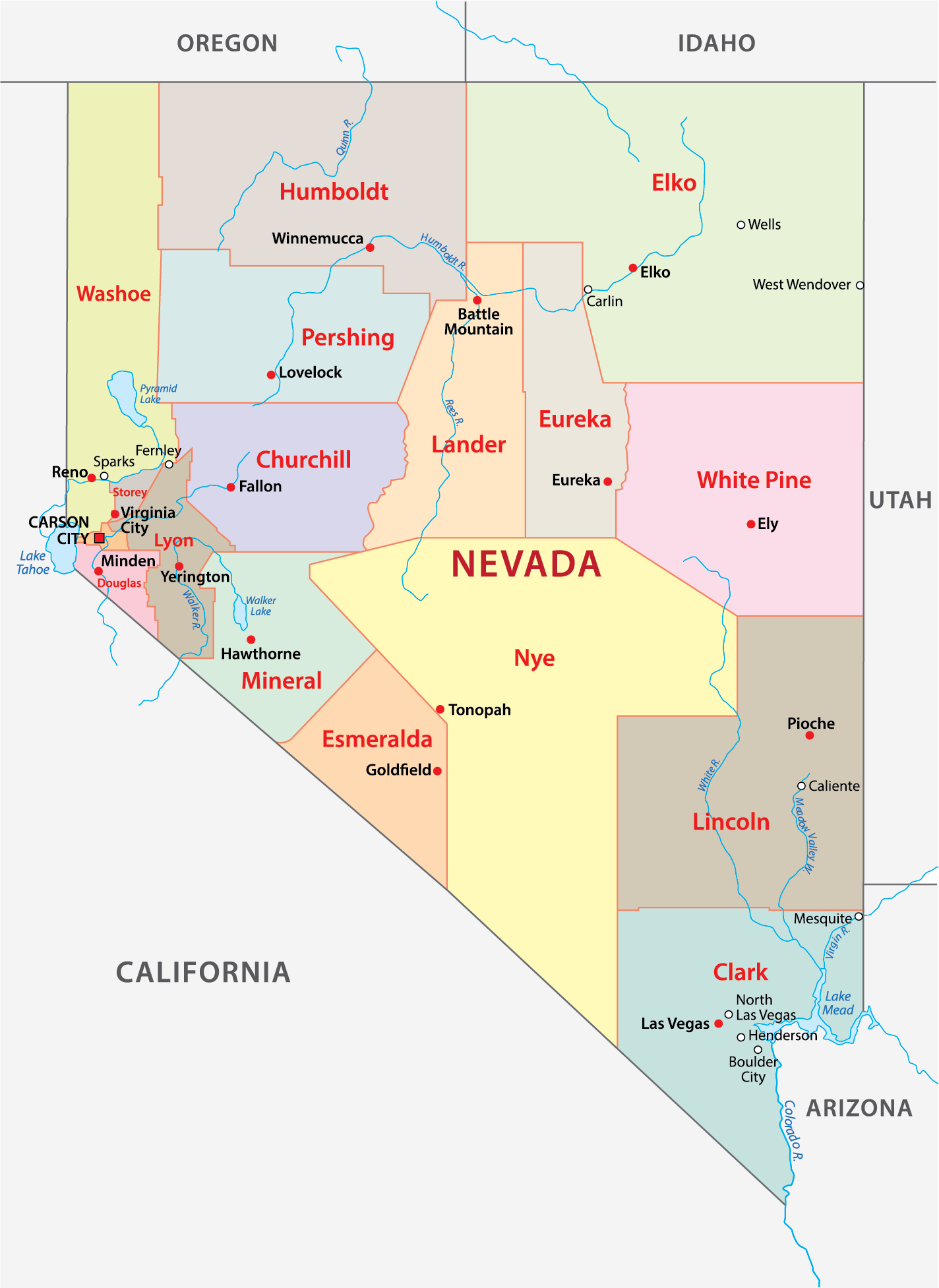
Unveiling Las Vegas’s Home: Clark County, Nevada
To truly understand Las Vegas, one must first grasp the significance of Clark County. Established in 1909 and named after Montana Senator William Andrews Clark, who built the railroad connecting Los Angeles to Salt Lake City through what would become Las Vegas, this county is the most populous in Nevada. It encompasses an impressive land area and is home to nearly three-quarters of the state’s population, making it an economic and cultural hub.
The Heart of the Silver State’s Tourism
Clark County serves as the undisputed heart of Nevada’s tourism industry. While Las Vegas is its crown jewel, the county’s infrastructure, including Harry Reid International Airport (formerly McCarran International Airport), is meticulously designed to welcome millions of visitors annually. This robust tourism ecosystem supports an immense variety of accommodations, from the opulent suites of Bellagio and The Venetian Resort to family-friendly resorts and budget-conscious hotels. The sheer volume of options reflects the county’s dedication to catering to every type of traveler, whether they seek luxury travel experiences, a thrilling weekend getaway, or an extended stay for business.
The county’s administrative functions play a vital role in maintaining the appeal and functionality of its tourist attractions. Everything from public safety to transportation networks and environmental management contributes to the seamless operation of a destination that never sleeps. This careful oversight ensures that visitors not only enjoy the entertainment but also experience a well-managed and safe environment. The continuous development of new attractions, resorts, and entertainment venues within Clark County solidifies its position as a dynamic and ever-evolving travel destination.
Beyond the Neon: A Diverse Landscape
While the dazzling cityscape of Las Vegas defines much of Clark County’s image, the geographic reality is far more diverse. The county is characterized by a high desert environment, surrounded by majestic mountain ranges and dramatic geological formations. This contrasts sharply with the urban sprawl, offering breathtaking natural beauty just a short drive from the Strip.
The landscape ranges from the vibrant red sandstone cliffs of Red Rock Canyon National Conservation Area to the serene waters of Lake Mead National Recreation Area, the largest man-made reservoir in the United States. These natural landmarks provide a stark and welcome contrast to the indoor experiences of Las Vegas, inviting visitors to explore hiking trails, enjoy water sports, or simply soak in the vastness of the desert sky. The Spring Mountains, including Mount Charleston, even offer a cool, alpine escape with opportunities for skiing and snowboarding in winter – a surprising fact for many who associate Nevada solely with desert heat. This rich natural heritage contributes significantly to the county’s appeal, broadening its scope beyond pure entertainment to include eco-tourism and adventure travel.
Las Vegas and Its County: A Symbiotic Relationship
The relationship between Las Vegas and Clark County is deeply symbiotic. Las Vegas, often referred to as “Sin City,” is undoubtedly the engine of the county’s economy and its global reputation. In turn, Clark County provides the essential framework—the land, the infrastructure, and the governance—that allows Las Vegas to thrive and expand.
Economic Powerhouse and Tourism Hub
Las Vegas is not just a city; it’s an economic phenomenon that directly fuels Clark County. The tourism industry, encompassing everything from gaming and entertainment to conventions and dining, is the primary driver. Billions of dollars are generated annually through hotels, resorts like Caesars Palace and MGM Grand, and countless attractions, creating hundreds of thousands of jobs for county residents. This economic activity translates into significant tax revenues for Clark County, which are then reinvested into public services, infrastructure, and community development.
The sheer scale of Las Vegas’s tourism industry means that accommodation options are incredibly diverse. From high-end suites with panoramic Strip views to spacious resort complexes with elaborate amenities like water parks and golf courses, the choices are boundless. For those seeking alternatives, there are also apartment-style accommodations and villas, perfect for longer stays or family trips. The competition among hotels drives innovation in guest services and amenities, ensuring a consistently high standard for visitors. Whether booking a luxurious resort stay, comparing budget-friendly options, or finding long-term accommodation, the county’s vibrant hotel and tourism sector provides unparalleled choices and experiences.
Iconic Attractions and Landmarks Within Clark County
Many of the world-renowned landmarks and attractions people associate with Las Vegas are, in fact, integral parts of Clark County. The approximately 4.2-mile stretch of Las Vegas Boulevard known as the Las Vegas Strip is undeniably the most famous. This iconic thoroughfare is not officially within the city limits of Las Vegas itself but rather resides in the unincorporated towns of Paradise and Winchester, both administered by Clark County. It’s here that visitors can experience the architectural marvels of themed resorts, witness spectacular shows like those from Cirque du Soleil, and indulge in world-class dining and shopping.
Beyond the bright lights, Clark County is home to other historical and natural landmarks that draw millions. The magnificent Hoover Dam, a monumental engineering feat, is located on the border between Nevada and Arizona within Clark County. This national historic landmark offers fascinating tours and stunning views of the Colorado River and Lake Mead. The already mentioned Red Rock Canyon National Conservation Area provides a sanctuary for outdoor enthusiasts, with opportunities for hiking, rock climbing, and scenic drives, just minutes from the urban core. Further afield, but still within a reasonable day trip from Clark County, lies the incomparable Grand Canyon, an experience often facilitated by tours departing from Las Vegas. These natural and man-made wonders firmly establish Clark County as a destination rich in both exhilarating entertainment and profound beauty.
Exploring Clark County: Beyond the Las Vegas Strip
While the magnetic pull of the Las Vegas Strip is undeniable, Clark County offers a wealth of experiences that extend far beyond its iconic neon glow. For travelers looking to delve deeper into local culture, enjoy outdoor adventures, or discover family-friendly activities, the county’s other cities and natural areas provide compelling alternatives and complements to the Las Vegas experience.
Neighboring Gems and Unique Experiences
Clark County is home to several vibrant municipalities and unincorporated communities, each with its own character and attractions. The city of Henderson, Nevada’s second-largest city, offers a more suburban atmosphere with excellent parks, golf courses, and a thriving culinary scene. It’s an ideal base for family trips, featuring attractions like the Clark County Museum and numerous recreational facilities. North Las Vegas provides another perspective, blending industrial development with residential areas and offering various dining and entertainment options.
For a unique historical experience, Boulder City stands out. This charming town, originally built to house workers for the Hoover Dam project, maintains a quaint, small-town feel with antique shops, local eateries, and a distinct lack of gambling establishments. It’s a testament to a different facet of Nevada’s history and a refreshing change of pace. Visitors can explore the Boulder City/Hoover Dam Museum or enjoy boating and fishing on nearby Lake Mead.
Beyond the urban centers, the county’s natural parks offer unparalleled outdoor adventures. Valley of Fire State Park, Nevada’s oldest state park, boasts stunning red sandstone formations that appear to be ablaze in the sunlight, along with ancient petroglyphs. It’s a photographer’s dream and a fantastic spot for hiking and exploration. These diverse destinations within Clark County underscore the region’s ability to cater to a wide range of interests, from history buffs and nature lovers to those simply seeking a quieter escape.
Planning Your Clark County Adventure: Accommodation and Lifestyle
When planning a trip to Clark County, the range of accommodation options is as varied as the experiences themselves. While the mega-resorts on the Strip are iconic, travelers can also find charming boutique hotels in downtown Las Vegas, such as those around the Fremont Street Experience. For those prioritizing budget travel or seeking a more local feel, numerous hotels and motels are available in communities like Henderson or near Harry Reid International Airport.
The lifestyle experiences available cater to every preference. Luxury travel is effortlessly accommodated with high-roller suites, private jet services, and exclusive dining. Conversely, budget travelers can find plenty of affordable activities, free shows, and delicious yet inexpensive food options. Family trips are well-supported with kid-friendly resorts featuring elaborate pools, arcades, and entertainment. For business stays, the convention facilities in Las Vegas are unparalleled, with hotels offering extensive amenities for corporate travelers. The local culture, while often overshadowed by the glitz, can be explored through diverse culinary scenes reflecting global influences, vibrant arts districts, and community events that showcase the true spirit of Southern Nevada. From exploring the Nevada State Museum to enjoying a hike in the Spring Mountains, Clark County truly offers a complete lifestyle experience, ensuring every visitor finds their ideal way to engage with the region.

The Enduring Allure of Clark County
In conclusion, answering the question “What is the county for Las Vegas?” leads us directly to Clark County, Nevada. This sprawling and diverse county is far more than just a geographic label; it is the comprehensive backdrop against which the story of Las Vegas unfolds. From the administrative backbone that supports the bustling metropolis to the stunning natural landscapes that surround it, Clark County provides the essential context and expanded opportunities for exploration that make a visit to Southern Nevada truly unforgettable.
Whether you’re drawn by the shimmering allure of the Las Vegas Strip or seek the quiet majesty of a desert sunset over Red Rock Canyon, Clark County offers an incredible spectrum of experiences. It is a place where world-class hotels and resorts coexist with charming historical towns, and where thrilling entertainment is just a short drive from breathtaking natural wonders. Understanding Clark County means understanding the true depth and breadth of attractions, from lavish suites to serene campsites, and from gourmet dining to authentic local cuisine. It embodies the vibrant spirit of a region that continues to captivate and amaze travelers from around the globe, solidifying its status as a premier destination for every kind of adventure and lifestyle.
LifeOutOfTheBox is a participant in the Amazon Services LLC Associates Program, an affiliate advertising program designed to provide a means for sites to earn advertising fees by advertising and linking to Amazon.com. Amazon, the Amazon logo, AmazonSupply, and the AmazonSupply logo are trademarks of Amazon.com, Inc. or its affiliates. As an Amazon Associate we earn affiliate commissions from qualifying purchases.