
California, renowned for its vibrant culture, stunning landscapes, and innovative industries, also holds a reputation for its complex and often high tax burden. For anyone considering making the Golden State their home, launching a business, or even just planning an extended stay, understanding the myriad taxes is crucial for managing finances and shaping lifestyle choices. From daily expenditures to significant investments, taxes permeate nearly every aspect of life in California, impacting everything from the cost of luxury living to the feasibility of a budget-conscious lifestyle.
Navigating the Golden State’s Tax Landscape for Diverse Lifestyles
Whether you envision a lavish lifestyle in Beverly Hills, a tech-driven existence in Silicon Valley, or a bohemian life in Northern California, the tax structure in California will undoubtedly influence your financial reality. It’s not merely about a single tax rate but a confluence of state and local levies that accumulate. This intricate system requires careful consideration for anyone aiming to optimize their financial well-being while enjoying all that California offers.
Personal Income Tax: A Defining Factor for Residents
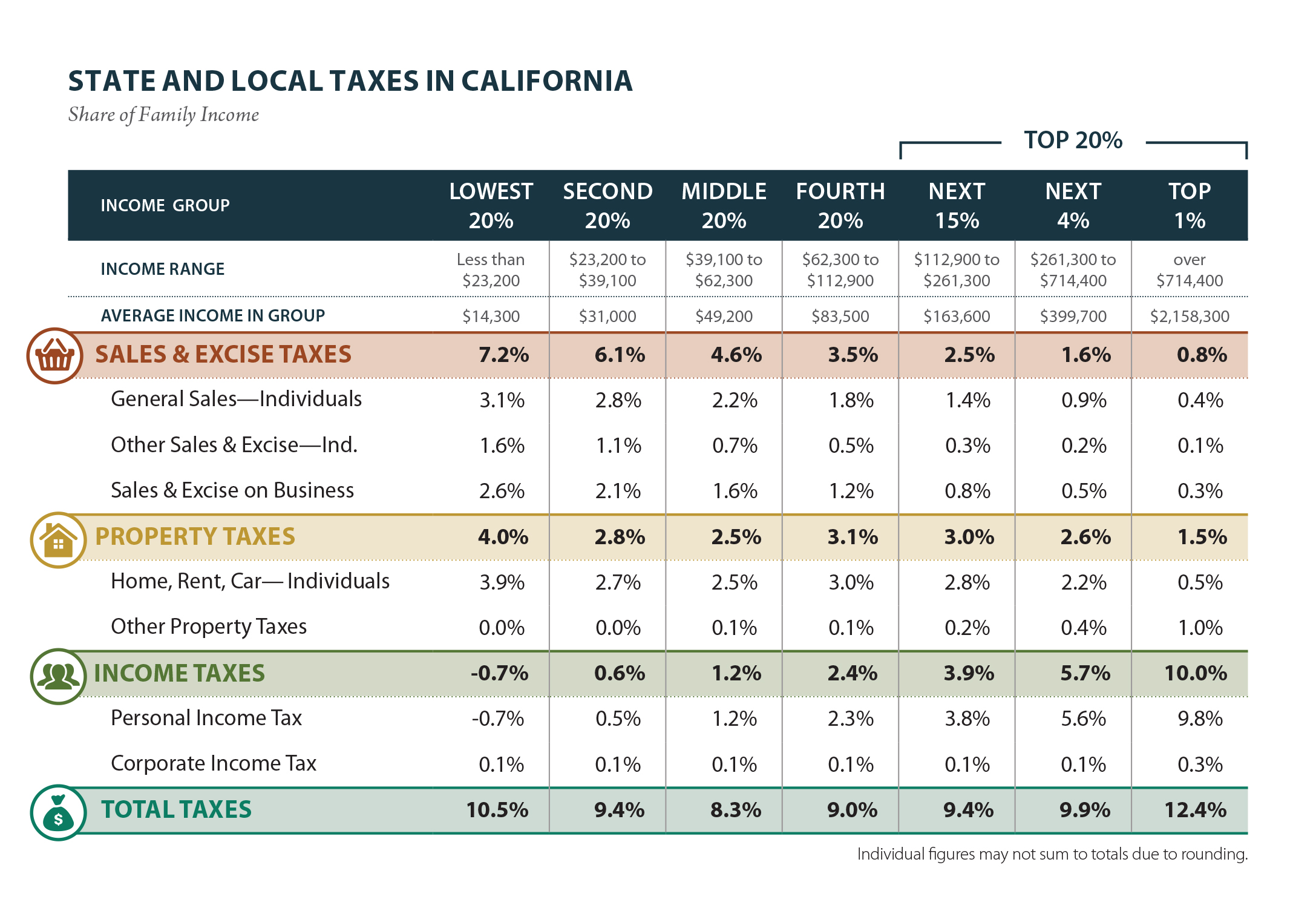
One of the most significant taxes affecting personal lifestyles in California is the state’s progressive income tax. California boasts some of the highest marginal income tax rates in the nation, with top earners facing a combined state income tax rate that can exceed 13%. For individuals and families, this directly impacts disposable income, influencing everything from housing affordability to discretionary spending on leisure and luxury goods.
- Understanding Tax Brackets: The progressive nature means that as income rises, so does the percentage taxed. This impacts high-earning professionals, entrepreneurs, and even retirees with substantial incomes.
- Impact on Budgeting: For budget-conscious individuals or those planning a move, understanding their likely tax bracket is paramount to creating a realistic financial plan. For those pursuing a lifestyle of high consumption or savings, the tax implications can be substantial.
- Influence on Career Choices: Professionals considering job opportunities in California often factor in the state income tax when comparing total compensation packages against other states. This can subtly steer career and lifestyle choices, particularly for those in high-demand, high-salary fields.
Sales and Use Taxes: Daily Costs for Consumers
Beyond income, nearly every purchase you make in California is subject to sales tax. The statewide base sales tax rate is 7.25%, but local jurisdictions can add their own district taxes, pushing the combined rate significantly higher in many cities. For instance, residents of Los Angeles County might pay over 9%, while in certain parts of Alameda County, it can exceed 10%.
- Everyday Expenditures: This tax affects the cost of groceries (excluding most unprepared food), clothing, electronics, dining out, and countless other goods and services. For families managing a tight budget, these incremental costs add up quickly.
- Luxury Spending: For those accustomed to a luxury lifestyle, the sales tax on high-value items, such as designer goods, high-end electronics, or custom furniture, represents a considerable additional expense.
- Online Shopping and Use Tax: If you purchase goods from out-of-state retailers that don’t collect California sales tax, you are generally obligated to pay a “use tax” at the same rate. This ensures equity between in-state and out-of-state purchases and is often reported on income tax returns.
Property Taxes: A Major Consideration for Homeowners and Renters
For homeowners, property taxes are a foundational element of the cost of living. While Proposition 13 generally limits annual increases in assessed property value to 2% (plus adjustments for inflation, up to 1% of the property’s full cash value), purchasing a home in California’s competitive market often means acquiring property at a high assessed value.
- Long-Term Financial Planning: Property taxes significantly influence mortgage payments and overall housing costs, making homeownership a substantial financial commitment. This is particularly true in desirable areas like San Francisco, Orange County, or coastal communities where property values soar.
- Impact on Renters: While renters don’t directly pay property taxes, these costs are typically factored into rental prices by landlords, indirectly affecting the affordability of living in various California cities. This impacts the lifestyle choices of young professionals, artists, and families who rely on rental markets.
- Relocation Decisions: The high cost of housing, coupled with property taxes, is a frequently cited reason for residents relocating out of state, impacting population demographics and the evolving lifestyle landscape across California’s diverse regions.
Taxes Affecting Business and Investment Lifestyles
For entrepreneurs, investors, and professionals operating within California, understanding the corporate tax structure and other investment-related taxes is paramount. The state’s vibrant economy, fueled by innovation and a large consumer base, often comes with a higher cost of doing business.
Corporate Income and Franchise Taxes
Businesses operating in California are subject to corporate income or franchise taxes.
- Corporations: Generally pay an 8.84% corporate tax rate on their net income.
- S Corporations: While generally not subject to the corporate income tax, they still pay a 1.5% franchise tax on net income.
- LLCs and Partnerships: Even pass-through entities like LLCs and partnerships often face an annual minimum franchise tax, currently $800, regardless of income. This fixed cost can be a significant burden for small businesses or startups in their initial, less profitable years.

These taxes directly impact a company’s profitability and thus the lifestyle it can afford its owners, employees, and its capacity for reinvestment and growth. For a startup founder, these taxes mean less capital available for innovation or expansion. For established businesses, they influence strategic decisions about expansion, job creation, and overall market competitiveness.
Capital Gains Tax: Investment Lifestyle Implications
California does not have a separate, lower tax rate for long-term capital gains. Instead, capital gains are treated as ordinary income and are subject to the same high-income tax rates. This has profound implications for investors, retirees living off investment income, and those involved in real estate or equity markets.
- Retirement Planning: Individuals planning for retirement or living off their investment portfolios must account for significant tax liabilities when selling assets, potentially influencing their ability to maintain a desired lifestyle.
- Real Estate Investors: Property flipping or significant real estate transactions can incur substantial tax bills, affecting the profitability and feasibility of such investment strategies.
- Tech Sector Impact: Given California’s booming tech industry, many individuals receive compensation in the form of stock options or equity. When these are exercised and sold, the capital gains are taxed at ordinary income rates, impacting the wealth generated from successful ventures. This influences the “unicorn” lifestyle often associated with Silicon Valley.
Hidden Costs: Specific Taxes for Travelers and Consumers
Even for visitors or those on short-term stays, California’s tax structure adds layers of cost. These often surprise unsuspecting travelers, impacting their budget for leisure and experiences.
Hotel Occupancy Taxes (Transient Occupancy Tax – TOT)
Most cities and counties in California levy a Transient Occupancy Tax (TOT) on hotel stays, vacation rentals, and other short-term accommodations. These rates vary widely, from around 8-10% in some areas to over 15% in popular tourist destinations like San Francisco (which has a combined TOT of 14% plus a 2.25% Tourism Improvement District Assessment and other fees).
- Impact on Travel Budgets: For tourists or business travelers, this can significantly increase the cost of accommodation, especially for longer stays or luxury resorts. A traveler planning a week-long trip to Santa Monica might find their accommodation costs inflated by an unexpected hundreds of dollars.
- Business Travel: Companies sending employees to California for conferences or projects must factor these taxes into their travel budgets, which can affect the viability of extensive business travel.
Fuel Taxes and Vehicle-Related Fees
California has one of the highest gasoline taxes in the nation, alongside various vehicle registration and weight fees.
- Road Trips and Commuting: For anyone planning a scenic Pacific Coast Highway road trip or simply commuting daily, fuel taxes contribute significantly to transportation costs. This influences lifestyle choices around vehicle ownership, commuting distances, and travel plans.
- Vehicle Ownership: High registration fees and other levies add to the overall cost of owning a car, a necessity for many outside California’s major urban centers with robust public transit.
Other Niche Taxes
From local utility taxes to specific assessments in improvement districts, numerous smaller taxes contribute to the overall burden. These can include:
- Tobacco and Alcohol Taxes: These excise taxes add to the cost of certain goods, influencing lifestyle choices around consumption.
- Cannabis Taxes: With legal recreational cannabis, California imposes a state excise tax, cultivation tax, and local business taxes, making cannabis products relatively expensive.
Conclusion: Tailoring Your Lifestyle to California’s Tax Realities
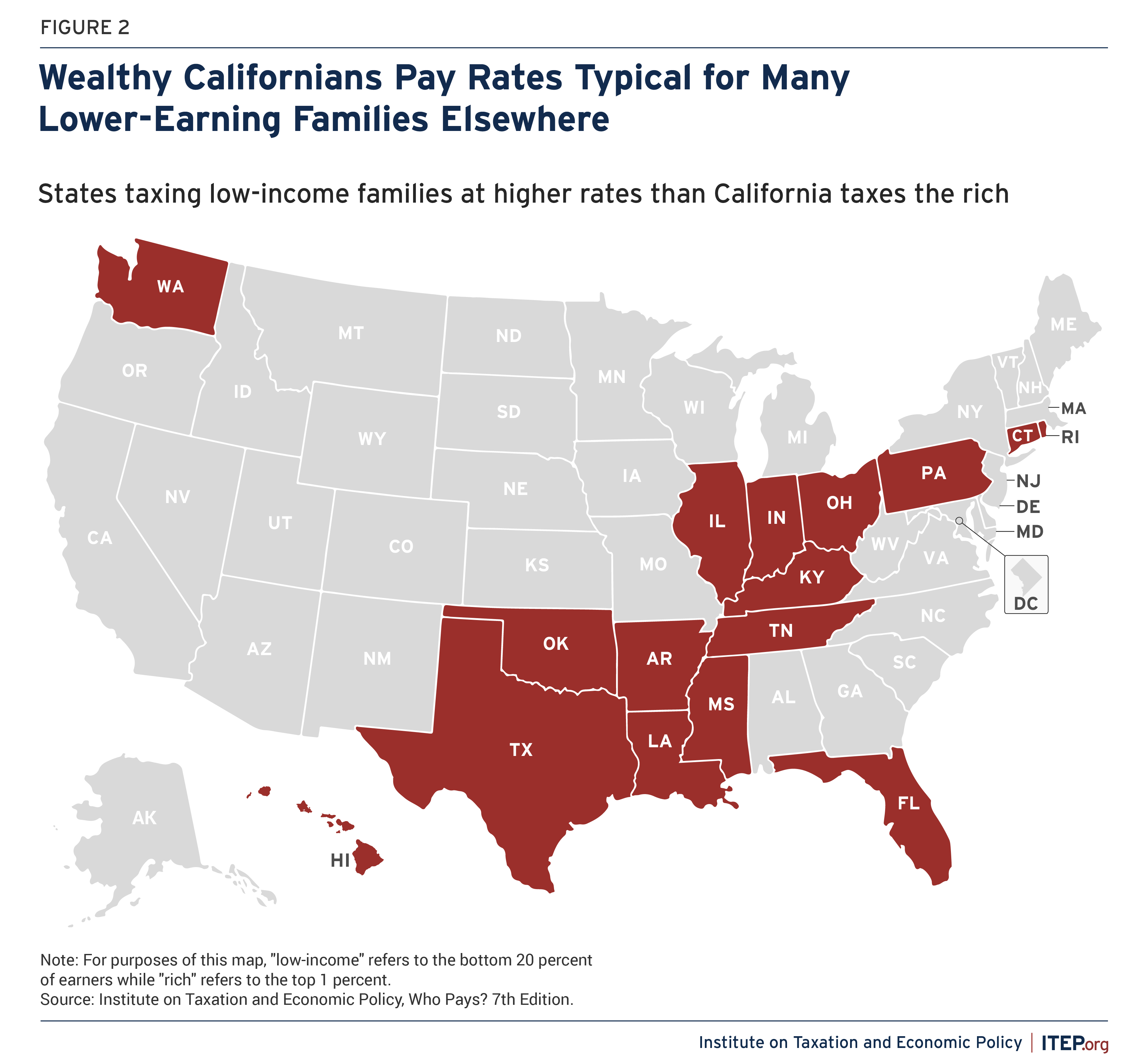
Ultimately, the number of taxes you pay in California is extensive and deeply interwoven with every financial decision. Whether you are a high-net-worth individual considering a luxury lifestyle, a young professional seeking a vibrant urban experience, a budget traveler exploring the state’s wonders, or an entrepreneur building the next big thing, understanding this tax landscape is non-negotiable.
Effectively navigating these taxes requires careful planning, from budgeting daily expenses to structuring long-term investments and business operations. While the tax burden can be substantial, it also funds the infrastructure, public services, and natural preservation efforts that make California a uniquely desirable, albeit expensive, place to live, work, and visit. The key to a fulfilling lifestyle in California is not to avoid taxes entirely, but to understand them thoroughly and make informed choices that align with your financial goals and desired way of life.
LifeOutOfTheBox is a participant in the Amazon Services LLC Associates Program, an affiliate advertising program designed to provide a means for sites to earn advertising fees by advertising and linking to Amazon.com. Amazon, the Amazon logo, AmazonSupply, and the AmazonSupply logo are trademarks of Amazon.com, Inc. or its affiliates. As an Amazon Associate we earn affiliate commissions from qualifying purchases.