
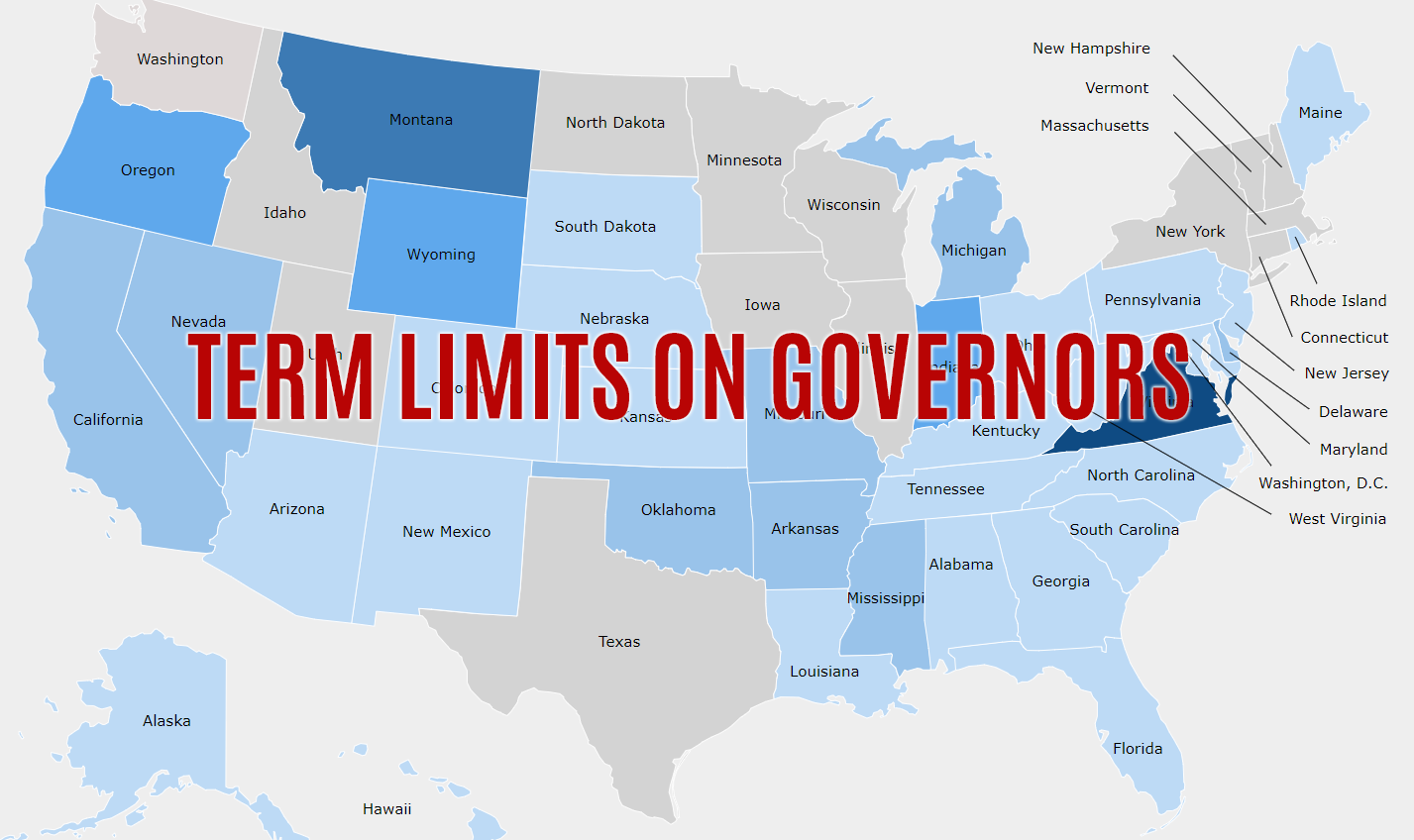
The question of how long a California Governor can serve in office is a critical one, not only for understanding the state’s political landscape but also for appreciating the dynamic shifts in policy that profoundly impact everything from travel infrastructure to the conservation of iconic California landmarks. For visitors and residents alike, the term limits placed upon the state’s highest office holder define cycles of governance that shape the very experiences available across this diverse and vibrant state. Currently, a California Governor is limited to serving two 4-year terms, for a maximum of eight years in total. This seemingly straightforward rule, however, is the result of a significant historical shift and carries profound implications for the state’s leadership, its strategic direction, and its ongoing appeal as a premier destination for global tourism and a unique place to live a multifaceted lifestyle.
The cyclical nature of gubernatorial terms means that every eight years, at most, California embarks on a new chapter of leadership, bringing with it fresh perspectives on everything from environmental protection in Yosemite National Park to the development of high-speed rail connecting Los Angeles and San Francisco. These changes ripple through the state, influencing travel policies, funding for attractions, and even the subtle cultural nuances that make each California destination unique. Understanding these term limits is therefore not just a political exercise, but a key insight into the forces that continually reshape the Golden State.
The Foundation of California’s Gubernatorial Term Limits
The current term limit for the California Governor is a relatively recent development in the state’s rich political history. For much of its existence, California operated without such restrictions, allowing its chief executives to serve as many terms as voters would grant them. This open-ended approach often led to extended periods of consistent leadership, but also raised questions about political entrenchment and responsiveness to evolving public needs. The shift to a two-term limit marked a pivotal moment, reflecting a broader national trend towards increased governmental accountability and the desire to infuse fresh energy into state leadership.
Pre-Proposition 140: A History of Open-Ended Tenures
Before 1990, the office of California Governor had no constitutional limit on the number of terms an individual could serve. This meant that a popular and effective governor could theoretically remain in office indefinitely, continually seeking re-election every four years. This era saw some governors serve exceptionally long periods, leaving an indelible mark on the state’s development. For instance, Earl Warren, who later became Chief Justice of the United States Supreme Court, served three full terms as governor from 1943 to 1953 before resigning. His extended tenure allowed him to oversee significant post-World War II growth and shape much of modern California’s infrastructure and social policies. Similarly, Jerry Brown famously served two non-consecutive stints, initially from 1975 to 1983, a period that laid groundwork for environmental protection and technological innovation, showcasing the potential for long-term influence without formal term restrictions.

While long tenures could provide stability and allow for the realization of ambitious, multi-year projects – from massive water infrastructure like the California State Water Project to the expansion of the university system – they also sparked debates about the concentration of power and the potential for governors to become less accountable to the electorate over time. Critics argued that unlimited terms could lead to a lack of fresh perspectives, a reduced incentive for innovation, and an overreliance on established political networks. This simmering discontent eventually set the stage for a significant reform.
Proposition 140: A New Era of Accountability
The catalyst for change arrived in 1990 with the passage of Proposition 140, known as the “Term Limits Initiative.” This ballot measure, approved by California voters, fundamentally altered the political landscape by amending the state constitution to impose strict term limits on most statewide elected officials, including the California Governor. Specifically, Proposition 140 stipulated that an individual could serve no more than two terms as governor. The initiative was championed by proponents who argued that it would curb the power of career politicians, foster greater accountability, encourage new candidates to run for office, and bring fresh ideas to Sacramento.
The passage of Proposition 140 was a reflection of a broader public sentiment both in California and across the nation, where voters expressed a growing desire for checks and balances on political power. The reform was not without its critics, however. Opponents warned that term limits would lead to a loss of institutional knowledge, empower unelected staff and lobbyists, and potentially create a “lame duck” effect where governors in their second term might be less effective due to their impending departure. Despite these concerns, the initiative passed with a significant majority, forever changing the trajectory of gubernatorial power in the Golden State. From 1990 onward, any individual elected as California Governor would be keenly aware of their finite time in office, a factor that profoundly influences their strategic planning, policy initiatives, and legacy.
Understanding the “Two-Term” Rule
The implementation of Proposition 140 brought clarity and constraint to gubernatorial tenures in California. No longer could governors serve indefinitely; instead, their time in the State Capitol Building was capped. This change mandated a more focused and often accelerated approach to governance, as leaders understood their window for impact was limited to eight years. The rule itself is precise, but its practical application has often led to nuanced discussions about leadership, legislative priorities, and the overarching direction of the state. For those interested in California’s future, from its environmental policies to its economic vitality, understanding this two-term rule is essential.
The Specifics of the Law: Eight Years, Maximum
Under the current constitutional provisions in California, a person may be elected to the office of governor for a maximum of two 4-year terms. This means that after serving two full terms, an individual is permanently barred from seeking the governorship again. It’s important to note that the limit is on the number of times a person can be elected to the office, not necessarily on the total number of years they can serve if they were to complete a partial term (though this is rare for governors) or if they served prior to the implementation of Proposition 140. The two terms do not have to be consecutive, but any terms served after 1990 count towards the limit. This particular aspect of the law is why Jerry Brown, despite serving two terms from 1975-1983, was eligible to run and served two more terms from 2011-2019; his earlier terms predated Proposition 140 and thus did not count against his post-1990 eligibility.
The eight-year maximum imposes a clear deadline on any governor’s agenda. This can lead to a sense of urgency, particularly in a second term, where governors often focus on cementing their legacy through significant policy achievements or ambitious statewide projects. For the millions who travel to California or reside within its borders, these political cycles directly influence the state’s capacity for innovation in areas like sustainable tourism, infrastructure development, and the preservation of its diverse natural wonders. The fixed timeline ensures a regular infusion of new ideas and leadership, theoretically preventing complacency and promoting dynamism within the executive branch.
Notable Governors and Their Tenures Under the New Rules
Since the enactment of Proposition 140, several individuals have served as California Governor, with their tenures reflecting the impact of these term limits. Perhaps one of the most recognized governors under the new system is Arnold Schwarzenegger. Elected in a recall election in 2003, Schwarzenegger served one partial term and then two full terms before leaving office in 2011, having maximized his time allowed under the law. His administration was marked by a focus on environmental issues, including landmark climate change legislation, and efforts to reform the state’s budget process. The finite nature of his time in office meant that his policy initiatives often had to be pursued with strategic urgency.
Following Schwarzenegger, Jerry Brown made his historic return. As mentioned, his earlier terms were exempt from the limit, allowing him to serve two additional full terms from 2011 to 2019. His second stint focused on fiscal conservatism, expanding renewable energy, and managing the state’s severe drought issues. Brown’s ability to serve a total of four non-consecutive terms highlights the specific wording of Proposition 140 and its non-retroactive application to pre-1990 service.
The current governor, Gavin Newsom, was first elected in 2018 and re-elected in 2022. He is currently serving his second and final term, which will conclude in January 2027. His administration has contended with challenges ranging from the COVID-19 pandemic to wildfires, while also pushing forward on issues like affordable housing, universal healthcare, and climate change initiatives. As he progresses through his second term, the clock on his remaining time in office will undoubtedly influence his legislative strategy and efforts to define his legacy. These examples underscore how term limits compel governors to prioritize, strategize, and ultimately make their mark within a defined timeframe, shaping the legislative agenda and, by extension, the state’s direction.
Why Term Limits Matter: Rationale and Ramifications
The introduction of term limits in California wasn’t an arbitrary decision; it was rooted in specific philosophical and political rationales aimed at improving governance. However, like any significant reform, it has brought about both intended benefits and unintended consequences, influencing not only the direct actions of the governor but also the broader political ecosystem in Sacramento and the state at large. Understanding these underlying reasons and their multifaceted impacts helps clarify why term limits remain a cornerstone of California’s executive branch.
The Philosophical Underpinnings: Fresh Perspectives vs. Experience
The primary philosophical argument in favor of term limits is the belief that they foster “fresh perspectives” in government. Proponents argue that limiting a governor’s time in office prevents them from becoming entrenched, complacent, or overly beholden to special interests. The idea is that a new leader, unburdened by past political debts and with a limited window to achieve their goals, will be more innovative, responsive, and accountable to the electorate. It ensures a regular turnover of leadership, theoretically injecting new ideas and energy into the complex governance of a state as vast and diverse as California. This constant renewal, advocates suggest, keeps the executive branch dynamic and prevents the stagnation that can occur with long-serving officials.
However, critics often counter that term limits come at the cost of valuable “experience.” A governor, especially in their first term, spends considerable time learning the intricacies of state government, building relationships with legislators, understanding complex budget issues, and navigating the vast bureaucracy. Just as they hit their stride and gain a deep understanding of the state’s challenges and opportunities, term limits force them out. This loss of institutional knowledge and expertise, opponents argue, can lead to less effective governance, particularly on complex, long-term issues that require sustained attention and a deep historical context. It can also empower unelected staff, lobbyists, and career bureaucrats who retain their positions across administrations, potentially giving them outsized influence.
Political Dynamics and the “Lame Duck” Phenomenon
Term limits fundamentally alter the political dynamics surrounding the California Governor. In a governor’s first term, they are typically focused on implementing their campaign promises and seeking re-election. The second term, however, often sees a shift in focus towards legacy-building. With no further elections for the governorship, a second-term governor can pursue more ambitious or politically risky policies without immediate electoral repercussions. This can be both an advantage, allowing bold leadership, and a potential drawback if a governor becomes less responsive to immediate public sentiment or focuses on projects that primarily benefit their personal legacy.
The “lame duck” phenomenon is another significant ramification. Once a governor is in their second term, particularly towards the end, their political influence can wane. Legislators and other political actors may be more inclined to look towards the next election and the potential successor, rather than fully align with a departing governor’s agenda. This can make it more challenging for a second-term governor to push through their initiatives, especially if they face a divided legislature or mounting political opposition. Consequently, the last year or two of a governor’s second term can sometimes be characterized by a struggle to maintain momentum and achieve legislative victories, impacting the pace of policy development across all sectors, including those relevant to the state’s travel and tourism industry.
The Influence of Gubernatorial Change on California’s Landscape and Lifestyle
Beyond the purely political implications, the regular turnover of California Governor due to term limits has tangible effects on the state’s physical landscape, its economy, and the very lifestyle it offers to residents and visitors. From funding decisions that impact the upkeep of state parks to investments in transportation networks, gubernatorial policies, shaped by the imperative of an eight-year tenure, leave a lasting imprint on California’s appeal as a premier global destination. The vision of one governor might prioritize environmental protection, leading to expanded wilderness areas or stricter regulations for coastal development, while another might focus on economic growth, promoting tourism through large-scale events or infrastructure projects.
Shaping Infrastructure and Travel Connectivity
Each gubernatorial administration brings its own priorities for California’s vast and complex infrastructure. Given the eight-year limit, governors often seek to make visible progress on major projects that can be initiated and substantially completed within their tenure. This directly impacts travel connectivity and accessibility across the state. For instance, an administration might prioritize investments in public transportation within major urban centers like San Diego or the ongoing development of the high-speed rail network. Such projects are vital for facilitating easier movement for tourists and residents, whether they are navigating the bustling streets of Hollywood or planning a trip to the serene vineyards of Napa Valley.
Gubernatorial policies also influence the maintenance and expansion of state highways, crucial for iconic road trips along the Pacific Coast Highway or through the vast deserts leading to Death Valley National Park. Decisions regarding airport expansions, port developments, and the integration of sustainable transport solutions often reflect the current governor’s vision. A governor focused on climate change, for example, might push for more electric vehicle charging stations along popular tourist routes, while one emphasizing economic growth might prioritize new international flight routes into Los Angeles or [San Francisco](https://lifeoutofthebox.com/san-francisco] airports. The finite nature of their terms often means these leaders strive for tangible achievements in infrastructure that can be seen and experienced by the populace, enhancing California’s overall travel experience.
Stewarding California’s Iconic Destinations and Natural Wonders
California is renowned for its breathtaking natural beauty and iconic landmarks, ranging from the majestic Golden Gate Bridge to the towering trees of Redwood National Park and the pristine waters of Lake Tahoe. The stewardship of these irreplaceable assets falls significantly under the purview of the California Governor. Each administration, shaped by its leader’s philosophy and the constraints of term limits, makes critical decisions about environmental protection, resource management, and funding for state parks and recreation areas.
A governor with a strong environmental platform might allocate substantial resources to conservation efforts, protect endangered species, and invest in sustainable tourism practices for areas like Yosemite National Park or the state’s extensive coastline. This could involve promoting eco-friendly accommodations, developing new hiking trails, or implementing stricter regulations on development near natural habitats. Conversely, an administration focused on economic development might seek to balance conservation with opportunities for increased access and commercial activity, perhaps leading to new visitor centers or infrastructure improvements that enhance tourism at popular sites. The political cycle ensures that these vital decisions are regularly reviewed and potentially re-prioritized, leading to an evolving approach to managing the state’s natural and cultural treasures, which are fundamental to its tourism appeal and quality of life.
Impact on Tourism and Hospitality Sectors
The policies enacted by the California Governor have a direct and profound impact on the state’s massive tourism and hospitality sectors. From the promotional efforts of Visit California (the state’s official tourism board) to regulations affecting hotels, resorts, and short-term accommodations, gubernatorial influence is pervasive. A governor’s stance on issues such as taxation, labor laws, environmental regulations, and funding for tourism marketing can significantly alter the operating environment for businesses ranging from luxury suites in Beverly Hills to charming apartments for long-term stays in San Francisco.
Moreover, a governor’s commitment to large-scale events or initiatives, such as funding for arts and culture, infrastructure improvements around major attractions like Disneyland Resort, or support for emerging industries like Silicon Valley‘s tech tourism, directly affects visitor numbers and economic vitality. Policies on wildfires, water management, and public health also heavily impact travel advisories and the overall perception of California as a safe and desirable destination. The eight-year term limit means that the tourism sector must adapt to potentially shifting priorities with each new administration, requiring agility from hotels, tour operators, and related businesses. This constant ebb and flow of leadership keeps the industry on its toes, encouraging innovation and responsiveness to maintain California’s position as a global leader in travel, tourism, and lifestyle experiences.
In conclusion, the answer to “How many terms can a California Governor serve?” is precisely two 4-year terms. This limit, established by Proposition 140 in 1990, has fundamentally reshaped California’s executive branch, ensuring a regular infusion of new leadership and perspectives. While debated for its effects on experience versus innovation, these term limits undeniably foster a dynamic political environment where governors are compelled to make their mark within a defined timeframe. This cyclical change in leadership, in turn, influences crucial decisions on infrastructure, environmental stewardship, and tourism policies, all of which directly shape the vibrant and ever-evolving landscape and lifestyle that define California as a destination for millions.