
The question of how many terms a governor can serve often reveals much about a state’s political philosophy and its approach to executive power. In the vast and influential Lone Star State, the answer to this query is as expansive as the state itself: a Texas Governor can serve an unlimited number of terms. This stands in stark contrast to the presidential office in the United States and many other state governorships, where strict term limits are in place. For visitors exploring Texas and residents alike, understanding this unique aspect of its governance provides a crucial lens through which to view its stability, development, and evolving lifestyle. The continuity in leadership that this system fosters has profound implications, influencing everything from the state’s infrastructure projects to its strategies for attracting tourism and managing its rapidly growing population. This article delves into the specifics of Texas’ gubernatorial terms, exploring the historical context, the impact of long tenures, and the ongoing debate surrounding this distinctive political arrangement.
The Unrestricted Mandate: Understanding Texas’s Gubernatorial Terms
Unlike the U.S. Presidency, which is famously capped at two four-year terms, the Texas governorship operates without such constitutional restrictions. This absence of term limits for the state’s highest executive office is a defining characteristic of Texas politics, allowing incumbents the potential for indefinite re-election. Each gubernatorial term in Texas spans four years, providing ample time for a governor to implement policy, initiate long-term projects, and build a lasting legacy. This structure facilitates a degree of executive continuity that is rare in American politics, giving seasoned governors a significant advantage in shaping the state’s trajectory over decades rather than mere years.
A Unique Constitutional Framework
The foundation for this unlimited tenure lies within the Texas Constitution itself. Crafted in 1876, in the shadow of Reconstruction, the document deliberately sought to limit the power of state government, a reaction to perceived abuses of power during the post-Civil War era. However, while it established a relatively weak governorship compared to some other states by diffusing power among various elected officials, it did not impose any restrictions on the number of terms a governor could serve. This constitutional omission effectively grants the electorate the ultimate say in how long a governor remains in office, a pure expression of democratic will where a popular and effective leader can theoretically serve for life. This unique framework sets Texas apart, making its gubernatorial races particularly high-stakes and often reflective of long-term political trends within the state. For those interested in political tourism, a visit to the Texas Capitol in Austin offers a glimpse into this enduring system, where the echoes of decades of leadership resonate through its halls.

A Historical Perspective on Executive Power
The historical trajectory of the Texas governorship reveals a dynamic evolution of executive power. Initially, governors served only two-year terms, a setup that frequently led to high turnover and limited capacity for long-range planning. This changed in 1972 when a constitutional amendment extended the gubernatorial term to four years, effective from the 1974 election. This crucial shift, while not imposing term limits, significantly strengthened the office by providing governors with a more substantial period to enact their agendas. This longer term, combined with the absence of re-election restrictions, paved the way for the era of long-serving governors that has become synonymous with modern Texas politics. The intent behind this extension was to allow for greater stability and more effective governance, acknowledging the increasing complexity of managing a state as vast and economically diverse as Texas. This historical context is vital for understanding why Texas has developed its unique blend of limited government principles with potentially unlimited executive tenure.

The Impact of Long Tenures on Texas’s Development and Global Profile
The ability for governors to serve multiple terms has undeniably had a profound impact on Texas’s development, its economy, and its burgeoning global profile. Long tenures can provide a sense of stability and strategic continuity, allowing for the execution of ambitious, multi-year plans that might otherwise falter with frequent changes in leadership. This has been particularly evident in areas such as economic policy, infrastructure development, and the promotion of Texas as a premier destination for both business and tourism.
Shaping Infrastructure and Economic Growth
Governors serving for extended periods can spearhead and oversee major infrastructure projects that require years, if not decades, to complete. From expanding highway systems to modernizing energy grids, or even investing in critical water infrastructure, the stability of leadership allows for consistent vision and funding. This continuity is a significant draw for businesses, providing a predictable regulatory and investment climate. Governors often play a crucial role in shaping economic development strategies, attracting major corporations, fostering innovation hubs, and maintaining Texas’s reputation as a business-friendly state. The development of major urban centers like Dallas, Houston, and San Antonio, with their booming industries and extensive transportation networks, is often a testament to sustained governmental focus over many years. This steady approach to economic growth directly impacts the hospitality sector, with new businesses and increasing populations driving demand for hotels, resorts, and diverse accommodation options across the state. Whether it’s the luxury suites in Austin catering to tech executives or boutique hotels in Houston’s Museum District, the economic landscape shaped by gubernatorial policies has tangible effects on a traveler’s experience.
Fostering Tourism and Cultural Preservation
The longevity of a governor’s term can also significantly influence tourism initiatives and efforts in cultural preservation. Consistent leadership can champion long-term campaigns to promote Texas as a travel destination, investing in state parks, historical landmarks, and cultural festivals. Policies might support the preservation of sites like The Alamo in San Antonio, the Space Center Houston, or the natural wonders of Big Bend National Park. These sustained efforts can lead to greater visitor numbers, benefiting local economies and enhancing the state’s global image. Furthermore, governors can play a role in promoting the diverse local culture of Texas, from its Tex-Mex cuisine to its vibrant music scenes in Austin, ensuring that the unique character of the state is not only celebrated but also preserved for future generations and visitors. This focus on tourism can lead to the development of new attractions, better travel guides, and a wider range of experiences for every type of traveler, whether they seek luxury travel along the Gulf Coast or budget travel exploring small towns.
Noteworthy Governors and Their Enduring Legacies
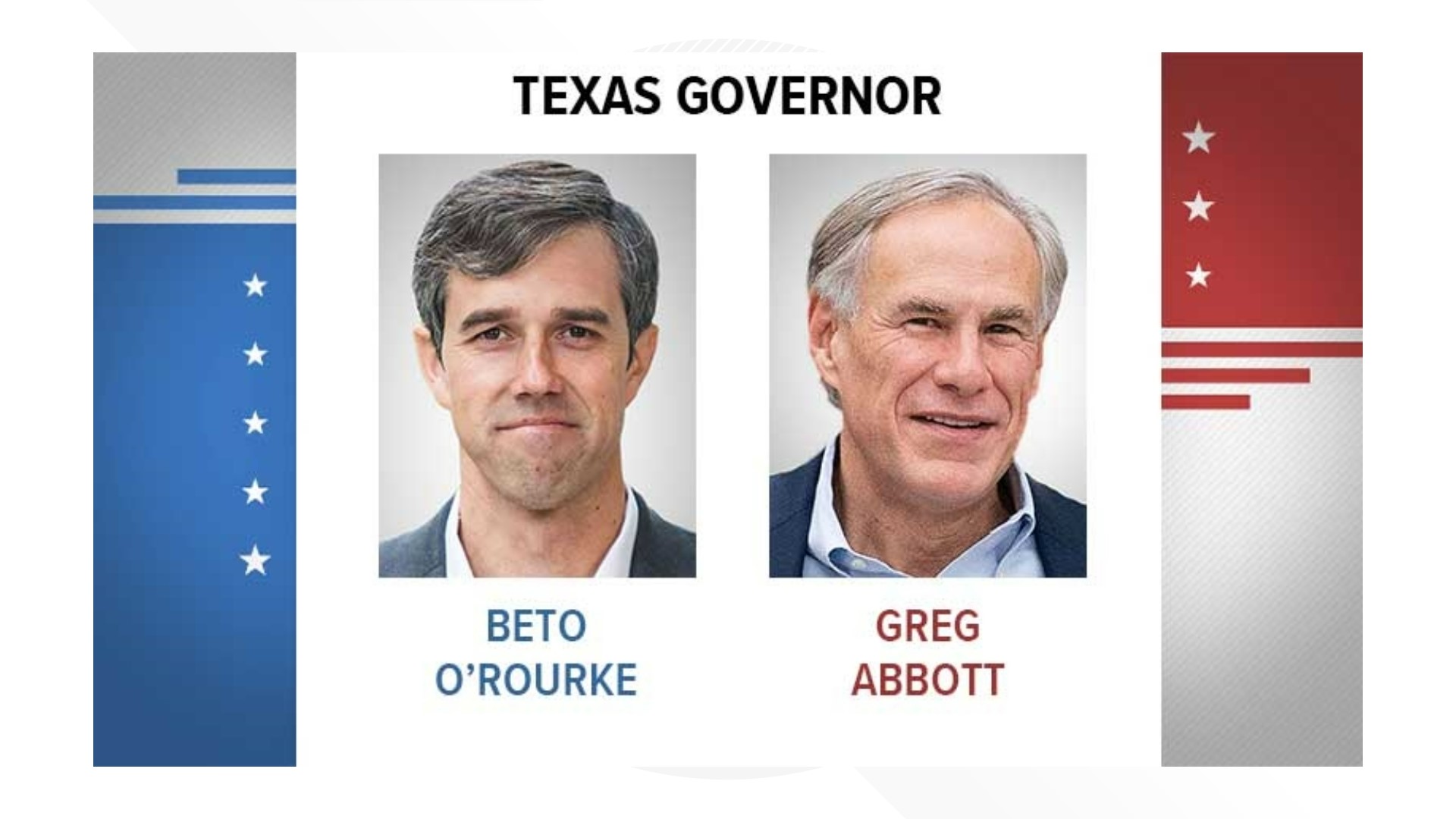
The concept of unlimited terms is best illustrated by the careers of some of Texas’s most prominent governors. Without a doubt, Rick Perry stands as the quintessential example. Serving from December 2000 to January 2015, Perry’s tenure of over 14 years made him the longest-serving governor in Texas history, and indeed, one of the longest-serving governors in the United States. His time in office spanned three presidential administrations and saw Texas experience significant economic growth, particularly in job creation and population expansion. Other notable governors like George W. Bush, who served from 1995 to 2000 before becoming President, also benefited from the four-year term structure, even if they didn’t serve for multiple full terms. Even earlier figures, such as Miriam “Ma” Ferguson and her husband James “Pa” Ferguson, served non-consecutive terms, demonstrating the historical precedent for returning to office. More recently, Greg Abbott has continued this tradition, winning multiple four-year terms and consolidating his influence over the state’s political landscape. These long tenures allow for a deep understanding of the state’s intricate issues and foster strong relationships with various stakeholders, from local officials to international investors, further solidifying Texas’s position on the national and global stage.
The Debate Over Term Limits: Continuity Versus Fresh Perspectives
The absence of term limits for the Texas Governor is a topic that regularly sparks debate among political scientists, citizens, and policymakers. There are compelling arguments on both sides, reflecting fundamental differences in how one views effective governance and democratic accountability. This ongoing discussion is not unique to Texas but resonates across the United States in discussions about political reform.
Arguments for and Against Uncapped Service
Proponents of unlimited terms often emphasize the benefits of experience and continuity. They argue that a seasoned governor, having navigated legislative sessions, budgetary challenges, and unforeseen crises, possesses invaluable institutional knowledge and a deeper understanding of the state’s complex needs. Long tenures allow for the successful implementation of long-term policy goals, avoiding the disruption and inefficiency that can come with frequent changes in leadership. Furthermore, they contend that the ultimate term limit is the ballot box itself; if the electorate is dissatisfied, they have the power to vote an incumbent out of office. This perspective aligns with the idea that voters should have the freedom to choose the best candidate, regardless of how long they have already served.
Conversely, critics of unlimited terms raise concerns about the potential for entrenchment, reduced accountability, and the stifling of fresh ideas. They argue that long-serving governors can become too powerful, creating entrenched bureaucracies and potentially becoming less responsive to the evolving needs of the populace. Term limits, in this view, encourage new talent to enter politics, bring diverse perspectives, and prevent any single individual from accumulating too much influence. It also ensures a regular infusion of new leadership, potentially fostering greater innovation and a more dynamic political environment. For those who value the democratic principle of regular rotation of power, the Texas model presents a perceived weakness.
Texas in Contrast: A National Overview
When comparing Texas to other states, its approach to gubernatorial term limits is somewhat an outlier. While many states allow governors to serve two or even three consecutive terms, a significant number impose absolute limits, often capping service at eight years total. For example, states like California and Florida have strict two-term limits, ensuring a regular turnover of executive power. Even the U.S. Presidency was not subject to formal term limits until the 22nd Amendment was ratified in 1951, a direct response to Franklin D. Roosevelt’s four terms. This national context highlights Texas’s distinctive position, rooted in its unique constitutional history and a political culture that historically has been wary of centralizing too much power, yet paradoxically allows for indefinite tenure in its highest office. The contrast offers a fascinating case study for political science enthusiasts and informs a deeper understanding of American governance.
Conclusion: The Enduring Texas Model
In summary, the question “How Many Terms Can Texas Governor Serve?” has a straightforward answer: an unlimited number of four-year terms. This constitutional design is a cornerstone of Texas politics, fostering a unique environment where continuity and experience in the executive office can have profound, long-lasting effects on the state’s trajectory. From guiding significant infrastructure development and economic growth to championing tourism initiatives and cultural preservation, the potential for extended gubernatorial tenures has indelibly shaped the Lone Star State’s character and global profile. While the debate over the merits of term limits continues, the current system reflects a deep-seated trust in the Texas electorate to make informed decisions about their leadership. For those visiting or residing in Texas, understanding this fundamental aspect of its governance offers valuable insight into the forces that drive this dynamic and ever-evolving state.
LifeOutOfTheBox is a participant in the Amazon Services LLC Associates Program, an affiliate advertising program designed to provide a means for sites to earn advertising fees by advertising and linking to Amazon.com. Amazon, the Amazon logo, AmazonSupply, and the AmazonSupply logo are trademarks of Amazon.com, Inc. or its affiliates. As an Amazon Associate we earn affiliate commissions from qualifying purchases.