California is a state renowned for its breathtaking landscapes, vibrant cities, and diverse cultural experiences. From the iconic beaches of Southern California to the majestic forests of the North, it offers an unparalleled array of destinations for travelers of all kinds. For many, the dream of exploring these wonders is tied closely to financial realities. For individuals living with disabilities, understanding the intricacies of disability payments in California is not just about daily living; it’s a vital component in planning for a fulfilling lifestyle, which often includes the joy of travel and discovering new horizons. This article delves into the various disability programs available in California, how much they typically pay, and crucially, how this financial support can empower individuals to explore the Golden State and beyond, embracing accessible travel and enriching their lives through unique experiences.
Understanding Disability Benefits in California
Navigating the landscape of disability benefits can be complex, as California offers a blend of federal and state programs designed to provide financial assistance and support. These payments are crucial for covering living expenses, healthcare, and for many, making travel a tangible possibility. Understanding the distinctions between these programs is the first step toward effective financial planning, whether you’re considering a weekend getaway to San Francisco or a longer stay in a luxurious accessible resort in Palm Springs.
Types of Disability Programs
In California, individuals with disabilities may be eligible for one or more of several key programs:
-
Social Security Disability Insurance (SSDI): This federal program is for individuals who have worked and paid Social Security taxes for a sufficient period. SSDI benefits are based on your average lifetime earnings. It’s not needs-based, meaning other income or assets typically do not affect eligibility or payment amounts. The goal is to replace a portion of lost income due to an inability to work because of a qualifying medical condition. Recipients of SSDI usually become eligible for Medicare after a 24-month waiting period. For those who can manage their health and have a desire to travel, SSDI provides a steady income stream that can be budgeted for various lifestyle choices, including accommodations and experiences.
-
Supplemental Security Income (SSI): Also a federal program administered by the Social Security Administration, SSI is a needs-based program for low-income individuals who are aged, blind, or disabled. Unlike SSDI, eligibility for SSI does not depend on prior work history but rather on financial need. In California, state supplementary payments are added to the federal SSI benefit, increasing the total monthly amount. Recipients of SSI are typically eligible for Medi-Cal, which covers healthcare costs. While offering less financial flexibility than SSDI for extravagant travel, SSI can still enable budget-friendly trips and local tourism experiences, especially when combined with careful planning and utilization of accessible public transport.
-
California State Disability Insurance (SDI): This is a state-specific program managed by the Employment Development Department (EDD) in California. SDI provides short-term wage replacement benefits to eligible California workers who are unable to work due to a non-work-related illness or injury, or a pregnancy. It’s important to note that SDI is temporary disability and not designed for long-term support. While not directly funding extensive travel, it can provide crucial income during a period of recovery, enabling individuals to maintain their lifestyle and recover without immediate financial strain.
-
In-Home Supportive Services (IHSS): Though not a direct cash payment for the individual, IHSS is a vital California program that provides services to eligible low-income elderly, blind, or disabled individuals to help them remain safely in their own homes. These services, which can include personal care, domestic services, and paramedical services, can indirectly free up funds that might otherwise be spent on private care, thereby enhancing financial flexibility for other aspects of life, including travel.
How Payments are Calculated and What to Expect
The amount of disability pay varies significantly based on the program and individual circumstances:
-
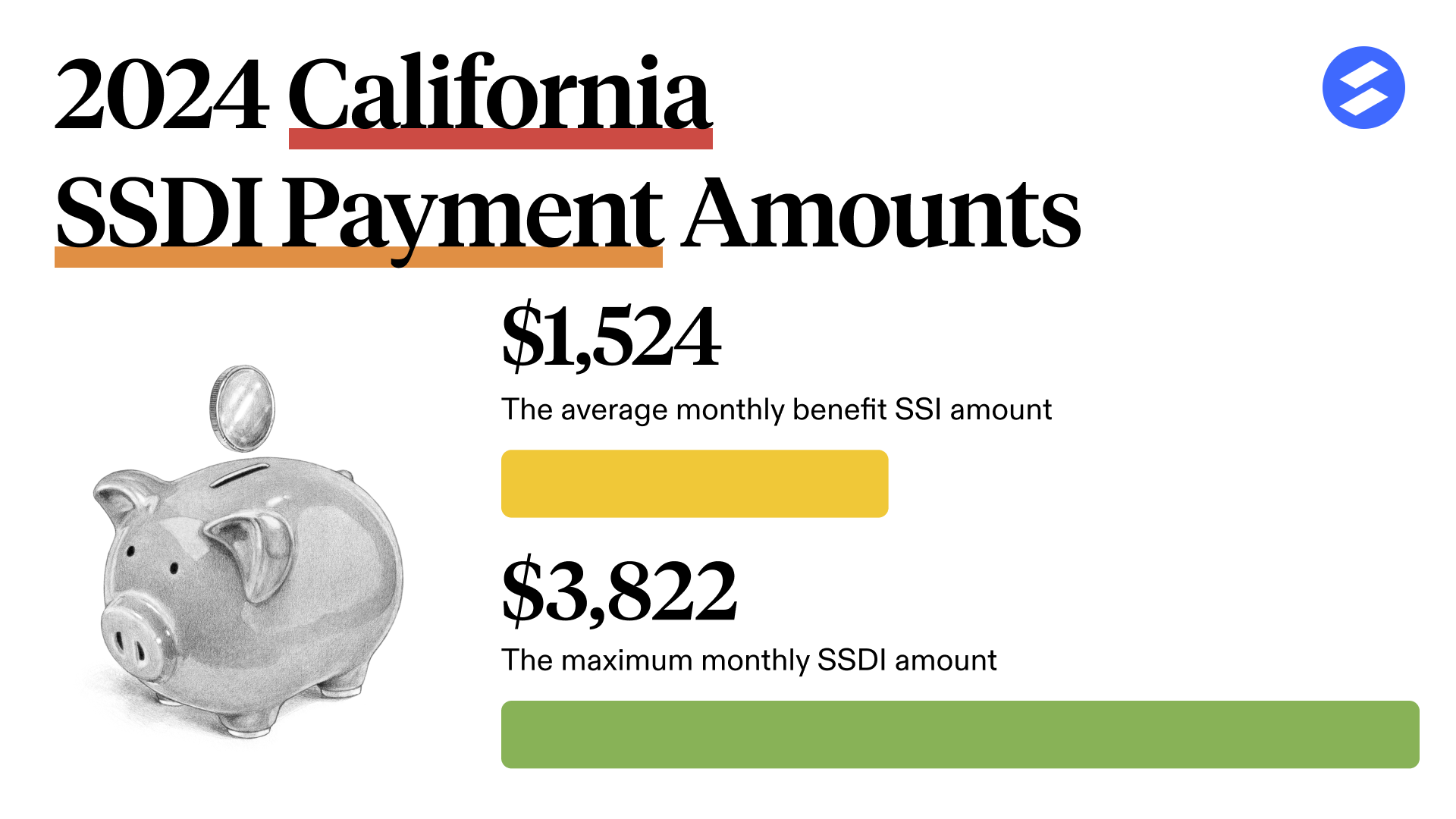
SSDI Payments: The average monthly SSDI benefit in California in a recent year was around $1,500, though this figure can fluctuate. Some individuals may receive substantially more, with the maximum possible benefit reaching over $3,000 per month for those with a strong work history and higher earnings. These benefits are determined by your Average Indexed Monthly Earnings (AIME). The consistent nature of SSDI payments allows for long-term financial planning, making it possible to save for significant travel experiences or invest in specialized accessible accommodation for an extended stay.
-
SSI Payments: In California, the federal SSI payment is supplemented by the State Supplementary Payment (SSP). For an eligible individual, the maximum combined federal SSI and state SSP payment can be around $1,180 per month (figures are subject to change annually). For couples, this amount is higher. Because SSI is needs-based, any other income or assets will reduce the benefit amount. While the budget might be tighter, this income still allows for local explorations, day trips to accessible attractions, or carefully planned budget travel within California’s many regions, perhaps through camping or staying in more affordable, yet accessible, guesthouses.
-
SDI Payments: SDI benefits are typically 60-70% of your average weekly wage earned 5 to 18 months before your claim began, up to a maximum weekly amount (which is updated annually, often exceeding $1,500 per week). These payments are temporary, lasting up to 52 weeks, making them ideal for covering expenses during a short-term recovery. While you might not be planning a trip during a temporary disability, this income ensures financial stability, allowing you to focus on healing and look forward to future travels once recovered.
-
IHSS Payments: The direct payment is made to the IHSS provider, not the recipient. However, by providing essential care at no direct cost to the recipient, it significantly reduces out-of-pocket expenses that would otherwise diminish an individual’s discretionary income. This effectively frees up funds for leisure activities, including accessible travel.
Empowering Accessible Travel: Making California Dreams a Reality
With a clearer understanding of potential disability payments, the next logical step is to consider how this income can be leveraged to enjoy the rich travel opportunities California offers. Travel, whether for leisure, cultural immersion, or simply relaxation, is a fundamental aspect of a fulfilling lifestyle. For travelers with disabilities, accessibility is paramount, and California has made significant strides in ensuring its diverse attractions are welcoming to all.
Navigating California’s Accessible Destinations
California is a treasure trove of accessible destinations. From metropolitan adventures to serene natural retreats, there’s something for every interest.
-
City Explorations: Los Angeles, with its vast urban landscape, offers numerous accessible attractions. The Getty Center, with its accessible tram and spacious galleries, provides breathtaking art and city views. Universal Studios Hollywood is continuously improving its accessibility features, making its rides and shows enjoyable for many. In San Francisco, the Golden Gate Bridge offers accessible pathways, and many museums, like the California Academy of Sciences, are fully compliant. The city’s accessible public transportation network makes navigating its famous hills much easier. San Diego boasts accessible beaches and world-class attractions like the San Diego Zoo and Balboa Park, all committed to universal access.
-
National Parks and Nature: While often perceived as challenging, many of California’s national parks offer surprisingly good accessibility. Yosemite National Park, for instance, has numerous accessible trails, viewpoints (like Tunnel View), and lodging options. The National Park Service provides detailed accessibility guides for each park, highlighting accessible restrooms, campsites, and visitor centers. Even coastal areas like Big Sur have accessible overlooks and pathways, allowing everyone to witness its dramatic beauty.
-
Theme Parks and Resorts: For families or those young at heart, theme parks are a huge draw. Disneyland Park in Anaheim and Universal Studios Hollywood are leaders in providing comprehensive accessibility services, including wheelchair access for rides, assistive listening devices, and accessible restrooms. Planning ahead with their accessibility guides can ensure a magical and stress-free visit.
Choosing the Right Accessible Accommodation
Accommodation is a critical component of any travel plan, especially for individuals with specific accessibility needs. California offers a wide spectrum of accessible options, from luxurious resorts to budget-friendly apartments.
-
Hotels and Resorts: Major hotel chains such as Marriott International, Hilton Worldwide, and Hyatt Hotels have made significant efforts to provide accessible rooms and amenities. Look for features like roll-in showers, grab bars, lowered sinks, visual alarms, and accessible common areas (pools, restaurants). It’s always best to call the specific hotel directly to confirm your needs, as accessibility features can vary even within the same brand. Many high-end resorts in destinations like Santa Barbara or Napa Valley are also increasingly catering to luxury accessible travel, offering personalized services and adapted suites.
-
Vacation Rentals and Apartments: Platforms like Airbnb and Vrbo now allow filtering for accessible properties, which can offer more space, privacy, and kitchen facilities – ideal for longer stays or for travelers with specific dietary needs. Always scrutinize photos and descriptions, and communicate directly with hosts to ensure the property meets your requirements. Some specialized agencies, like the Accessible Travel Collective, focus exclusively on vetting and listing truly accessible vacation rentals.
-
Budget Accommodation: Even on a tighter budget, accessible options exist. Many campgrounds in state and national parks offer accessible sites and restrooms. Some hostels or smaller motels are also upgrading their facilities. Researching in advance and reading reviews specifically mentioning accessibility is key.
Budgeting and Planning for Your California Getaway
Effective financial management, especially when relying on disability payments, is essential for transforming travel aspirations into reality. Strategic budgeting and meticulous planning can open doors to experiences you might not have thought possible.
Maximizing Your Disability Income for Travel
- Create a Dedicated Travel Fund: Set aside a small portion of your monthly disability payment specifically for travel. Even modest contributions can accumulate over time, enabling a significant trip annually or several smaller ones.
- Utilize Discounts and Programs: Many attractions, transportation services, and national parks offer discounts for individuals with disabilities. Research these options in advance. For example, the National Park Service offers an Access Pass for U.S. citizens or permanent residents with permanent disabilities, providing free lifetime entry to federal recreation sites.
- Explore Off-Season Travel: Traveling during the shoulder seasons (spring or fall) or off-season (winter, excluding holidays) can significantly reduce costs for flights, accommodation, and sometimes even attractions. This allows your disability income to stretch further.
- Consider Shorter, Local Trips: Instead of one long, expensive trip, explore closer-to-home destinations within California. Day trips to nearby accessible towns or short overnight stays can provide the mental and emotional benefits of travel without a large financial outlay. Sacramento, for example, offers many accessible historical sites and a vibrant waterfront for a budget-friendly city break.
- Cook Your Own Meals: Staying in accommodations with kitchenettes (like many accessible apartments or suites) and preparing some of your own meals can save a substantial amount compared to dining out for every meal.
Tips for a Seamless Accessible Travel Experience
Beyond financial considerations, practical planning is vital for an enjoyable trip.
- Thorough Research is Key: Do not underestimate the power of detailed research. Look for information on specific accessibility features of your chosen destination, attractions, and accommodations. Websites like AccessibleGO or Wheelchair Accessible Travel Blog provide invaluable insights and reviews.
- Communicate Your Needs: When booking flights, hotels, or tours, clearly communicate your accessibility requirements. Confirm details like wheelchair storage on planes, transfer assistance, accessible room features, or availability of accessible transport. Don’t assume; always verify.
- Pack Smart: Bring all necessary medications, medical equipment, and any adaptive aids. Consider a comprehensive travel insurance policy that covers medical emergencies and equipment loss or damage, especially for longer or more complex trips.
- Plan Transportation: Research accessible transportation options at your destination. This might include accessible taxis, ride-sharing services with accessible vehicle options, or public transit systems. Many California cities have well-developed accessible bus and train services.
- Travel Companionship: If needed, consider traveling with a companion who can assist with certain tasks. This can enhance safety and enjoyment, and in some cases, a companion’s travel expenses might be partially offset by your ability to manage other costs more effectively.
Beyond California: Expanding Your Horizons
While the focus of understanding disability payments in California often starts with local exploration, the principles of financial planning and accessible travel extend far beyond state borders. For those receiving federal benefits like SSDI, which are portable across state lines and even internationally, the potential for adventure grows exponentially. A carefully managed budget, coupled with ongoing research into global accessibility standards, can transform dreams of international travel into concrete plans. Imagine exploring the accessible art museums of London, the roll-friendly paths of Paris‘ parks, or the vibrant culture of accessible cities in Mexico.
The journey of living with a disability should not preclude the rich experiences that travel offers. California, with its robust support systems and growing commitment to accessibility, serves as an excellent starting point for individuals to embark on their travel adventures. By understanding the financial resources available through disability payments and applying diligent planning, accessible travel becomes not just a possibility, but an integral part of a life well-lived, full of exploration, discovery, and unforgettable moments.