
The question “How Many Texas Fit In Alaska?” is more than just a playful geographical query; it’s an immediate invitation to grasp the sheer, bewildering scale of the United States’ largest state. For travelers, understanding this immense size is not merely an academic exercise; it’s fundamental to planning an Alaskan adventure that is both realistic and deeply rewarding. When one considers the vastness of Alaska, the familiar benchmark of Texas, a state synonymous with its own significant size, becomes an indispensable comparative tool. This article delves into the staggering dimensions of Alaska and explores what that unparalleled scale means for those dreaming of exploring its wild frontiers.
The Staggering Scale: Alaska’s Unrivaled Vastness
To truly appreciate Alaska, one must first grapple with its incredible physical dimensions. It’s a state that defies easy categorization, a land of extremes where distances stretch beyond conventional understanding.
A Geographic Colossus
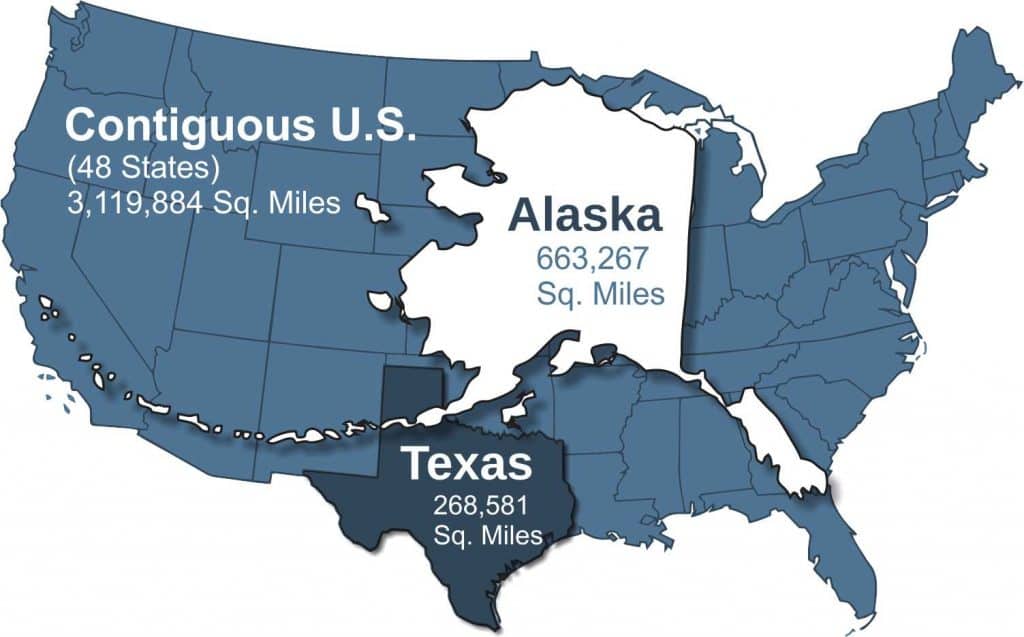
Alaska is, quite simply, enormous. Covering approximately 665,384 square miles (1,723,337 square kilometers), it is larger than Texas, California, and Montana combined. To put that into perspective, if Alaska were superimposed over the contiguous United States, it would stretch from the Atlantic to the Pacific and from the Canadian border to the Gulf of Mexico. Its territory includes everything from temperate rainforests to frozen tundra, towering mountain ranges, and countless islands. This geographic diversity is a direct consequence of its size, offering an unparalleled range of environments and ecosystems for exploration.
The Texas Yardstick
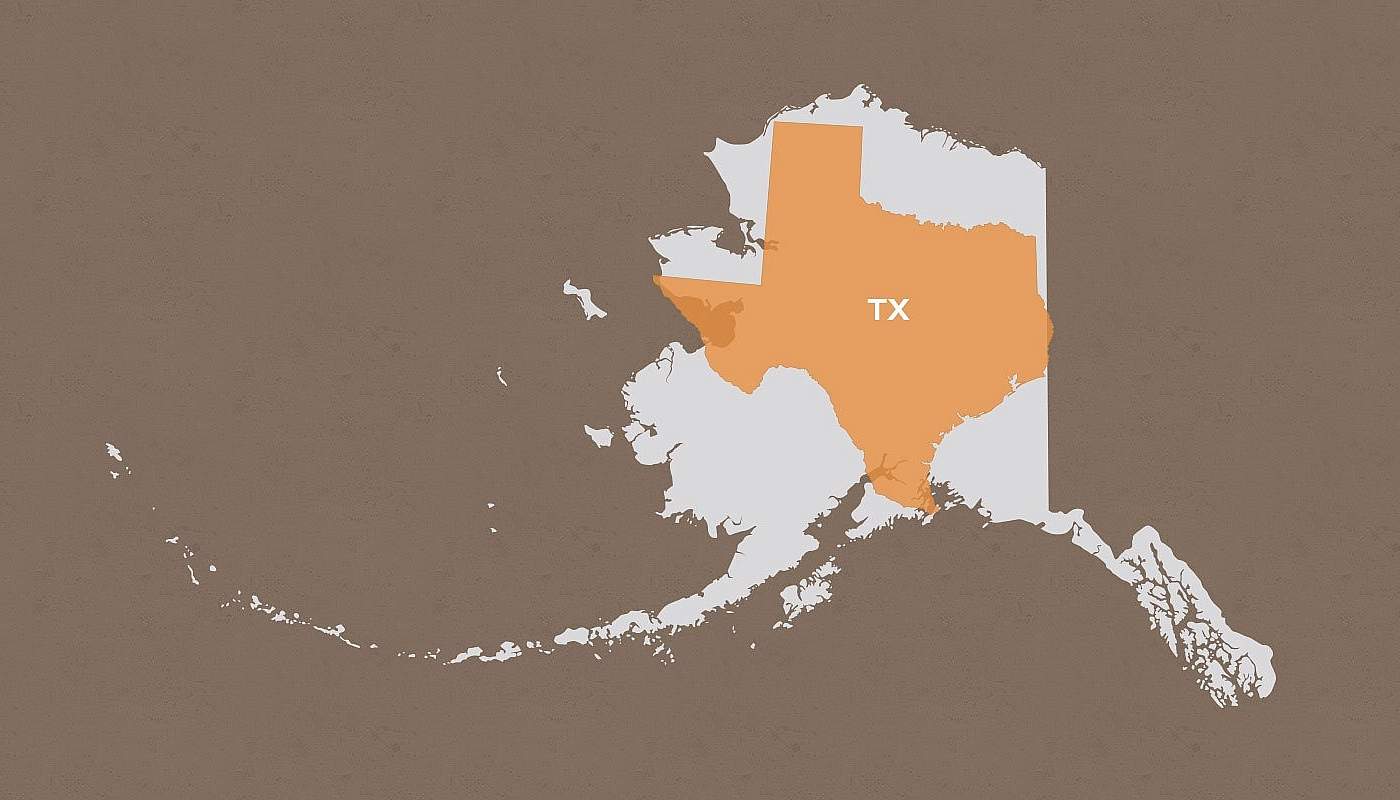
Now, to answer the titular question: how many Texas fit in Alaska? Texas, itself a formidable state in terms of area, spans roughly 268,596 square miles (695,662 square kilometers). A simple division reveals the astonishing truth: approximately 2.5 Texas could fit within the borders of Alaska. This means Alaska is more than twice the size of Texas, a fact that profoundly impacts every aspect of travel within the Last Frontier. The comparison helps to underscore that planning a trip to Alaska requires a mindset shift; it’s not just another state to visit, but a continent-sized destination with unique logistical challenges and boundless rewards.
Coastlines and Borders
Alaska’s immense size also translates into an unparalleled coastline. With over 6,640 miles (10,686 km) of coastline, and more than 33,904 miles (54,563 km) if one includes all islands and inlets, it boasts more shoreline than all other United States states combined. This vast maritime boundary stretches along the Pacific Ocean, the Bering Sea, and the Arctic Ocean, creating diverse marine ecosystems and coastal travel experiences, from the fjords of Southeast Alaska to the remote shores of the Arctic Circle. Furthermore, Alaska shares a significant land border with Canada, primarily with the Yukon territory, adding another dimension to its geographic scope and cross-border travel potential.
Navigating the Immensity: Travel Implications
Understanding Alaska’s scale is crucial for any prospective traveler. It dictates not only what you can see but also how you plan to see it.
Planning Your Alaskan Expedition
The sheer size of Alaska means that traditional road trips, while possible in certain regions, often cover only a fraction of the state. Travelers must account for extended travel times, often covering hundreds of miles between major destinations. For instance, driving from Anchorage, the state’s largest city, to Fairbanks in Interior Alaska is an all-day affair, while reaching the capital city of Juneau (which is not connected by road to the rest of the state) requires a flight or ferry. Air travel, particularly via small bush planes, becomes a necessity for accessing many of Alaska’s most remote and pristine areas, from remote fishing lodges to national parks. Cruises are also immensely popular, particularly for exploring the glacier-carved landscapes and wildlife-rich waters of the Inside Passage and the Gulf of Alaska. A comprehensive Alaskan adventure often involves a combination of these travel modes, each offering a unique perspective on the expansive landscapes.
Regional Exploration vs. Comprehensive Tours
Due to its vastness, a common misconception is that one can “see all of Alaska” in a single trip. In reality, travelers must make strategic choices, often focusing on one or two distinct regions. Southcentral Alaska offers a blend of accessibility, national parks like Kenai Fjords National Park, and vibrant cities. Interior Alaska is home to Denali National Park and the vast wilderness that stretches towards the Arctic Circle. Southeast Alaska is characterized by its island-studded Inside Passage and rainforests, best explored by cruise or ferry. Each region offers distinct landscapes, wildlife, and cultural experiences. Attempting to traverse too many regions in a short timeframe can lead to exhaustion and a superficial understanding, whereas focusing on a specific area allows for deeper immersion and appreciation.
The Illusion of Distance
In Alaska, the concept of distance is different. What might seem like a short hop on a map can be a multi-hour journey by car, or a lengthy flight. Mountains that appear close are often dozens of miles away, and valleys can stretch for hundreds. This grand scale means that travel experiences are often defined by the journey itself, with scenic drives, ferry rides, and flights over dramatic landscapes becoming integral parts of the adventure. Travelers learn to embrace the long stretches of wilderness between towns, appreciating the solitude and the ever-present possibility of spotting wildlife in their natural habitat.
Diverse Landscapes and Travel Experiences
The immense size of Alaska is the primary reason for its unparalleled diversity of natural beauty and outdoor activities, attracting travelers seeking truly unique experiences.
From Arctic Tundra to Temperate Rainforests
Within Alaska’s borders lie an astonishing array of ecosystems. In the north, the treeless Arctic Tundra stretches endlessly, home to caribou and polar bears, offering unique opportunities for remote wilderness expeditions and aurora viewing. Further south, the vast Interior Alaska is characterized by boreal forests, braided rivers, and the towering peaks of the Alaska Range. The coastal regions, particularly Southeast Alaska, are dominated by lush temperate rainforests, glaciers, and marine wildlife. This dramatic shift in landscape within a single state means that travelers can tailor their experience to their interests, whether it’s exploring icefields, hiking alpine trails, or kayaking through protected fjords.
Iconic Destinations Shaped by Scale
Alaska’s most famous destinations are defined by their grand scale. Denali National Park, home to Mount Denali, North America’s highest peak, encompasses over 6 million acres of pristine wilderness. Its vastness protects an incredible array of wildlife and offers an immersive backcountry experience unmatched elsewhere. Kenai Fjords National Park showcases the dramatic intersection of glaciers and ocean, accessible via boat tours that reveal calving ice and abundant marine life. The Inside Passage, a network of waterways and islands in Southeast Alaska, is an epic cruise destination, allowing travelers to witness towering glaciers, ancient forests, and charming coastal towns without ever straying too far from the water. Each of these destinations capitalizes on Alaska’s immense size to offer a truly wild and expansive experience.
A World of Adventure
The sheer scale of Alaska creates an unparalleled playground for adventure travelers. Activities range from world-class fishing for salmon and halibut in its countless rivers and coastal waters to glacier trekking and ice climbing on massive icefields. Wildlife viewing opportunities are abundant and often spectacular, with chances to see grizzly bears, moose, caribou, whales, and bald eagles in their natural habitats. Hiking trails vary from gentle walks through coastal forests to multi-day expeditions into remote mountain ranges. Kayaking, rafting, dog sledding, and flightseeing tours are just a few more ways travelers can engage with Alaska’s majestic landscapes, each activity offering a profound connection to the wilderness that only such a vast, untamed territory can provide.
Comparing Travel Logistics: Alaska vs. Texas
While both Alaska and Texas are large states, their logistical challenges for travelers are vastly different due to their geographic context and development.
Infrastructure and Accessibility
Texas boasts an extensive and well-maintained road network, making travel by car straightforward and efficient across its vast plains. Major cities are interconnected by freeways, and smaller towns are easily accessible. In contrast, Alaska’s infrastructure is significantly less developed outside of its main population centers. Much of the state remains without roads, necessitating air or water travel for access. This limited road network adds to the adventure but also requires more intricate planning and often higher costs. The concept of “fly-in” lodges and remote cabins is a testament to Alaska’s unique accessibility challenges, which ultimately contribute to its wild charm and exclusivity.
Cost and Time Commitment
Exploring a state like Texas can be done relatively affordably, with many road trip options and varied accommodation choices. The time commitment can also be flexible, with weekend trips or week-long explorations being common. Alaska, however, demands a greater investment of both time and money. The sheer distances, reliance on specialized transportation (flights, cruises, bush planes), and the seasonal nature of its tourism industry often mean higher prices for tours, accommodations, and even basic supplies. A meaningful trip to Alaska typically requires at least a week, if not two or more, to genuinely experience even a fraction of what it offers, making it a significant undertaking compared to shorter, more accessible destinations.
Seasonal Considerations
Texas experiences distinct seasons, but its large size means that different regions can have varying climates. However, travel is generally feasible year-round in most parts, with activities adapting to the heat or cooler temperatures. Alaska’s travel seasons are much more pronounced and dictated by its extreme northern latitude. The peak summer months (June-August) offer long daylight hours, warmer temperatures, and full accessibility to parks and wilderness areas. Outside of this window, access can be limited, and temperatures drop dramatically. Winter travel offers unique experiences like aurora borealis viewing and winter sports, but requires specific planning and preparation. The state’s vastness contributes to microclimates, meaning conditions can vary significantly from one region to another even within the same season, adding another layer of complexity to travel planning.
Embracing the Grandeur: Why Size Matters for Travelers
Ultimately, the answer to “How Many Texas Fit In Alaska?” isn’t just a number; it’s a testament to the raw, untamed essence of the Last Frontier.
The Lure of the Wild Frontier
For many, Alaska’s vastness is its most compelling draw. It offers a rare opportunity to disconnect from the modern world and immerse oneself in truly wild, expansive landscapes. The feeling of insignificance amidst towering mountains, immense glaciers, and endless forests is often profound and deeply spiritual. This scale promises true solitude, pristine environments, and the chance to witness nature operating on its own grand terms, unencumbered by human development. It is the ultimate frontier, a place where adventure is not just an activity but a way of life.

Unforgettable Journeys
The notion that 2.5 Texas could fit within Alaska underscores that a trip to this northern giant is not just a vacation; it’s an expedition. It demands respect for nature, careful planning, and an openness to experiences that challenge and inspire. The memories forged amidst Alaska’s grandeur—watching a glacier calve into a fjord, spotting a grizzly bear fishing for salmon, or marveling at the Northern Lights dancing across the sky—are etched deeply into the traveler’s soul precisely because of the immense, untouched canvas upon which they unfold. Its size is not just a statistic; it is the very foundation of Alaska’s allure, promising an unforgettable journey into one of the world’s last true wildernesses.
LifeOutOfTheBox is a participant in the Amazon Services LLC Associates Program, an affiliate advertising program designed to provide a means for sites to earn advertising fees by advertising and linking to Amazon.com. Amazon, the Amazon logo, AmazonSupply, and the AmazonSupply logo are trademarks of Amazon.com, Inc. or its affiliates. As an Amazon Associate we earn affiliate commissions from qualifying purchases.