
The question “How Many Texases Can Fit In Alaska?” isn’t just a geographical curiosity; it’s a foundational inquiry for anyone planning to travel to the United States’ largest and most magnificent state. Understanding the sheer scale of Alaska is paramount to appreciating its diverse landscapes, planning realistic itineraries, and truly grasping the epic nature of an Alaskan adventure. For context, Texas, the second-largest state, often serves as a familiar benchmark for vastness within the Lower 48. Yet, even Texas pales in comparison to the Last Frontier.
The Immense Scale of Alaska
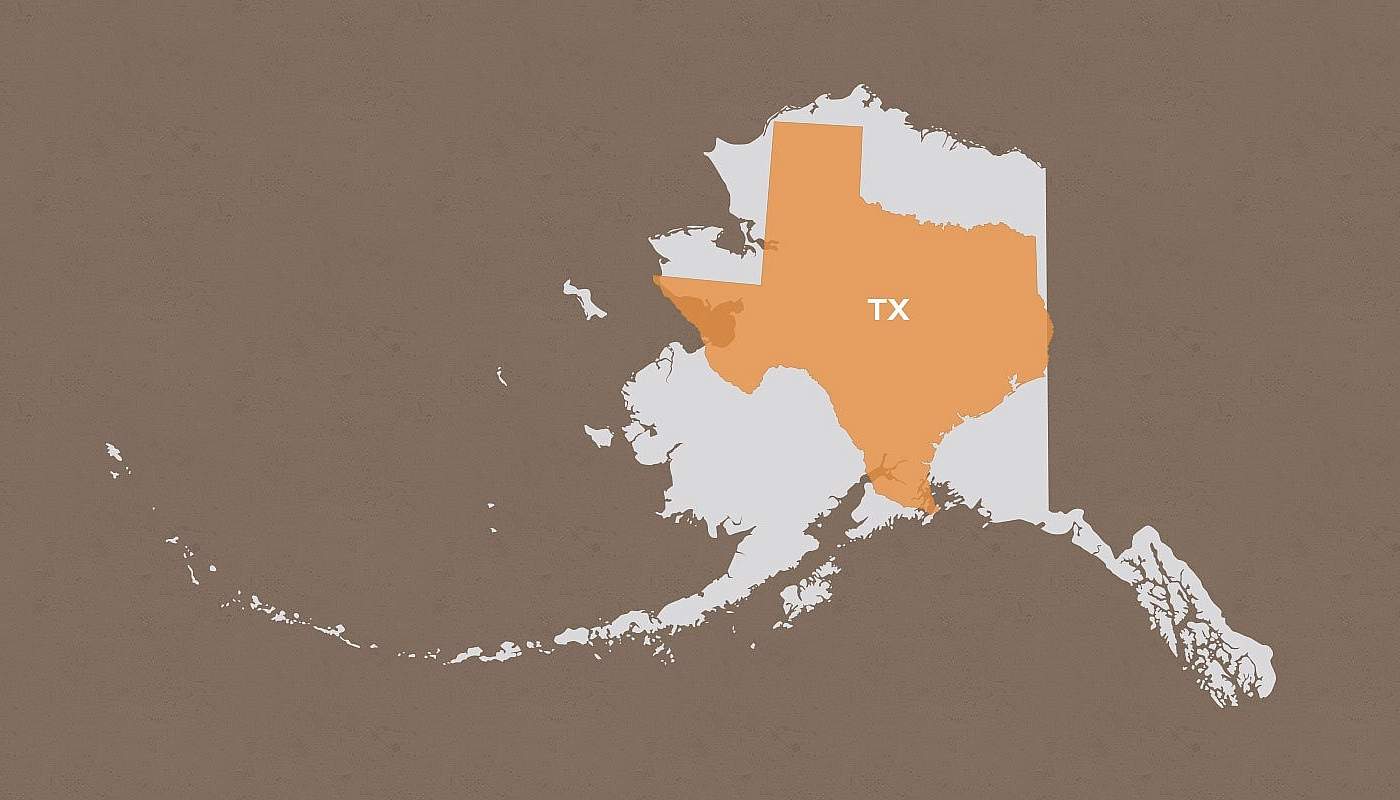
To answer the titular question directly: approximately 2.5 Texases can fit within the borders of Alaska. This staggering comparison immediately sets the stage for what awaits travelers. Alaska isn’t just big; it’s geographically transformative, redefining expectations of space, wilderness, and human solitude.
By the Numbers: Acreage and Coastline
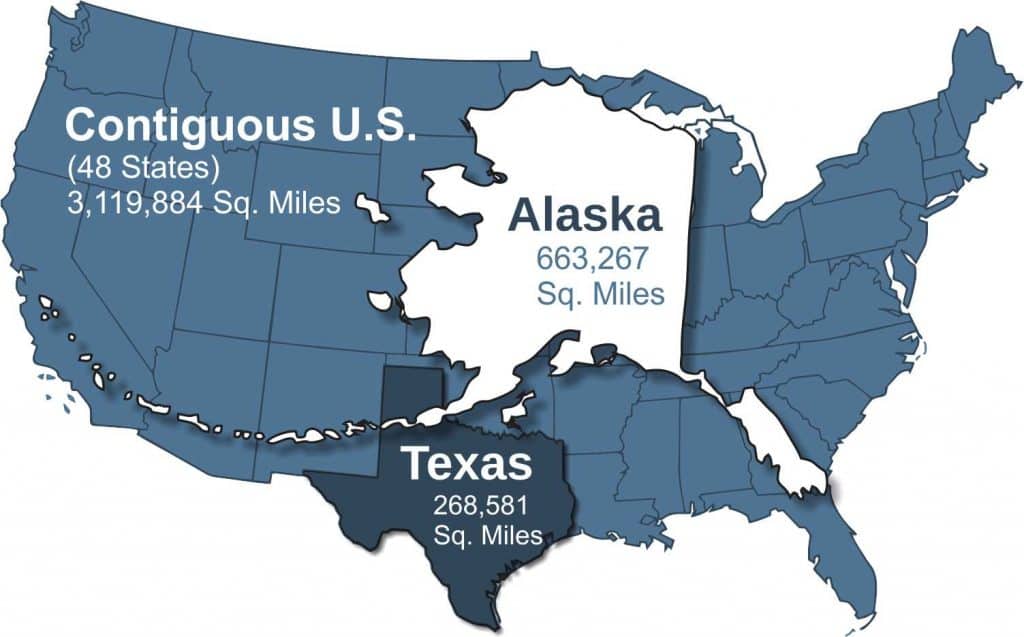
Alaska encompasses over 663,000 square miles (1.7 million square kilometers) or roughly 425 million acres. Texas, by contrast, measures about 268,000 square miles (695,000 square kilometers). This puts Alaska at nearly 2.5 times the size of Texas. To put it another way, if Alaska were a country, it would be the 17th largest in the world, just behind Mexico and ahead of Saudi Arabia.
Its coastline is even more mind-boggling. With more than 33,000 miles (53,000 kilometers) of tidal coastline—including islands—Alaska boasts more coastline than all other U.S. states combined. This intricate network of fjords, bays, and islands contributes immensely to its mystique and offers unparalleled marine travel and exploration opportunities.
Geographical Diversity Across a Continent-Sized State
The sheer size of Alaska allows for an incredible range of geographical features and ecosystems, each offering unique travel experiences. From the temperate rainforests of the Panhandle to the arctic tundra of the North Slope, and from the towering peaks of the Alaska Range to the vast interior plains, the state is a microcosm of diverse natural wonders. It contains 17 of the 20 highest peaks in the United States, including Denali (formerly Mount McKinley), North America’s tallest mountain. Over 100,000 glaciers dot its landscape, carving out dramatic fjords and feeding powerful rivers. This immense diversity means that a single trip to Alaska can never capture its entirety; it demands focused itineraries and repeat visits.
Navigating the Vastness: Travel Implications
The enormous dimensions of Alaska directly translate into unique challenges and exciting opportunities for travelers. Unlike many destinations where driving between major attractions is feasible within a day, Alaskan travel often requires more strategic planning and a willingness to utilize varied modes of transportation.
Planning Your Alaskan Adventure
Given its size, travelers must carefully select a region or a few key areas to explore rather than attempting to see everything in one go. A common mistake is underestimating travel times and distances. A journey that looks short on a map can take days by road or require a flight. Focusing on specific interests—be it wildlife viewing, glacier exploration, fishing, hiking, or cultural immersion—will help narrow down the vast possibilities and create a more fulfilling trip. For instance, a trip centered around national parks might focus on Denali National Park and Preserve and the Kenai Fjords National Park in the southcentral region, while an expedition for unparalleled bear viewing might prioritize Katmai National Park and Preserve.
Modes of Transportation
Traveling in Alaska is an adventure in itself, often necessitating a combination of transport methods:
- Air Travel: For reaching remote lodges, accessing wilderness areas, or simply covering vast distances quickly, bush planes and regional flights are indispensable. Services from cities like Anchorage and Fairbanks connect travelers to smaller communities and breathtaking backcountry locations. Air taxis offer unparalleled views and access to areas otherwise unreachable.
- Ferries: The Alaska Marine Highway system, a national scenic byway, offers a unique way to explore the coastal communities of Southeast and Southcentral Alaska. Travelers can drive their vehicles onto the ferries, allowing for a combination of road and sea travel, providing stunning views of fjords, glaciers, and wildlife.
- Rail: The Alaska Railroad provides scenic journeys connecting Seward, Anchorage, Denali National Park and Preserve, and Fairbanks. It’s a popular choice for those wanting to experience majestic landscapes from the comfort of a train car, often featuring domed observation cars.
- Roads: While the road system is extensive, many parts of Alaska remain roadless. The state’s major highways offer incredible scenic drives, such as the Seward Highway or the Parks Highway, but adventurers should be prepared for long stretches between services and often gravel or unpaved sections, especially on routes like the Dalton Highway.
Experiencing Alaska’s Diverse Regions
Dividing Alaska into distinct travel regions helps in visualizing and planning. Each area offers a unique flavor of the Alaskan experience, dictated by its geography and accessibility.
Southcentral Alaska: Anchorage and Beyond
This region is the most populated and often serves as the gateway for most travelers, thanks to the international airport in Anchorage. It’s a hub for accessing world-class fishing on the Kenai Peninsula, glacier cruises in Prince William Sound, and hiking in Chugach State Park. Denali National Park and Preserve, home to North America’s highest peak, is also largely accessed from this region, offering unparalleled wildlife viewing and mountaineering opportunities. The combination of urban amenities and immediate access to vast wilderness makes it a highly appealing starting point.
Southeast Alaska: The Inside Passage
Comprising a narrow strip of mainland and thousands of islands, Southeast Alaska is characterized by temperate rainforests, fjords, and a vibrant Indigenous culture. Most travelers explore this region via cruise ship or the Alaska Marine Highway. Key destinations include the capital city of Juneau, with its Mendenhall Glacier, the historic Russian influence of Sitka, and the Tlingit totem poles of Ketchikan. Activities here revolve around marine wildlife viewing (whales, orcas, sea lions), fishing, kayaking, and exploring charming port towns steeped in history.
Interior Alaska: Fairbanks and the Arctic
The Interior is dominated by vast boreal forests, broad rivers, and extremes of temperature. Fairbanks is the largest city here, known as the “Golden Heart City” and a prime location for viewing the Northern Lights during winter. In summer, the midnight sun offers endless daylight for hiking, gold panning, and riverboat tours. Further north lies the remote Arctic Circle, accessible via the Dalton Highway or small plane, where the landscape transitions to tundra and encounters with caribou and muskox are possible. This region appeals to travelers seeking extreme wilderness and unique seasonal phenomena.
Southwest and Western Alaska: Untamed Frontiers
These are some of Alaska’s most wild and remote areas, largely accessible only by air or sea. Southwest Alaska is home to Katmai National Park and Preserve, famous for its prolific brown bear viewing at Brooks Falls, and Kodiak Island, known for its massive Kodiak bears and world-class fishing. Western Alaska, stretching along the Bering Sea coast, offers a glimpse into traditional Indigenous life, diverse birdlife, and vast, untouched landscapes. These regions are for the truly adventurous traveler seeking solitude, unparalleled wildlife encounters, and an immersion in authentic Alaskan culture.
Maximizing Your Alaskan Expedition
Given the colossal size and diverse offerings of Alaska, careful planning is not just recommended, but essential for a rewarding travel experience.
Time Allocation and Seasonal Considerations
To truly appreciate any single region of Alaska, a minimum of 5-7 days is often advised, with 10-14 days allowing for a more comprehensive exploration of one or two areas. The peak travel season is summer (June to August), offering the best weather, longest daylight hours, and full accessibility to all attractions and activities. Shoulder seasons (May and September) can offer fewer crowds and potentially lower prices, though some services may be limited. Winter travel, while challenging, offers unique experiences like dog sledding, aurora viewing, and skiing. Your choice of season will dramatically impact available activities and the overall character of your trip.

Embracing the Wild: Preparedness and Respect
Traveling in a state as wild as Alaska requires a certain level of preparedness and respect for nature. Wildlife encounters are common, from bears and moose to eagles and whales, necessitating knowledge of safety protocols. Weather can change rapidly, regardless of the season, making layers of clothing and waterproof gear essential. Furthermore, responsible tourism is crucial. Visitors are encouraged to practice “Leave No Trace” principles to preserve Alaska’s pristine wilderness for future generations.
In conclusion, the question of how many Texases fit into Alaska isn’t just about square miles; it’s about understanding a fundamental truth of Alaskan travel: this is a destination of immense proportions, unparalleled natural beauty, and endless possibilities. It’s a place where careful planning, a spirit of adventure, and an appreciation for the wild will lead to an unforgettable journey.
LifeOutOfTheBox is a participant in the Amazon Services LLC Associates Program, an affiliate advertising program designed to provide a means for sites to earn advertising fees by advertising and linking to Amazon.com. Amazon, the Amazon logo, AmazonSupply, and the AmazonSupply logo are trademarks of Amazon.com, Inc. or its affiliates. As an Amazon Associate we earn affiliate commissions from qualifying purchases.