
Understanding the cost of water in California is crucial for any traveler planning a trip, a temporary stay, or even considering a long-term visit to the Golden State. While often overlooked in the broader budgeting for a trip, utility costs, particularly water, can vary significantly across its diverse landscapes and municipalities. This guide delves into the factors influencing water bills in California and provides insights into what travelers might expect, focusing on how these costs might indirectly impact their accommodation expenses.
Understanding California’s Water Landscape
California‘s water system is a complex network, influenced by geography, population density, and a perennial focus on conservation. Unlike many other states, California faces unique challenges due to its semi-arid climate, extensive agricultural needs, and a large, dispersed population. This necessitates a robust, albeit sometimes costly, infrastructure for water sourcing, treatment, and distribution.
Sources of Water in California
The primary sources of water for California‘s residents and visitors are a combination of surface water and groundwater.
- Surface Water: This includes water from rivers, lakes, and reservoirs. Major systems like the State Water Project and the Central Valley Project are vital for transporting water from wetter Northern California to drier Southern regions. These projects involve extensive infrastructure, including aqueducts and dams, the maintenance and operation of which contribute to water costs.
- Groundwater: Aquifers beneath the state’s surface are another significant source, particularly in the Central Valley. However, over-reliance on groundwater has led to significant depletion in many areas, prompting stricter regulations and increased costs associated with pumping and replenishment efforts.
- Recycled Water: As California prioritizes conservation, the use of recycled water for non-potable purposes (like irrigation and industrial use) is growing. While this doesn’t directly impact residential water bills for drinking water, it’s part of the overall water management strategy that influences the cost structure.
- Desalination: In coastal areas, particularly in Southern California, desalination plants are becoming increasingly important. These facilities convert ocean water into fresh, potable water. The energy-intensive process of desalination adds to the cost of water in regions where it is a significant supply source.
Factors Influencing Water Costs
Several key factors contribute to the price of water in California, affecting both the utilities and, by extension, the cost of accommodation for travelers.
1. Water Source and Treatment:
The cost of obtaining and treating water varies greatly depending on its source. Water from distant rivers requires extensive and costly transportation infrastructure. Treating surface water to make it potable can be more expensive than treating groundwater, and desalination is by far the most costly method. The purification processes involve advanced filtration and disinfection to meet stringent health standards.
2. Infrastructure and Maintenance:
California‘s water infrastructure is aging in many areas. The cost of repairing and replacing aging pipes, pumps, and treatment facilities is significant and is passed on to consumers through water rates. Leaks in the distribution system can also lead to significant water loss, impacting efficiency and costs.
3. Energy Costs:
Pumping water, especially from deep wells or over long distances, and operating treatment plants requires substantial amounts of energy. Fluctuations in energy prices directly influence the cost of delivering water.
4. Conservation Efforts and Regulations:
California has some of the most stringent water conservation regulations in the country. While beneficial for long-term sustainability, these regulations can sometimes increase operational costs for water agencies as they invest in new technologies or manage limited supplies. Tiered water pricing, where higher usage is charged at a proportionally higher rate, is common and incentivizes conservation.
5. Local Governance and Utility Structures:
Water service in California is typically provided by local public agencies, such as municipal water departments or county water districts, or by private investor-owned utilities. Each agency sets its own rates based on its operating costs, capital improvement plans, and debt service. This leads to significant variation in water prices from one city or region to another.
6. Population Density and Demand:
Areas with higher population density and greater demand generally require more extensive and expensive infrastructure. Managing water resources for large metropolitan areas like Los Angeles or the San Francisco Bay Area is a complex undertaking with substantial associated costs.
Typical Water Bill Components for Accommodation
While a traveler typically doesn’t receive a direct water bill, the cost of water is an embedded expense in the price of accommodation. Understanding these components can shed light on why hotel rates might fluctuate.
1. Fixed Service Charges:
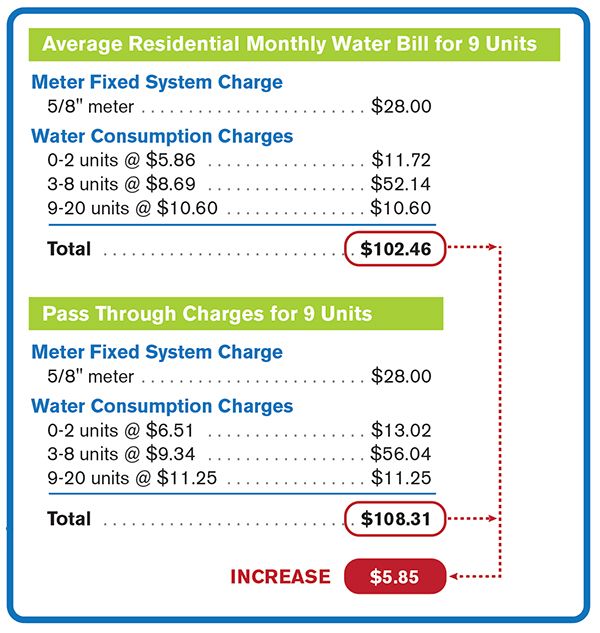
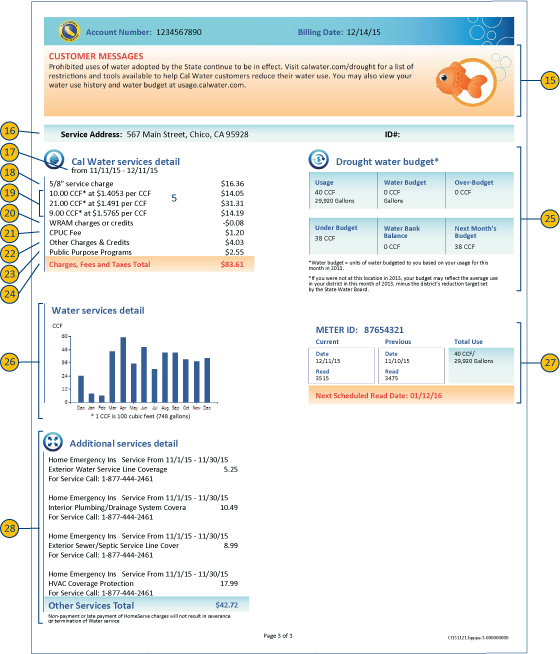
Most water utilities charge a fixed monthly service fee, regardless of water usage. This fee covers basic administrative costs, meter reading, and maintaining the connection to the water supply. This is a baseline cost that accommodation providers must absorb.
2. Volumetric Charges (Usage-Based):
This is the primary component of the water bill and is calculated based on the amount of water consumed, usually measured in gallons or cubic feet. California often employs a tiered pricing structure.
- Tier 1 (Basic Needs): The lowest rate applies to essential water use.
- Tier 2 (Moderate Use): A slightly higher rate for increased consumption.
- Tier 3+ (Higher Use): Significantly higher rates for excessive water use, strongly encouraging conservation.
Accommodation providers, especially larger hotels and resorts with extensive landscaping, swimming pools, and high guest turnover, can incur substantial volumetric charges.
3. System Improvement Fees/Capital Charges:
Water agencies often levy charges to fund ongoing or future infrastructure projects, such as upgrades to treatment plants, expansion of the distribution network, or seismic retrofitting of critical facilities. These costs are factored into the overall rate structure.
4. Drought Surcharges and Penalties:
During periods of drought, water agencies may implement mandatory conservation measures and introduce surcharges or penalties for exceeding allocated water budgets. Accommodation businesses must adapt to these, potentially leading to increased operational costs that could be reflected in room rates.
Estimated Water Costs in Popular California Destinations
Given the variability, providing an exact figure for a “typical” water bill in California is challenging. However, we can illustrate the range and factors influencing costs in popular tourist destinations.
1. Southern California (e.g., Los Angeles, San Diego)
This region relies heavily on imported water from the Colorado River and the State Water Project, as well as local groundwater and increasingly, desalination. Water is generally more expensive here due to the significant costs associated with sourcing, treatment, and the vast infrastructure required.
- Factors: High population density, reliance on imported and desalinated water, stringent conservation mandates.
- Accommodation Impact: Hotels and resorts in areas like Los Angeles and San Diego will likely have higher operational costs related to water. While you won’t see a specific “water fee” on your hotel bill, the higher operational expenses contribute to the overall room rate. A large hotel might see its monthly water bill range from several thousand dollars to tens of thousands, depending on size, amenities, and occupancy.
2. Northern California (e.g., San Francisco, Sacramento)
Water in this region is often sourced from Northern California rivers, such as the Tuolumne River (for San Francisco) and the Sacramento River. While transportation costs are still present, the proximity to some of these sources can sometimes lead to slightly lower raw water costs compared to the deep south. However, stringent environmental regulations and the need to maintain extensive reservoir systems also add to the expense.
- Factors: Proximity to some sources, but also significant infrastructure for distribution and stringent environmental protection measures.
- Accommodation Impact: Similar to Southern California, the cost of water is integrated into accommodation prices. Factors like lush landscaping at resorts in the wine country or the extensive amenities in San Francisco hotels will influence their water consumption and associated costs.
3. Inland Empire and Central Valley (e.g., Fresno, Bakersfield)
These agricultural heartlands face unique water challenges, often relying heavily on groundwater. Over-drafting of aquifers has become a significant issue, leading to increased pumping costs and investments in groundwater replenishment programs and water recycling initiatives. Agricultural users, in particular, are major consumers, influencing the overall water management strategies and costs for all users in the region.
- Factors: Heavy reliance on groundwater, agricultural demand, groundwater replenishment costs, drought impacts.
- Accommodation Impact: While perhaps not as high-profile as coastal cities, these areas have substantial water costs due to the challenges of managing groundwater and meeting the needs of both urban populations and agriculture. Hotels and other accommodations will factor these costs into their pricing.
Tips for Travelers on Water Consciousness
While not directly paying the water bill, travelers can contribute to responsible water usage, which indirectly supports efforts to manage costs and ensures sustainability for future visits.
1. Conserve Water in Your Accommodation:
- Shorter Showers: Even a few minutes less can save gallons.
- Reuse Towels and Linens: Opt out of daily housekeeping for laundry if you’re staying for multiple nights and your items are still clean.
- Report Leaks: If you notice a dripping faucet or a leaky toilet in your hotel room, report it to the staff immediately.
- Mindful Toilet Flushing: Avoid using the toilet as a waste bin for tissues or other items.
2. Be Aware of Landscaping and Outdoor Water Use:
Many hotels and resorts in California feature beautiful, but water-intensive, landscaping. While you can’t control this, being mindful of water usage during activities like swimming or outdoor dining can contribute to a broader awareness of water’s value.

3. Understand the Context:
By understanding the complexities of California‘s water system and the reasons behind its cost, travelers can appreciate the efforts made to ensure a reliable water supply and become more conscious consumers during their stay.
In conclusion, while a direct “water bill” isn’t a line item for most travelers in California, the cost of water is an intrinsic part of the overall expense of travel, especially concerning accommodation. The varied sources, sophisticated infrastructure, conservation mandates, and ongoing maintenance all contribute to the price of water, making it a significant operational cost for hotels and resorts across the state. By being mindful of your own water consumption, you contribute to the collective effort of managing this precious resource.
LifeOutOfTheBox is a participant in the Amazon Services LLC Associates Program, an affiliate advertising program designed to provide a means for sites to earn advertising fees by advertising and linking to Amazon.com. Amazon, the Amazon logo, AmazonSupply, and the AmazonSupply logo are trademarks of Amazon.com, Inc. or its affiliates. As an Amazon Associate we earn affiliate commissions from qualifying purchases.