
Florida, often celebrated as the Sunshine State, beckons millions of tourists annually with its pristine beaches, world-class theme parks, and vibrant cultural experiences. From the magical allure of Orlando to the bustling cityscape of Miami, and the historic charm of St. Augustine, there’s an undeniable draw. Yet, beneath the veneer of perpetual sunshine lies a dynamic climate, one that includes a surprising frequency of tornadoes. For those planning a visit, or simply curious about the nuances of Florida’s natural environment, understanding the prevalence of these powerful storms is key to informed travel and safety. Far from being a primary concern for most tourists, knowledge is nevertheless empowering, contributing to a holistic understanding of this popular destination.
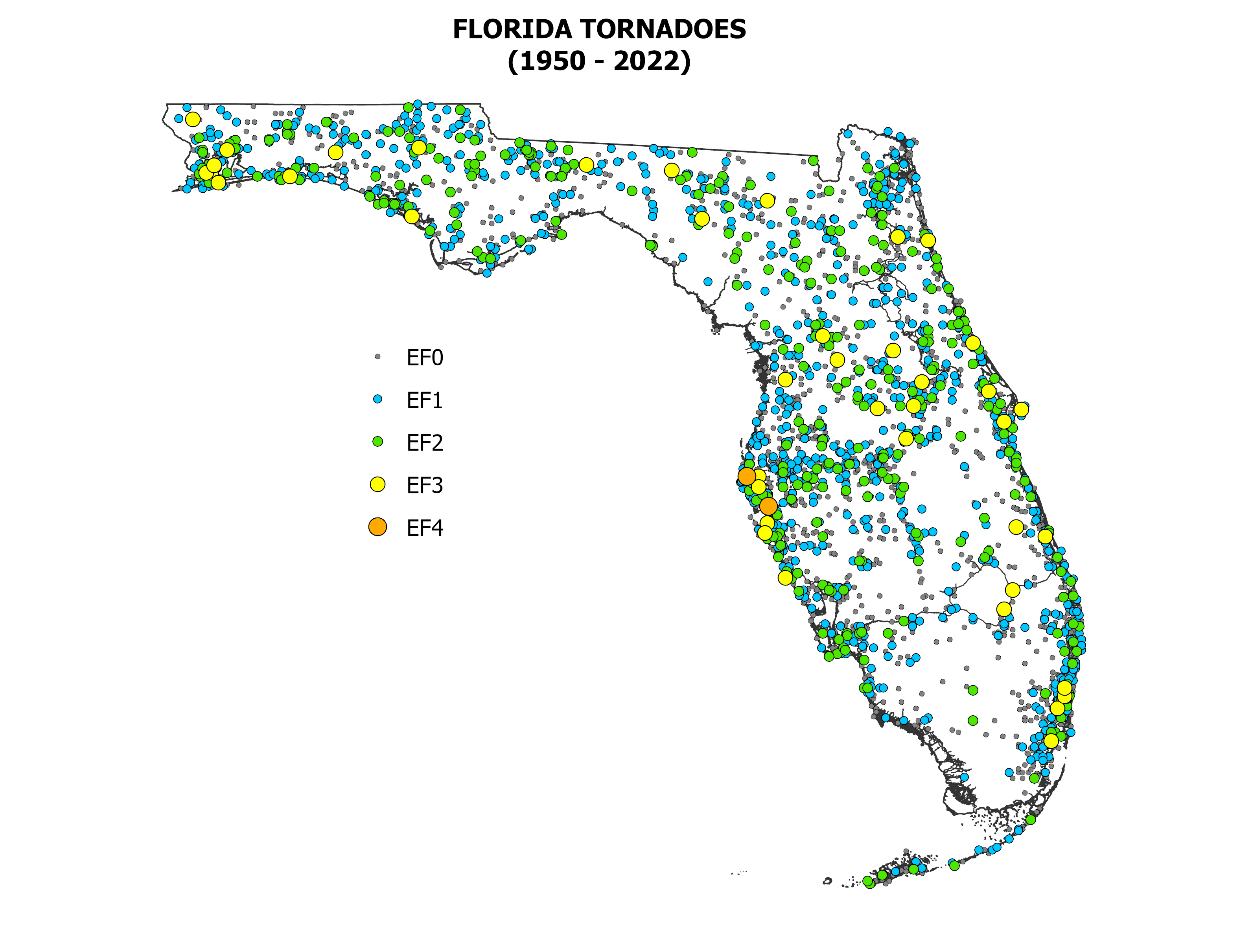
The perception of tornadoes is often dominated by images of “Tornado Alley” in the Great Plains of the United States. However, Florida holds a unique and often overlooked position on the national tornado map, consistently ranking among the top states for annual tornado occurrences. This reality is shaped by a confluence of meteorological factors, from its peninsular geography to the warm, moist air masses that frequently interact over its land and coastal waters. This article aims to demystify Florida’s tornado activity, providing an insightful look into the numbers, types, and geographical distribution of these storms, along with essential tips for visitors to ensure a safe and enjoyable trip.
Florida’s Tornado Activity: More Than Meets the Eye
When most people envision Florida, they picture sun-drenched beaches and calm, tropical breezes. The reality, however, is that the state experiences a significant number of tornadoes each year, often surprising those unfamiliar with its unique climatology. This frequent activity is a testament to the complex atmospheric conditions that regularly develop across the peninsula.
The Unexpected Reality of Florida’s Tornado Frequency
While Oklahoma and Kansas are famous for their powerful, widespread tornadoes, Florida’s tornadoes tend to be less intense (often EF0 or EF1 on the Enhanced Fujita Scale) but are far more numerous on average than many other states. The sheer volume of tornado events places Florida consistently in the top five states for annual tornado counts. This high frequency is primarily due to the state’s geography and its exposure to abundant moisture from the Gulf of Mexico and the Atlantic Ocean, coupled with varying air masses that create unstable atmospheric conditions conducive to storm development.
Comparing Florida to Tornado Alley
The nature of tornado activity in Florida differs significantly from the stereotypical “Tornado Alley” regions. In the Great Plains, tornadoes are often associated with supercell thunderstorms, which can produce highly destructive, long-track tornadoes. Florida’s tornadoes, while frequent, are generally weaker and have shorter paths, though they are certainly capable of causing damage and posing a threat to life and property. The urbanized and densely populated areas of Florida, especially along its coasts, mean that even weaker tornadoes can impact more people and infrastructure than those in sparsely populated rural areas of other states. This distinction is crucial for visitors to understand: while individual tornado events might be less catastrophic than those in the plains, their frequency and potential impact in populated areas demand awareness.
Understanding the Numbers: Annual Tornado Statistics for the Sunshine State
To truly grasp Florida’s tornado landscape, one must delve into the statistics. The numbers reveal a consistent pattern of activity that underscores the importance of meteorological awareness for residents and tourists alike.
Average Annual Count and Variations
On average, Florida experiences between 50 to 60 tornadoes per year. However, this number can fluctuate significantly from year to year, influenced by larger climatic patterns and specific weather events, particularly tropical cyclones. In some years, the count can dip below 40, while in others, it might surge past 70 or even 80, especially during active hurricane seasons. For instance, a year with multiple landfalling hurricanes or tropical storms can dramatically increase the state’s tornado count, as these systems are prolific tornado producers. Despite these variations, the overall trend positions Florida as one of the most tornado-prone states in the nation, often second only to Texas or sharing the top spot with states like Kansas or Oklahoma in terms of annual events. It’s important to remember that most of these tornadoes are small and short-lived, often occurring within larger storm systems.
Seasonal Patterns: When Tornadoes Are Most Prevalent
Unlike the late spring and early summer peak in Tornado Alley, Florida’s tornado activity exhibits a bimodal seasonal pattern.
- Winter and Early Spring (February-April): This period sees a heightened risk of tornadoes, particularly across the central and northern parts of the state. Cold fronts moving across the Gulf of Mexico interact with the warm, moist air lingering over Florida, creating unstable conditions ripe for severe thunderstorms and tornadoes. These frontal systems can be quite potent, leading to more significant tornado outbreaks.
- Summer and Fall (June-November): While general thunderstorm activity is rampant in the summer, producing a high frequency of lightning, this season’s tornado risk is predominantly tied to tropical cyclones. Hurricanes and tropical storms making landfall or even passing offshore can spawn numerous short-lived tornadoes, often within their outer rain bands. These tornadoes can be difficult to detect and develop rapidly, posing a unique challenge for forecasting and public safety. The peak of this activity aligns with the Atlantic hurricane season, from June 1st to November 30th.
For tourists, understanding these seasonal peaks can inform travel planning, though it’s important to note that tornadoes can occur in Florida during any month of the year.
Types of Tornadoes and Their Impact on Florida Tourism
Florida’s coastal geography and climate give rise to several distinct types of tornadoes, each with specific characteristics relevant to those visiting or residing in the state.
Waterspouts and Landfall Tornadoes
One of the most characteristic phenomena in Florida is the waterspout. These are rotating columns of air that form over water, essentially tornadoes over a body of water. Florida sees more waterspouts than any other state, particularly in the warm, shallow waters off its coasts, such as the Florida Keys and the Gulf Coast. While many waterspouts dissipate over water, they can sometimes move ashore, at which point they are reclassified as tornadoes. These “landfall tornadoes” can cause localized damage, affecting coastal communities, marinas, and beachfront properties. Tourists engaged in water-based activities like boating, fishing, or swimming should be aware of waterspout sightings and seek shelter if one appears to be approaching land. Often, these events are visually spectacular but generally less destructive than their supercell counterparts.

Hurricane-Spawned Tornadoes: A Unique Florida Challenge
Perhaps the most dangerous and prolific source of tornadoes in Florida is the tropical cyclone. Hurricanes and tropical storms, even weak ones, can generate multiple tornadoes, often in their outer rain bands, especially in the right-front quadrant relative to the storm’s direction of motion. These tornadoes are notorious for their rapid development, short lifespan, and difficulty to predict, making them particularly hazardous. They can strike quickly with little warning, posing a significant threat to vulnerable communities and tourist areas.
The destructive potential of these tornadoes, combined with the other hazards of a hurricane (storm surge, high winds, heavy rainfall), makes tropical cyclone preparedness paramount for anyone in Florida during hurricane season. For tourists, this means closely monitoring weather forecasts, understanding local evacuation procedures, and familiarizing themselves with the emergency plans of their chosen accommodation, whether it’s a resort in Naples, a rental in Sarasota, or a hotel in Fort Lauderdale.
Geographic Hotspots and Visitor Awareness
While tornadoes can occur anywhere in Florida, certain regions experience higher frequencies due to prevailing weather patterns and coastal influences. Understanding these hotspots can enhance visitor awareness and preparedness.
Regions Most Affected by Tornado Activity
Tornado activity in Florida is not uniformly distributed across the state.
- Central Florida: This region, encompassing cities like Orlando, Lakeland, and the Tampa Bay area, tends to see a higher concentration of tornadoes. The interaction of sea breezes from both the Gulf of Mexico and the Atlantic Ocean often creates convergence zones over central Florida, which are highly conducive to thunderstorm development and, subsequently, tornadoes. These areas are also popular tourist destinations, making awareness especially critical.
- Panhandle and North Florida: During the winter and early spring months, the Florida Panhandle and northern Florida, including Tallahassee and Jacksonville, are more susceptible to tornadoes associated with strong cold fronts moving across the southeastern United States. These events can sometimes produce stronger tornadoes than those typically seen further south.
- Coastal Areas (statewide): Waterspouts and hurricane-spawned tornadoes mean that coastal regions, from Pensacola to Key West, are also at elevated risk, especially during the warm season and hurricane season.
While these areas are considered hotspots, it’s crucial to remember that no part of Florida is entirely immune from tornado activity.
What Tourists Should Know About Local Risks
For tourists, the key takeaway is not to panic, but to be informed. The probability of being directly impacted by a tornado during a typical vacation is very low, given their localized and short-lived nature. However, being aware of the potential for severe weather is part of responsible travel.
- Stay Informed: Pay attention to local weather forecasts, especially during periods of active weather. Many resorts and attractions in Florida provide weather updates.
- Know Your Shelter: Familiarize yourself with emergency procedures at your accommodation. Hotels, resorts, and vacation rentals often have designated safe areas or protocols for severe weather.
- Understand Warnings: Learn the difference between a tornado “watch” (conditions are favorable for tornadoes to develop) and a tornado “warning” (a tornado has been sighted or indicated by radar, and immediate action is needed).
By taking these simple steps, visitors can greatly enhance their safety without unduly impacting their travel plans.
Safety and Preparedness for Travelers in Florida
While the chances of encountering a tornado directly are slim, being prepared is a hallmark of responsible tourism. Florida’s extensive tourism infrastructure is well-versed in managing various weather events, and visitors play an important role in their own safety.
Monitoring Weather Alerts and Communication
Modern technology makes it easier than ever to stay informed about weather conditions.
- Smartphone Apps: Download a reliable weather app that provides location-based severe weather alerts from the National Weather Service. Many official sources, like those from local Florida news stations or the National Hurricane Center, offer excellent apps.
- Local Media: Tune into local radio or television stations for real-time updates and emergency broadcasts if severe weather is anticipated.
- Hotel/Resort Notifications: Most reputable accommodations, from family resorts near Walt Disney World to beachfront villas in Destin, have systems in place to notify guests of severe weather and provide instructions. Pay attention to any advisories or safety briefings provided upon check-in.
Emergency Procedures in Hotels and Attractions
Reputable hotels, resorts, and attractions in Florida have emergency plans in place for severe weather, including tornadoes.
- Ask for Information: Upon arrival, don’t hesitate to ask the front desk about their severe weather protocols and the location of designated safe areas. These are often interior rooms on the lowest floor, away from windows.
- Theme Parks: Major theme parks in Orlando and Tampa, such as Universal Studios Florida or Busch Gardens Tampa Bay, have highly sophisticated weather monitoring systems and protocols to move guests to safety if a tornado warning is issued. They prioritize guest safety and will communicate instructions clearly.
- Rental Properties: If staying in a vacation rental, identify the safest room (interior, lowest floor, no windows) and discuss emergency plans with your travel companions.

Travel Insurance Considerations
While not directly related to tornado frequency, travel insurance can offer peace of mind when traveling to a region prone to various weather events.
- Coverage for Delays/Cancellations: Some policies cover trip delays or cancellations due to severe weather, including hurricanes and, indirectly, severe thunderstorms that could produce tornadoes.
- Emergency Medical: Ensure your policy includes emergency medical coverage, especially if you are traveling with specific health concerns.
- Read the Fine Print: Always read the terms and conditions of any travel insurance policy carefully to understand what is and isn’t covered regarding natural disasters.
In conclusion, while Florida certainly experiences a significant number of tornadoes each year, particularly during its distinct severe weather seasons, the vast majority are relatively weak and short-lived. For the discerning tourist, understanding this aspect of Florida’s climate isn’t a cause for alarm but rather an opportunity to travel more intelligently and safely. By staying informed, knowing local safety protocols, and being prepared for potential weather shifts, visitors can continue to enjoy all the wonders the Sunshine State has to offer, confident in their ability to navigate its dynamic environment.
LifeOutOfTheBox is a participant in the Amazon Services LLC Associates Program, an affiliate advertising program designed to provide a means for sites to earn advertising fees by advertising and linking to Amazon.com. Amazon, the Amazon logo, AmazonSupply, and the AmazonSupply logo are trademarks of Amazon.com, Inc. or its affiliates. As an Amazon Associate we earn affiliate commissions from qualifying purchases.