
San Jose, California, often hailed as the heart of Silicon Valley, offers more than just technological innovation and entrepreneurial spirit; it boasts one of the most desirable climates in the United States. For any traveler planning a visit, understanding the local temperature isn’t merely a matter of curiosity – it’s fundamental to packing appropriately, scheduling activities, and ultimately, maximizing the enjoyment of their trip. Unlike regions with extreme temperature swings, San Jose provides a consistently mild and inviting environment year-round, characterized by abundant sunshine and comfortable averages. This guide delves into the nuances of San Jose’s climate, offering insights into what to expect across the seasons and how temperature can shape your travel experience in this vibrant Californian city.

Unpacking San Jose’s Mediterranean Climate
The foundation of San Jose’s pleasant weather lies in its distinct Mediterranean climate, a rare and coveted meteorological phenomenon. This specific climate type is characterized by warm, dry summers and mild, wet winters, a pattern that guarantees comfort for most of the year and makes it a prime destination for various activities.
The Mild Heart of the Santa Clara Valley
Nestled within the expansive Santa Clara Valley, San Jose’s climate is heavily influenced by its geographical positioning. The city benefits from its proximity to the Pacific Ocean, which moderates extreme temperatures, preventing the intense heat often found inland and the severe cold that can plague other parts of the country. This oceanic influence, combined with the protective barrier of the surrounding mountain ranges, creates a microclimate that shields the valley from harsh weather systems. Consequently, San Jose enjoys an average of over 300 sunny days per year, with daily temperature fluctuations that are generally comfortable, even during the warmest months. The air often remains dry, minimizing humidity and enhancing the perception of warmth without stickiness. This consistent mildness contributes significantly to San Jose’s reputation as a highly livable and visitable city, where outdoor activities are a year-round possibility.
Seasonal Nuances: More Than Just Two Seasons
While the broad classification of a Mediterranean climate might suggest only two distinct seasons – a dry summer and a wet winter – San Jose experiences a more subtle, yet discernible, progression through spring and autumn. These transitional periods, though shorter and less dramatic than in continental climates, offer unique characteristics that affect temperature and daily weather patterns. Spring brings gradually warming temperatures and the last vestiges of winter rains, giving way to blooming landscapes. Autumn, on the other hand, extends the summer-like warmth well into October, before a slow decline into the cooler, wetter conditions of winter. This nuanced seasonal shift means that while extremes are rare, each quarter of the year presents a slightly different character, impacting clothing choices and ideal activities. Understanding these subtle shifts is key to fully appreciating and planning for a trip to San Jose, ensuring travelers are prepared for the specific conditions they will encounter during their visit.
A Seasonal Deep Dive: What to Expect When You Visit
To truly plan an optimal trip to San Jose, it’s crucial to delve into the specific temperature ranges and weather patterns of each season. This breakdown will help you align your visit with your preferred activities and comfort levels.
Springtime Splendor (March – May)
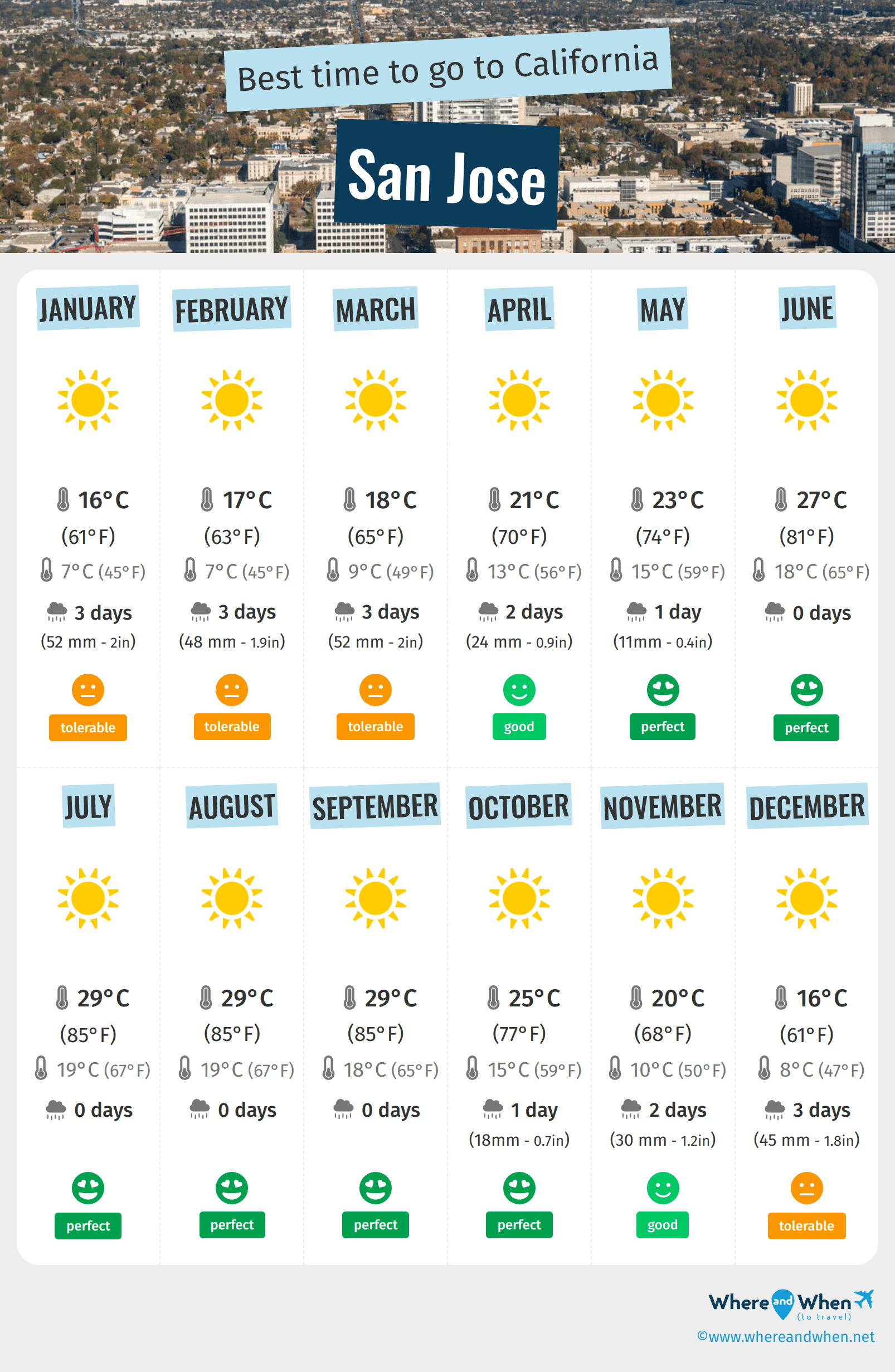
Spring in San Jose is a period of delightful transition, marked by increasingly longer, sunnier days and a refreshing crispness in the air. Average daytime temperatures range from the mid-50s to high 60s Fahrenheit (12-20°C), while evenings can still be cool, dropping into the 40s (4-9°C). Rainfall becomes less frequent as the season progresses, but occasional showers can still occur, particularly in March. This is an ideal time for outdoor activities, as the landscape bursts into bloom, showcasing vibrant wildflowers in the hills and parks. Hiking trails, such as those in Alum Rock Park, are particularly inviting. Outdoor festivals and farmers’ markets begin to pick up, making it a wonderful time to explore the city’s community spirit without the full intensity of summer crowds or heat.
Summer’s Gentle Warmth (June – August)
Summer in San Jose is characterized by consistent warmth, abundant sunshine, and virtually no rain. Daytime temperatures comfortably hover in the mid-70s to low 80s Fahrenheit (24-29°C), often reaching into the 90s (32°C+) during heatwaves, particularly in July and August. However, even on the warmest days, the dry air makes the heat feel less oppressive than in more humid climates. Crucially, evenings bring a welcome cool-down, with temperatures typically dropping into the low 60s or even upper 50s (15-18°C), making for pleasant al fresco dining and comfortable sleeping conditions. This is peak season for enjoying outdoor attractions, from exploring downtown San Jose’s vibrant streets and patios to venturing out for day trips to nearby coastal areas that offer even cooler breezes.
Autumn’s Golden Glow (September – November)
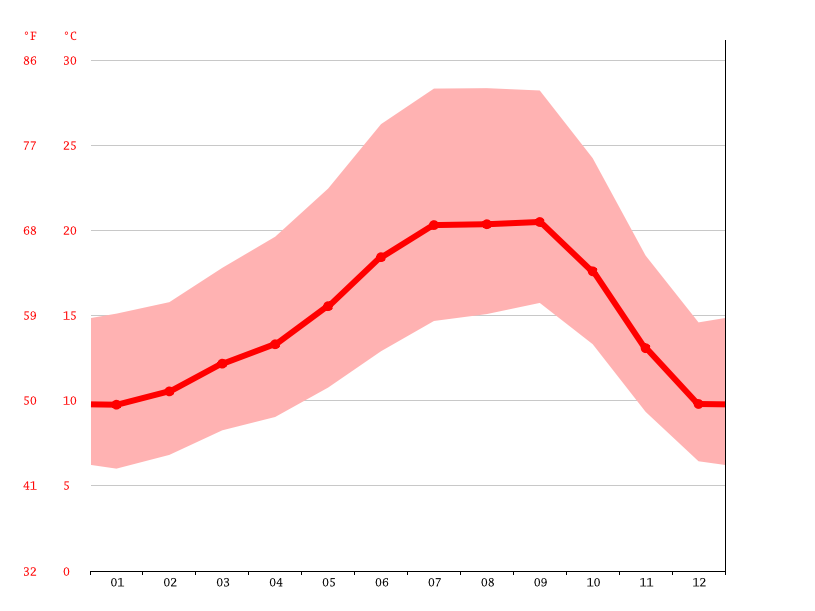
Autumn is arguably one of the most pleasant times to visit San Jose, often described as an extension of summer, but with a more settled, comfortable warmth. September and early October maintain summer-like temperatures, often reaching the high 70s (25-27°C) during the day, gradually cooling to the low 70s and 60s (20-15°C) by November. The humidity remains low, and skies are typically clear. Rainfall begins to make a sporadic appearance later in the season, signaling the transition towards winter. This period is perfect for vineyard tours in the surrounding wine regions, scenic drives to witness subtle fall foliage (though not as dramatic as on the East Coast), and continued enjoyment of outdoor dining and cultural events before the chill of winter sets in.
Winter’s Mild Embrace (December – February)
Winter in San Jose is distinctly mild compared to much of the United States. While it is the wettest season, with most of the year’s rainfall occurring during these months, temperatures rarely drop to freezing. Daytime highs typically range from the mid-50s to low 60s Fahrenheit (12-16°C), and nights are cool, often in the 40s (4-9°C), with occasional dips into the 30s (0-4°C). Snow is an extremely rare occurrence in the city itself. Despite the increased chance of rain, there are still plenty of clear, crisp days perfect for exploring indoor attractions like museums, art galleries, and diverse culinary scene. When the sun is out, even winter days can be surprisingly pleasant for a walk in a park, offering a refreshing break from colder climates.
Temperature’s Impact on Your San Jose Travel Itinerary
Understanding the temperature profile of San Jose is not just about curiosity; it’s a vital component of practical travel planning, directly influencing what you pack, what you do, and how you experience the city.
Packing Smart for San Jose’s Climate
The key to comfortable travel in San Jose is layering. Due to the significant difference between daytime and nighttime temperatures, even within the same season, having versatile clothing options is essential. For spring and autumn, light to medium-weight sweaters, long-sleeved shirts, and a comfortable jacket are ideal for evenings and cooler mornings. In summer, focus on light, breathable fabrics during the day, but always carry a light jacket or cardigan for the surprisingly cool evenings. Winter calls for warmer layers, including waterproof outerwear and an umbrella for rainy days, though heavy coats are rarely necessary. Comfortable walking shoes are a must year-round, as many of San Jose’s attractions are best explored on foot. Don’t forget sunscreen and sunglasses, as the sun’s intensity is consistently strong throughout the year.
Outdoor Adventures vs. Indoor Comforts
San Jose’s agreeable climate strongly favors outdoor activities for much of the year. During the mild springs, warm summers, and pleasant autumns, opportunities for hiking in nearby nature preserves like Alum Rock Park or the Santa Cruz Mountains, exploring the numerous urban parks, cycling on extensive bike trails, or enjoying outdoor dining are abundant. Even winter offers many clear days for these activities, albeit with the need for warmer layers. On days when rain makes an appearance, or if you prefer indoor pursuits regardless of the weather, San Jose provides a wealth of cultural and technological attractions. The Tech Interactive, the San Jose Museum of Art, and the Winchester Mystery House offer engaging experiences shielded from the elements. The city’s diverse culinary scene and numerous breweries and cafes also provide cozy havens on cooler days.
Beyond the Thermometer: Microclimates and Forecasts
While San Jose’s overall climate is wonderfully consistent, understanding local nuances and utilizing modern tools can refine your travel planning even further.
Understanding Local Variations
It’s important to note that within the broader San Jose and Bay Area regions, subtle microclimates can exist. While San Jose itself is typically warmer and sunnier than coastal cities like San Francisco or even parts of the East Bay, certain areas within San Jose’s sprawling landscape might experience slight variations. For instance, areas closer to the hills might be marginally cooler, especially at night. If your itinerary includes venturing into different parts of the Bay Area, such as a day trip to the coast, be prepared for potentially significant temperature drops and increased fog. This regional diversity means that while San Jose maintains its general mildness, a quick check of the local forecast for your specific destination within the broader metropolitan area can be beneficial.
Essential Planning Tools: Staying Ahead of the Weather
Despite the general predictability of San Jose’s climate, consulting up-to-date weather forecasts remains an indispensable part of travel planning. Reputable weather apps and websites provide detailed hourly and daily predictions, including temperature, chance of precipitation, wind speed, and even air quality. Checking these resources a few days before your departure, and again closer to your arrival, will allow you to make any last-minute adjustments to your packing list or daily itinerary. This proactive approach ensures you’re prepared for any minor deviations from the typical patterns, such as an unexpected heatwave or a rare rainy spell, ensuring your visit to San Jose is as comfortable and enjoyable as possible.
In conclusion, San Jose, California, truly offers an enviable climate for travelers. Its consistent mildness, abundant sunshine, and distinct yet gentle seasonal shifts make it a welcoming destination virtually any time of the year. By understanding the typical temperature patterns and preparing accordingly with smart layering, visitors can fully immerse themselves in all that this dynamic city has to offer, from its bustling urban core to its tranquil natural spaces. Whether you’re coming for business or leisure, San Jose’s agreeable temperatures will undoubtedly enhance your travel experience.
LifeOutOfTheBox is a participant in the Amazon Services LLC Associates Program, an affiliate advertising program designed to provide a means for sites to earn advertising fees by advertising and linking to Amazon.com. Amazon, the Amazon logo, AmazonSupply, and the AmazonSupply logo are trademarks of Amazon.com, Inc. or its affiliates. As an Amazon Associate we earn affiliate commissions from qualifying purchases.