
Florida, the Sunshine State, beckons millions of tourists each year with its pristine beaches, world-famous theme parks, vibrant cities, and unique natural landscapes. From the magical allure of Orlando to the bustling streets of Miami and the tranquil beauty of the Florida Keys, the state offers an unparalleled array of experiences. However, a question that occasionally arises for prospective visitors, especially those unfamiliar with its unique climate, is about the prevalence of severe weather, specifically tornadoes. Understanding the frequency and nature of tornadoes in Florida is crucial for any discerning tourist planning a safe and enjoyable trip. While the thought of a tornado might seem alarming, a balanced perspective reveals that with proper awareness and preparation, this natural phenomenon poses a manageable risk for travelers.
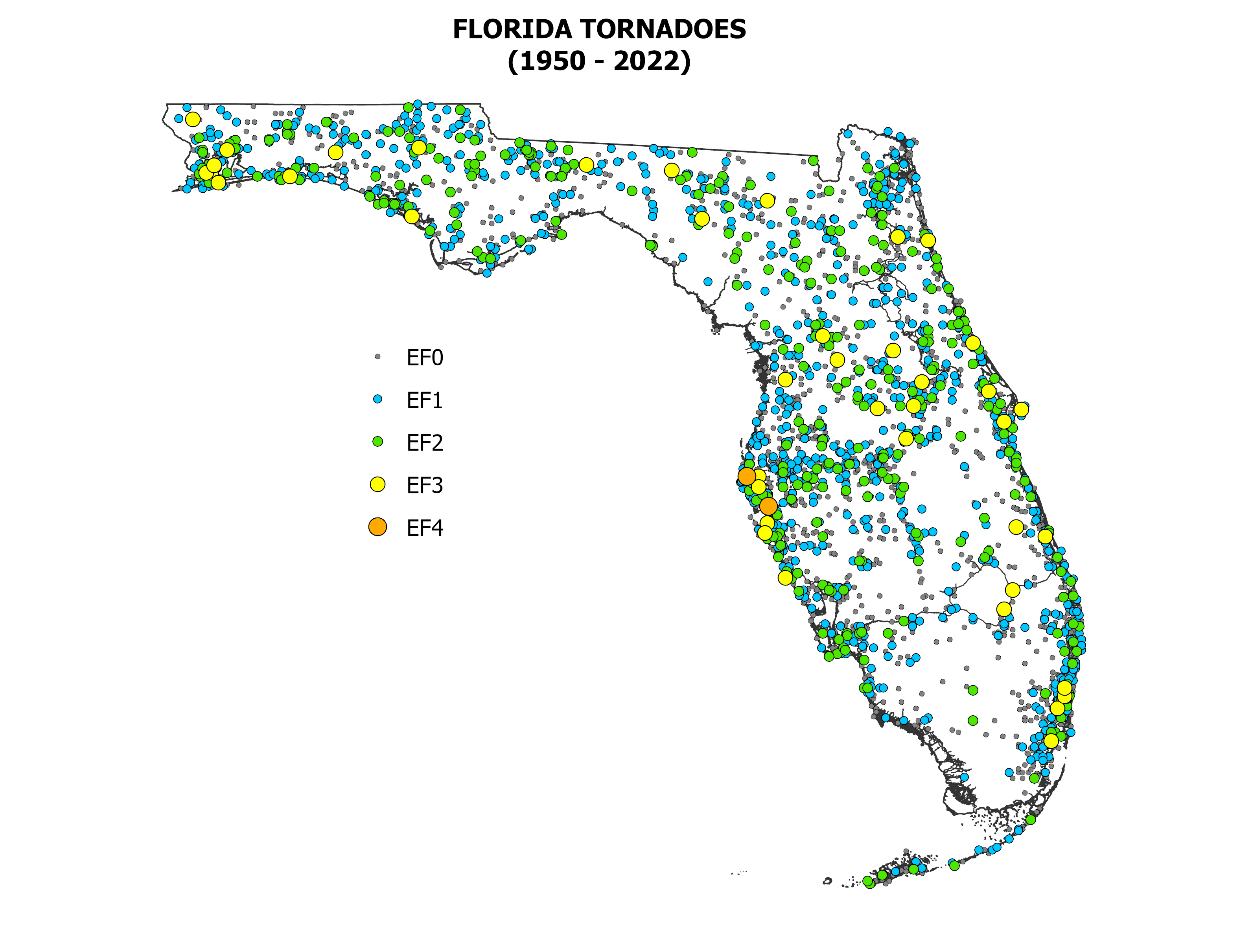
Navigating Florida’s Tornado Landscape as a Tourist
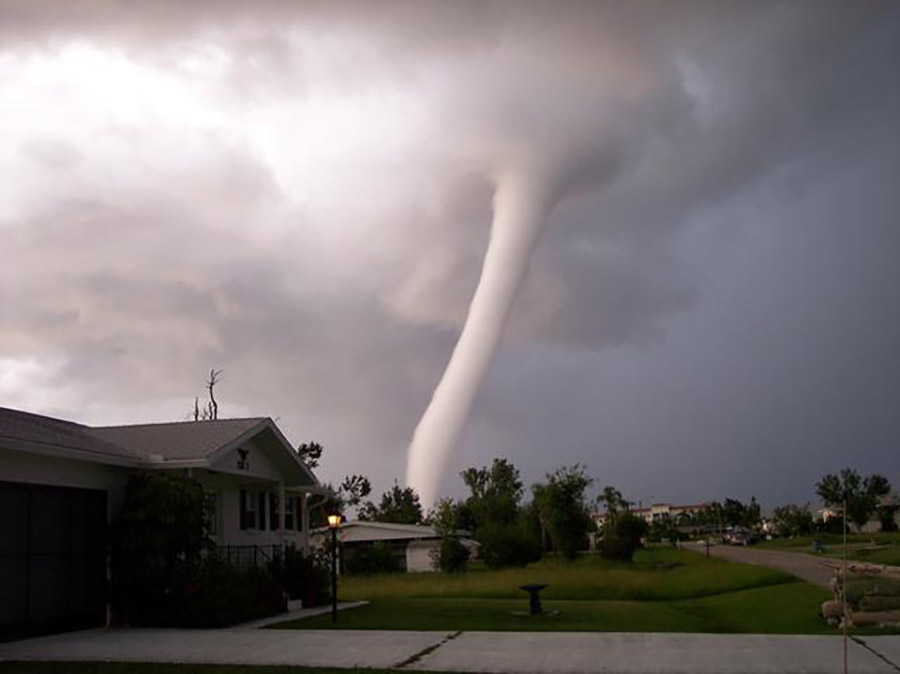
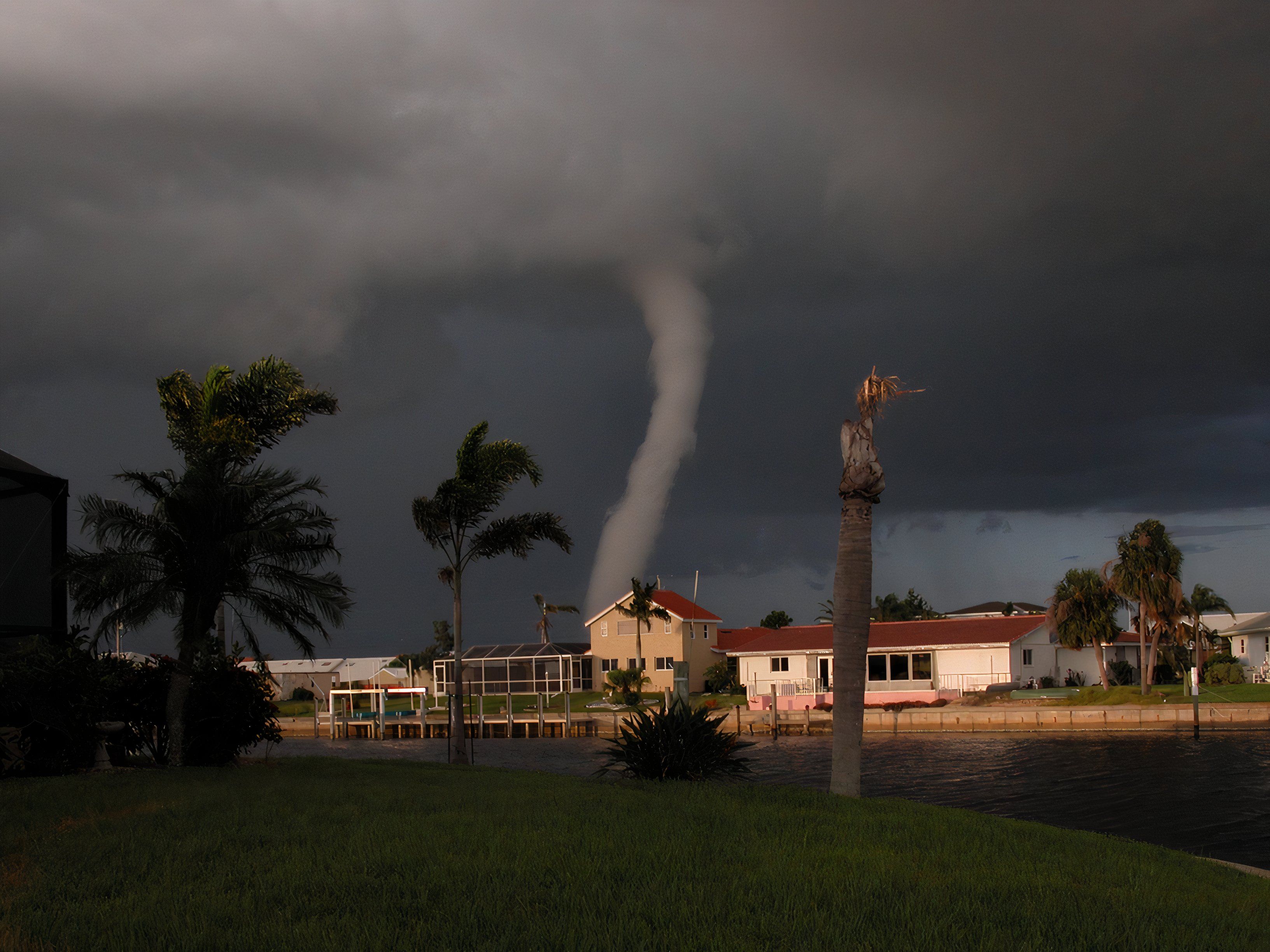
Florida’s geographical location, surrounded by warm ocean waters and prone to atmospheric clashes, positions it as one of the states most susceptible to tornado activity in the United States. However, the nature of these tornadoes often differs significantly from the powerful, long-track supercell tornadoes frequently seen in the Great Plains, often referred to as “Tornado Alley.”
Understanding the Frequency and Seasons
On average, Florida ranks among the top states for annual tornado occurrences, often second only to Texas in sheer numbers. While this statistic might seem daunting, it’s essential to contextualize it for tourists. A significant portion of Florida’s tornadoes are weaker, short-lived, and often less destructive than their counterparts elsewhere. They are predominantly EF0 or EF1 on the Enhanced Fujita scale.
Florida experiences two primary tornado seasons, both of which are important for tourists to be aware of:
- Late Winter/Early Spring (February to April): During this period, cold fronts from the north often collide with the warm, moist air over Florida, creating conditions ripe for severe thunderstorms and tornadoes. These events can occur across the state but are often more prevalent in the central and northern regions.
- Hurricane Season (June to November): This is perhaps the more distinctive tornado season for Florida. Landfalling tropical storms and hurricanes frequently spawn tornadoes, often in the outer rain bands well ahead of the storm’s center. These tornadoes can develop very rapidly and can be difficult to predict precisely, though they are usually short-lived.
For tourists, this means being generally aware of the weather forecast, particularly if visiting during these windows. While tornadoes are a possibility, they are not an everyday occurrence, and localized, short-duration events mean that the vast majority of your trip will be unaffected.
Essential Safety Tips for Florida Visitors
Forewarned is forearmed. For tourists, knowing what to do in the unlikely event of a tornado warning is paramount. Florida’s robust emergency services and experienced tourism sector prioritize visitor safety.
Prioritizing Your Well-being
- Stay Informed: The most critical step is to monitor local weather. Many hotels provide local weather channels, and smartphone apps offer real-time alerts. Consider downloading a reliable weather app specific to severe weather or a NOAA Weather Radio app.
- Heed Warnings Immediately: If a tornado warning is issued for your specific location, take it seriously. A “warning” means a tornado has been sighted or is indicated by radar, posing an imminent threat. A “watch” means conditions are favorable for tornadoes to develop.
- Hotel and Accommodation Protocols: Most hotels, resorts, and vacation rentals in Florida have established procedures for severe weather. Upon check-in, inquire about their tornado plan, including designated shelter areas. Typically, this involves moving to an interior room on the lowest floor, away from windows, such as a bathroom or an interior hallway.
- If Outdoors or in a Vehicle: Never try to outrun a tornado in a car if it’s visible and close. If you can quickly reach a sturdy building, do so. Otherwise, abandon your vehicle and lie in a ditch or other low-lying area, covering your head. This is a last resort, however.
- Special Considerations:
- Theme Parks (Orlando): Major theme parks like Walt Disney World Resort and Universal Studios Florida have highly sophisticated weather monitoring systems and well-rehearsed protocols. They will guide guests to safe, sturdy indoor structures and halt outdoor attractions if a threat arises. Follow staff instructions precisely.
- Beaches (Miami, Tampa, Clearwater Beach): If you are on the beach and a warning is issued, immediately seek the nearest sturdy building. Beach structures and lifeguard stands are not safe during a tornado.
- RV Parks/Mobile Homes: These structures offer minimal protection. If you are staying in an RV or mobile home, identify the nearest community shelter or sturdy building in advance and go there immediately if a warning is issued.
Impact on Florida’s Premier Tourist Experiences
While the primary concern is safety, tourists also wonder how tornadoes might disrupt their planned activities. Florida’s tourism industry is well-prepared to minimize disruption and ensure continuity where possible.
Theme Parks and Attractions
Florida’s world-renowned theme parks are designed with guest safety as a paramount concern. In the event of severe weather, including tornado warnings:
- Ride Closures: Outdoor rides and attractions will be temporarily closed. Indoor shows and rides with sturdy structures typically continue, though queues might be rerouted or paused.
- Shelter Guidance: Park staff are trained to direct guests to safe, indoor locations within the park. These facilities are often designed to withstand severe weather.
- Communication: Parks utilize their own robust communication systems to keep guests informed and give instructions.
While a tornado warning might cause a temporary pause in your park day, these measures are put in place for your protection and parks are adept at resuming operations swiftly once the all-clear is given.
Coastal Activities and Natural Wonders
Florida’s coastal beauty and unique natural areas are significant draws for tourists.
- Beaches and Water Sports: During a tornado warning or severe thunderstorm watch, beaches may be cleared, and water activities suspended. This is for the safety of swimmers, boaters, and those engaged in activities like paddleboarding or jet skiing. Always check marine forecasts before heading out on the water.
- Everglades National Park and Other Preserves: In natural areas, the greatest immediate danger during a storm is often lightning, but tornadoes can also occur. Ranger stations and visitor centers will provide the latest weather information. Hiking trails, airboat tours, and other outdoor excursions may be postponed or canceled for safety.
Strategic Planning: Best Times to Visit Florida
While Florida is a fantastic year-round destination, understanding its climate patterns can help tourists plan their trips to potentially avoid peak severe weather seasons.
Avoiding Peak Tornado and Hurricane Seasons
For those particularly sensitive to severe weather concerns, visiting outside the primary tornado and hurricane seasons might offer greater peace of mind:
- Late Spring (May): This month often offers a sweet spot between the end of the traditional spring tornado season and before the most active part of hurricane season kicks in. Temperatures are warm, and humidity is rising but often not yet at its peak.
- Late Fall (November – Early December): After hurricane season officially ends and before the cooler winter fronts become a regular occurrence, late fall can provide beautiful weather with lower humidity, fewer crowds, and a reduced likelihood of severe weather.
It is important to remember that weather patterns can be unpredictable, and Florida can experience severe weather at any time of the year. The goal is to inform your travel decisions, not to deter you from experiencing the state’s wonders.
Flexibility and Travel Insurance
Regardless of when you travel to Florida, considering travel insurance is a prudent step. Policies that cover weather-related disruptions can protect your investment in flights, accommodation, and pre-booked activities in case of cancellations or delays due to severe weather. Additionally, building some flexibility into your itinerary, perhaps having a few indoor backup activities planned, can help you adapt if an unexpected storm temporarily impacts outdoor plans.
The Resilience of Florida’s Tourism Infrastructure
Florida’s long history with various weather phenomena, including tornadoes and hurricanes, has cultivated an exceptionally resilient tourism infrastructure. The state’s emergency management agencies, local governments, and tourism businesses are highly experienced in implementing safety protocols, communicating effectively with visitors, and facilitating swift recovery efforts.
From the state-of-the-art weather monitoring systems at its major attractions to the well-practiced emergency plans in hotels across Miami, Tampa, Orlando, and beyond, the safety of visitors is a top priority. While the frequency of tornadoes in Florida is a factual metric, it’s also important to remember that these are localized events. The vast majority of Florida’s vast landscape, across its many regions and diverse attractions, remains untouched and open for enjoyment even when a warning is issued for a specific, small area.
In essence, while Florida does experience a notable number of tornadoes annually, the risk to any individual tourist is statistically low. By staying informed, knowing basic safety procedures, and appreciating the state’s preparedness, visitors can confidently plan and enjoy all the incredible experiences Florida has to offer.
LifeOutOfTheBox is a participant in the Amazon Services LLC Associates Program, an affiliate advertising program designed to provide a means for sites to earn advertising fees by advertising and linking to Amazon.com. Amazon, the Amazon logo, AmazonSupply, and the AmazonSupply logo are trademarks of Amazon.com, Inc. or its affiliates. As an Amazon Associate we earn affiliate commissions from qualifying purchases.