
The question of how many tornadoes will impact Oklahoma in 2025 is a pressing one for residents, emergency planners, and anyone considering visiting the Sooner State during tornado season. While precise predictions are impossible, understanding historical trends, meteorological factors, and forecasting methodologies provides valuable insight. This exploration delves into what we can anticipate for the 2025 tornado season in Oklahoma, focusing on its implications for travel and tourism.
Understanding Tornado Climatology in Oklahoma
Oklahoma’s geographic location within “Tornado Alley” makes it a prime target for severe weather. The state’s landscape, characterized by vast plains, facilitates the clash of warm, moist air from the Gulf of Mexico with cool, dry air from the Rocky Mountains and Canada. This meteorological recipe is a significant driver of tornado formation.
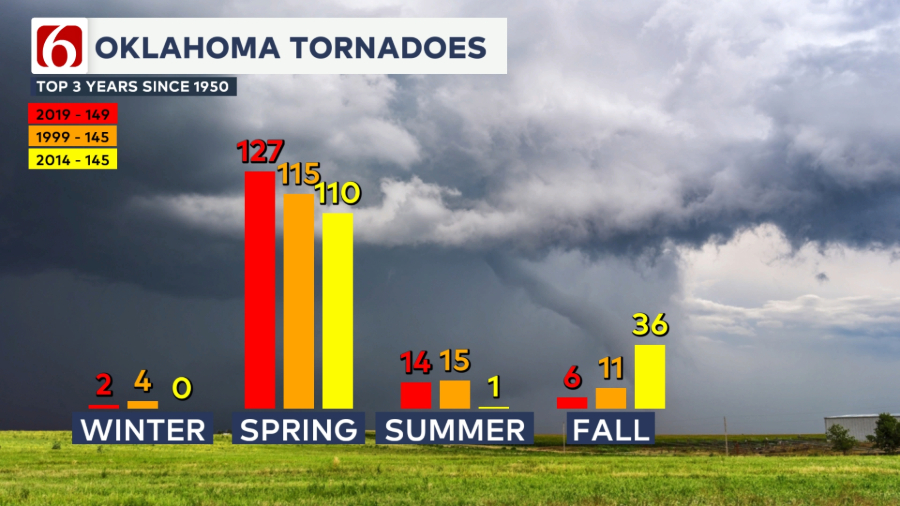
Historical Tornado Activity
Historically, Oklahoma experiences a substantial number of tornadoes annually. While the exact number fluctuates year by year, an average of around 60-70 tornadoes touch down in the state each year. The peak tornado season typically runs from April through June, though tornadoes can occur at any time of year. Understanding these historical patterns is crucial for setting expectations.
- Peak Months: April, May, and June consistently show the highest frequency of tornado activity. May is often the most active month.
- Geographic Distribution: While tornadoes can occur anywhere in the state, the central and eastern portions of Oklahoma are generally more prone to severe outbreaks. This includes areas around cities like Oklahoma City and Tulsa.
- Impact on Tourism: For travelers, this means that planning a visit during the spring and early summer months requires an awareness of potential weather disruptions. However, it also coincides with pleasant temperatures for outdoor activities in many parts of the state.
Factors Influencing Tornado Frequency
Several meteorological factors contribute to the likelihood and intensity of tornado outbreaks:
- Atmospheric Instability: This refers to the atmosphere’s tendency to promote vertical motion. When warm, moist air near the surface rises rapidly through cooler air aloft, it creates instability.
- Wind Shear: Changes in wind speed and direction with height are critical for tornado formation. Sufficient wind shear can cause thunderstorms to rotate, leading to the development of supercells, which are the most prolific tornado producers.
- Moisture Availability: Abundant moisture, typically sourced from the Gulf of Mexico, provides the fuel for powerful thunderstorms.
- Upper-Level Disturbances: Troughs of low pressure in the upper atmosphere can provide the lift needed to initiate thunderstorms.
The interplay of these factors in 2025 will ultimately dictate the number and severity of tornadoes observed.
Forecasting Tornado Activity for 2025
Predicting the exact number of tornadoes is a complex endeavor, even for meteorologists. While long-range forecasts can offer general outlooks, they are not precise predictions of individual storm events.

Seasonal Outlooks
Meteorological agencies and private forecasting firms often release seasonal outlooks that provide a broader perspective on the expected severity of tornado season. These outlooks consider factors like El Niño and La Niña patterns, sea surface temperatures, and prevailing atmospheric conditions.
- General Trends: A warmer than average winter or a shift in Pacific Ocean temperatures can sometimes indicate a potentially more active or less active season for the central United States.
- No Guarantees: It is crucial to remember that these are probabilistic forecasts. A “below-average” outlook does not mean zero tornadoes, and an “above-average” outlook does not guarantee widespread destruction. Every tornado season carries its own unique set of risks.
The Role of Short-Term Forecasting
When the tornado season approaches and during active periods, meteorological agencies like the National Weather Service provide much more detailed and actionable forecasts.
- Watch and Warning Systems: The National Weather Service issues Tornado Watches when conditions are favorable for tornado development and Tornado Warnings when a tornado has been sighted or indicated by radar. These are critical tools for public safety.
- Radar Technology: Advanced Doppler radar systems are essential for detecting rotation within thunderstorms, providing crucial lead time for warnings.
For travelers, staying informed through local news, weather apps, and official advisories is paramount during the spring and early summer months in Oklahoma.
Preparing for Tornado Season in Oklahoma
While the number of tornadoes is unpredictable, preparedness is always key. For those planning a trip to Oklahoma during tornado season, understanding how to stay safe and informed can significantly enhance the experience.
Travel Planning Considerations
- Timing of Visits: If flexibility allows, consider visiting Oklahoma outside of the peak tornado months of April, May, and June. September and October often offer pleasant weather and fewer severe storm risks.
- Accommodation Choices: When booking hotels or other accommodations, inquire about their storm preparedness plans. Many hotels in tornado-prone areas have designated safe rooms or basements for guests during severe weather. Consider staying in locations with robust storm shelters. For example, hotels in areas known for severe weather often have better infrastructure in place.
- Insurance: Ensure travel insurance covers weather-related disruptions, including cancellations or the need to alter travel plans due to severe weather.

Staying Informed and Safe
- Monitor Weather Alerts: Before and during your trip, make it a habit to check local weather forecasts daily. Utilize weather apps and sign up for local alerts.
- Understand Warning Systems: Familiarize yourself with the difference between a Tornado Watch and a Tornado Warning.
- Identify Safe Locations: In hotels, identify the safest places to shelter, typically interior rooms on the lowest floor, away from windows. If you are in a rural area or a less prepared structure, know the location of the nearest community shelter.
- Emergency Kits: While not typically something a traveler carries, knowing that local communities and preparedness organizations often encourage residents to have emergency kits can inform your understanding of local safety measures.
By understanding the climatology, the limitations of forecasting, and embracing proactive preparation, visitors can navigate Oklahoma’s tornado season with greater confidence and safety, allowing them to still experience the state’s rich culture and attractions.
LifeOutOfTheBox is a participant in the Amazon Services LLC Associates Program, an affiliate advertising program designed to provide a means for sites to earn advertising fees by advertising and linking to Amazon.com. Amazon, the Amazon logo, AmazonSupply, and the AmazonSupply logo are trademarks of Amazon.com, Inc. or its affiliates. As an Amazon Associate we earn affiliate commissions from qualifying purchases.