
Living a full and vibrant lifestyle in California often involves significant mobility, whether it’s for daily commutes, family adventures, or business engagements across the state’s diverse landscapes. For many, this freedom is intertwined with the responsibility of safe driving. However, the rise of distracted driving laws, particularly those targeting cell phone use, has introduced a new layer of complexity to this aspect of modern life. Understanding the ripple effect of a cell phone ticket on your auto insurance isn’t just about legal compliance; it’s a critical component of managing your personal finances and maintaining a stable lifestyle, impacting everything from your monthly budget to your long-term financial security.

California’s Distracted Driving Laws and Their Lifestyle Impact
The Golden State has some of the most stringent distracted driving laws in the nation, reflecting a commitment to road safety. These regulations directly shape the daily habits of drivers and, by extension, their financial well-being and lifestyle choices. A seemingly minor infraction, like using a cell phone inappropriately while driving, can trigger a cascade of consequences that extend far beyond the initial fine.
The Legal Framework: What Constitutes a Violation?
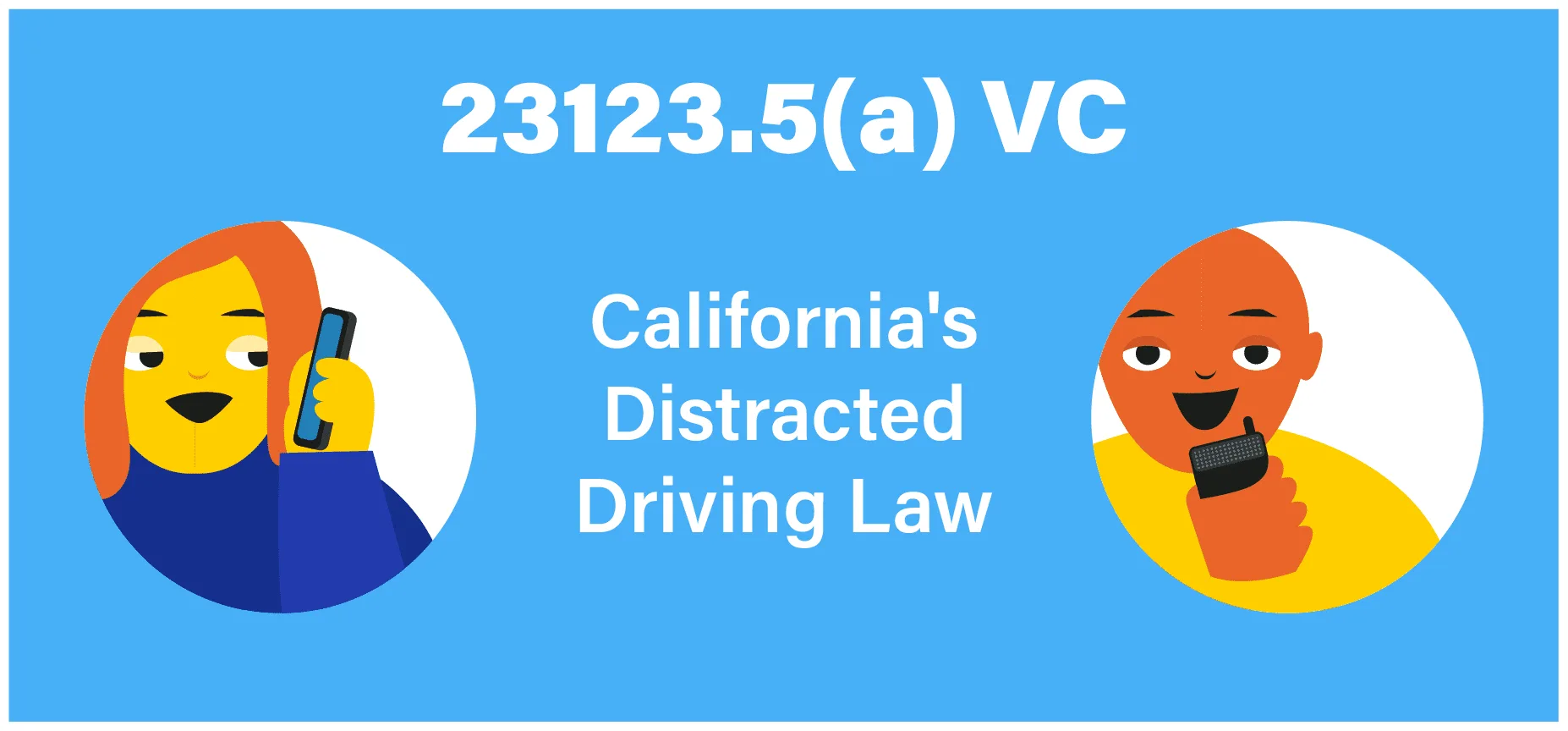
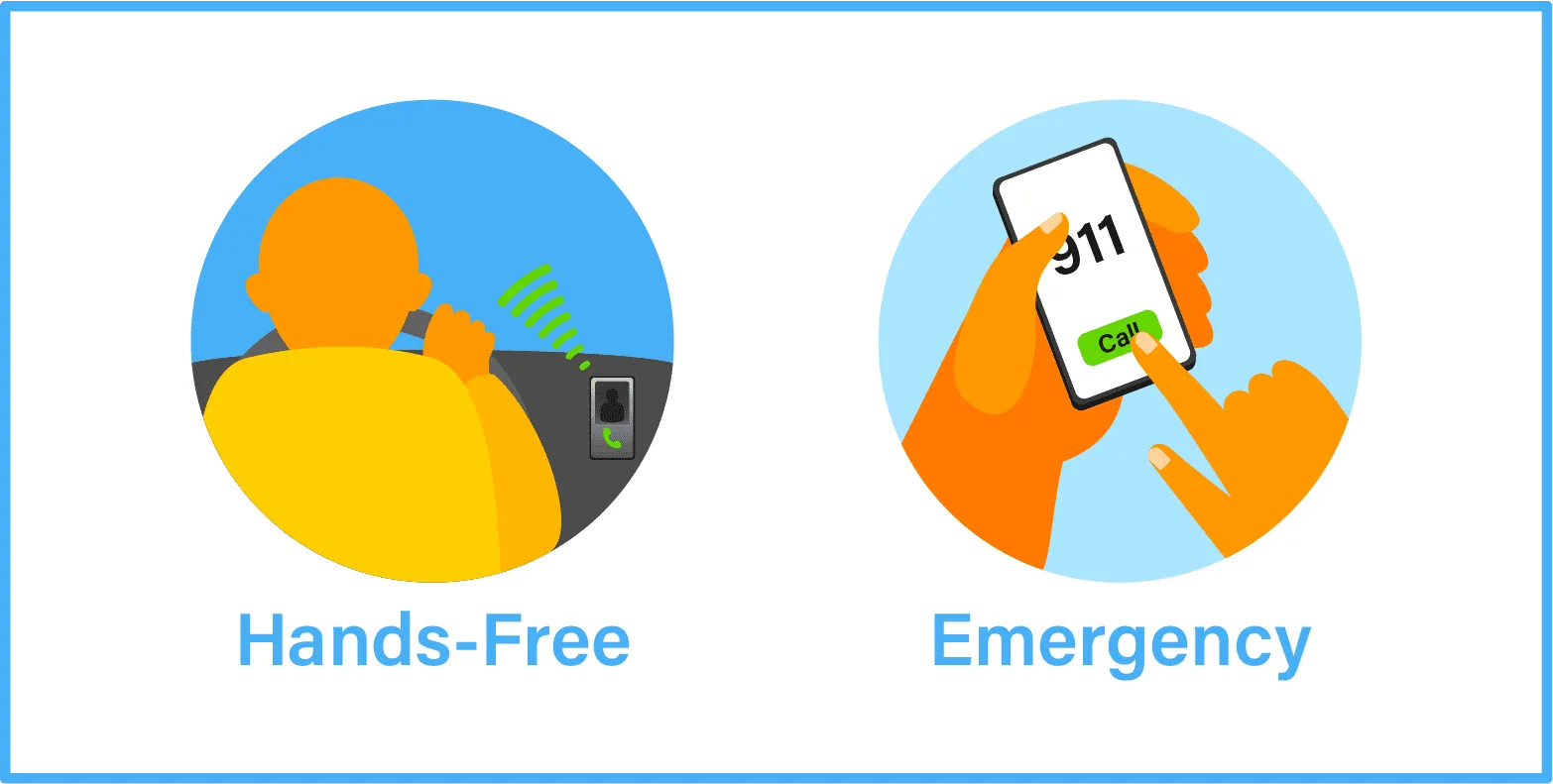
In California, using a handheld cell phone for talking or texting while driving is generally prohibited. The primary statute, Vehicle Code 23123.5, specifically forbids drivers from holding and operating a cell phone or electronic wireless communication device. There are limited exceptions, such as using a phone in hands-free mode or for emergency purposes. For drivers under 18, any use of a wireless device, even hands-free, is typically forbidden.
The intention behind these laws is to reduce accidents caused by distracted driving. From a lifestyle perspective, this means cultivating mindful driving habits. It’s about prioritizing safety, not just for oneself, but for everyone else on the road, which is a fundamental aspect of responsible living in any community. Ignoring these laws, however, can quickly turn a normal day into a costly one, affecting budgets earmarked for travel, entertainment, or even essential living expenses.
Point System and Driving Record: A Foundation for Your Lifestyle
Unlike some other minor traffic infractions, a first-time cell phone ticket in California generally does not result in a point on your Department of Motor Vehicles (DMV) driving record. This is a crucial distinction and often a source of confusion. Traditionally, points are what insurance companies primarily look at to assess risk and adjust premiums.
However, subsequent cell phone tickets do carry points. A second or subsequent conviction for violating Vehicle Code 23123.5 within 36 months of a prior conviction will result in one point being added to your DMV record. Accumulating points leads to higher insurance premiums and, if enough points are accrued, can even result in a license suspension, severely curtailing one’s mobility and lifestyle. This distinction underscores the importance of learning from a first offense and immediately adapting one’s driving habits to avoid future penalties.
The Immediate Financial Ripple: Fines and Insurance Premiums
Beyond the initial inconvenience and time commitment of dealing with a ticket, the most immediate and tangible impact of a cell phone violation in California is financial. This financial burden can significantly disrupt personal budgets and long-term financial planning, crucial elements of a stable lifestyle.
Decoding the Fines and Fees
A first-time cell phone ticket in California typically carries a base fine of $20, but with various court fees, assessments, and penalties, the total cost can easily escalate to over $150. A second offense within 36 months sees the base fine increase to $50, pushing the total cost, with fees, well over $300. These aren’t insignificant sums; for many, such unexpected expenses can mean deferring other lifestyle expenditures, such as a planned weekend getaway or a family outing. This direct financial hit serves as a stark reminder of the cost of distraction.
The Insurance Premium Conundrum: When and How It Hurts
While a first offense generally doesn’t add a point to your DMV record, and thus might not directly impact your insurance premium right away, the situation changes dramatically with subsequent offenses.
Insurance companies assess risk based on several factors, with your driving record being a primary one. If a cell phone ticket adds a point to your record (i.e., it’s a second or subsequent offense within the 36-month window), it signals to your insurer that you are a higher-risk driver. High-risk drivers almost invariably face increased premiums. The exact percentage increase can vary widely depending on the insurance provider, your driving history, your age, and even your location within California, but it’s not uncommon for premiums to jump by 10% to 20% or even more following a point-carrying infraction.
Consider the long-term impact: an increase of even $20-$30 per month translates to $240-$360 annually. Over several years, this can amount to thousands of dollars that could have been allocated to savings, investments, or enhancing your lifestyle through experiences and amenities. This highlights how a seemingly minor driving infraction can have substantial, lasting consequences on your financial lifestyle.
Long-Term Lifestyle Adjustments: From Driving Habits to Budgeting
The implications of a cell phone ticket extend beyond immediate fines and potential premium hikes. They prompt a re-evaluation of driving habits and necessitate adjustments in personal financial planning, shaping how individuals navigate their everyday lives and manage their resources.
The Ripple Effect on Personal Budgeting and Financial Freedom
For many individuals and families, every dollar plays a role in their financial plan. Higher insurance premiums due to a distracted driving ticket can eat into discretionary income, impacting the ability to save for a dream vacation, invest in personal development, or simply enjoy a comfortable standard of living. It limits financial freedom, forcing individuals to reconsider other spending. This pressure on the budget can be particularly challenging for those managing on tighter resources, where every unexpected cost can derail careful financial planning. From a lifestyle perspective, this means fewer choices, less flexibility, and potentially more stress.
Cultivating a Responsible Driving Lifestyle
The experience of receiving a cell phone ticket can serve as a powerful catalyst for change. It encourages drivers to adopt a more responsible and attentive driving lifestyle. This might involve:
- Proactive Planning: Setting up navigation or making calls before starting the car.
- Utilizing Hands-Free Technology: Investing in and consistently using Bluetooth devices or integrated car systems.
- Mindful Habits: Storing the phone out of reach or turning off notifications while driving to remove temptation.
- Leading by Example: Especially for parents, demonstrating safe driving practices instills these values in younger generations, contributing to safer communities.
Embracing these habits isn’t just about avoiding tickets; it’s about fostering a safer, more predictable, and financially stable lifestyle. It reduces the stress of potential accidents and penalties, allowing for greater peace of mind on the road.
Mitigating the Impact: Strategies for a Responsible Driving Lifestyle
While preventing a ticket is always the best strategy, understanding how to mitigate the consequences if one is received is essential for protecting your financial well-being and maintaining your chosen lifestyle.
Contesting the Ticket: Is It Worth It?
If you believe you were wrongly cited, contesting the ticket in court is an option. While this requires time and effort, it can sometimes lead to a dismissal, thus avoiding fines and potential insurance impacts. However, it’s crucial to weigh the costs (potential legal fees, time off work) against the benefits. For clear violations, admitting guilt and paying the fine, while adopting new habits, might be the more practical approach to move forward and focus on responsible living.
Traffic School: A Shield Against Points (For First-Timers)
For a first-time cell phone ticket that does not carry a point, attending traffic school is typically not an option. However, if it’s a second or subsequent offense that does carry a point, California law often allows drivers to attend traffic school to prevent the point from appearing on their DMV record. This is a critical lifestyle management tool, as it directly addresses the factor that most significantly influences insurance premiums. Completing traffic school effectively shields your insurance rates from increasing due to that specific infraction. It’s an investment of time (usually 8 hours) and a small fee, but it can save hundreds or thousands of dollars in increased insurance costs over the years.
Regularly Reviewing Your Insurance Policy
Even without a ticket, it’s a wise lifestyle practice to regularly review your auto insurance policy. Compare rates from different providers, inquire about discounts (e.g., good driver discounts, multi-policy discounts), and ensure your coverage still aligns with your needs. If you have received a point-carrying ticket, this exercise becomes even more crucial. Some insurers may be more forgiving than others, or offer specific programs for drivers who have completed traffic school. Proactive management of your insurance can help buffer the financial impact of past mistakes and ensure you’re always getting the best value, allowing more of your budget to be dedicated to the lifestyle experiences you cherish in California.
In conclusion, a cell phone ticket in California is more than just a momentary inconvenience; it’s a direct challenge to your financial stability and the lifestyle you aspire to maintain. By understanding the laws, adapting your driving habits, and proactively managing the consequences, you can safeguard your budget and continue to enjoy all that responsible living in California has to offer.
LifeOutOfTheBox is a participant in the Amazon Services LLC Associates Program, an affiliate advertising program designed to provide a means for sites to earn advertising fees by advertising and linking to Amazon.com. Amazon, the Amazon logo, AmazonSupply, and the AmazonSupply logo are trademarks of Amazon.com, Inc. or its affiliates. As an Amazon Associate we earn affiliate commissions from qualifying purchases.