
California, often celebrated for its sprawling metropolises like Los Angeles and San Francisco, holds a surprising and rich tapestry of smaller communities that often define the true character of the Golden State. The question “How many towns are in California?” is far more complex than it appears, delving into legal definitions, historical development, and the nuanced perception of what constitutes a “town” in the eyes of a traveler. For those seeking to explore the diverse destinations California offers beyond its urban giants, understanding this intricate landscape is key to unlocking unique travel experiences.
Defining “Town” in the Golden State
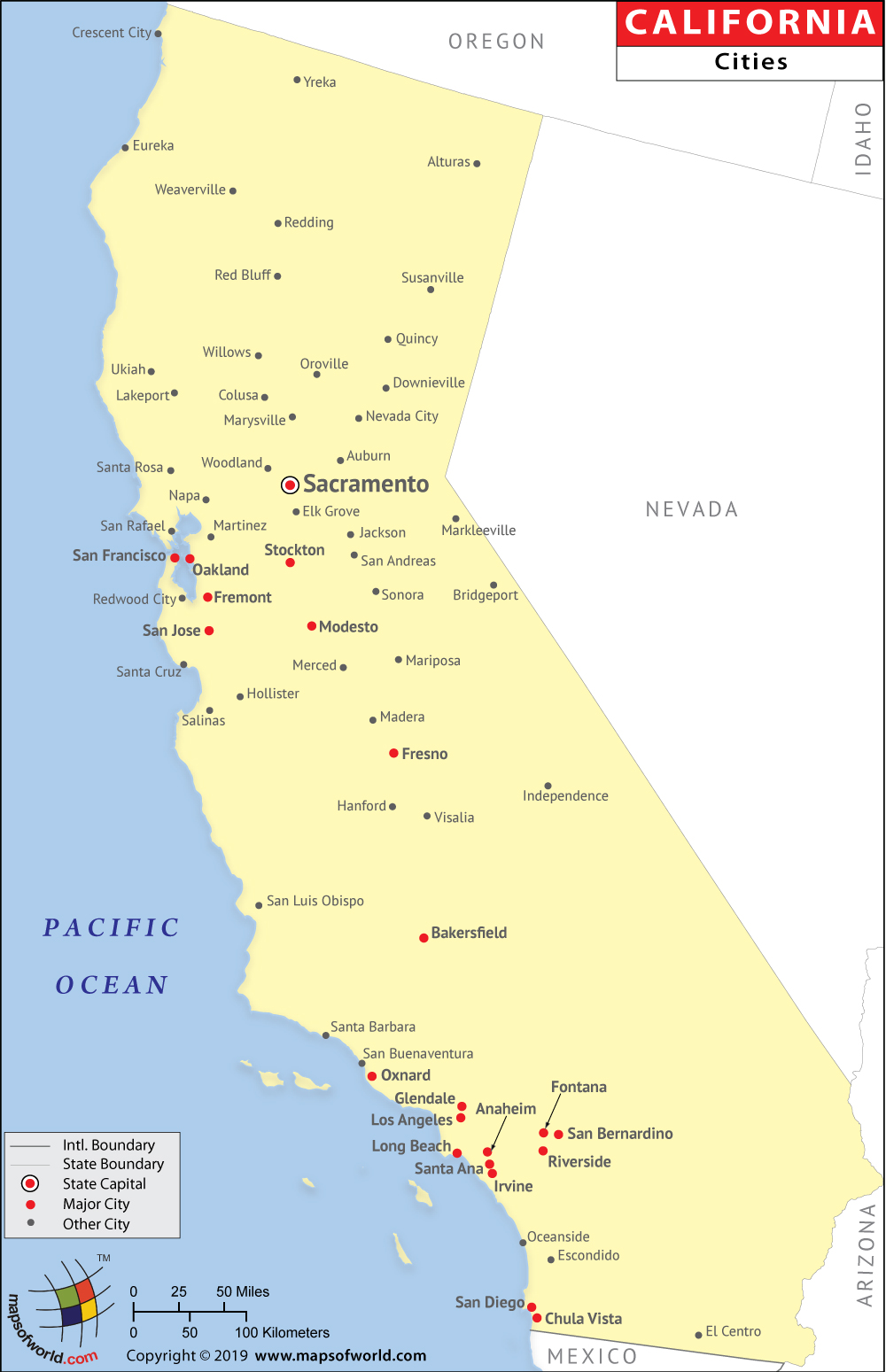
The complexity of quantifying California’s towns stems from various legal and colloquial interpretations. Unlike some states with distinct legal classifications for “towns,” California’s municipal structure primarily recognizes “cities.” This means that what a traveler might perceive as a quaint “town” is often legally categorized as a “city,” regardless of its population size or character.
Incorporated Cities vs. Unincorporated Communities
At the core of the definition lies the distinction between incorporated and unincorporated areas. As of early 2024, California boasts over 480 incorporated cities. These are self-governing entities with their own municipal councils, local ordinances, and services. While some are global powerhouses like Los Angeles, many are relatively small, maintaining a distinct small-town feel despite their “city” designation. For instance, Carmel-by-the-Sea is legally a city, yet it embodies the quintessential charm of a village. Similarly, Avalon on Santa Catalina Island is California’s only incorporated city located on an island, serving as a vibrant, albeit small, resort destination.
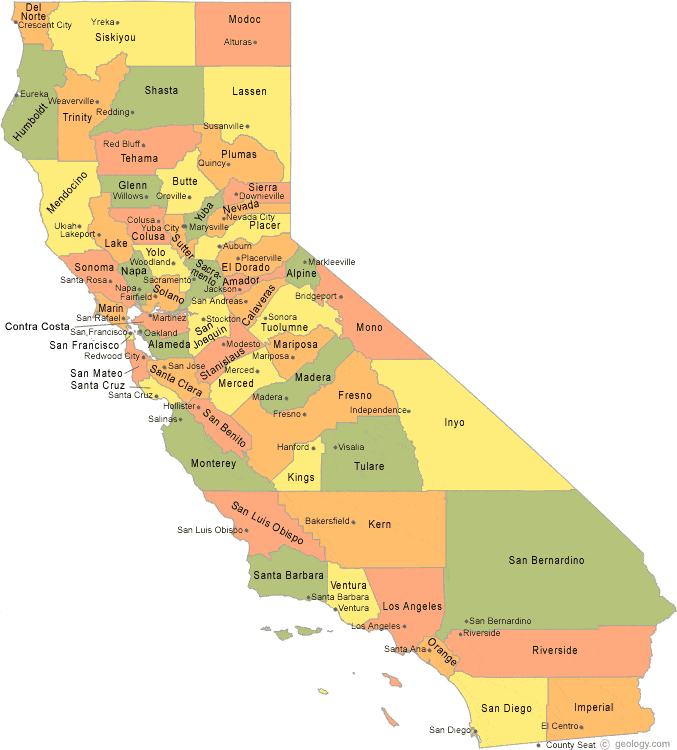
Beyond these incorporated entities, there are thousands of unincorporated communities. These areas are governed by the county in which they reside and lack their own municipal government. Many of these unincorporated places, often referred to as census-designated places (CDPs) by the U.S. Census Bureau, possess all the characteristics of a town: a central hub, local businesses, a distinct community identity, and attractions that draw visitors. Examples include the scenic coastal hamlet of Big Sur or the historic Gold Rush era settlement of Columbia in Tuolumne County. If one were to count all these communities, the number of “towns” in California would easily stretch into the thousands.
The Spectrum of Size and Character
The sheer variety is astounding. You’ll find agricultural towns nestled in the Central Valley, historic mining towns clinging to mountainsides, artistic enclaves by the sea, and high desert havens. Each possesses a unique identity, often shaped by its geography, history, and the industries that sustain it. This rich diversity is precisely what makes traveling through California’s smaller communities such a rewarding experience, offering a glimpse into the myriad cultures and lifestyles that thrive across the state.
A Journey Through California’s Diverse Townscapes
For travelers, the true answer to “how many towns” lies not in a numerical count, but in the experiential richness these communities offer. California presents an unparalleled range of environments, each home to distinctive towns waiting to be discovered.
Coastal Charms and Seaside Retreats
Along California’s expansive coastline, towns offer breathtaking ocean views, artistic communities, and a laid-back lifestyle. Beyond the major coastal cities, gems like Mendocino, a picturesque village reminiscent of New England on the rugged North Coast, or Cambria in San Luis Obispo County, known for its charming downtown and proximity to Hearst Castle, provide idyllic escapes. Santa Barbara offers a sophisticated yet relaxed atmosphere, blending Spanish colonial architecture with upscale boutiques and world-class dining. Further south, Encinitas epitomizes the quintessential Southern California surf town, complete with vibrant street art and unique local eateries. These coastal towns offer travelers a blend of natural beauty, outdoor activities, and a strong sense of community.
Mountain Escapes and Alpine Villages
Venturing inland and upwards, California’s mountain ranges cradle numerous towns that serve as gateways to stunning wilderness. In the Sierra Nevada, communities around Lake Tahoe like South Lake Tahoe and Truckee offer year-round adventure, from skiing in winter to hiking and water sports in summer. Further south along Highway 395, towns such as Mammoth Lakes provide access to some of the state’s most pristine alpine environments and renowned ski resorts. Even in the shadow of Yosemite National Park, small towns like Groveland and Mariposa act as crucial staging points for park visitors, offering rustic charm and local hospitality. These mountain towns are perfect for adventurers and nature lovers, providing a stark contrast to the state’s bustling urban centers.
Desert Oases and Artistic Havens
The unique allure of California’s deserts is reflected in its distinctive towns. Palm Springs, while a city, exudes the relaxed vibe of a desert resort town, famous for its mid-century modern architecture and vibrant arts scene. Near Joshua Tree National Park, unincorporated communities like Yucca Valley and Twentynine Palms have become magnets for artists, musicians, and outdoor enthusiasts, offering eclectic shops, desert homesteads, and stunning stargazing opportunities. These desert towns blend rugged natural beauty with a unique cultural flair, providing a tranquil yet inspiring travel experience.
Historic Gems and Gold Rush Echoes
California’s rich history, particularly its Gold Rush era, is preserved in numerous historic towns. Nevada City and Grass Valley in the Sierra Foothills boast beautifully preserved Victorian architecture and a thriving arts scene. Columbia State Historic Park offers an immersive step back in time, preserving a genuine Gold Rush town complete with authentic buildings and activities. Further south, Julian, a former mining town in the Cuyamaca Mountains, is now famous for its apple pie and charming atmosphere. These towns are ideal for history buffs and those seeking a nostalgic journey through California’s past.
Agricultural Heartlands and Wine Country Villages
The fertile valleys of California are home to towns rooted in agriculture, particularly its world-renowned wine industry. Napa Valley and Sonoma County are dotted with charming towns like St. Helena, Yountville, and Healdsburg, which offer luxurious culinary experiences, vineyard tours, and boutique shopping. In the Santa Ynez Valley, the Danish-themed town of Solvang provides a whimsical European escape amidst rolling vineyards. These towns are perfect for epicurean travelers, offering a taste of California’s bountiful produce and celebrated wines.
The Allure of Small-Town Travel in California
Beyond the impressive number and variety, the appeal of California’s towns lies in the distinctive travel experiences they offer. They represent an opportunity to slow down, connect with local communities, and discover facets of the state often overlooked by mainstream tourism.
Authentic Experiences and Local Culture
Traveling through California’s towns allows for a deeper immersion into local culture. From farmers’ markets showcasing regional produce to community festivals celebrating unique traditions, these smaller destinations provide authentic encounters. You can interact directly with local artisans, shopkeepers, and residents, gaining insights that are often harder to find in larger cities. The pace is typically slower, encouraging exploration on foot and serendipitous discoveries. This is where you find the family-run diners, the quirky museums, and the stories that truly define a place.
Beyond the Beaten Path: Discovering Hidden Gems
Many of California‘s most captivating towns are not on the typical tourist circuit. Exploring them requires a sense of adventure and a willingness to deviate from well-trodden paths. This can lead to unexpected delights – a breathtaking vista from a lesser-known scenic drive, a cozy B&B with unparalleled hospitality, or a unique local event that becomes the highlight of a trip. These “hidden gems” offer a sense of discovery that is increasingly rare in an interconnected world.
Planning Your Small-Town California Adventure
When planning a trip focused on California’s towns, consider a regional approach. Choose a specific area, like the North Coast, the Gold Country, or the Central Coast, and explore its cluster of communities. Road trips are an ideal way to link several towns, allowing for flexibility and spontaneous detours. Research local events, inquire about unique attractions, and don’t hesitate to engage with locals for their recommendations. Accommodations often range from historic inns and charming bed-and-breakfasts to boutique hotels, each offering a distinct local flavor.
The Evolving Landscape of California’s Communities
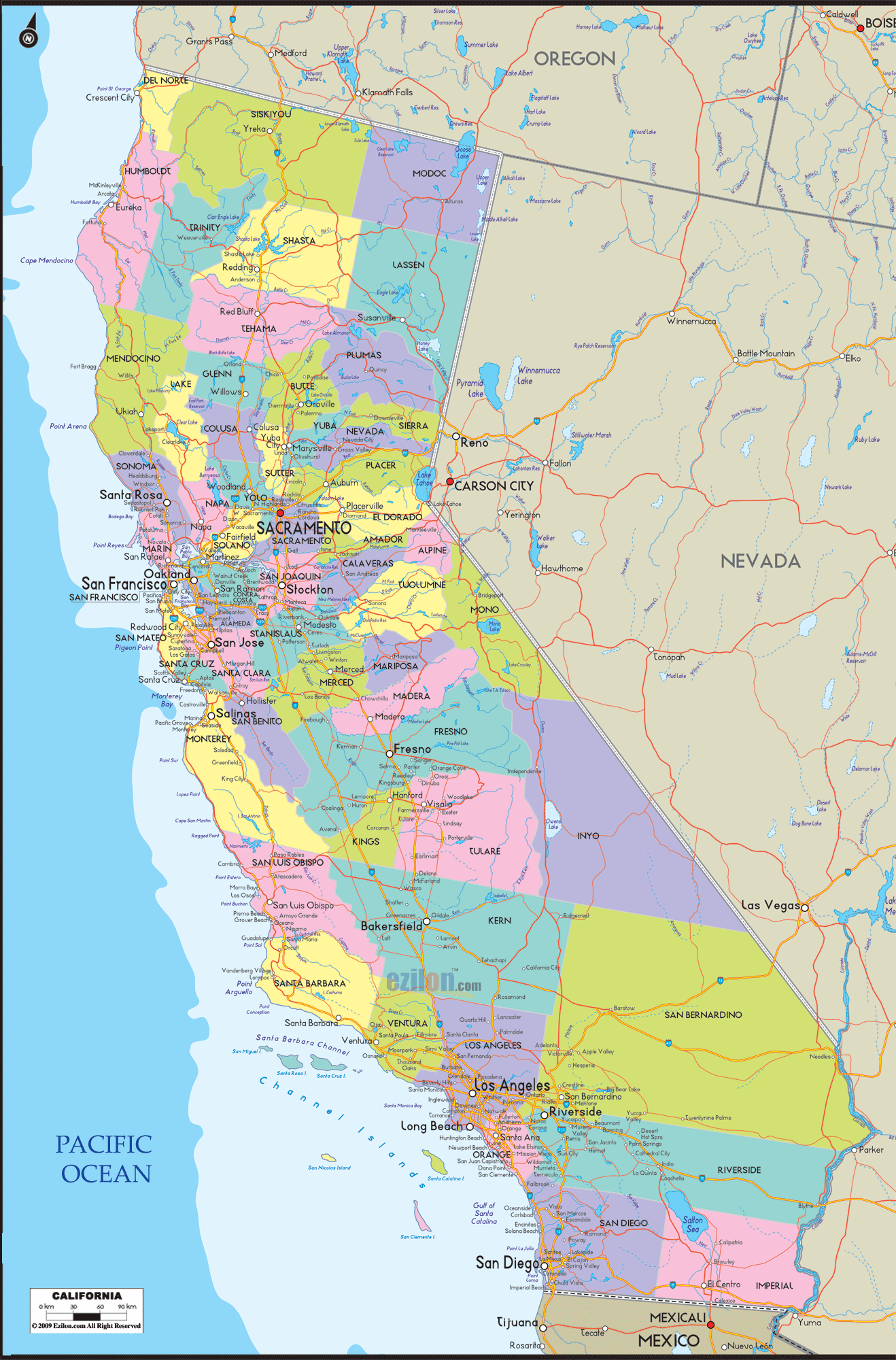
The number of towns in California is not static; it’s an ever-evolving landscape. New communities emerge, some unincorporated areas seek to incorporate, and others face the challenges of growth or decline. This dynamism means that the traveler’s quest to discover California’s towns is an ongoing journey, constantly offering new perspectives and places to explore. Whether one counts the nearly 500 incorporated cities or the thousands of unincorporated communities that function as towns, California presents an inexhaustible array of destinations for the curious traveler. Its towns are not merely dots on a map; they are the vibrant threads that weave together the rich, diverse, and compelling tapestry of the Golden State.
LifeOutOfTheBox is a participant in the Amazon Services LLC Associates Program, an affiliate advertising program designed to provide a means for sites to earn advertising fees by advertising and linking to Amazon.com. Amazon, the Amazon logo, AmazonSupply, and the AmazonSupply logo are trademarks of Amazon.com, Inc. or its affiliates. As an Amazon Associate we earn affiliate commissions from qualifying purchases.