
When planning a long-term relocation or an extended sabbatical in a major hub like New York, understanding the fiscal landscape is essential. While the primary focus for most visitors and expatriates is securing luxury stays or budget-friendly apartments, the practical reality of maintaining a lifestyle in the United States often involves navigating local labor regulations and safety nets. For those considering a transition to a more permanent residency, understanding the mechanics of unemployment benefits is a vital component of financial literacy in the Empire State.
Navigating the Labor Landscape in New York
For professionals moving to Manhattan or the outer boroughs, the appeal of the city is unmatched. However, the cost of living in a metropolis where iconic landmarks like Central Park and the Empire State Building define the skyline can be daunting. If you find yourself between professional opportunities, the New York State Department of Labor provides a framework for support.
The Standard Duration of Benefits
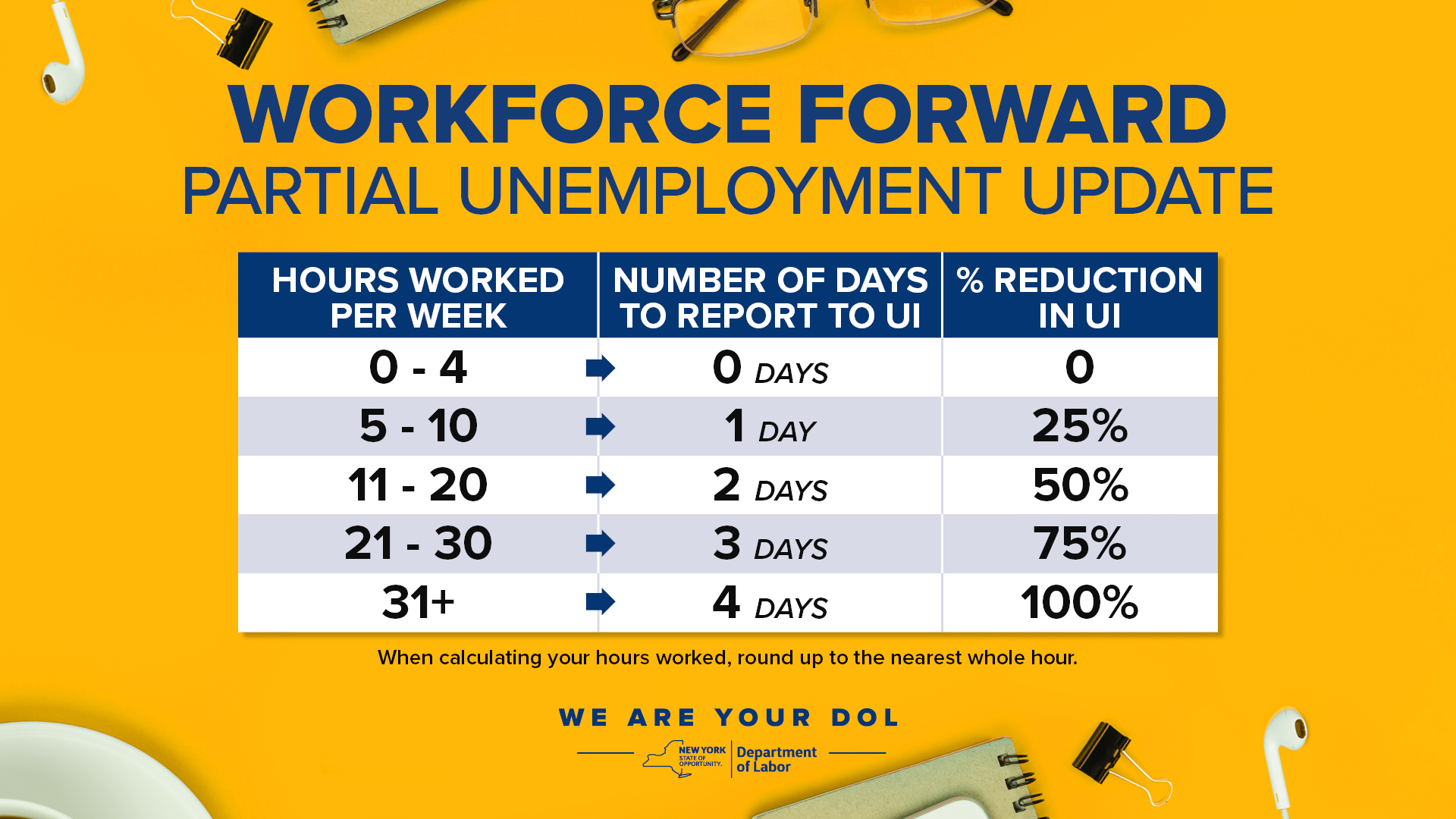
In a standard economy, eligible claimants in New York State can receive unemployment insurance benefits for a maximum of 26 weeks within a single benefit year. This period is designed to offer a temporary financial bridge, allowing individuals the time to pursue new career avenues without the immediate pressure of an empty bank account. It is important to note that this duration is not an automatic guarantee for everyone; it is contingent upon meeting specific earnings requirements and maintaining an active, verifiable search for work.
The Role of Extended Benefits
Under specific economic conditions—such as high state-wide unemployment rates—federal or state governments may trigger “extended benefits.” During these periods, the duration of support can be expanded beyond the standard 26-week limit. These extensions are rare and are typically reserved for deep economic downturns. For those living in areas like Brooklyn or Queens, where the job market is highly competitive and often cyclical, staying informed about current state legislation is a prudent step in financial planning.
Financial Planning for the Long-Term Resident
Living in New York City requires a sophisticated approach to budgeting. Whether you are staying at the Plaza Hotel while searching for a permanent lease or looking for long-term corporate housing, the “unemployment safety net” should never be the primary pillar of your financial strategy.

Calculating Your Benefit Rate
The amount of money one receives is determined by a formula based on high-quarter earnings. This is why many high-earners moving to North America are often surprised to find that the maximum weekly benefit is capped by state law. Relying on these benefits to maintain a luxury lifestyle near Fifth Avenue or Wall Street is rarely viable, as the benefit rate is intended to provide a basic subsistence level rather than maintaining previous income levels.
The Importance of the “Job Search” Requirement
To continue receiving benefits for the full 26 weeks, the state mandates that claimants engage in a robust, verifiable work search. This involves documenting applications, attending networking events, and participating in interviews. For those who enjoy the cultural amenities of the city—such as visiting the Metropolitan Museum of Art or catching a show on Broadway—it is vital to treat the job search with the same rigor one would apply to their professional career. Failure to provide proof of these efforts can result in a suspension of benefits, regardless of how many weeks of eligibility remain on your account.
Strategic Relocation and Lifestyle Adjustments
For many, moving to a city as vibrant as New York is a lifestyle choice. Whether you are drawn to the history of Ellis Island or the modern dining scene in SoHo, the financial pressures of the city are a constant reality.
Creating a Buffer
Because unemployment insurance is a finite resource, financial experts recommend that anyone relocating to a high-cost area should have a dedicated “lifestyle buffer” equivalent to at least six months of living expenses. This is particularly important for individuals moving from abroad, such as those arriving from London or Paris, who may not immediately qualify for state benefits until they have established a sufficient work history within the local tax system.
Long-Term Stays and Career Transitions
If you are currently staying in an apartment near Grand Central Terminal or exploring extended stays at luxury residences, consider the transition period as an opportunity to upskill. The city offers numerous resources for professional development. Utilizing these weeks to refine your resume, network at local industry hubs, or take specialized courses can lead to higher long-term earnings, rendering the need for unemployment benefits irrelevant.

Conclusion: Balancing Security and Ambition
While the question “How many weeks of unemployment in New York?” has a straightforward administrative answer—usually 26 weeks—the reality of living in this bustling metropolis is far more complex. The benefits system serves as an essential safety net, but it should be viewed as a temporary measure within a broader, long-term career strategy.
By maintaining a realistic view of the city’s economic climate and ensuring you have the necessary documentation and savings to support your tenure, you can better enjoy the unparalleled lifestyle that the city has to offer. Whether you are finding your footing in Harlem or settling into a residence near Central Park South, proactive financial management is the key to longevity. The city remains a land of opportunity, provided you approach it with both a sense of wonder and a solid grasp of the practical, fiscal realities that govern life in this global capital. Stay informed, stay active in your professional pursuits, and enjoy the distinct rhythm of life that only the Big Apple can provide.
LifeOutOfTheBox is a participant in the Amazon Services LLC Associates Program, an affiliate advertising program designed to provide a means for sites to earn advertising fees by advertising and linking to Amazon.com. Amazon, the Amazon logo, AmazonSupply, and the AmazonSupply logo are trademarks of Amazon.com, Inc. or its affiliates. As an Amazon Associate we earn affiliate commissions from qualifying purchases.