
When travelers and geographers contemplate the “region” of New York City, they are often met with a fascinating intersection of administrative definition, cultural identity, and metropolitan sprawl. Situated on the northeastern coast of the United States, the city serves as the anchor for the most densely populated and influential megalopolis in the country. Understanding its regional context requires looking beyond the municipal boundaries of its five boroughs to see how it acts as the heartbeat of the Northeast corridor.
The Geographic and Administrative Landscape
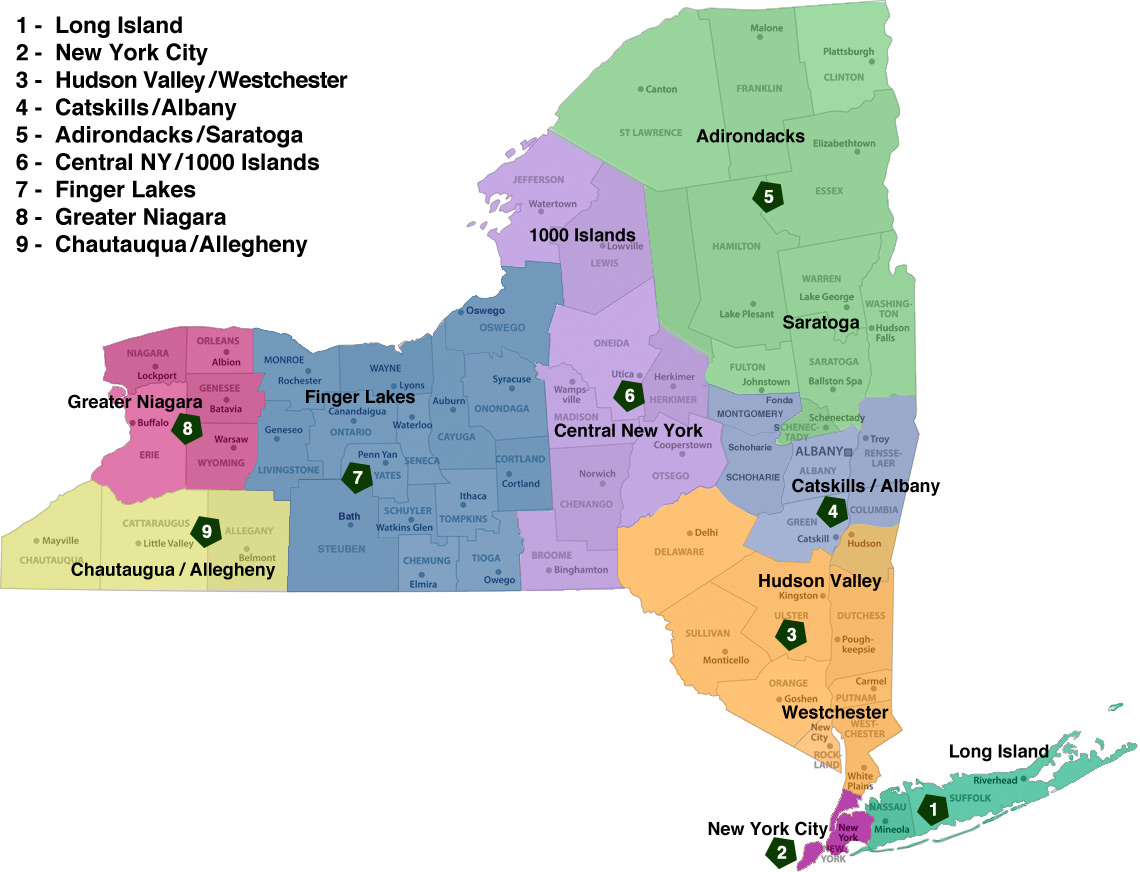
New York City is located in the southeastern portion of the State of New York, resting at the mouth of the Hudson River. Its geography is defined by its insular nature; the city is primarily composed of islands, including Manhattan, Staten Island, and Long Island, which houses the boroughs of Brooklyn and Queens. The Bronx remains the only borough attached to the North American mainland.
The Tri-State Area
The term most frequently used to define the region surrounding the city is the “Tri-State Area.” This informal, albeit widely recognized, geographic designation encompasses parts of New York, New Jersey, and Connecticut. This regional definition is driven by economic interconnectedness—specifically the daily commute of millions of workers into the central business districts of Midtown Manhattan and Lower Manhattan.
The Greater New York Metropolitan Area
For statisticians and urban planners, the region is officially recognized as the New York-Newark-Jersey City, NY-NJ-PA Metropolitan Statistical Area. This sprawling megalopolis functions as a single economic organism. It encompasses suburban counties that stretch deep into the Hudson Valley, the rural fringes of Pennsylvania, and the coastal communities of the Jersey Shore. The regional identity is defined by this massive transit infrastructure, including the Port Authority Bus Terminal, Grand Central Terminal, and Penn Station.
Cultural and Economic Spheres of Influence
Beyond the lines drawn on a map, the region of New York City exerts a powerful cultural gravity. It acts as the primary hub for finance, fashion, media, and diplomacy, influencing not just the immediate neighboring towns but the global community at large.
Economic Gravity and Financial Reach
The region is the financial capital of the world, anchored by Wall Street. The economic ripple effects of the city reach into the affluent suburbs of Westchester County and Fairfield County. These areas have historically served as residential enclaves for those who power the institutions within the Financial District.
A Convergence of Cultures
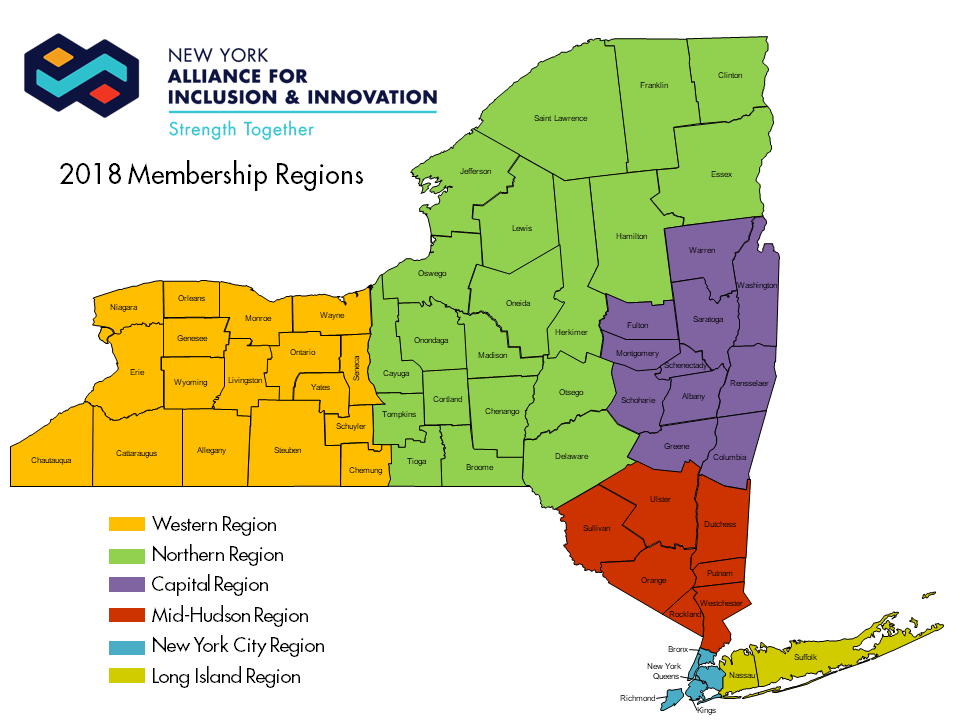
The region is defined by its incredible demographic diversity. Queens is often cited as the most ethnically diverse urban area in the world. This diversity spills over into surrounding counties, creating a regional culture that values culinary variety, multilingualism, and a fast-paced, urban outlook. Whether one is in the trendy neighborhoods of Williamsburg or the suburban streets of Bergen County, the regional influence of the city’s immigrant history is palpable.
The Transit Corridors and Infrastructure
The physical extent of the region is most easily viewed through its transit connectivity. The Metropolitan Transportation Authority (MTA) maintains the largest subway system in the world, which serves as the skeletal system for the region’s daily life.
Commuter Rails and Connectivity
The region relies heavily on three major commuter rail systems: the Long Island Rail Road, the Metro-North Railroad, and NJ Transit. These networks effectively extend the reach of the city, allowing residents to live in distant, greener locales like Greenwich or Princeton while still maintaining a professional and social connection to Central Park and the vibrant street life of the city.
Airports and International Gateways
The region is served by three primary international airports: John F. Kennedy International Airport, LaGuardia Airport, and Newark Liberty International Airport. These hubs collectively form one of the busiest airspaces in the world. Their placement within the region illustrates the scale of the New York City sphere, facilitating global movement that keeps the region’s economy competitive and connected to markets in Europe, Asia, and beyond.
Defining the Future of the Region
As the region continues to evolve, the definition of what constitutes the “city” is expanding. The rise of remote work and the desire for more living space have pushed the influence of New York City further into places like the Catskill Mountains and Eastern Long Island. While these areas were once considered weekend getaways, they are increasingly integrated into the regional fabric as satellite neighborhoods.
Sustainability and Environmental Challenges
The region faces unique environmental challenges, particularly as a coastal entity. The management of the New York Harbor and the protection of the coastline from rising sea levels are regional issues that require cooperation between municipal, state, and federal entities. The Gateway National Recreation Area serves as a testament to the region’s efforts to balance natural beauty with its industrial and high-density realities.

The Ever-Changing Urban Fabric
Ultimately, the region of New York City is not a static object but a fluid, dynamic entity. It is a place where Broadway theater in the heart of Times Square matters as much to the person in Jersey City as it does to the resident of Upper West Side. It is defined by the constant flow of people, ideas, and capital across bridges, tunnels, and rails. Whether you are walking through the historic streets of Greenwich Village or visiting the vibrant markets of Flushing, you are participating in a regional identity that is as vast, complex, and resilient as the city at its core.
To live in or visit the region is to engage with a microcosm of the world. It is a geography of ambition and history, forever tied to the towering skyline that serves as a beacon for travelers and a home for millions. The New York City region remains an essential pillar of the modern world, bridging the gap between the local and the global with unmatched energy and scale.
LifeOutOfTheBox is a participant in the Amazon Services LLC Associates Program, an affiliate advertising program designed to provide a means for sites to earn advertising fees by advertising and linking to Amazon.com. Amazon, the Amazon logo, AmazonSupply, and the AmazonSupply logo are trademarks of Amazon.com, Inc. or its affiliates. As an Amazon Associate we earn affiliate commissions from qualifying purchases.