
For many, California conjures images of sun-drenched beaches, towering redwood forests, vibrant cities, and breathtaking national parks. It’s a land of unparalleled diversity, attracting millions of travelers annually. Yet, beneath this idyllic facade lies a persistent natural challenge: wildfires. The question “How many wildfires are in California?” isn’t a simple one with a static answer; it’s a dynamic inquiry that profoundly impacts travel planning, safety, and the overall experience of exploring the Golden State. For any prospective visitor, understanding California’s wildfire landscape is not just about statistics, but about informed travel and responsible enjoyment of its magnificent destinations.
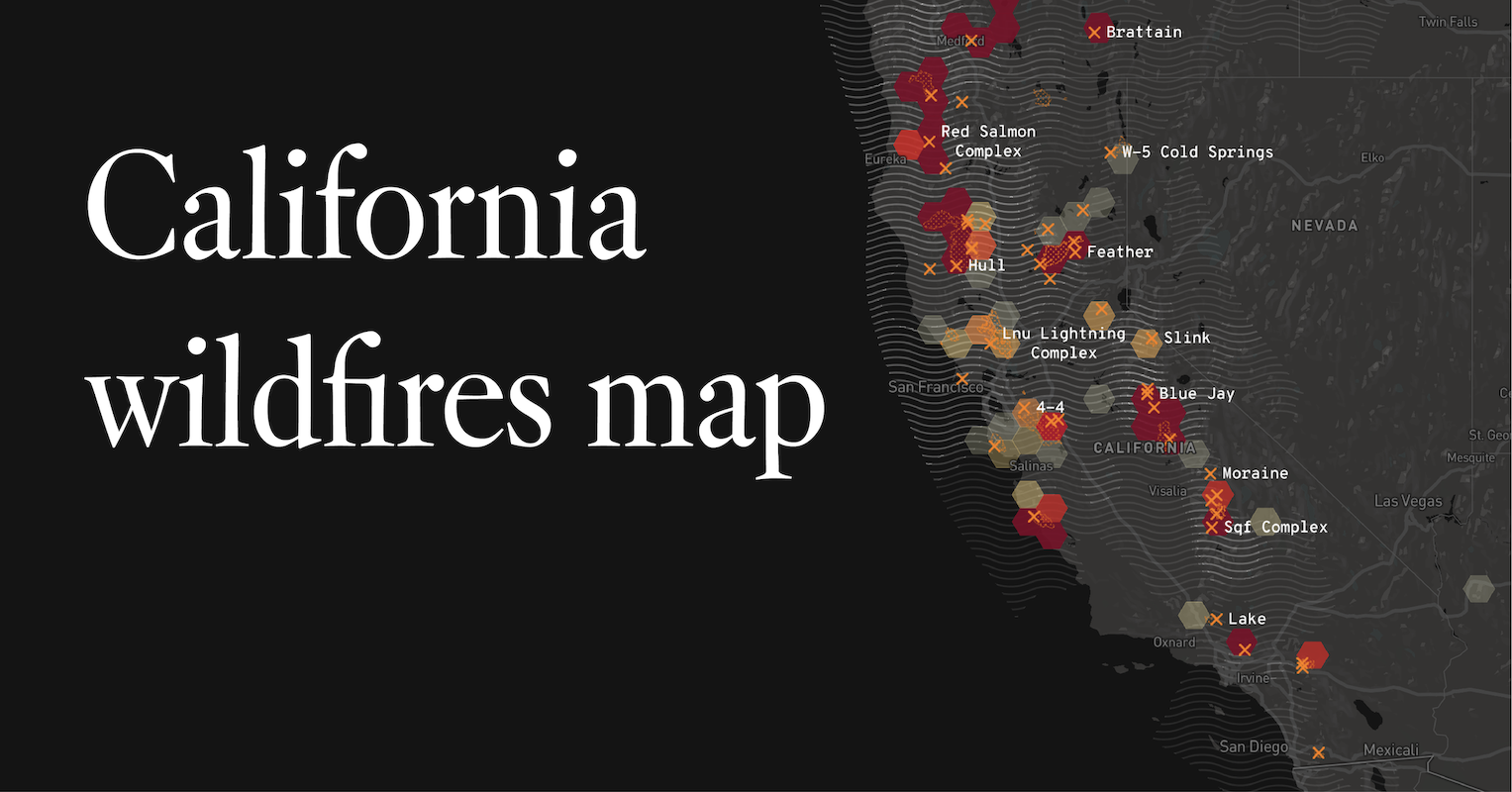
Wildfires are an integral, albeit often destructive, part of California’s ecology. While natural ignitions, primarily lightning, have always played a role in shaping its diverse ecosystems, human activity and a changing climate have amplified their frequency, intensity, and impact. From a traveler’s perspective, this means being aware of seasonal risks, potential disruptions, and how to navigate a state that, despite these challenges, remains an extraordinary place to visit. This guide delves into the realities of California wildfires, offering insights and practical advice to ensure your journey is both memorable and safe.
Understanding California’s Wildfire Landscape: A Traveler’s Guide
California’s unique geography, climate, and vegetation create a perfect storm for wildfires. Travelers keen on exploring its natural beauty need a foundational understanding of these factors to appreciate the context of wildfire season and its potential implications.
The Dynamics of California Wildfires
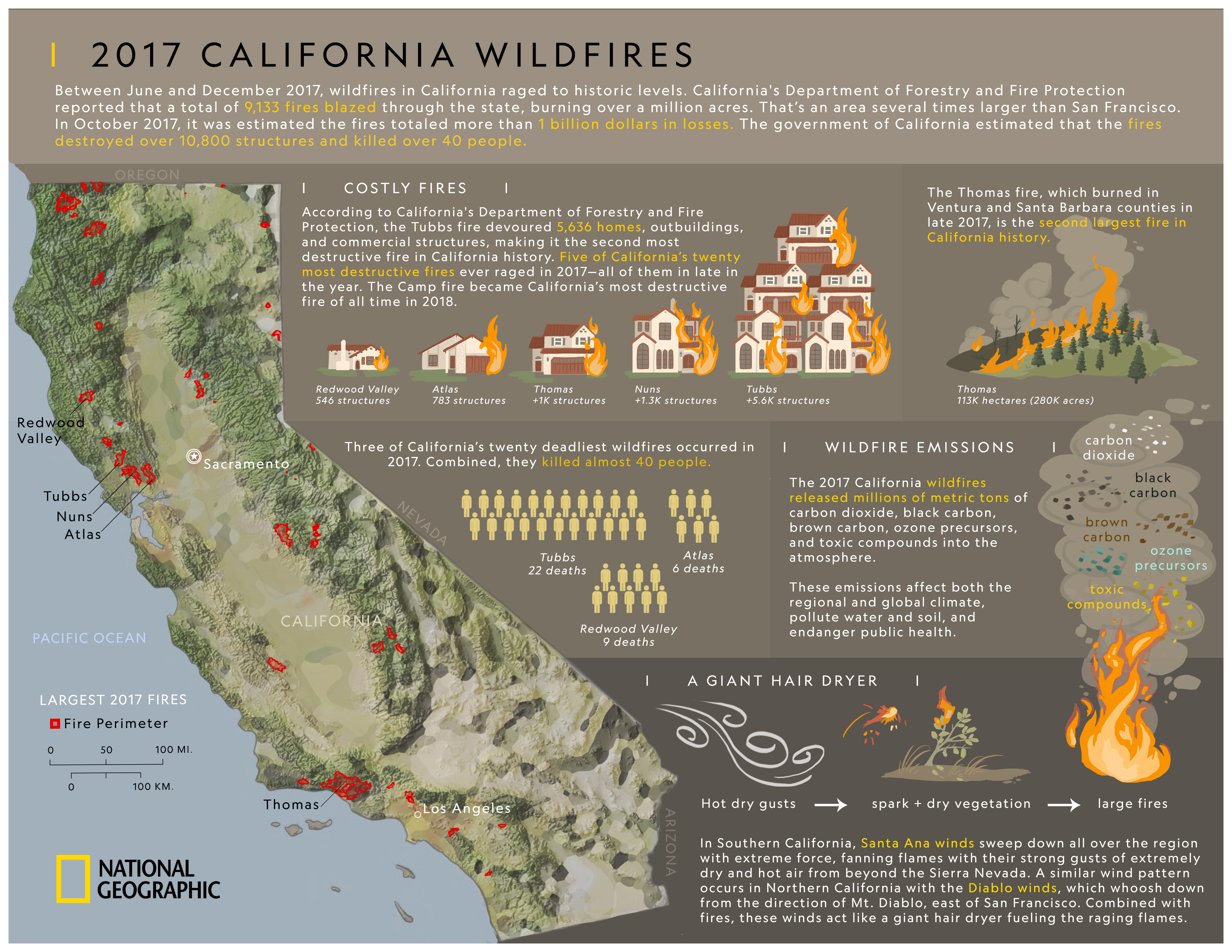
The sheer scale and frequency of wildfires in California are often astonishing to those unfamiliar with the region. Several interconnected factors contribute to this phenomenon. First, California experiences a Mediterranean climate, characterized by hot, dry summers and mild, wet winters. This pattern leads to significant vegetation growth during the rainy season, which then dries out and becomes highly combustible fuel under the relentless summer and fall sun. The state’s diverse topography, featuring mountain ranges like the Sierra Nevada and coastal hills, combined with strong, dry winds (like the Santa Anas in Southern California and the Diablo winds in Northern California), creates conditions where fires can spread rapidly and unpredictably. Human activities, from accidental ignitions to arson, are responsible for a significant majority of fires, further exacerbating the natural cycle. For travelers, this means that virtually any natural area, and even some urban fringes, could be susceptible during peak season.
A Look at the Numbers (from a Traveler’s Perspective)
While providing a precise, real-time number of current wildfires is beyond the scope of a static article – as the situation changes daily, sometimes hourly – it’s crucial for travelers to grasp the nature of the problem. California experiences thousands of wildfires each year. Many are small and quickly contained, posing little threat to travelers. However, some escalate into massive, destructive events that dominate headlines and impact vast areas. The critical takeaway for travelers is that wildfire season typically runs from approximately June through November, often peaking in late summer and fall when vegetation is driest and winds are strongest. During these months, the risk of encountering a wildfire-related issue, such as smoke, road closures, or even direct threats, significantly increases. It’s less about a singular count and more about understanding the ongoing state of preparedness and vigilance required during specific times of the year. Travelers should monitor the situation actively if planning a trip during these months.
The Impact of Wildfires on California Travel and Destinations
Wildfires don’t just burn; they disrupt. For travelers, their presence can dramatically alter planned itineraries, diminish experiences, and even pose direct safety risks. Understanding these potential impacts is key to responsible and enjoyable travel in California.
Air Quality and Health Concerns
Perhaps the most widespread and insidious impact of wildfires on travel is the degradation of air quality. Even fires burning hundreds of miles away can generate plumes of smoke that drift across vast regions, affecting major metropolitan areas like Los Angeles, San Francisco, and Sacramento. Smoke carries fine particulate matter that can cause respiratory issues, reduce visibility, and simply make outdoor activities unpleasant. For travelers, this means that even if a specific destination isn’t directly threatened by flames, poor air quality can cancel plans for hiking, outdoor dining, or even sightseeing. It’s a crucial consideration for those with respiratory conditions or anyone planning an active outdoor vacation. Checking air quality indices (AQI) before and during a trip becomes as important as checking the weather.
Road Closures and Accessibility Issues
Wildfires often necessitate the closure of roads, highways, and even major interstates for safety reasons, firefighting operations, or due to direct damage. This can significantly impact travel logistics, turning a scenic drive into a lengthy detour or making a planned destination completely inaccessible. Iconic routes like the Pacific Coast Highway or mountain passes leading to areas like Lake Tahoe or Yosemite National Park are particularly vulnerable. Travelers must be prepared for last-minute route changes and be flexible with their schedules. Relying on GPS alone can be risky; official sources for road conditions are paramount.
Park and Attraction Closures
Many of California’s most beloved natural attractions are located in fire-prone wildland areas. National Parks (like Yosemite National Park or Sequoia National Park), State Parks, National Forests, and other outdoor recreation areas frequently close during active fires or even preemptively during extreme fire weather. This can be devastating for travelers whose itineraries revolve around these experiences. For example, a planned backpacking trip in the Sierra Nevada or a wine-tasting tour through Napa Valley or Sonoma County could be abruptly interrupted. Even after fires are contained, some areas may remain closed for months or years due to hazardous conditions, such as falling trees or unstable slopes, or for ecological restoration. Always check the status of parks and attractions well in advance and keep monitoring for updates.
Economic Repercussions for Local Tourism
The impact of wildfires extends beyond direct physical damage; they deal a heavy blow to the tourism-dependent economies of many California communities. Hotels, restaurants, tour operators, and local shops in affected regions can suffer significant losses from cancellations and reduced visitor numbers. Travelers who cancel trips due to wildfire concerns, even if their specific destination is safe, contribute to this economic hardship. This highlights the importance of informed decision-making: supporting local businesses in unaffected areas, or returning to fire-affected regions once they are safe and open, can play a vital role in their recovery.

Navigating California Safely During Wildfire Season: Essential Tips for Travelers
Despite the challenges, California remains an incredible travel destination year-round. With proactive planning and awareness, travelers can still enjoy its wonders, even during wildfire season. The key is preparation and flexibility.
Stay Informed and Prepared
The most critical advice for any traveler to California during fire season is to stay relentlessly informed. Utilize official sources for real-time updates:
- CalFire: The California Department of Forestry and Fire Protection provides current incident information, maps, and news.
- Local News Outlets: For specific regional impacts, local TV, radio, and online news sources are invaluable.
- National Weather Service (NOAA): Provides weather forecasts, including wind warnings and Red Flag Warnings, which indicate critical fire weather conditions.
- Park and Forest Service Websites: Always check the official websites for National Parks like Yosemite National Park or Redwood National Park, State Parks, and National Forests for closure information.
Before and during your trip, check these sources daily. Consider signing up for local emergency alerts if you’ll be in a specific area for an extended period.
Flexibility in Itinerary
Wildfire situations are dynamic and unpredictable. What might be clear one day could change dramatically the next. Therefore, travelers should build flexibility into their itineraries.
- Have Backup Plans: Identify alternative destinations or activities in different regions of the state that are less fire-prone or unlikely to be affected by the same incident. For example, if coastal areas are experiencing fires, perhaps an inland city experience could be a backup.
- Consider Travel Insurance: Look for policies that cover disruptions due to natural disasters. Read the fine print carefully to understand what is covered.
- Book Flexible Accommodations and Flights: Where possible, choose options with free cancellation or easy rebooking to minimize financial loss if plans need to change.
Choosing Your Travel Time and Location Wisely
While wildfires can occur at any time, the peak season does carry higher risks.
- Consider Off-Peak Travel: Traveling in the spring (March-May) or early summer (June) often offers pleasant weather and generally lower wildfire risk, though early season fires are not uncommon. Late fall or winter can also be beautiful, especially after the first rains.
- Prioritize Less Fire-Prone Regions: While no area is entirely immune, some regions are historically less affected than others. Coastal cities like San Diego or San Francisco generally have lower immediate fire risk than mountain communities, though they can still suffer from smoke.
- Avoid High-Risk Activities: During Red Flag Warnings or periods of high fire danger, reconsider plans for extensive backcountry hiking or camping in remote, forested areas.
Understanding Evacuation Orders and Safety Protocols
In the rare event that a traveler finds themselves near an active wildfire, knowing what to do is paramount.
- Heed Official Warnings: Always follow instructions from local authorities, including evacuation orders. Do not wait.
- Have an Emergency Plan: If traveling by car, know your routes and potential alternates. Keep your gas tank full.
- Emergency Kit: Consider having a small emergency kit in your vehicle with water, snacks, a first-aid kit, N95 masks (for smoke), and important documents.
- Fire Safety: Be extremely careful with any potential ignition sources. Adhere strictly to fire restrictions, which often include bans on campfires, charcoal grills, and even certain types of cooking stoves in wildland areas. Even a flicked cigarette or an improperly maintained vehicle can start a devastating blaze.
Beyond the Blaze: Future Travel and California’s Resilience
Despite the formidable challenge of wildfires, California remains a resilient and incredibly diverse travel destination. The story of wildfires is also a story of recovery, community spirit, and the enduring beauty of its landscapes.
The Cycle of Recovery and Renewal
While fire can be devastating, it’s also a natural part of many ecosystems. Many California plant species, like sequoias, are adapted to fire, relying on it for seed dispersal and nutrient cycling. After a fire, the landscape begins a remarkable process of recovery. New growth emerges, wildflowers bloom profusely in the following spring, and wildlife gradually returns. For the informed traveler, visiting these regenerating areas, once deemed safe and reopened, can offer a unique perspective on ecological resilience and the power of nature’s renewal. It’s a different kind of beauty, but compelling nonetheless.
Supporting Fire-Affected Communities
One of the most meaningful ways travelers can contribute is by supporting communities that have been impacted by wildfires. Once an area is declared safe and open for visitors, planning a trip there helps to inject much-needed funds into local economies. This could mean staying at local hotels, dining at family-owned restaurants, purchasing goods from local shops, or hiring local guides. Such conscious travel decisions provide crucial support, aiding in the long-term recovery and sustainability of these vibrant places.
Sustainable Travel Practices
As travelers, we all share a responsibility to protect the destinations we visit. In California, this extends to minimizing our fire risk. Practicing sustainable travel means adhering to all fire restrictions, being diligent with any potential ignition sources (even small sparks can ignite a major blaze), staying on marked trails, and properly disposing of all waste. It also involves educating ourselves about local environmental challenges and contributing positively to their solutions. By being respectful and responsible visitors, we help preserve California‘s natural treasures for future generations.
In conclusion, the question “How many wildfires are in California?” points to a complex and ever-present reality for the state. While the numbers fluctuate annually, the continuous presence of wildfire risk necessitates a proactive and informed approach to travel. By understanding the dynamics of these events, recognizing their potential impacts, and following essential safety guidelines, travelers can not only safeguard their own journeys but also contribute to the responsible enjoyment and sustained vitality of California’s breathtaking landscapes and resilient communities. California remains an irresistible destination, and with careful planning, it promises unforgettable experiences year-round.
LifeOutOfTheBox is a participant in the Amazon Services LLC Associates Program, an affiliate advertising program designed to provide a means for sites to earn advertising fees by advertising and linking to Amazon.com. Amazon, the Amazon logo, AmazonSupply, and the AmazonSupply logo are trademarks of Amazon.com, Inc. or its affiliates. As an Amazon Associate we earn affiliate commissions from qualifying purchases.