
For many, the dream of exploring new destinations, indulging in luxurious accommodation, or embarking on an unforgettable adventure often hinges on financial flexibility. Whether you’re a digital nomad considering a move, a professional seeking new opportunities, or simply planning your next grand escape, understanding your income, especially supplemental income like bonuses, is paramount. When it comes to the Lone Star State, a common question arises for residents and potential transplants alike: how much are bonuses taxed in Texas? The answer, while seemingly straightforward, holds nuances that can significantly impact your travel budget and lifestyle choices within this vast and vibrant state.
Texas stands out as a unique hub where economic opportunity meets unparalleled travel experiences. From the bustling metropolitan areas of Houston and Dallas to the live music capital of Austin and the historic charm of San Antonio, the state offers a rich tapestry of culture, food, and activities. For those looking to maximize their earnings to fund their wanderlust, the state’s favorable tax environment often comes up in conversation. Unlike many other states, Texas does not impose a state income tax on wages, salaries, or — crucially for our discussion — bonuses. This significant distinction means that when you receive a bonus in Texas, the primary deductions you’ll contend with are federal taxes and other standard withholdings, not state-specific income levies. This can translate directly into more disposable income, potentially fueling more spontaneous trips to South Padre Island or an extended stay at a boutique hotel in Fredericksburg.
However, the absence of state income tax doesn’t mean your bonus arrives untouched. Federal income tax laws still apply, alongside contributions to programs like Social Security and Medicare. Understanding these federal regulations is key to accurately estimating the net amount of your bonus and, by extension, how much you can allocate towards exploring the Hill Country wineries or planning a scenic drive through Big Bend National Park. For individuals pondering a relocation to Texas for a new role that includes substantial bonus opportunities, or for current residents planning their next big lifestyle upgrade, grasping these financial intricacies is as essential as packing the right gear for a West Texas adventure. Let’s delve deeper into the specifics, ensuring your financial planning is as robust as your travel itineraries.
Navigating the Lone Star State’s Financial Landscape
Texas offers an attractive proposition for both residents and visitors. Its vastness means a diversity of experiences, from the cosmopolitan energy of its major cities to the serene beauty of its natural landmarks. Financially, it’s a state often lauded for its business-friendly environment, a key component of which is its unique approach to personal income taxation. For anyone considering making Texas their home base or even a temporary work-travel hub, understanding this environment is crucial for effective budgeting for everything from daily expenses to dream vacations.
The Allure of Texas: Beyond the Tax Advantage
Beyond the tax benefits, Texas boasts a dynamic landscape for both career growth and leisure. Cities like Houston are global centers for energy and aerospace, home to Space Center Houston, offering high-paying jobs that frequently come with performance bonuses. Dallas is a financial and cultural hub, perfect for those seeking luxury travel experiences, from high-end shopping districts to staying at upscale hotels like the Hyatt Regency Dallas. Meanwhile, Austin thrives as a tech and music mecca, drawing creative professionals who appreciate its vibrant local culture and live music scene, perhaps opting for a stay at the trendy W Hotel Austin or the historic The Driskill Hotel. And then there’s San Antonio, with its rich history exemplified by The Alamo and the famous River Walk, offering charming boutique hotels and delightful culinary experiences.
For the outdoor enthusiast, Texas offers everything from the dramatic canyons of Big Bend National Park to the sandy beaches of South Padre Island on the Gulf Coast. Families can enjoy theme parks, diverse wildlife at Padre Island National Seashore, or explore the wonders of Natural Bridge Caverns. The prospect of higher net income from bonuses in a state with such diverse attractions naturally enhances one’s ability to partake in these enriching tourism opportunities. A well-received bonus could mean the difference between dreaming of a Texas road trip and actually booking that resort stay in Galveston or a guided tour through the Stockyards National Historic District in Fort Worth.
A Deep Dive into Texas Income Taxation (or Lack Thereof)
The most appealing aspect of Texas’s tax structure, particularly for high earners or those expecting substantial bonuses, is the complete absence of a state income tax. This means that unlike states such as California or New York, where a significant portion of your bonus (and regular salary) is siphoned off by the state, in Texas, that money remains in your pocket. This isn’t just a minor saving; for someone earning a six-figure bonus, it can mean tens of thousands of dollars more to spend on living, investing, or, more excitingly, funding grand travel experiences. Imagine what an extra 5% or 10% of a bonus could do for your travel aspirations – perhaps an upgrade to a suite at the JW Marriott San Antonio Hill Country Resort & Spa, or an extended stay in an apartment in Austin to fully immerse yourself in the local culture.
However, it’s essential to understand that while state income tax is absent, Texas does generate revenue through other means, primarily property taxes and sales taxes. Property taxes, in particular, can be quite high in certain affluent areas or desirable school districts. While these don’t directly affect your bonus income, they are a crucial consideration for your overall cost of living and, therefore, your discretionary travel budget. A portion of your bonus might indirectly need to cover these higher living expenses, potentially reducing the funds available for that spontaneous trip to Corpus Christi. Nevertheless, the direct impact of zero state income tax on your bonus is a powerful financial incentive for many to live and work in the state, offering a distinct advantage when planning your financial future and travel goals.
Understanding Bonus Taxation: Federal Rules Apply
Despite Texas’s state income tax holiday, your bonus is not entirely free from taxation. The federal government will certainly want its share. Bonuses are generally considered “supplemental wages” by the IRS and are subject to federal income tax withholding, Social Security tax, and Medicare tax. Understanding how these federal taxes are applied is crucial for managing your expectations and planning how to allocate your newfound funds, whether for a luxury weekend getaway or a long-term savings plan for a global adventure.
What Qualifies as a Bonus? (and Why It Matters for Your Travel Fund)
A bonus is essentially extra pay given by an employer to an employee, often as a reward for good performance, hitting company goals, or as an incentive (like a sign-on bonus). Common types include:
- Performance Bonuses: Awarded for meeting individual or team performance targets. This extra cash could be your ticket to that upscale resort in Grapevine.
- Sign-on Bonuses: Offered to attract new talent, particularly for high-demand roles. For someone relocating to Texas, this could cover initial moving costs and still leave enough for exploring Austin’s vibrant districts.
- Retention Bonuses: Paid to encourage employees to stay with a company.
- Holiday Bonuses: A traditional year-end gift from the employer.
- Commission: While often structured differently, commission payments can also be treated as supplemental wages for tax purposes.
Why does this matter for your travel fund? Because the more you understand how your bonus is categorized and taxed, the more accurately you can predict your take-home amount. If you’re eyeing a specific luxury travel package or a comprehensive tour of Texas’s landmarks such as the Sixth Floor Museum in Dallas, knowing your net bonus is the first step in making that dream a reality. Unexpectedly high deductions could force you to adjust your plans, perhaps opting for a more budget travel approach or delaying your trip.
Federal Withholding Methods for Bonuses
The IRS offers employers two primary methods for withholding federal income tax from supplemental wages like bonuses:

-
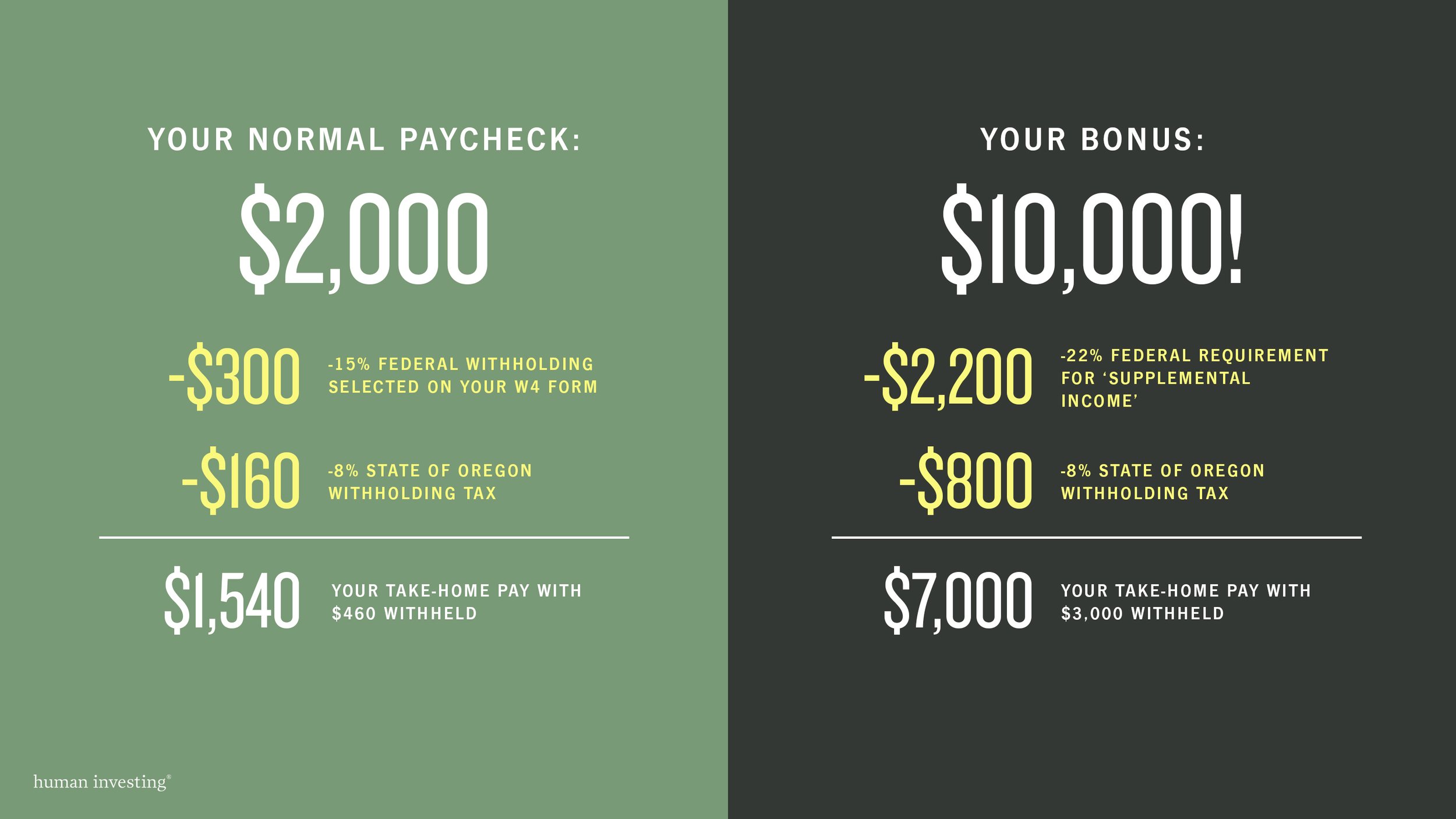
The Percentage Method (Flat Rate Method): This is the most common and often the simplest method for employers. If your bonus is paid separately from your regular wages, or if it’s identified separately on your pay stub, employers can simply withhold federal income tax at a flat 22%. This rate applies to supplemental wages up to $1 million in a calendar year. For bonuses exceeding $1 million, the rate jumps significantly to 37%. So, if you receive a $10,000 bonus, you can generally expect $2,200 to be withheld for federal income tax, leaving you with $7,800 before other deductions. This is a crucial figure to keep in mind when planning that weekend stay at the Four Seasons Hotel Austin or a family trip to Kemah Boardwalk.
-
The Aggregate Method: In this method, the employer combines your bonus with your regular wages for the current or preceding pay period. They then calculate the federal income tax withholding as if the total amount were a single regular wage payment. This method takes into account your W-4 elections (marital status, number of allowances/dependents, additional withholding), which can lead to a different withholding amount than the flat 22%. While this method might result in more accurate withholding over the year, it can sometimes lead to a larger percentage withheld from the bonus itself if the combined income pushes you into a higher withholding bracket for that pay period. This method is often used when a bonus is included directly with a regular paycheck.
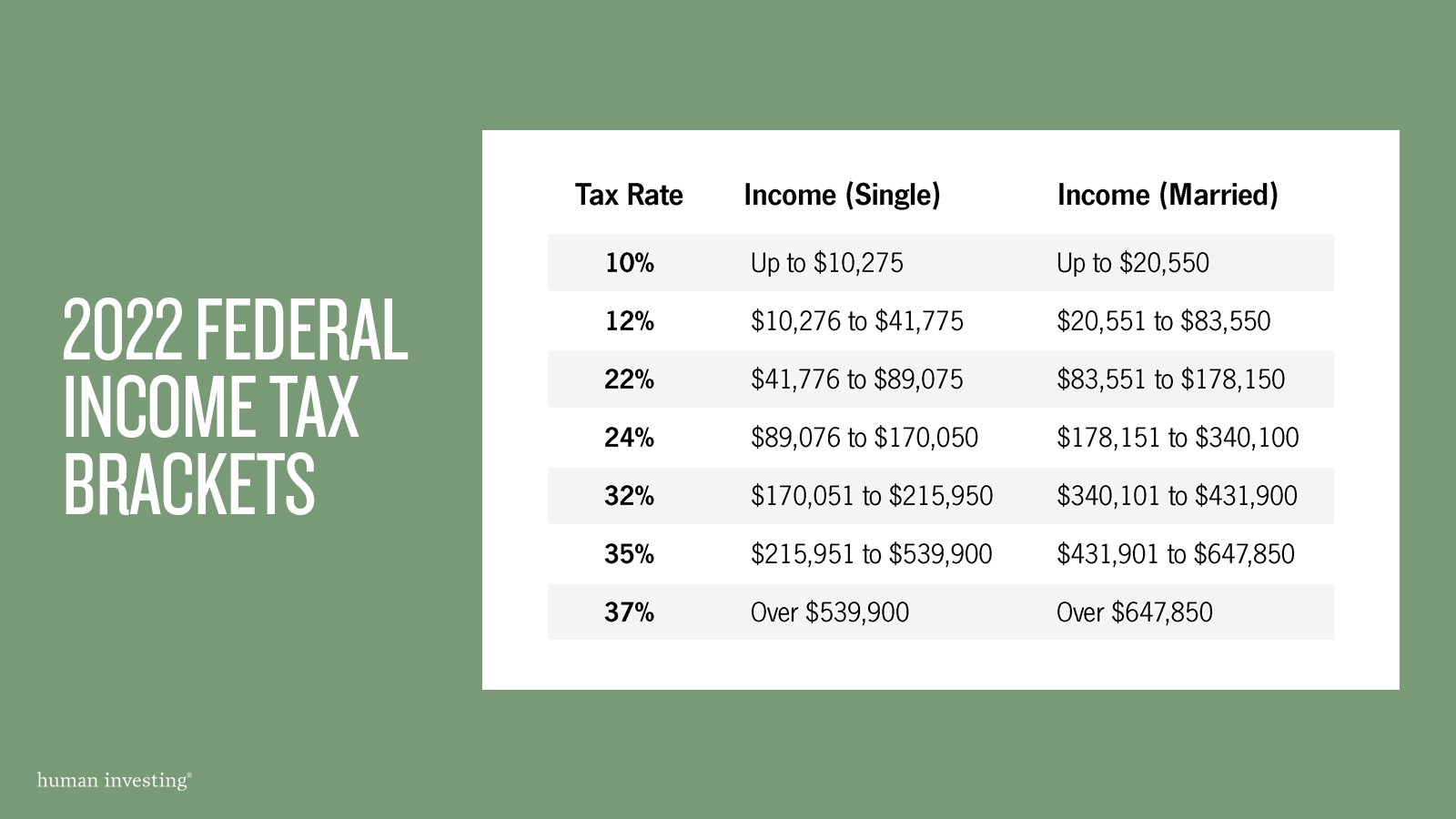
It’s important to remember that these are withholding rates, not necessarily your final tax liability. Your actual tax due will be determined when you file your annual federal income tax return, taking into account all your income, deductions, and credits. You might get a refund if too much was withheld, or owe more if too little was withheld.
Beyond the 22%: What Else is Deducted?
Beyond federal income tax, your bonus will also be subject to:
-
FICA Taxes: This includes Social Security and Medicare taxes.
- Social Security Tax: Employees pay 6.2% on earnings up to an annual limit (which changes yearly).
- Medicare Tax: Employees pay 1.45% on all earnings, with no income limit. An additional 0.9% Medicare surtax applies to high earners (over $200,000 for single filers, $250,000 for married filing jointly).
These FICA taxes collectively add another 7.65% (or more for high earners) to your bonus deductions. This means a significant chunk of your bonus is already accounted for before it even hits your bank account. For example, a $10,000 bonus will see $2,200 (federal income tax) + $765 (FICA) automatically deducted, leaving you with $7,035. This is the figure you should work with when planning your indulgent food tour through Austin or booking that villa for a family trip to New Braunfels.
-
Other Withholdings: Depending on your employment benefits, your bonus might also be subject to deductions for:
- 401(k) or other retirement contributions: If your company’s plan automatically applies contributions to supplemental wages.
- Health insurance premiums.
- Wage garnishments or other voluntary deductions.
These additional deductions further reduce the net amount of your bonus. It’s crucial to review your pay stubs carefully to understand the total impact of all deductions on your supplemental income. This comprehensive understanding ensures that when you’re budgeting for that exciting trip to El Paso or an exploration of Enchanted Rock State Natural Area, you have a realistic figure to work with.
Maximizing Your Bonus for Texan Adventures and Beyond
Receiving a bonus is an exciting financial windfall that, with smart planning, can significantly enhance your lifestyle and travel opportunities. In Texas, the absence of state income tax makes your bonus even more impactful, providing a greater percentage of the gross amount for your discretion. The key is to plan proactively and make informed decisions to turn that bonus into memorable experiences or solid financial security.
Planning Your Post-Bonus Travel Budget
Once you understand the net amount of your bonus after federal income tax, FICA, and other withholdings, you can strategically plan how to spend or save it. This is where your travel dreams truly come into play.
- Luxury Escapes: With a substantial bonus, consider splurging on a luxury travel experience. Perhaps a multi-night stay at the JW Marriott Houston Downtown, complete with spa treatments and fine dining. Or a private tour of Austin’s hidden gems, followed by a gourmet meal.
- Adventure Travel: Fund that epic Big Bend National Park hiking trip you’ve always dreamed of, complete with top-tier accommodation and gear rentals. Or explore the scenic routes of the Hill Country on a curated road trip, stopping at charming B&Bs and local wineries.
- Family Adventures: Utilize your bonus to create lasting memories with a family trip to Galveston for beach fun and historic explorations, or a visit to a resort in San Antonio offering activities for all ages.
- Future Travel Fund: Even if immediate travel isn’t on the cards, a bonus is an excellent opportunity to establish or bolster a dedicated travel savings fund. Setting aside a portion of your bonus specifically for future destinations can make those dream trips feel more attainable and less financially stressful when the time comes.
Remember to consider a “buffer” in your budget. While Texas lacks state income tax, there are still sales taxes on goods and services, and perhaps resort fees, which can add up during your travels. A well-planned budget ensures that you can fully enjoy your Texas experiences without any unwelcome financial surprises.
Smart Financial Moves with Your Bonus
While using your bonus for travel is tempting, smart financial planning can multiply its benefits, offering even greater freedom for future adventures.
- Pay Down High-Interest Debt: Eliminating credit card debt or other high-interest loans can free up more of your regular income for discretionary spending, including travel. The peace of mind alone is invaluable.
- Boost Retirement Savings: Contributing a lump sum of your bonus to a 401(k), IRA, or other retirement account is a powerful way to grow your wealth over time. This also potentially reduces your taxable income in the current year, providing a double benefit.
- Build an Emergency Fund: Having a robust emergency fund ensures that unexpected expenses don’t derail your financial stability or force you to dip into your travel savings.
- Invest: Consider investing a portion of your bonus in stocks, bonds, or other assets. This can be a strategic move to build long-term wealth that can eventually fund more elaborate luxury travel or early retirement for extended journeys.
- Home Improvement/Property Investment: For those settled in Texas, a bonus could be used to enhance your home, potentially increasing its value, or even contribute to a down payment on an investment property, which could become a source of passive income to fund future travels.
Balancing immediate gratification (like a fantastic trip) with long-term financial health is the hallmark of intelligent bonus management. In a state like Texas, where your bonus stretches further due to the lack of state income tax, these strategic moves become even more impactful.
Consulting a Professional for Your Texas-Based Income
While this guide provides a comprehensive overview, personal financial situations can be complex. If you receive a particularly large bonus, have a unique compensation structure, or are dealing with other significant financial events (like relocation or starting a business), consulting a qualified financial advisor or tax professional is highly recommended. They can provide personalized advice on how to optimize your bonus, minimize your overall tax liability, and structure your finances to achieve your specific lifestyle and travel goals within the Texas framework. Their expertise can ensure you’re making the most informed decisions, leaving you more time and resources to discover all the incredible experiences Texas has to offer.
In conclusion, while the question of “How Much Are Bonuses Taxed In Texas?” might initially seem purely financial, its implications deeply affect your ability to live a rich, travel-filled lifestyle. By understanding the federal taxation rules and leveraging Texas’s state income tax exemption, you can strategically plan to make the most of your bonus, turning potential earnings into unforgettable adventures across the Lone Star State and beyond. So, go ahead, crunch those numbers, then start planning your next great escape – Texas awaits, and your bonus is ready to help you explore it.
LifeOutOfTheBox is a participant in the Amazon Services LLC Associates Program, an affiliate advertising program designed to provide a means for sites to earn advertising fees by advertising and linking to Amazon.com. Amazon, the Amazon logo, AmazonSupply, and the AmazonSupply logo are trademarks of Amazon.com, Inc. or its affiliates. As an Amazon Associate we earn affiliate commissions from qualifying purchases.