
The Boston Red Sox, one of Major League Baseball’s most storied franchises, hold a special place in the hearts of fans across New England and beyond. The vibrant energy surrounding Fenway Park, the team’s iconic home, is a testament to its deep cultural roots and its significant impact on the city of Boston. Far more than just a sports team, the Red Sox represent a powerful blend of history, community, and big business, profoundly influencing everything from local tourism to the lifestyle of its dedicated fanbase. Understanding who owns this illustrious club is key to appreciating its broader influence, not only in the world of professional sports but also as a major driver of travel and economic activity in Massachusetts.
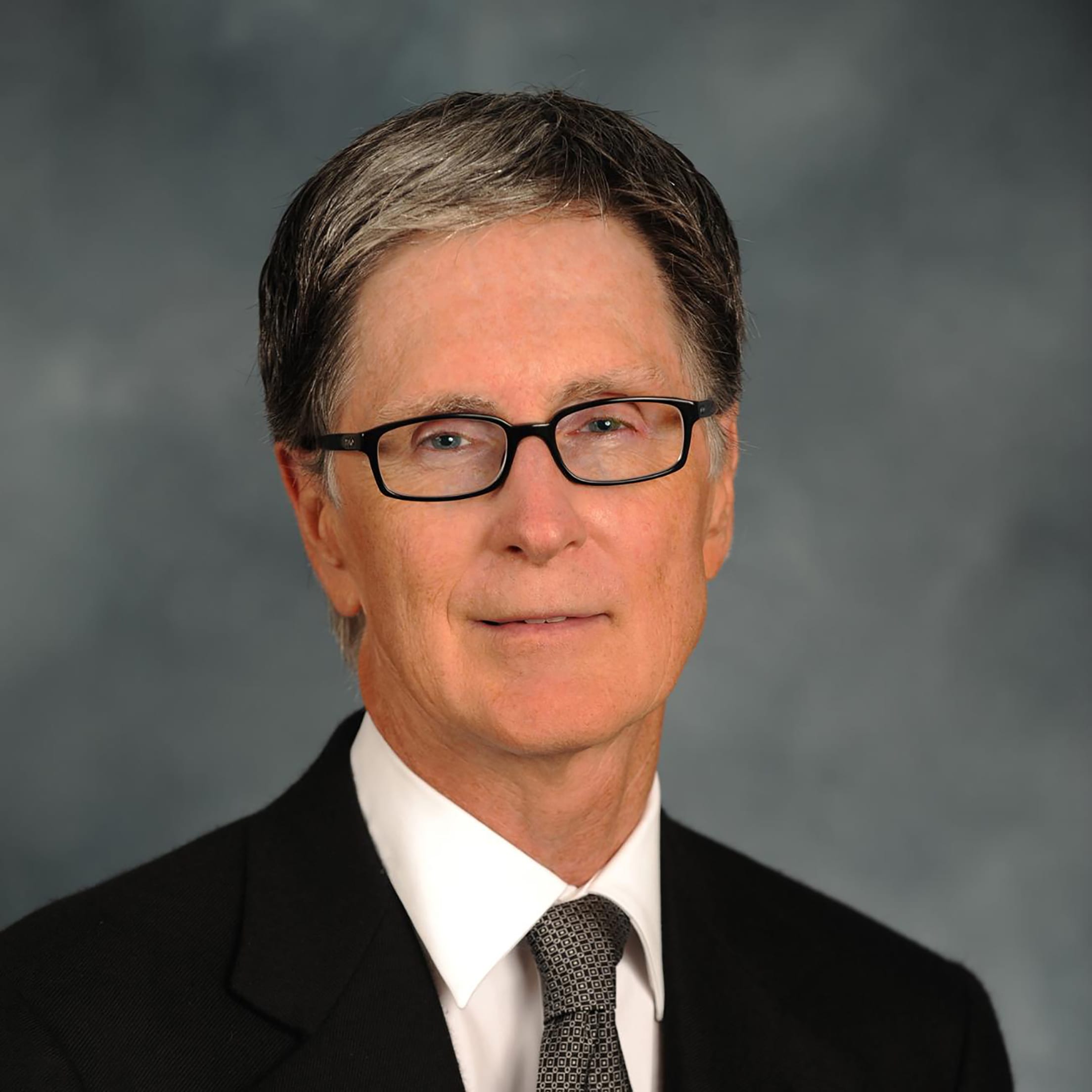
The current owners of the Boston Red Sox are Fenway Sports Group (FSG), a global sports, media, and entertainment company. Since acquiring the team in 2002, FSG has transformed the franchise, ushering in an era of unprecedented success on the field and shrewd business expansion off it. Their ownership has not only revitalized the Red Sox but also cemented their position as a pivotal player in the global sports landscape, with ventures that touch upon various aspects of modern lifestyle, from luxury travel to media content.
Fenway Sports Group: The Powerhouse Behind the Red Sox
Fenway Sports Group, originally known as New England Sports Ventures, was founded by John Henry, Tom Werner, and Michael Gordon. This formidable trio orchestrated the acquisition of the Boston Red Sox and Fenway Park from the Yawkey Trust for an estimated $660 million. At the time, this was a significant investment, signaling a clear intent to restore the team’s former glory and modernize its operations. Over two decades later, FSG has grown into a multi-billion-dollar enterprise, with the Red Sox at its core, but extending its reach across various sporting disciplines and media platforms. The group’s philosophy centers on strategic investment, community engagement, and a relentless pursuit of excellence, principles that have directly influenced the team’s performance and its standing in Boston.
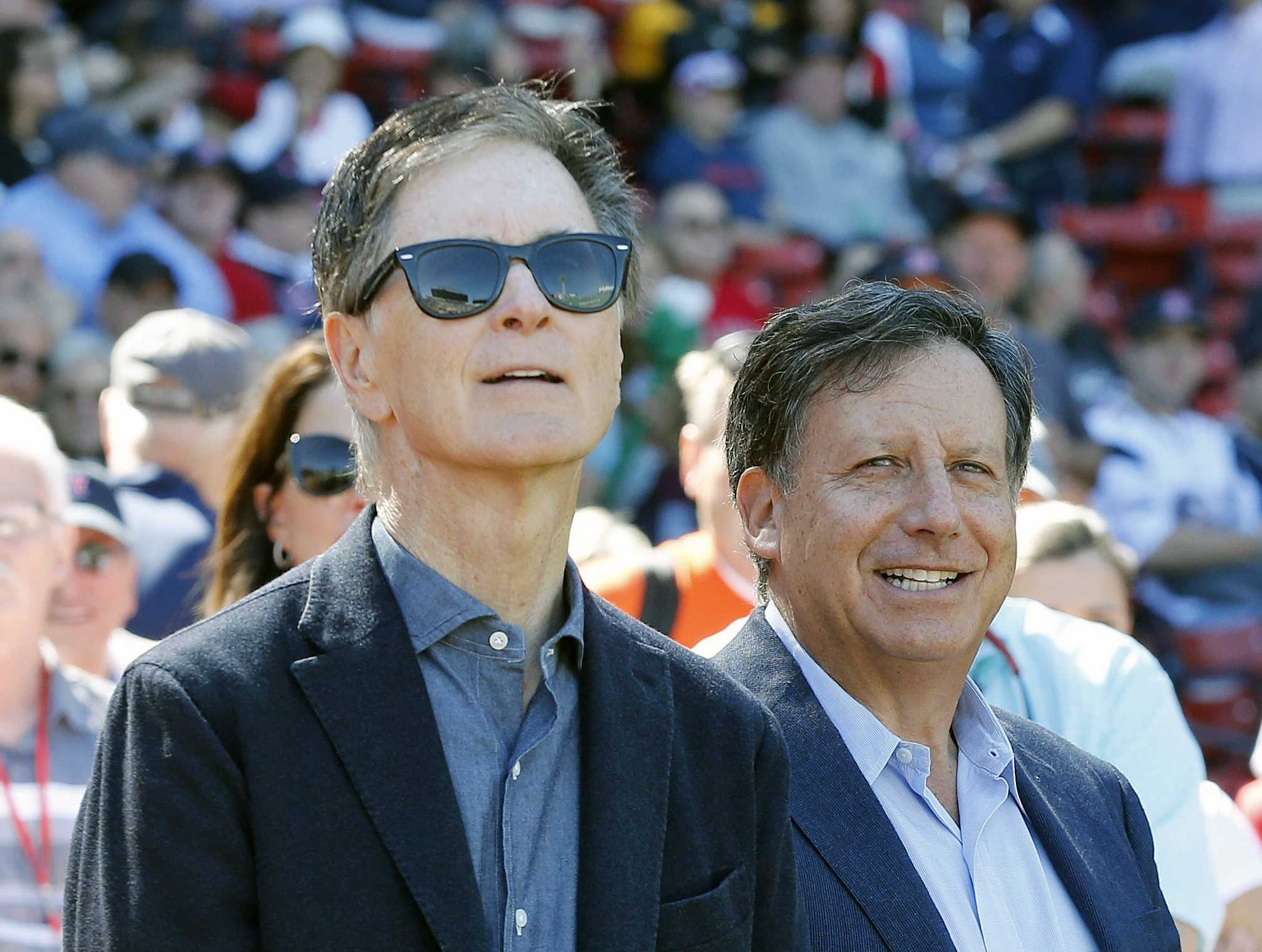
The Visionary Leadership: John Henry, Tom Werner, and Michael Gordon
The success of Fenway Sports Group can be largely attributed to the distinct strengths and collective vision of its principal owners. John Henry, the principal owner, is a self-made billionaire with a background in commodities trading. His analytical approach and deep understanding of financial markets have guided FSG’s strategic investments and operational efficiency. His steady hand ensures that the organization remains financially robust, capable of making significant investments in players, facilities, and other ventures. Henry’s commitment to long-term sustainability and data-driven decision-making has been a hallmark of the Red Sox under his stewardship.
Tom Werner serves as the chairman of the Red Sox and Fenway Sports Group. With a successful career in television production, including hits like “The Cosby Show” and “Roseanne,” Werner brings a creative and media-savvy perspective to the group. His expertise in entertainment and marketing has been crucial in enhancing the fan experience, forging strong media partnerships, and building the Red Sox brand beyond the ballpark. Werner’s focus on storytelling and audience engagement plays a vital role in connecting the team with its global fanbase, making every game and associated event an immersive cultural moment.
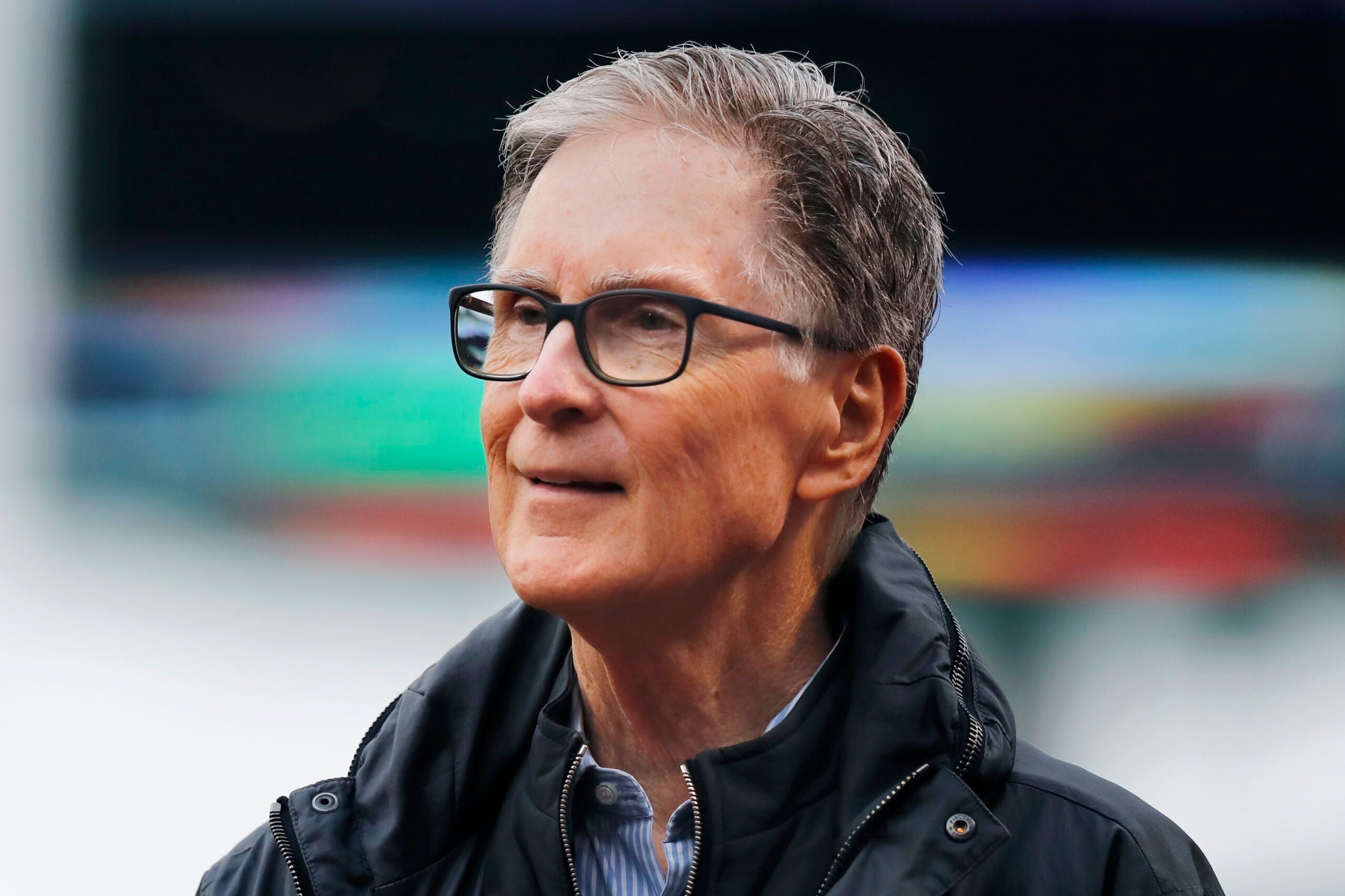
Michael Gordon, often described as the quiet force within FSG, holds the title of president. His background in finance and investment provides the critical analytical backbone for the group’s multifaceted operations. Gordon is deeply involved in the day-to-day strategic management across all FSG assets, including player acquisitions, financial planning, and organizational growth. His meticulous attention to detail and hands-on approach ensure that the group’s ambitious projects are executed effectively. Together, this leadership triumvirate combines financial acumen, media expertise, and operational rigor to guide one of the most successful sports ownership groups in the United States.
In recent years, the ownership structure has also expanded to include high-profile minority investors like Gerry Cardinale’s RedBird Capital Partners, which acquired a significant stake in FSG in 2021. This infusion of capital has further fueled FSG’s global expansion, attracting more influential figures such as basketball icon LeBron James and entertainment mogul Dwayne Johnson as minority partners, each bringing unique perspectives and market reach to the group. Key executives like Sam Kennedy, the CEO of the Red Sox, also play crucial roles in daily operations and strategic vision.
A Diverse Portfolio: Beyond Baseball
Fenway Sports Group’s ownership extends far beyond the green monster of Fenway Park. Their strategic vision has been to build a comprehensive portfolio of elite sports and entertainment properties, creating synergy and cross-promotional opportunities across various destinations.
One of their most prominent acquisitions outside of baseball is Liverpool Football Club, a legendary team in the English Premier League. The success of Liverpool FC under FSG’s ownership mirrors the revitalization of the Red Sox, bringing championships and global recognition. This international expansion highlights FSG’s ambition and capability to manage high-value assets across different continents, appealing to diverse fan cultures and expanding their global footprint in sports tourism.
In the world of motorsports, FSG holds a significant stake in RFK Racing (formerly Roush Fenway Racing), a leading team in NASCAR. This venture demonstrates their diversified interest in American sports and their ability to operate successfully in varied competitive environments. More recently, FSG expanded its hockey presence by acquiring the Pittsburgh Penguins of the National Hockey League (NHL), further solidifying their position as a multi-sport powerhouse.
Beyond team ownership, FSG also owns New England Sports Network (NESN), a regional sports network that broadcasts Red Sox and Boston Bruins games. This vertical integration allows FSG to control its media distribution, ensuring a consistent brand message and maximizing revenue streams. The network is a lifeline for fans across New England, bringing the excitement of games directly into their homes, irrespective of their ability to engage in travel to the stadium. This diverse portfolio not only generates substantial revenue but also creates a vast ecosystem of interconnected sports and media properties that appeal to a wide array of lifestyles.
The Red Sox Legacy and Its Impact on Boston
The acquisition of the Boston Red Sox by Fenway Sports Group marked a turning point for both the franchise and the city of Boston. Breaking the “Curse of the Bambino” in 2004 with a World Series victory, and subsequently winning championships in 2007, 2013, and 2018, transformed a long-suffering fanbase into one celebrating an era of dominance. This success has had a profound ripple effect, enhancing civic pride, boosting local economies, and drawing global attention to Boston as a premier sports destination.
Fenway Park: A Landmark and Tourist Destination
At the heart of the Red Sox’ legacy is Fenway Park, an iconic landmark and the oldest active ballpark in Major League Baseball. Built in 1912, Fenway Park is more than just a stadium; it is a living museum of baseball history, an essential stop for anyone visiting Boston. FSG has invested heavily in preserving its historic charm while modernizing its facilities to enhance the fan experience, making it a prime example of blending heritage with contemporary comfort.
For travelers and baseball enthusiasts, visiting Fenway Park is an unforgettable experience. Beyond attending a game, daily historical tours offer a fascinating glimpse into the ballpark’s rich past, taking visitors through the dugouts, the press box, and atop the legendary Green Monster. These tours are a major attraction, drawing thousands of tourists annually, regardless of the baseball season. The aura of Fenway contributes significantly to Boston’s allure as a destination rich in both sports and American history. For many, a trip to Boston feels incomplete without stepping foot inside this venerable landmark.
The Economic and Cultural Ripple Effect
The Red Sox and Fenway Park are powerful economic engines for Boston. During home games, the neighborhood around Fenway transforms into a bustling hub of activity. Local businesses, from sports bars and restaurants offering classic Boston food and drink to souvenir shops, thrive on the influx of fans. The demand for hotels and accommodation in the city also spikes, benefiting a wide range of establishments from luxury hotels to more budget-friendly options. FSG’s ownership has been instrumental in maximizing this economic impact, investing in infrastructure around the ballpark and creating a vibrant district that extends beyond game days.
Culturally, the Red Sox are woven into the fabric of Boston. The team provides a shared identity and a collective source of pride for residents. Celebrations after championships draw millions to the city streets, becoming major civic experiences that showcase Boston’s spirit to the world. For tourists, engaging with the Red Sox culture—whether by attending a game, visiting Fenway Park, or simply sporting team gear—is an integral part of experiencing authentic Boston. The owners’ commitment to community initiatives and charitable foundations further strengthens this bond, demonstrating a responsibility that goes beyond mere profit.
A Lifestyle of Sports and Influence
The ownership of a major sports franchise like the Boston Red Sox is not merely a business venture; it represents a significant lifestyle, influencing countless aspects of the sporting world and beyond. For Fenway Sports Group, this means navigating the complexities of high-stakes sports management, global brand building, and catering to a diverse audience, from casual fans to corporate partners.
The Business of Sports and Luxury Travel
The business of owning multiple top-tier sports teams in different leagues (baseball, football, hockey, NASCAR) demands constant travel and an appreciation for luxury travel. Owners, executives, and high-value stakeholders frequently journey between Boston, Liverpool, Pittsburgh, and other destinations for meetings, games, and strategic planning. This often entails staying in premium hotels, utilizing private transportation, and engaging in high-level hospitality, reflecting the lifestyle associated with global sports ownership.
Furthermore, the operations extend to player travel and accommodation during the season and during events like Spring Training in Florida. These logistical undertakings often involve arranging stays at quality hotels and resorts that meet the specific needs of professional athletes. The influence of sports ownership also permeates the fan lifestyle, particularly for those who follow their teams on the road. Many Red Sox enthusiasts plan their vacations around away games, seeking out hotels and attractions in new cities, turning sports fandom into an impetus for travel and exploration.
Experiencing Boston Through a Fan’s Lens: Accommodation and Tourism
For fans planning a trip to see the Boston Red Sox play at Fenway Park, the city offers a wealth of accommodation options and tourism experiences. Hotels like The Lenox Hotel or The Godfrey Hotel Boston, often listed among Historic Hotels of America, provide luxurious stays within easy reach of the ballpark, blending convenience with Boston’s rich history. For those seeking more contemporary comfort, properties like the Fairmont Copley Plaza or the Four Seasons Hotel One Dalton Street Boston offer upscale resorts with top-tier amenities.
Beyond game day, Boston itself is a treasure trove of landmarks and attractions. Tourists can walk the Freedom Trail, explore Boston Common, or delve into art and culture at the Museum of Fine Arts or the Isabella Stewart Gardner Museum. The combination of high-octane sports experiences and profound historical exploration makes Boston an ideal destination for a diverse range of lifestyles and interests. Many visitors also extend their travel plans to explore the picturesque beauty of Cape Cod, Martha’s Vineyard, or Nantucket after experiencing the urban charm of Boston.
Looking Ahead: The Future of FSG and the Red Sox
The future for Fenway Sports Group and the Boston Red Sox remains dynamic and ambitious. With a robust portfolio and a proven track record of success, FSG continues to explore new avenues for growth and investment. The influx of capital from RedBird Capital Partners and the involvement of global figures like LeBron James and Dwayne Johnson signal an intent to further expand their global reach and influence. This could mean acquiring stakes in new sports leagues, expanding their media operations, or even venturing into new forms of entertainment.
For the Red Sox, FSG’s commitment means continued investment in talent, stadium enhancements, and community engagement. The aim is to maintain competitiveness in Major League Baseball while ensuring that Fenway Park remains a world-class landmark and fan destination. The ownership’s forward-thinking approach will likely see further integration of technology into the fan experience, exploring new ways to engage audiences through digital platforms and personalized content.
Ultimately, Fenway Sports Group’s ownership of the Boston Red Sox transcends mere financial control. It’s about preserving a cherished legacy while innovating for the future, leveraging the power of sports to create lasting experiences, drive economic activity, and foster a unique lifestyle for fans and the city of Boston alike. From the strategic boardrooms to the bustling streets around Fenway Park, the influence of FSG is undeniable, making the Red Sox not just a baseball team, but a global icon of sports, travel, and cultural pride.
LifeOutOfTheBox is a participant in the Amazon Services LLC Associates Program, an affiliate advertising program designed to provide a means for sites to earn advertising fees by advertising and linking to Amazon.com. Amazon, the Amazon logo, AmazonSupply, and the AmazonSupply logo are trademarks of Amazon.com, Inc. or its affiliates. As an Amazon Associate we earn affiliate commissions from qualifying purchases.