
Understanding the cost of car tags in California is a crucial aspect of financial planning, whether you’re a long-time resident, a new transplant, or someone considering an extended stay in the Golden State. These annual registration fees, often colloquially referred to as “car tags” or “tabs,” are more than just a minor expense; they represent a significant line item in the budget of vehicle owners across the state. Navigating the nuances of California’s vehicle registration system requires insight into the various components that contribute to the final amount, which can fluctuate based on numerous factors. For anyone managing their lifestyle expenses, especially those involving vehicle ownership, a clear grasp of these costs is indispensable.
Understanding California’s Vehicle Registration System
California’s vehicle registration fees are not a flat rate; instead, they are a composite of several different charges levied by the state. Administered by the California Department of Motor Vehicles (DMV), these fees are designed to fund various state services, including road maintenance, environmental programs, and administrative costs. While the process of renewal is annual, the total sum can vary widely from one vehicle to another, making it essential for owners to understand the underlying structure.
The Basic Annual Fee
At the core of every vehicle registration is a basic annual registration fee. As of current regulations, this fee typically sits around $46 for most passenger vehicles. This fundamental charge is the starting point, to which other fees are added, creating the overall cost. It’s a mandatory fee for all registered vehicles, regardless of their age, value, or type. This consistency provides a baseline, but the complexity begins as additional charges are factored in, turning a seemingly simple process into a more intricate calculation.
Components of the Registration Cost
Beyond the basic annual fee, several other components contribute to the total cost of your California car tags:
- Vehicle License Fee (VLF): This is one of the most significant components and is calculated based on the depreciated value of your vehicle. The VLF is typically 0.65% of your vehicle’s current market value. As your car ages and depreciates, this fee will generally decrease. This ad valorem tax is a major source of revenue for local governments and contributes to various public services. For a brand-new car, the VLF can be substantial, making it a critical consideration for new vehicle purchasers.
- Transportation Improvement Fee (TIF): Introduced to fund road repairs and infrastructure projects, the TIF is a tiered fee based on your vehicle’s value. For vehicles valued at $5,000 or less, the fee might be $25, while for vehicles over $60,000, it can reach $175. This fee is a direct contribution to enhancing California’s vast transportation network, impacting everything from major freeways connecting Los Angeles and San Francisco to local roads in smaller communities.
- California Highway Patrol (CHP) Fee: A standard charge of around $30, this fee supports the operations of the California Highway Patrol, ensuring road safety and traffic enforcement throughout the state.
- Smog Abatement Fee / Smog Check: While not always an annual registration fee directly, the requirement for a smog check every two years (for vehicles manufactured six or more years ago) can add an indirect cost. If your vehicle fails, repair costs can be significant. There’s also a smaller “Smog Abatement Fee” for vehicles that are exempt from biennial smog checks, such as newer models or electric vehicles, ensuring all vehicle owners contribute to air quality efforts.
- County/District Fees: Depending on where you reside within California, you may be subject to additional county or special district fees. These can vary significantly; for instance, residents in air quality districts might pay an additional fee to fund local environmental initiatives. A driver in Sacramento might pay slightly different district fees than someone in San Diego or the Bay Area.
Factors Influencing Your Car Tag Price
The composite nature of California car tags means that several variables can cause the final price to swing considerably. Understanding these factors is key to accurately predicting and budgeting for your annual vehicle expenses.
Vehicle Type and Value
As previously mentioned, the Vehicle License Fee (VLF) is directly tied to the depreciated market value of your car. A brand-new luxury vehicle purchased in Beverly Hills will incur a much higher VLF than an older, more modest sedan registered in Fresno. The type of vehicle also matters; commercial vehicles, motorcycles, and recreational vehicles (RVs) often have different fee structures or additional specific fees that apply. For example, an RV owner planning to explore Yosemite National Park would face registration costs unique to their vehicle class.
City/County-Specific Fees
The “local” component of car tags is not to be overlooked. Various cities and counties across California have the authority to impose their own district fees for specific purposes. These can include fees for local transportation improvements, air quality management, or other community-based initiatives. While typically not as substantial as the state-level fees, they contribute to the overall bill and can mean a difference of tens of dollars depending on your specific address. Checking the DMV website’s fee calculator with your precise zip code is the best way to account for these localized charges.
Special Plates and Additional Services
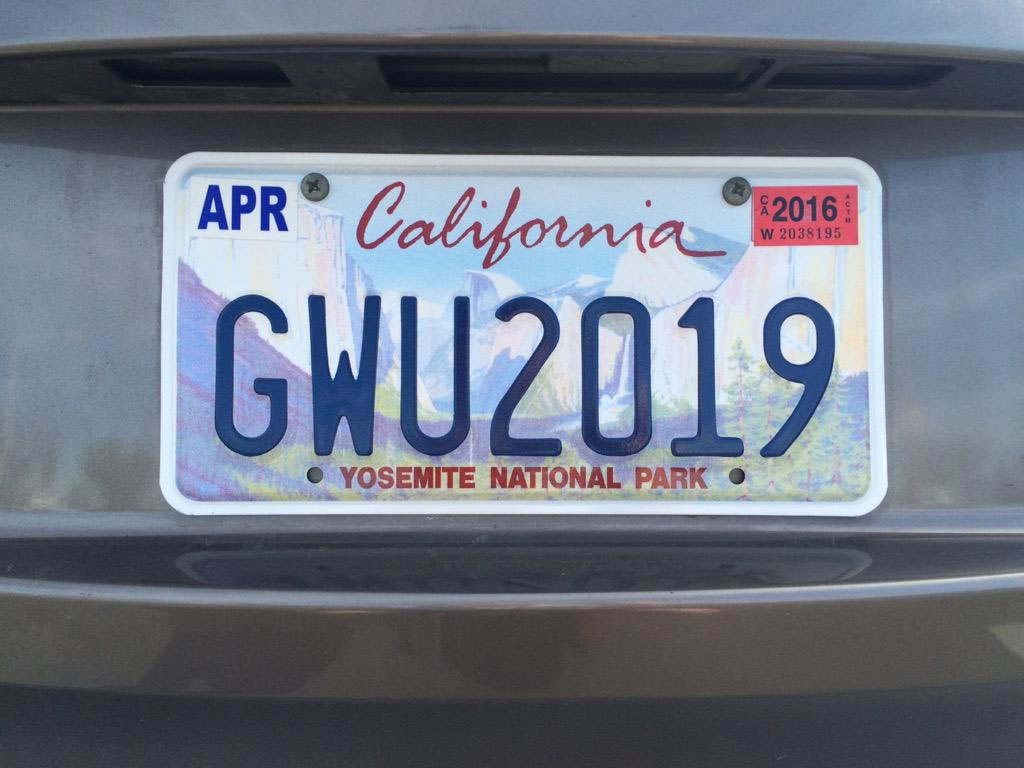
Choosing custom or specialty license plates, such as those supporting environmental causes or specific universities, will invariably add to your annual registration cost. These specialty plates often have an initial fee and then an annual renewal fee, which can range from $40 to $100 or more, depending on the plate design and purpose. Additionally, opting for services like personalized reminders or expedited processing might also incur minor additional charges.

Penalties and Delinquencies
One of the quickest ways for car tag costs to escalate is through late renewals. California imposes strict penalties for delinquent registration renewals. These penalties typically include a flat fee plus a percentage of the Vehicle License Fee, which can accumulate rapidly. Furthermore, a penalty for failing to pay the Transportation Improvement Fee may also be assessed. If you’ve recently moved to California and haven’t registered your out-of-state vehicle within the required 20 days, you could face significant penalties in addition to the standard fees. Staying on top of your renewal dates is paramount for managing these expenses.
Budgeting for California Car Tags: A Lifestyle Perspective
Integrating the cost of car tags into your overall financial plan is a key aspect of responsible vehicle ownership in California. For many, a car is an essential part of daily life, facilitating commutes, family travel, and accessing the state’s diverse attractions. Therefore, understanding and proactively planning for these annual expenses is crucial for maintaining financial stability.
Integrating Costs into Your Financial Plan
To effectively budget for car tags, consider these strategies:
- Annual Review: Make it a point to review your projected registration costs each year. The DMV typically sends renewal notices well in advance, providing the exact amount due.
- Sinking Fund: Consider setting aside a small amount each month into a dedicated “vehicle expenses” sinking fund. This ensures that when the annual registration bill arrives, the funds are readily available, preventing a sudden strain on your budget. For example, if your tags are estimated at $400, putting aside $30-35 per month makes the annual payment manageable.
- Depreciation Awareness: When purchasing a new vehicle, be mindful that the first few years of VLF will be the highest. Factor this into your overall cost of ownership, not just the monthly car payment.
- Total Cost of Ownership: Car tags are just one part of the total cost of owning a car. Remember to also budget for insurance, fuel, maintenance, and potential repairs. A holistic view ensures no surprises down the road.
Strategies for Managing Vehicle Expenses
Beyond budgeting, proactive strategies can help manage the financial impact of car tags:
- Vehicle Choice: When buying a car, consider not just the purchase price but also the long-term registration costs. A less expensive or older vehicle will generally have lower annual VLF.
- Timely Renewals: Always renew your registration on time to avoid costly late penalties. Utilize online renewal options provided by the DMV for convenience.
- Smog Check Compliance: If your vehicle requires a smog check, get it done well before your registration expires to allow time for any necessary repairs without incurring late fees.
- Check for Exemptions: Familiarize yourself with potential exemptions or special programs that might apply to your vehicle, such as those for electric vehicles or certain older models, which could impact some fees.
The Impact on California Residents and Visitors
The cost of car tags has a direct and sometimes significant impact on various groups within California, influencing their financial planning and mobility decisions.
For New Residents
For individuals moving to California from another state, understanding the registration process and associated costs is critical. California requires new residents to register their vehicles within 20 days of establishing residency. This process involves a full registration, including the initial payment of all applicable fees. This can be a substantial upfront cost, especially if moving with a relatively new vehicle. Failing to meet this deadline can result in significant penalties, adding an unnecessary burden to the already complex process of relocating. Planning for this expense is vital for a smooth transition to life in the Golden State.

For Long-Term Travelers and RV Owners
Travelers planning an extended stay in California – perhaps for several months or even a year – particularly those with RVs or campers, need to be aware of residency rules. While tourists on short trips are exempt, anyone establishing residency (which can be triggered by actions like getting a California driver’s license, registering to vote, or accepting employment) will be required to register their vehicle and pay the associated fees. For RV owners, these costs can be higher due to vehicle class-specific fees and often higher initial values, impacting budget planning for nomadic lifestyles or prolonged visits to destinations like Lake Tahoe or the Mojave Desert.
In conclusion, the cost of car tags in California is a multi-faceted expense that demands careful consideration within any personal budget. By understanding the components of the fees, recognizing the factors that influence the price, and employing sound budgeting strategies, vehicle owners can navigate this annual responsibility without financial stress, ensuring their continued mobility and enjoyment of all that California has to offer.
LifeOutOfTheBox is a participant in the Amazon Services LLC Associates Program, an affiliate advertising program designed to provide a means for sites to earn advertising fees by advertising and linking to Amazon.com. Amazon, the Amazon logo, AmazonSupply, and the AmazonSupply logo are trademarks of Amazon.com, Inc. or its affiliates. As an Amazon Associate we earn affiliate commissions from qualifying purchases.