
The role of the Governor of Texas is a position of immense influence and responsibility, shaping the direction of the Lone Star State’s policies, economy, and cultural landscape. As the chief executive of the second-largest state in the United States by both area and population, the governor presides over a vast territory with diverse industries, a rich history, and a dynamic populace. Understanding who holds this office, their background, and their policy priorities is crucial for anyone interested in the intricacies of Texas tourism, its unique local culture, and the experiences it offers to visitors and residents alike.
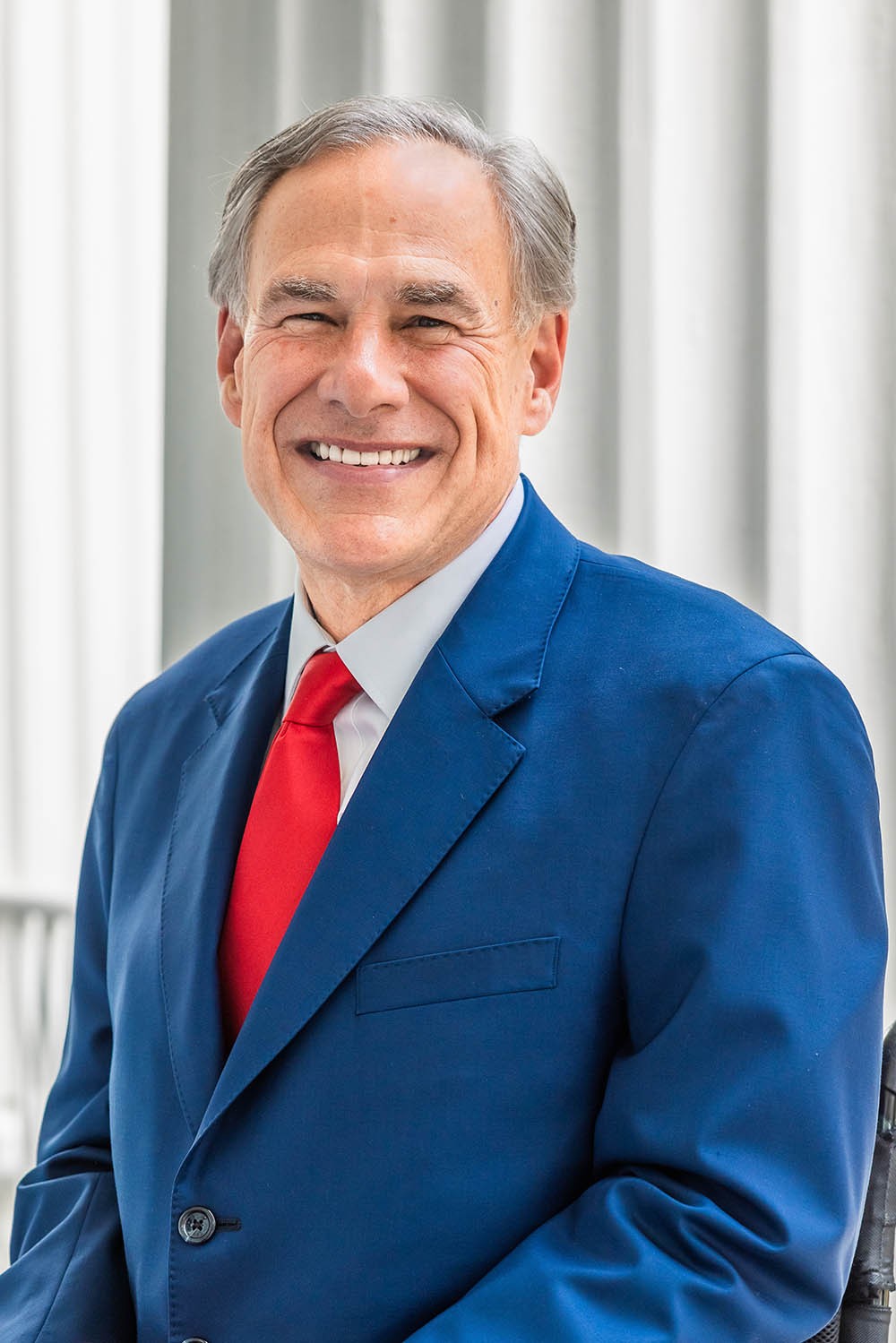
The Current Occupant: Greg Abbott
The individual currently serving as the Governor of Texas is Greg Abbott. A member of the Republican Party, Abbott assumed office in January 2015. His political career spans several decades, including service as the Attorney General of Texas and as a justice on the Texas Supreme Court.
Background and Early Career
Born in Wichita Falls, Texas, Greg Abbott has deep roots in the state. He pursued his higher education at Sam Houston State University and later earned a law degree from Vanderbilt University Law School. His early career was marked by a significant personal tragedy: a falling tree limb during a jogging accident in 1984 left him paralyzed from the waist down. This event, while life-altering, did not deter his professional ambitions and has often been cited as a source of his resilience and determination.
Before entering elected office, Abbott practiced law and served on the Texas Supreme Court as an associate justice. He was later elected as Texas Attorney General, a position from which he gained considerable statewide recognition and built a platform for his gubernatorial aspirations.
Gubernatorial Tenure and Policy Focus
Governor Abbott’s time in office has been characterized by a focus on several key policy areas that directly impact the state’s tourism sector and local culture. These include economic development, border security, and social conservatism.
Economic Development and Tourism
A primary objective of Governor Abbott’s administration has been to foster a business-friendly environment, attracting investment and creating jobs. This economic dynamism indirectly benefits tourism by enhancing the state’s appeal as a destination. Initiatives aimed at promoting trade, reducing regulations, and investing in infrastructure can lead to more robust development in cities like Austin, Dallas, and Houston, thereby increasing the number of visitors and business travelers.
The governor has also supported efforts to showcase Texas as a premier travel destination. This includes promoting the state’s diverse attractions, from the historic missions of San Antonio to the natural beauty of the Texas Hill Country and the vibrant cultural scenes of its major metropolises. While his administration’s primary focus might be economic growth, the ripple effects on tourism are undeniable. Enhanced infrastructure, improved safety, and a generally prosperous state create a more inviting atmosphere for tourists seeking unique experiences and authentic local culture.
Border Security
A prominent aspect of Governor Abbott’s agenda has been border security. This focus, often termed “Operation [[Lone Star]” (a reference to the state’s nickname), involves deploying state resources to the Texas border with Mexico. While primarily a policy related to immigration and law enforcement, it has implications for tourism, particularly for those traveling to border regions. The perception of safety and security in these areas can influence travel decisions. Governor Abbott’s administration argues that their efforts enhance security for all Texans and visitors.
Social and Cultural Policies

Governor Abbott has generally aligned with conservative principles on social issues. These stances can influence the perception of Texas as a destination. For instance, discussions around issues like LGBTQ+ rights or abortion access can shape how various demographics of potential tourists view the state. While the governor’s focus is on governing according to his principles, the broader cultural climate of a state is an integral part of its tourism appeal. A state that embraces diversity and inclusivity might attract a wider range of visitors than one perceived as less welcoming. Conversely, strong stances on certain social issues might resonate with specific segments of the population, influencing their travel choices.
Impact on Texas Tourism and Culture
The policies and leadership of Governor Greg Abbott have had a tangible impact on the landscape of tourism and local culture in Texas. His administration’s commitment to economic growth has fostered an environment where businesses, including those in the hospitality and tourism sectors, can thrive. This translates to more diverse accommodations, a wider array of attractions, and improved infrastructure that enhances the overall travel experience.
Moreover, the governor’s support for promoting Texas as a destination, even if indirectly through economic development, plays a role in marketing the state’s unique offerings. From the vast ranches in West Texas to the historic charm of towns like Galveston, the state’s rich tapestry of experiences is a significant draw. The governor’s role in shaping the state’s image, therefore, indirectly influences how these experiences are perceived and promoted to potential tourists.
The cultural aspect is also noteworthy. Texas boasts a distinctive local culture, a blend of Southern hospitality, Western heritage, and a significant Hispanic influence. The governor’s leadership, while often focused on broader policy, inevitably contributes to the narrative surrounding the state. His administration’s approach to various social issues can influence the inclusivity and diversity perceived within Texas, which in turn can impact its appeal to a global audience of travelers seeking authentic and welcoming cultural experiences.
The Governor’s Role in Shaping Travel Experiences
The Governor of Texas is not directly involved in the day-to-day operations of hotels or the curation of specific attractions, but their influence on the state’s overall environment is undeniable. Through legislative initiatives, budget allocations, and public pronouncements, the governor can foster conditions that either promote or hinder the tourism industry.
Economic Framework
The governor’s economic policies are paramount. When Texas experiences robust economic growth, it often means more disposable income for residents, leading to increased domestic travel. It also makes the state more attractive for international tourism and business travel. Investments in infrastructure, such as airports, highways, and public transportation, directly impact how easily tourists can navigate the state and access its destinations. Governor Abbott’s emphasis on business development and job creation contributes to a prosperous state, which is a fundamental prerequisite for a thriving tourism sector.
Promoting Texas: Beyond Economic Growth
While economic indicators are crucial, the governor also has a platform to actively promote Texas as a destination. This can involve participating in tourism promotion events, advocating for state parks and historical sites, and highlighting the unique cultural experiences that Texas has to offer. The governor’s office may work in conjunction with agencies like Texas Travel, the state’s official tourism marketing organization, to develop strategies that attract visitors. By championing the state’s diverse offerings—from the vibrant music scene in Austin to the rich history of San Antonio and the natural beauty of the Big Bend National Park—the governor can play a significant role in shaping public perception and encouraging travel.
Safety and Security
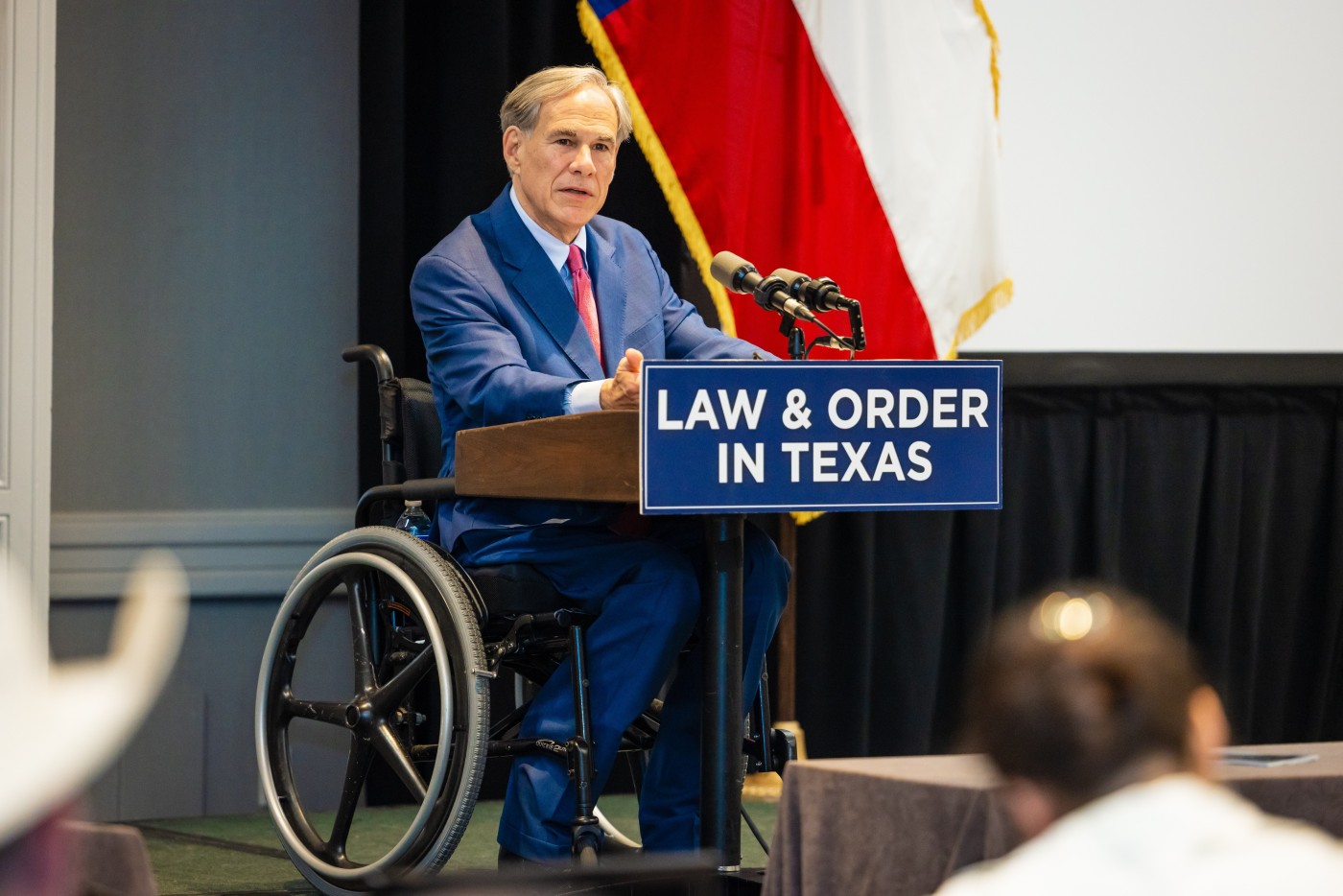
The governor’s responsibility for public safety has direct implications for tourism. A state perceived as safe and secure is more likely to attract visitors. Governor Abbott’s initiatives in law enforcement and border security, while often debated, are presented by his administration as contributing to the overall safety of the state. For tourists, knowing that their safety is a priority can be a significant factor in choosing their travel destinations. Conversely, any perception of instability or lack of safety can deter travelers and negatively impact the tourism industry, from the smallest bed and breakfast in a rural town to the largest convention center in a major city.
Cultural Preservation and Promotion
The governor’s office can also influence the preservation and promotion of Texas’s unique local culture. This might involve supporting historical preservation efforts, funding arts and cultural organizations, or advocating for policies that celebrate the state’s diverse heritage. For example, initiatives that support the preservation of historic sites like the Alamo or the promotion of cultural festivals that showcase Texan traditions contribute directly to the state’s appeal as a cultural tourism destination. The governor’s vision for Texas can therefore encompass not just economic progress but also the safeguarding and celebration of the very elements that make its culture and experiences so compelling to visitors.
In conclusion, while the question “Who is the Texas Governor?” may seem straightforward, the individual holding that office wields significant indirect influence over the state’s tourism landscape, affecting everything from economic conditions that facilitate travel to the promotion of its rich local culture and unique experiences. Understanding the governor’s priorities and policies provides valuable insight into the future direction of travel and tourism in the great state of Texas.
LifeOutOfTheBox is a participant in the Amazon Services LLC Associates Program, an affiliate advertising program designed to provide a means for sites to earn advertising fees by advertising and linking to Amazon.com. Amazon, the Amazon logo, AmazonSupply, and the AmazonSupply logo are trademarks of Amazon.com, Inc. or its affiliates. As an Amazon Associate we earn affiliate commissions from qualifying purchases.