
Establishing a business, or expanding an existing one, in California is an exciting prospect for many entrepreneurs and professionals. The Golden State offers a vibrant economy, diverse markets, and unparalleled innovation. However, navigating the administrative landscape, particularly understanding the costs and processes associated with obtaining a business license, is a critical first step. For those considering a temporary business stay or a permanent relocation for their enterprise, knowing these financial and procedural intricacies is paramount to seamless operation and compliance.
Understanding Business Licensing in the Golden State
Operating legally in California requires a thorough understanding of its multi-layered licensing structure. Unlike a single, statewide business license, entrepreneurs must often comply with requirements at the state, county, and city levels, depending on the nature and location of their business. This decentralized approach means that the total cost and specific steps can vary significantly.
The Multi-Layered Approach to Licensing
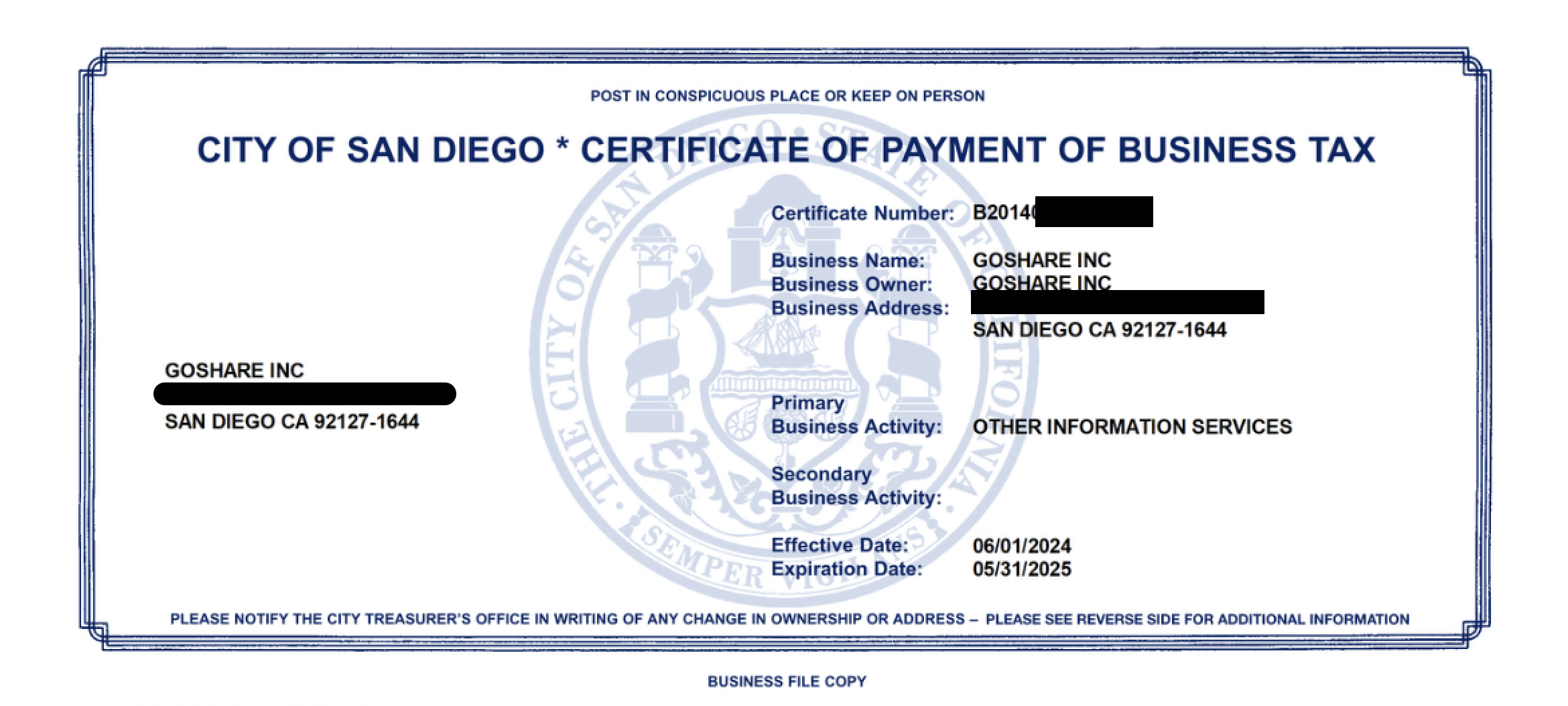
California’s regulatory environment is characterized by distinct governmental tiers, each potentially requiring specific registrations or licenses. At the state level, requirements often pertain to the legal structure of your business (e.g., corporation, LLC) and certain regulated industries. Below that, counties may impose their own rules, especially for businesses operating in unincorporated areas. The most granular level is the city, where the majority of general business licenses are issued. For example, a business operating in Los Angeles will have different city-level requirements and fees compared to one in San Francisco or San Diego. This necessitates diligent research into the specific jurisdiction where your business will be physically located or primarily operate.
Why a Business License is Essential for Your Venture
Beyond legal compliance, obtaining a business license serves several crucial functions. Firstly, it legitimizes your operation, providing credibility to customers, suppliers, and financial institutions. Many vendors or partners will require proof of a valid business license before engaging in transactions. Secondly, it enables your business to open a commercial bank account, obtain loans, and secure essential permits for signage, construction, or specific operational activities. Finally, and perhaps most importantly, it ensures you are contributing to the local economy and adhering to local zoning laws, consumer protection regulations, and safety standards. Operating without the necessary licenses can lead to hefty fines, legal action, and a damaged reputation, making the initial investment in licensing a sound decision for any business.
Deconstructing the Costs: What to Expect
The “how much” question is rarely straightforward for a business license in California due to the varying requirements. However, by breaking down the potential fees at each level, a clearer picture emerges for budgeting and planning.
State-Level Registrations and Fees
While there isn’t a universal “state business license” in California in the same way cities issue them, several state-level registrations and fees are often mandatory for most businesses:
- Business Entity Filing Fees: If you plan to operate as a corporation, LLC, or limited partnership, you must register your entity with the California Secretary of State. The filing fee for Articles of Incorporation (corporation) is typically around $100, while Articles of Organization (LLC) is around $70. There is also an annual Statement of Information filing fee of $25 for corporations and $20 for LLCs.
- Minimum Franchise Tax: Most corporations and LLCs in California are subject to an annual minimum franchise tax of $800, payable to the Franchise Tax Board (FTB). This is due even if your business has no income or is operating at a loss.
- Employer Identification Number (EIN): While issued by the IRS (federal), an EIN is essential for most businesses, especially those with employees. There is no fee for obtaining an EIN.
- Seller’s Permit: If your business sells tangible personal property, you must register for a seller’s permit with the California Department of Tax and Fee Administration (CDTFA). There is no fee for the permit itself, but you will be responsible for collecting and remitting sales tax.
- Unemployment Insurance Account: If you have employees, you’ll need to register with the Employment Development Department (EDD) for state unemployment insurance and other payroll taxes. There is no direct registration fee, but taxes will apply based on payroll.
County and City Business Licenses: The Variable Factors
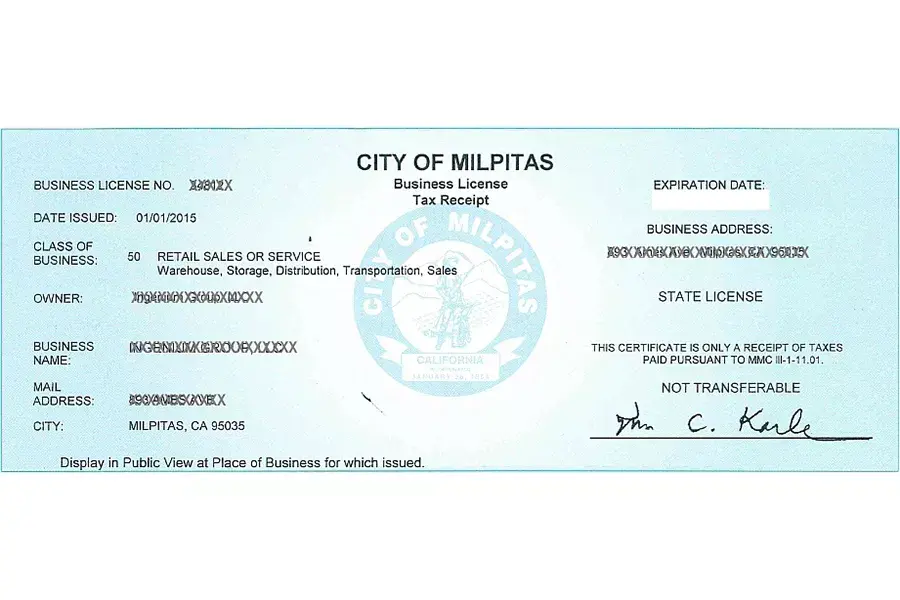
This is where the costs become highly localized. Almost every city and many counties in California require a general business license (often called a “business tax certificate”). The fees for these can vary dramatically:
- Flat Fees: Many smaller cities or specific business types may charge a flat annual fee, ranging from $50 to $500 or more. For instance, a small home-based business in a less populous city might pay closer to the lower end, while a larger retail establishment in a bustling downtown area could pay significantly more.
- Revenue-Based Fees: A common model, especially in larger cities like Los Angeles or San Francisco, involves fees calculated based on your business’s gross receipts (revenue). This means the more money your business generates, the higher your annual business license fee will be. These can range from a few hundred dollars for small businesses to several thousands for large enterprises.
- Employee-Based Fees: Some jurisdictions might factor in the number of employees your business has, charging an additional fee per employee or per certain employee thresholds.
- Specific Business Types: Certain businesses, like those involving alcohol sales, adult entertainment, or hazardous materials, often incur higher base fees and additional regulatory compliance costs due to increased oversight.
To ascertain the exact cost, you must contact the city clerk’s office or the county business license department in your specific operational area. Websites for cities like Sacramento, Oakland, or Fresno typically have dedicated business sections outlining these fees.
Industry-Specific Permits and Professional Licenses
Beyond general business licenses, many industries require specialized permits or professional licenses. These are often issued by state boards or agencies:
- Professional Licenses: Doctors, lawyers, real estate agents, contractors, cosmetologists, and many other licensed professionals must obtain and maintain specific state-issued licenses through their respective regulatory boards (e.g., California State Bar, Contractors State License Board). Fees for these can range from tens to hundreds of dollars annually or biennially, often with examination fees beforehand.
- Health Permits: Businesses handling food (restaurants, food trucks), operating salons, or dealing with public health concerns need health permits from the local county health department. These typically involve inspection fees and annual renewal costs, often in the range of $200-$1000+.
- Environmental Permits: Businesses involved in manufacturing, waste disposal, or certain industrial processes may require permits from the California Environmental Protection Agency (CalEPA) or local air quality management districts, which can have significant fees.
- Zoning and Land Use Permits: Depending on your business location and type, you might need permits to ensure your operations comply with local zoning ordinances. These costs vary widely based on the complexity of the permit.

Navigating the Application Process
The application process, while seemingly daunting due to its multi-jurisdictional nature, is manageable with a systematic approach. Understanding the steps and required documentation streamlines the journey to compliance.
Step-by-Step Guide to Obtaining Your License
- Determine Your Business Structure: Decide if you’ll be a sole proprietorship, partnership, LLC, or corporation, as this dictates state registration requirements.
- Choose a Business Name: Ensure your chosen name is available and register it if necessary (e.g., Fictitious Business Name Statement for sole proprietorships/partnerships).
- Obtain Necessary Federal and State IDs: Apply for your EIN from the IRS and register with the California Secretary of State for entity formation. Register for a seller’s permit with CDTFA if selling goods.
- Identify Your Local Jurisdiction: Determine the exact city and county where your business will operate.
- Research Local Requirements: Contact the city clerk, business license department, or county equivalent. Many cities have online portals for business license applications.
- Complete the Application: Fill out the general business license application form. Be precise with details about your business activity, location, and projected revenue.
- Pay the Fees: Submit the required fees along with your application.
- Obtain Additional Permits/Licenses: Apply for any industry-specific, professional, health, or environmental permits required for your business type.
- Receive Your License: Once approved, your business license will be issued. Display it prominently as required.
Crucial Documents and Information Required
While requirements vary, be prepared with the following common documents and information:
- Your EIN or Social Security Number.
- Business legal name and any “Doing Business As” (DBA) names.
- Business address (physical location in California).
- Type of business activity/description of services.
- Legal entity type (sole proprietorship, LLC, corporation, etc.).
- Projected annual gross receipts (for revenue-based fees).
- Number of employees.
- Contact information for owners/principals.
- Copies of state-level registrations (e.g., Articles of Incorporation/Organization).
- Any existing professional licenses.
Ongoing Compliance and Renewal Considerations
Obtaining the initial business license is just the beginning. Maintaining compliance through renewals and adhering to regulations is an ongoing responsibility for any business operating in California.
Annual Renewals and Associated Costs
Most city and county business licenses in California require annual renewal. The renewal fees are often similar to the initial application fees, particularly for revenue-based models, as they will typically be recalculated based on the previous year’s gross receipts. State-level entity filings (e.g., Statement of Information for corporations/LLCs) also have periodic renewal fees. It’s crucial to mark these renewal dates on your calendar and budget for them annually to avoid lapses in compliance. Many jurisdictions send renewal notices, but ultimately, it’s the business owner’s responsibility to ensure timely renewal.
Penalties for Non-Compliance
Operating without a valid business license in California can lead to significant penalties. These can include:
- Fines: Cities and counties can impose daily or monthly fines for unlicensed operation. These can quickly accumulate, far exceeding the cost of the initial license.
- Legal Action: Jurisdictions may take legal action, including issuing stop-work orders or requiring businesses to cease operations until compliant.
- Inability to Sue: An unlicensed business may be barred from using the courts to enforce contracts or collect debts, severely hindering its ability to conduct business effectively.
- Reputational Damage: Operating illegally can severely damage a business’s reputation and trustworthiness with customers and partners.
Strategic Considerations for Business Operations in California
Understanding the costs and processes for a business license is not merely about compliance; it’s a strategic move for long-term success in California. For those managing business stays or setting up new operations, this knowledge shapes financial forecasts and operational plans.
Planning for Long-Term Business Success
When budgeting for business operations in California, factor in all potential licensing costs, not just the base city license. Account for state fees, industry-specific permits, and recurring renewal charges. This comprehensive financial planning prevents unexpected expenses that could impact profitability. Furthermore, choosing your business location wisely can have direct implications on licensing costs. Researching the business license fees in different cities or unincorporated county areas before finalizing a location can yield significant savings over the lifetime of your business, making a substantial difference in your operational overhead.
Leveraging Resources for Entrepreneurs
Numerous resources are available to help entrepreneurs navigate California’s business licensing landscape. Local chambers of commerce, Small Business Development Centers (SBDCs), and SCORE mentors offer free or low-cost guidance on compliance, business planning, and accessing capital. Many city and county websites also provide detailed FAQs and contact information for their business license departments. By utilizing these resources, businesses can gain clarity, avoid common pitfalls, and ensure a smooth and compliant launch or expansion in one of the world’s most dynamic economies.
LifeOutOfTheBox is a participant in the Amazon Services LLC Associates Program, an affiliate advertising program designed to provide a means for sites to earn advertising fees by advertising and linking to Amazon.com. Amazon, the Amazon logo, AmazonSupply, and the AmazonSupply logo are trademarks of Amazon.com, Inc. or its affiliates. As an Amazon Associate we earn affiliate commissions from qualifying purchases.