
California, the Golden State, beckons with its sun-drenched beaches, majestic mountains, vibrant cities, and unparalleled lifestyle. From the iconic landmarks of Los Angeles and San Francisco to the serene vineyards of Napa Valley and the thrilling attractions of Anaheim, it’s a dream destination for travelers worldwide. Many who visit find themselves captivated, envisioning a permanent move or investing in a vacation home that promises endless getaways. Whether you’re considering a chic Palm Springs escape, a beachfront property in San Diego, or a cozy cabin near Lake Tahoe, buying property in California is a significant life decision, and an essential part of that journey involves understanding closing costs.
While often overlooked in the excitement of house hunting, closing costs are a critical financial component of any real estate transaction. These are the fees charged by lenders, title companies, and other third parties for services rendered during the home buying process. In a state renowned for its high property values and unique market dynamics, these costs can add a substantial sum to your initial investment. For those accustomed to booking hotels or short-term accommodations for their visits, the concept of these upfront property acquisition fees can be quite different. This comprehensive guide will demystify closing costs in California, helping you budget effectively for your move, investment, or lifestyle upgrade in one of the world’s most desirable locations.
Understanding the Landscape of California Closing Costs
The allure of owning a piece of California property, whether it’s a luxury villa overlooking the Pacific or a family home in a bustling city like Sacramento, is strong. However, it’s crucial to look beyond the listing price and prepare for the additional expenses that come with closing the deal.
What Exactly Are Closing Costs?
Simply put, closing costs are the collection of fees due at the “closing” of a real estate transaction. This is the point when the property legally transfers from the seller to the buyer. These fees cover a range of services that make the transaction possible, from verifying property ownership to processing loan documents. Unlike a hotel reservation where you pay for your stay and perhaps a resort fee, purchasing a property involves a much broader array of administrative and legal costs. They are distinct from your down payment and loan principal, and they vary based on the specific services required, the location of the property, and the terms of your loan. Understanding these components upfront is key to a smooth transition into California homeownership.
Average Closing Costs in the Golden State
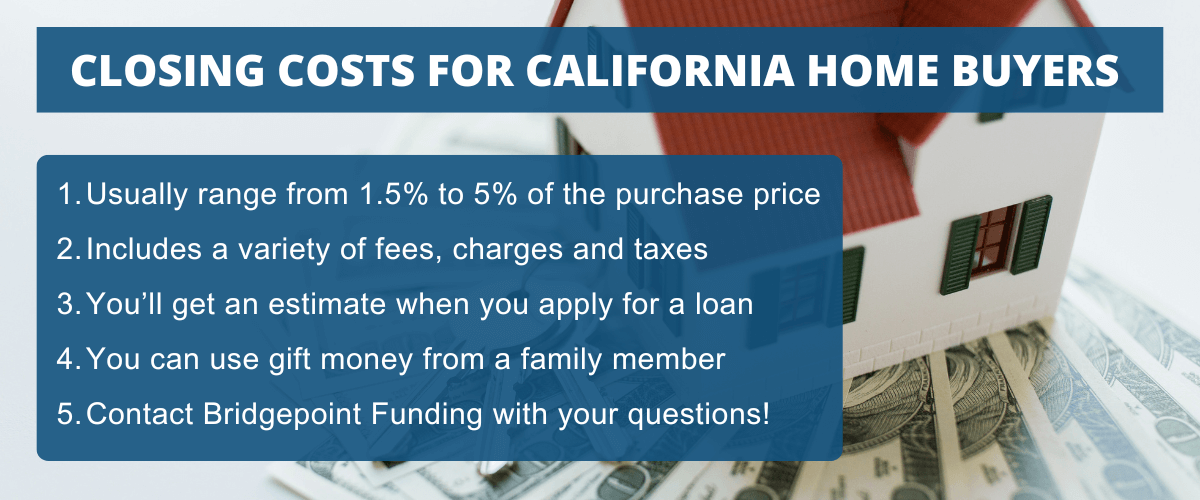
California stands out when it comes to real estate, not just for its prices but also for its closing costs. Generally, closing costs across the U.S. typically range from 2% to 5% of the home’s purchase price. In California, while the percentage might fall within this range, the sheer magnitude of property values means the dollar amount can be significantly higher than in other states. For example, if a home costs $800,000, 3% in closing costs would be $24,000. If it’s a million-dollar property, that jumps to $30,000.
Several factors contribute to this average:
- High Property Values: Naturally, fees calculated as a percentage of the home price will be higher.
- Specific State and Local Fees: California has certain taxes and fees that might be higher or unique compared to other states.
- Competitive Market: While not directly increasing costs, a competitive market can sometimes limit a buyer’s ability to negotiate seller credits for closing costs.
It’s important to remember that this is an average. Your specific costs will depend on your loan type, the lender you choose, where in California you buy, and whether you can negotiate with the seller. A good rule of thumb is to budget at least 2% to 5% of the purchase price, and often closer to the higher end for a safe estimate, especially in prime locations like Beverly Hills or coastal communities.
A Detailed Look at Key Closing Cost Categories
To effectively budget for your California property dream, it’s essential to dissect the various components that make up your closing costs. These are broadly categorized into lender-related fees, title and escrow fees, government fees and taxes, and prepaid expenses.
Lender-Related Fees: The Cost of Borrowing
When you secure a mortgage to purchase your California home, your lender charges a series of fees for processing your loan. These are crucial for ensuring the financial transaction is sound and compliant.
- Loan Origination Fee: This is what the lender charges for processing your loan application, underwriting the loan, and funding it. It’s typically a percentage of the loan amount, ranging from 0.5% to 1.5%.
- Underwriting Fee: A separate charge for evaluating the creditworthiness of the borrower and assessing the risk of the loan.
- Appraisal Fee: A professional appraiser evaluates the property’s value to ensure it aligns with the purchase price and protects the lender’s investment. This is a crucial step, especially in California’s dynamic market, where property values can fluctuate.
- Credit Report Fee: Covers the cost of pulling your credit history to assess your financial reliability.
- Flood Determination Fee: Determines if the property is located in a flood zone, which might require flood insurance.
- Tax Service Fee: Ensures that property taxes are paid on time.
- Points (Discount Points): These are optional fees paid to the lender at closing to “buy down” your interest rate, potentially saving you money over the life of the loan. One point typically equals 1% of the loan amount.
Title, Escrow, and Legal Services: Ensuring a Smooth Transfer
These fees ensure that the property’s ownership is legitimate and that the transaction is managed impartially. This is where the protection of your investment truly begins.
- Title Search and Title Insurance: Before you buy, a title search is conducted to ensure there are no liens, claims, or disputes against the property. Title insurance then protects both the buyer (owner’s policy) and the lender (lender’s policy) against any future claims to ownership that were not found during the title search. Given the history and rapid development in some California areas, this is a critical safeguard.
- Escrow Fees: In California, escrow companies are commonly used to act as neutral third parties, holding funds and documents until all conditions of the sale are met. They manage the paperwork, disburse funds, and ensure all parties fulfill their obligations. Their fees cover these administrative services.
- Attorney Fees (Optional): While not always required, some buyers choose to have a real estate attorney review closing documents, especially for complex transactions or high-value properties.
Government Fees and Taxes: California’s Specific Levies
Beyond the standard fees, California has specific government-imposed costs that contribute significantly to closing expenses.
- Recording Fees: Charges paid to the county to officially record the transfer of property ownership (the deed) and the mortgage documents.
- Transfer Taxes: Also known as documentary transfer taxes, these are assessed by the state and/or county when real estate changes hands. California state law mandates a transfer tax, and many cities and counties impose additional local transfer taxes. For example, some jurisdictions in San Francisco or Los Angeles have considerably higher transfer taxes than other parts of the state. This can be one of the largest closing cost items in high-value markets.
Prepaid Expenses: Essential Upfront Costs
These are not technically “fees” for services, but rather expenses that you pay in advance at closing for items that will be due shortly after.
- Property Taxes: Buyers typically prepay a portion of their annual property taxes, covering the period between closing and the next tax bill. Property taxes in California are based on the assessed value of the property and can be substantial, especially for newer purchases.
- Homeowners Insurance: Lenders require you to pay the first year’s premium for homeowners insurance at closing. This protects the property against damage and liability, safeguarding your investment and the lender’s interest.
- Homeowners Association (HOA) Dues: If you’re buying a condo or a home in a planned community, you might need to prepay a few months of HOA dues, which cover maintenance of common areas and amenities.
Navigating and Reducing Your Closing Costs
While closing costs are an inevitable part of buying property in California, there are strategies you can employ to potentially reduce your out-of-pocket expenses.
Strategies for Minimizing Your Out-of-Pocket Expenses
- Shop Around for Lenders: Different lenders will have varying fees for loan origination, underwriting, and other services. Comparing Loan Estimates from multiple lenders can reveal significant savings.
- Negotiate with the Seller: In certain market conditions, or if the seller is motivated, you might be able to negotiate for the seller to cover a portion of your closing costs. This is often structured as a “seller credit” towards closing costs.
- Ask for Lender Credits: Some lenders offer “lender credits” which reduce your closing costs in exchange for a slightly higher interest rate. This might be a good option if you’re cash-strapped at closing but plan to refinance or sell relatively soon.
- Compare Service Providers: For certain services like title insurance, you may have the option to choose your own provider. Comparing quotes can help you find more competitive rates.
- No-Closing-Cost Loans: While attractive, these loans typically involve a higher interest rate or are rolled into the loan principal, meaning you pay for them over the life of the loan. Evaluate if this trade-off is worthwhile for your financial situation.
- Close at the End of the Month: This strategy can reduce prepaid interest. Since interest is typically paid in arrears (for the prior month), closing at the end of the month means you’ll only pay interest for a few days, rather than an entire month, before your first full mortgage payment.
The California Dream: Property Ownership in a Tourist Paradise
The decision to buy property in California often stems from a deep appreciation for its unique appeal, which resonates strongly with the themes of travel, accommodation, and lifestyle. Understanding closing costs becomes even more pertinent when viewed through this lens.
Investing in California’s Vibrant Travel & Tourism Market
For many, California isn’t just a place to live; it’s a prime location for investment, especially in the booming travel and tourism industry. Owning a vacation rental in a popular destination like Palm Springs, a luxury condo overlooking Disneyland Resort in Anaheim, or a charming cottage in Napa Valley can provide a steady stream of income. However, the initial capital outlay, including closing costs, must be factored into the investment analysis.
Imagine converting your frequent visits into a long-term accommodation strategy. Instead of booking hotels or resorts every time, you could own a property that serves as your personal retreat and a source of rental income when you’re not using it. The closing costs are a one-time expense that paves the way for potential ongoing revenue and personal enjoyment. This ties directly into the ‘accommodation’ and ‘lifestyle’ aspects of travel, transitioning from temporary stays to permanent, potentially income-generating, property ownership.
Lifestyle Relocation: From Tourist to Resident
For those who have fallen in love with California during their travels, the idea of a permanent move or acquiring a second home represents the ultimate lifestyle upgrade. Whether it’s to immerse oneself in the outdoor adventures around Lake Tahoe, embrace the artistic vibe of San Francisco, or enjoy the relaxed pace of life in San Diego, property ownership is a tangible step towards living the California dream.
The closing costs here are an investment in your desired lifestyle. They are the gateway to a life filled with new experiences, local culture, and the freedom of owning your space in a beloved destination. Budgeting for these costs ensures a smooth transition from a visitor renting accommodations to a homeowner building a life or enjoying a permanent vacation. It’s about more than just a transaction; it’s about realizing a dream.
Conclusion: Budgeting for Your California Future
Buying a home in California is an exciting venture, promising unparalleled experiences, whether for personal residence, a vacation getaway, or a strategic investment. While the glamour of the Golden State is undeniable, a realistic understanding of all associated costs, particularly closing costs, is paramount. These expenses, typically ranging from 2% to 5% of the purchase price, are a significant financial commitment that must be budgeted for alongside your down payment.
By familiarizing yourself with the various categories of closing costs—including lender fees, title and escrow charges, California’s unique government taxes, and essential prepaid expenses—you can approach your property acquisition with confidence. Furthermore, actively exploring strategies to reduce these costs can lead to substantial savings, making your dream California property more attainable.
For those drawn to California for its vibrant tourism, diverse accommodation options, and aspirational lifestyle, remember that acquiring property is an integral part of fully embracing what the state has to offer. Whether you’re planning to turn a beloved travel destination into your permanent home or investing in a property that complements the bustling travel market, understanding “How Much Are Closing Costs In California?” is your first step towards a well-planned and financially secure future in the Golden State. It’s not just about buying a house; it’s about investing in a lifestyle, an experience, and a piece of paradise.
LifeOutOfTheBox is a participant in the Amazon Services LLC Associates Program, an affiliate advertising program designed to provide a means for sites to earn advertising fees by advertising and linking to Amazon.com. Amazon, the Amazon logo, AmazonSupply, and the AmazonSupply logo are trademarks of Amazon.com, Inc. or its affiliates. As an Amazon Associate we earn affiliate commissions from qualifying purchases.