
When embarking on the journey of purchasing property in Oklahoma, understanding the financial landscape beyond the down payment is crucial. Closing costs are the fees paid at the end of a real estate transaction, covering the various administrative, legal, and financial services required to finalize the transfer of property. For prospective homeowners in cities like Oklahoma City or Tulsa, these expenses can significantly impact your budget.
On average, closing costs in Oklahoma typically range from 2% to 5% of the total purchase price of the home. If you are purchasing a property for $250,000, you should be prepared to set aside between $5,000 and $12,500 in additional funds. While these figures may seem substantial, breaking them down into individual components can help you prepare effectively for the closing day.
Understanding the Breakdown of Closing Costs
Closing costs are not a single flat fee; they are a collection of charges paid to the various parties involved in the real estate transaction. Some fees are fixed, while others fluctuate based on the lender, the title company, and the specific property location.
Lender-Related Fees
Most buyers secure financing through a mortgage, and lenders charge several fees to process this loan. These often include:
- Loan Origination Fee: This compensates the lender for the work involved in evaluating and preparing your mortgage.
- Appraisal Fee: To ensure the property is worth the loan amount, the lender requires a professional appraisal.
- Credit Report Fee: A standard fee for checking your creditworthiness.
- Underwriting Fee: This covers the administrative costs of verifying your financial data and approving your loan.
Third-Party and Government Fees
Beyond the lender, other entities play a role in securing your investment. In the United States, these fees are standardized to ensure legal property transfer.
- Title Insurance: This is a vital component. It protects you and the lender from potential issues with the property’s ownership history, such as undisclosed liens or ownership disputes.
- Recording Fees: These are paid to the local county government to record the deed and mortgage, effectively making the transaction public record.
- Survey Fees: In some cases, a surveyor is required to verify the exact boundaries of the property plot.
The Role of Title Companies and Escrow
In Oklahoma, title companies act as the neutral third party that facilitates the closing. They are responsible for conducting a title search to ensure the seller has the legal right to sell the property. Once the title is confirmed clear, the company manages the exchange of money and documents.
Escrow Accounts
The closing process often involves setting up an escrow account. This account holds funds for future property-related expenses, such as:
- Prepaid Property Taxes: Lenders often require several months of taxes to be deposited upfront.
- Homeowners Insurance: You will typically be required to pay the first year’s premium at or before closing.
- Private Mortgage Insurance (PMI): If your down payment is less than 20%, you may need to contribute to an escrow reserve for PMI.
The “prepaid” nature of these costs means that while they are paid at closing, they aren’t necessarily “extra” costs; they are simply early payments for ongoing homeownership obligations. By utilizing a local title company in areas like Norman or Edmond, you ensure that these complexities are handled in compliance with state regulations.
Strategies to Manage and Minimize Closing Costs

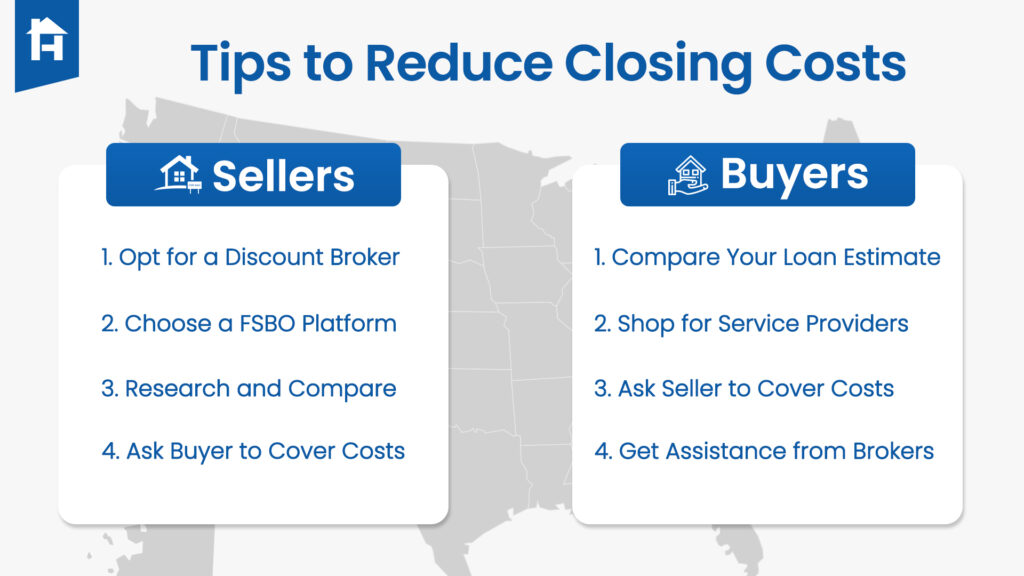
While closing costs are an unavoidable part of the buying process, savvy buyers often find ways to mitigate the financial strain. Understanding how to negotiate these fees can save you thousands of dollars at the closing table.
Seller Concessions
In a balanced or buyer-friendly real estate market, it is not uncommon for buyers to request that the seller cover a portion of the closing costs. This is known as a seller concession. You might negotiate for the seller to pay, for example, 3% of the purchase price toward your closing costs. This strategy is particularly helpful for first-time buyers who want to preserve their cash reserves for moving expenses or home improvements.
Shop for Services
Some closing costs are “shoppable,” meaning you are not locked into the provider your lender suggests. For instance, while a lender may have a preferred title company, you have the right to shop around for the most competitive rates. Compare fees from different title insurance providers in Broken Arrow or Lawton to find the best value without sacrificing the quality of your title search.
Ask About Lender Credits
Some lenders offer a “no-closing-cost” mortgage. In this scenario, the lender agrees to cover your closing costs in exchange for a slightly higher interest rate. While this keeps your upfront out-of-pocket costs low, it is essential to calculate whether the increased interest over the life of the loan makes financial sense for your long-term goals.
The Loan Estimate (LE)
Under federal law, your lender must provide you with a “Loan Estimate” document within three business days of receiving your mortgage application. This document is your best tool for clarity. It itemizes the expected closing costs and allows you to compare different lenders side-by-side. If you notice unexpected fees or costs that seem unusually high, do not hesitate to ask your loan officer for a detailed explanation.
Regional Variations within Oklahoma
While the 2% to 5% rule holds generally across Oklahoma, the specific costs can vary slightly based on the municipality. Factors such as local government recording fees and varying property tax rates across counties can lead to minor discrepancies.
For example, buying a property in a rapidly developing suburb of Moore might involve different municipal fees than purchasing a rural tract of land in the eastern part of the state. It is always wise to consult with a local real estate agent who is intimately familiar with the closing customs of the specific community you are moving into.

Final Preparations for Closing Day
As the closing date approaches, your lender will provide you with a “Closing Disclosure” (CD) at least three business days before you sign the final documents. This document is the definitive breakdown of all final costs.
Compare your Closing Disclosure carefully against your initial Loan Estimate. Any significant changes in the numbers should be addressed immediately. On the day of closing, you will need to provide the funds for the closing costs, typically in the form of a cashier’s check or a wire transfer.
By familiarizing yourself with these financial requirements early, you remove the element of surprise. Whether you are relocating to the historic districts of Guthrie or looking for a modern residence in Stillwater, preparation is the hallmark of a smooth transaction. Owning a home in Oklahoma is a rewarding investment, and by mastering the financial details of your closing, you set a firm foundation for your future as a homeowner.
LifeOutOfTheBox is a participant in the Amazon Services LLC Associates Program, an affiliate advertising program designed to provide a means for sites to earn advertising fees by advertising and linking to Amazon.com. Amazon, the Amazon logo, AmazonSupply, and the AmazonSupply logo are trademarks of Amazon.com, Inc. or its affiliates. As an Amazon Associate we earn affiliate commissions from qualifying purchases.