
California, a state synonymous with sun-drenched beaches, iconic landmarks, and sprawling road trip potential, is also known for its unique economic landscape, which extends to the cost of fuel. For any traveler planning a journey through the Golden State, understanding the fluctuating gas prices is not just a matter of budgeting; it’s an integral part of navigating the state’s vast and varied terrains. From the bustling streets of Los Angeles to the dramatic cliffs of the Pacific Coast Highway, the cost of filling up your tank can significantly impact your overall travel expenses. This guide delves into the factors influencing California’s gas prices and offers insights into how to manage them for a more affordable and enjoyable travel experience.

The Dynamics of California’s Fuel Market
California’s gas prices are notoriously higher than the national average, a phenomenon driven by a complex interplay of state-specific regulations, environmental policies, and market forces. Unlike most other states, California mandates the use of a unique, cleaner-burning gasoline blend during the summer months to combat smog. This blend is more expensive to produce, contributing to the higher price at the pump. Furthermore, the state’s stringent environmental regulations, aimed at reducing emissions, often require specialized refining processes and fuel additives, which also add to the cost.
State Taxes and Fees
A significant portion of the price disparity can be attributed to state taxes and fees. California levies some of the highest gasoline taxes in the United States. These taxes are not solely for revenue generation but are often earmarked for infrastructure projects, including road maintenance and public transportation. While essential for maintaining the state’s extensive highway system, these taxes represent a substantial component of the retail gas price. Travelers undertaking long road trips, such as traversing from San Diego to Lake Tahoe, will feel the cumulative effect of these taxes more acutely.
Environmental Regulations and Fuel Standards
California’s pioneering role in environmental protection has led to some of the strictest fuel standards in the nation. The California Air Resources Board (CARB) sets specific requirements for gasoline formulations designed to reduce pollutants. This includes mandates for lower sulfur content and specific oxygenate levels, especially during warmer months. The production of these specialized fuel blends requires refineries to invest in advanced technology and adhere to rigorous standards, costs that are ultimately passed on to consumers. This focus on cleaner air, while beneficial for public health and the environment, contributes to the elevated cost of fuel for both residents and visitors exploring places like Yosemite National Park.
Supply and Demand Fluctuations
Like any commodity, gasoline prices are subject to the basic economic principles of supply and demand. California’s isolated refining market, coupled with its high fuel consumption, makes it particularly sensitive to disruptions. Unexpected refinery outages, whether due to maintenance, accidents, or natural disasters like earthquakes, can quickly tighten supply and send prices soaring. Similarly, periods of high demand, such as during summer travel seasons or holidays, naturally push prices upward. The state’s reliance on imports, especially when domestic supply is strained, can also introduce price volatility due to shipping costs and global market dynamics.
Factors Influencing Local Gas Prices within California
While state-wide trends set a general baseline, gas prices can vary significantly from one region to another within California. These localized differences are influenced by a variety of on-the-ground factors that travelers should be aware of when planning their routes and refueling stops.
Proximity to Refineries and Distribution Hubs
Geographic location plays a crucial role in determining local gas prices. Areas closer to major oil refineries and distribution terminals often experience slightly lower prices due to reduced transportation costs. Conversely, more remote or geographically challenging regions, such as the mountainous areas near Mammoth Lakes or the desert communities in the Mojave Desert, may see higher prices. The logistics of getting fuel to these stations, including the cost of trucking and pipeline access, are factored into the final price.
Competition Among Gas Stations
The level of competition in a specific market is a major determinant of gas prices. Areas with a high concentration of gas stations, particularly along major thoroughfares or in densely populated urban centers like San Francisco, tend to have more competitive pricing. Stations in these areas may lower their margins to attract customers. In contrast, rural areas or isolated stretches of highway where there are fewer refueling options, drivers might find themselves paying a premium. Observing price boards as you drive can help identify these competitive pockets.
Local Taxes and Fees
Beyond the state-mandated taxes, some individual cities and counties within California may impose additional local taxes or fees on gasoline. These can further contribute to price variations between neighboring communities. While these local levies are often modest, their cumulative effect can become noticeable when traveling through multiple jurisdictions. It’s a subtle factor, but one that contributes to the intricate mosaic of fuel costs across the state, from the vineyards of Napa Valley to the beaches of Santa Monica.
Brand and Station Type
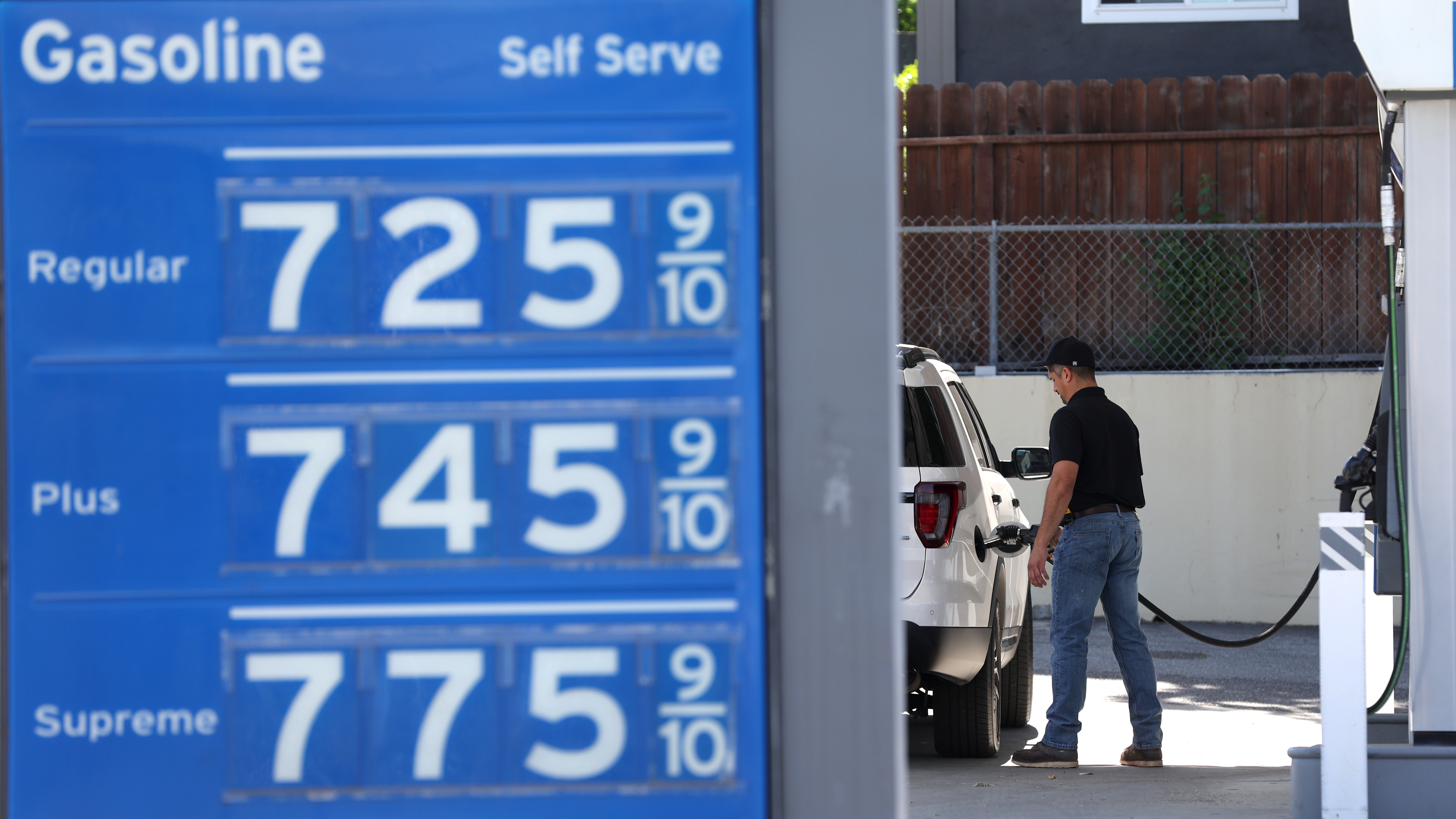
The brand of gasoline and the type of station can also influence prices. Major branded stations, such as those affiliated with companies like Chevron, Shell, or ExxonMobil, often have slightly higher prices due to brand recognition, loyalty programs, and the perceived quality or additive packages in their fuel. Independent stations or those that are part of larger supermarket chains, like Costco or Safeway, may offer more competitive pricing, sometimes tied to loyalty programs or membership benefits. Understanding these nuances can help travelers make informed decisions at the pump.
Strategies for Managing Gas Expenses While Traveling in California
Traveling through California can be an incredible adventure, and managing fuel costs is a key component of a well-planned trip. By employing smart strategies, travelers can mitigate the impact of higher gas prices and keep more money available for experiencing the state’s attractions.
Utilizing Gas Price Apps and Websites
In today’s digital age, numerous apps and websites are available to help drivers find the cheapest gas prices in their immediate vicinity or along their planned route. Services like GasBuddy, Waze, and others allow users to report and view real-time gas prices from various stations. This information is invaluable for identifying the most affordable options, especially when driving through unfamiliar areas. For travelers exploring iconic routes like the Tioga Pass, a quick check of these resources can lead to significant savings over the course of the journey.
Timing Your Refuels and Planning Your Route
Strategic refueling can make a considerable difference. Whenever possible, fill up your tank in areas known for lower prices, such as just outside major metropolitan areas or in more rural communities that might have less demand. Conversely, avoid filling up directly within tourist hotspots or at stations immediately off major highway exits where prices are often inflated to capture convenience shoppers. Planning your route to include these less expensive refueling points can save money over longer distances, especially if you are driving a less fuel-efficient vehicle.
Considering Fuel Efficiency and Vehicle Maintenance
The most effective way to manage gas expenses is to maximize your vehicle’s fuel efficiency. Ensuring your car is well-maintained is paramount. Regularly check tire pressure, as underinflated tires can significantly reduce gas mileage. Keep up with oil changes and ensure the engine is running smoothly. For travelers planning extensive driving, consider renting a more fuel-efficient vehicle if your personal car is a gas guzzler. Even minor adjustments to driving habits, such as avoiding rapid acceleration and braking and maintaining a steady speed, can lead to substantial fuel savings over the duration of a trip through diverse landscapes, from the deserts of Palm Springs to the redwood forests of Northern California.
Exploring Alternative Transportation Options
While a car is often essential for exploring the breadth of California, consider integrating other transportation methods into your itinerary. For travel within dense urban areas like San Francisco, San Diego, or Los Angeles, public transportation, ride-sharing services, or even walking and biking can be cost-effective and offer a more immersive local experience. For inter-city travel, consider Amtrak trains, which offer a comfortable and scenic way to journey between major cities, allowing you to bypass gas costs altogether for those legs of your trip. This approach can not only save money but also enhance your overall travel experience by reducing driving stress and allowing you to enjoy the scenery.
The Impact on California’s Tourism Economy
The elevated cost of gasoline in California inevitably influences the state’s massive tourism industry. While the allure of its diverse attractions remains strong, the financial considerations associated with fuel can shape travel decisions for both domestic and international visitors. For many, California represents a significant investment in a vacation, and fuel costs are a tangible part of that budget.
Shaping Travel Itineraries and Budgets
High gas prices can prompt travelers to shorten their stays, reduce the number of destinations visited, or opt for closer-to-home vacations. Road trips that were once a staple of California travel might be re-evaluated, with potential visitors opting for shorter excursions or focusing on a single region rather than attempting to cover extensive ground. This can affect the distribution of tourism revenue across the state, potentially benefiting areas that are more accessible or concentrated within a manageable driving radius. Visitors might also allocate a larger portion of their budget to fuel, impacting discretionary spending on accommodations, dining, and activities.
Influence on Destination Choices
For some travelers, the cost of gas might steer them toward destinations with more robust public transportation systems or those where attractions are clustered within walking distance. Cities like San Francisco with its extensive public transit network and numerous walkable neighborhoods, might become more appealing for those concerned about fuel expenses compared to more sprawling, car-dependent regions. Similarly, destinations that offer a high density of attractions, such as theme parks in Anaheim or the wineries of Sonoma County, might still attract visitors who can consolidate their travel within a smaller geographic area.

Economic Implications for Local Businesses
The ripple effect of gas prices extends to local businesses that rely on tourist traffic. Gas stations, restaurants, and souvenir shops located along popular driving routes may experience fluctuations in business depending on how travelers adjust their itineraries and spending habits. While some areas might see reduced visitor numbers due to fuel costs, others could benefit from increased local focus. The tourism industry in California is resilient, and businesses are continually adapting to consumer behavior, but the persistent reality of higher fuel prices remains a significant factor in the economic landscape of travel within the state. Understanding these dynamics is crucial for both travelers planning their visits and businesses aiming to thrive in this unique market.
LifeOutOfTheBox is a participant in the Amazon Services LLC Associates Program, an affiliate advertising program designed to provide a means for sites to earn advertising fees by advertising and linking to Amazon.com. Amazon, the Amazon logo, AmazonSupply, and the AmazonSupply logo are trademarks of Amazon.com, Inc. or its affiliates. As an Amazon Associate we earn affiliate commissions from qualifying purchases.