
California, a state renowned for its agricultural bounty and diverse microclimates, presents a dynamic landscape for understanding seasonal produce. When it comes to a beloved summer staple like watermelon, pinpointing its peak season requires a nuanced look at the state’s varying regions and the agricultural cycles that govern its cultivation. This guide delves into the seasonality of watermelon in California, offering insights for travelers and food enthusiasts eager to experience this juicy fruit at its freshest.
Understanding California’s Watermelon Growing Regions
The cultivation of watermelon in California is not a monolithic endeavor. Different regions contribute to the state’s overall supply, each with its unique climate and growing conditions. Understanding these areas is key to appreciating the ebb and flow of watermelon availability.
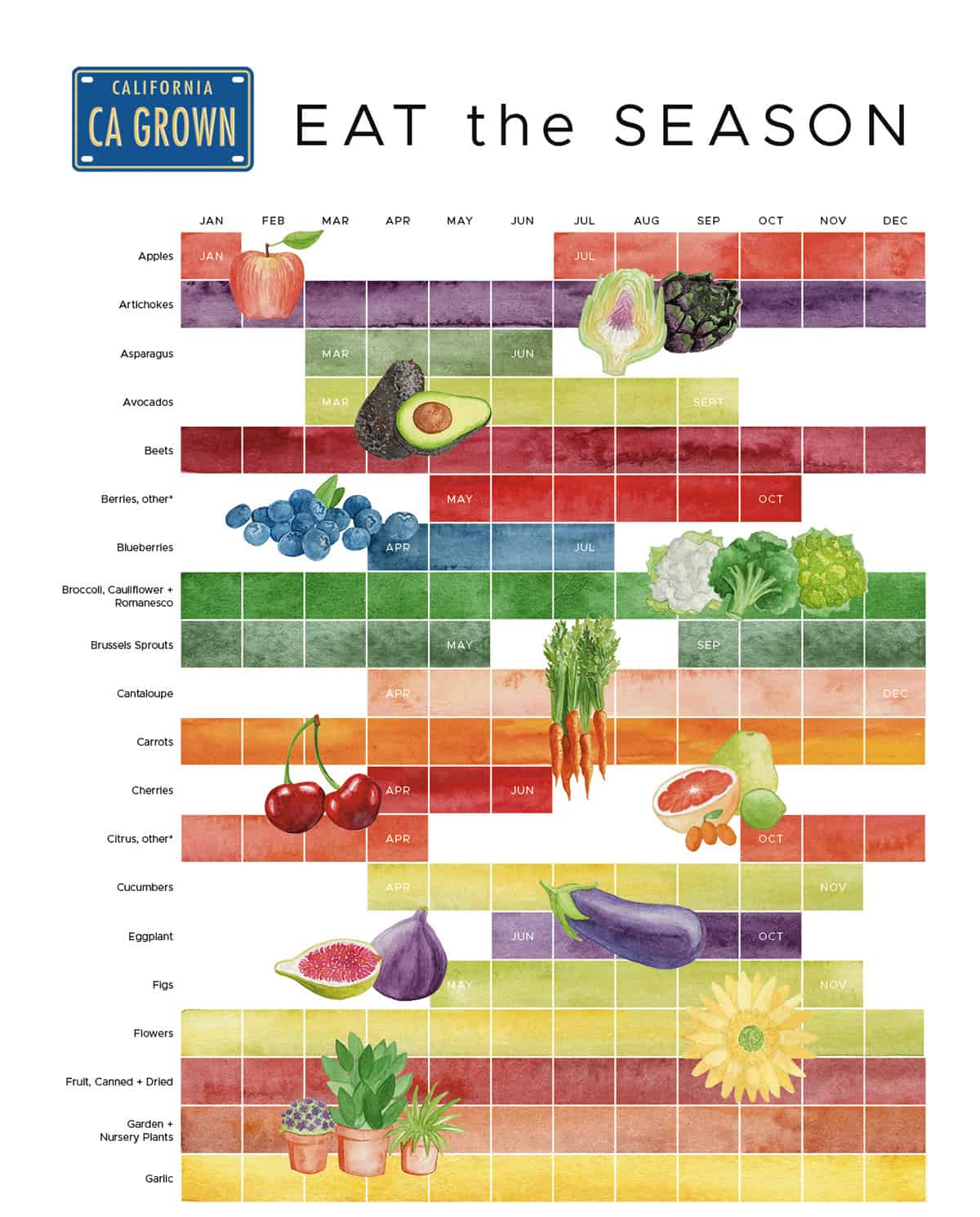
Central Valley: The Agricultural Heart
The Central Valley is undeniably the powerhouse of California’s produce. Its vast, fertile plains and warm, sunny climate are ideal for growing a wide array of fruits and vegetables, including watermelons. This region experiences hot summers with minimal rainfall, conditions that watermelons thrive in. Major watermelon-producing counties within the Central Valley include those in the southern and central parts, benefiting from extended periods of intense heat necessary for the fruit to mature and sweeten. The long growing season here allows for an extended harvest period.
Imperial Valley: Early Season Delights
Further south, the Imperial Valley offers an earlier window for watermelon enjoyment. With its desert climate, characterized by very hot summers and mild winters, this region can often kickstart the watermelon harvest earlier than some parts of the Central Valley. The intense heat in the Imperial Valley accelerates the growth cycle, meaning that the first sweet, ripe watermelons of the California season often emerge from these southern fields.
Coastal Influence and Northern California
While not a primary watermelon-growing region, the coastal influences and the more temperate climate of Northern California do play a role, albeit a smaller one, in the state’s overall watermelon picture. Watermelons grown in these areas might mature slightly later or have a different flavor profile due to cooler nights and less extreme heat. However, for the most abundant and widely available harvests, the focus remains on the inland, hotter agricultural zones.
The Watermelon Seasonality Spectrum in California
The seasonality of watermelon in California is a direct reflection of its diverse climate zones and agricultural practices. While “in season” can be a broad term, pinpointing the peak ensures the best flavor and quality.
Spring: The Anticipation Begins
As spring progresses, particularly from late April through May, the first whispers of watermelon season emerge. The Imperial Valley often leads the charge, with early varieties starting to ripen under the burgeoning heat. These early melons might be smaller or have a slightly less intense sweetness than those harvested at the peak of summer, but they represent the eagerly awaited start of the season. Farmers’ markets in Southern California may begin to see these early offerings.
Summer: The Reign of the Watermelon
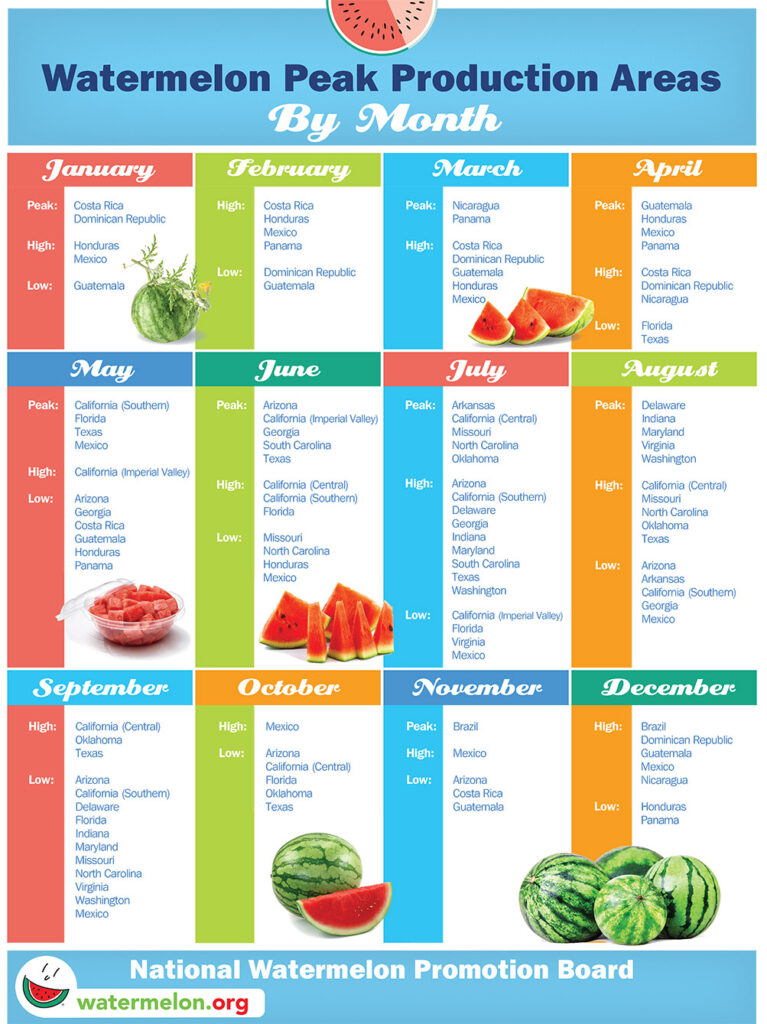
June through August marks the undisputed prime time for watermelons in California. This is when the Central Valley and other warmer inland regions are at their hottest, providing the perfect conditions for watermelons to reach their full potential. During these months, watermelons are abundant, widely available in grocery stores, roadside stands, and farmers’ markets across the state, from San Diego to Sacramento. The flavor is at its sweetest, the flesh is firm and juicy, and the overall quality is at its zenith. This is the period when purchasing a watermelon guarantees a truly exceptional taste experience.
Late Summer and Early Fall: Extending the Season
As summer begins to wane and into early fall (September and sometimes into October), the watermelon season in California can often be extended. Depending on the specific harvest timing and weather patterns, watermelons from later plantings or from regions with longer growing seasons may still be available. However, the availability and quality might start to decrease as temperatures cool. It’s still possible to find good watermelons during this period, but consumers might need to be more discerning or seek out specific varieties known for their extended harvest potential.
Experiencing California Watermelon: Tips for Travelers and Foodies
For those visiting or residing in California, understanding watermelon seasonality offers a fantastic opportunity to engage with the local food culture and enjoy the freshest produce.
Visiting Farmers’ Markets
One of the best ways to experience in-season California watermelon is by visiting local farmers’ markets. These markets are hubs of agricultural activity, connecting consumers directly with the farmers who grow the produce. During the peak summer months, you’ll find an incredible selection of watermelons, often in various sizes and varieties. Engaging with the farmers can also provide valuable insights into their growing practices and recommendations for the sweetest, ripest fruits. Popular markets can be found in cities like Los Angeles, San Francisco, and countless smaller towns throughout the state.
Roadside Stands and Farm Stands
As you travel through the agricultural heartlands of California, keep an eye out for roadside stands. These informal sales points often offer freshly picked watermelons directly from the fields. Stopping at a farm stand is not only a chance to get a delicious treat but also an authentic travel experience, offering a glimpse into rural California and its connection to agriculture. Many of these stands operate seasonally, appearing as soon as the harvest begins.
Culinary Experiences and Local Cuisine
Incorporating watermelon into your culinary adventures while in California is highly recommended during its season. From refreshing watermelon salads with feta and mint to simple, chilled slices enjoyed on a hot day, the versatility of this fruit shines. Many restaurants and eateries, especially those focused on farm-to-table dining, will feature watermelon dishes prominently on their menus during the summer months. Exploring these culinary offerings provides a delicious way to savor the local bounty. Look for establishments that highlight their sourcing from California farms.
Selecting the Perfect Watermelon
Regardless of where you purchase your watermelon, knowing how to select a ripe one is crucial. Look for a heavy melon for its size, indicating juiciness. A dull rind is generally preferable to a shiny one. The most important indicator is the “field spot” – the creamy yellow or orange patch on one side where the melon rested on the ground. A darker yellow or orange spot suggests it ripened on the vine longer. Tapping the melon should produce a deep, hollow sound.

Conclusion: Savoring California’s Sweetest Season
So, to answer the question directly: Is watermelon in season right now in California? If “right now” falls within the late spring (May) through early fall (September), the answer is likely a resounding yes. The peak of the season, offering the most abundant and highest-quality watermelons, is undoubtedly during the summer months of June, July, and August. By understanding the state’s growing regions and following the seasonal availability, travelers and residents can ensure they are enjoying this quintessential summer fruit at its absolute best, a true taste of California’s agricultural richness. Whether you’re planning a visit to Napa Valley or exploring the beaches of Southern California, seeking out local watermelon during its season is an experience not to be missed.
LifeOutOfTheBox is a participant in the Amazon Services LLC Associates Program, an affiliate advertising program designed to provide a means for sites to earn advertising fees by advertising and linking to Amazon.com. Amazon, the Amazon logo, AmazonSupply, and the AmazonSupply logo are trademarks of Amazon.com, Inc. or its affiliates. As an Amazon Associate we earn affiliate commissions from qualifying purchases.