
Navigating the process of obtaining and maintaining vehicle registration in the Lone Star State involves understanding a few key cost components. For any traveler or resident utilizing a vehicle in Texas, knowing the financial outlay for license plates is essential for budgeting and compliance. The cost of Texas license plates isn’t a single, fixed price; rather, it’s a composite of several fees, primarily determined by the vehicle’s type and weight. This guide will delve into the intricacies of these costs, offering a clear picture for car owners across the state.
Understanding the Core Costs of Texas License Plates
The primary expense associated with Texas license plates is the vehicle registration fee. This fee is not uniform and is calculated based on several factors, the most significant being the gross vehicle weight rating (GVWR). This rating is an important specification that indicates the maximum operating weight of the vehicle, including the chassis, body, engine, fluids, fuel, accessories, driver, passengers, and cargo.

Vehicle Weight and Fee Structure
For most passenger cars and light trucks (those with a GVWR of 6,000 pounds or less), the standard registration fee is a base amount. As of recent guidelines, this typically hovers around $189.75 for a two-year registration period. However, it’s crucial to note that this amount can fluctuate slightly due to legislative changes or specific county administrative fees.
For heavier vehicles, the registration costs increase proportionally. The Texas Department of Motor Vehicles (TxDMV) categorizes vehicles into weight classes. For instance:
- Class 1 (Up to 2,000 lbs): Generally the lowest fee for passenger vehicles.
- Class 2 (2,001 – 4,000 lbs): Slightly higher than Class 1.
- Class 3 (4,001 – 6,000 lbs): This is where most standard passenger cars and SUVs fall, leading to the common $189.75 fee.
- Class 4 (6,001 – 10,000 lbs): For larger trucks and heavier SUVs, the fees begin to climb significantly.
- Class 5 (10,001 – 16,000 lbs): Further increases for commercial vehicles or very heavy-duty trucks.
- Class 6 (16,001 – 20,000 lbs): Even higher costs.
- Class 7 (20,001 – 34,000 lbs): Substantial fees for large commercial vehicles.
- Class 8 (34,001 lbs and over): The highest registration fees apply to the heaviest vehicles.
The fee structure is designed to ensure that larger, heavier vehicles, which often contribute more to road wear and tear, bear a greater share of the maintenance costs. The TxDMV provides detailed tables and a fee calculator on its official website for precise determinations based on GVWR.
Other Potential Fees and Surcharges
Beyond the base registration fee, several other charges can influence the total cost of obtaining license plates in Texas.
- County Administrative Fee: Each county in Texas can assess a small administrative fee for processing the registration. This fee is typically modest, usually in the range of a few dollars, and contributes to the operational costs of the local county tax assessor-collector’s office.
- Late Fees: If a vehicle’s registration expires and is not renewed within the grace period, significant late fees will be applied. These penalties are designed to encourage timely renewal and can add a substantial amount to the original registration cost. It’s advisable to renew registration before it expires to avoid these penalties.
- Specialty Plates: For those who desire personalized or specialty license plates, an additional fee is required. Texas offers a wide array of specialty plates supporting various causes, organizations, and interests, such as collegiate plates, plates for veterans, or those with custom designs. The cost for these unique plates varies, often adding an annual surcharge on top of the standard registration fee. For example, a plate supporting a specific university might have an additional $30 annual fee.
- Emissions Test Fees (if applicable): In certain counties within Texas, vehicles are required to pass an annual emissions test to be eligible for registration. The cost of this test, typically around $15-$25, is separate from the registration fee and is paid directly to the emissions testing station. However, it’s important to note that the state has been phasing out this requirement in many areas. As of 2025, emissions testing will no longer be required in Austin, Dallas, Denton, Fort Worth, Galveston, Houston, Katy, McKinney, Sugar Land, and The Woodlands. Older vehicles, typically those 25 years or older, are often exempt from emissions testing.
- Safety Inspection Fees (if applicable): Similarly, a safety inspection may be required for certain vehicles. The cost of a safety inspection typically ranges from $10 to $20 and is also paid separately to an authorized inspection station. Like emissions tests, the requirements for safety inspections can vary by vehicle type and age.
The Registration Process and Associated Costs
The process of registering a vehicle in Texas for the first time, or renewing an existing registration, involves several steps, each with its potential cost implications.
Initial Registration for New Residents
For individuals moving to Texas with a vehicle already registered elsewhere, there are specific requirements and associated fees.
- Vehicle Inspection: Before you can register your vehicle, it must pass a Texas State Vehicle Inspection. This includes a safety inspection and, in some counties, an emissions test. The cost of these inspections, as mentioned above, is separate and paid to the inspection station.
- Proof of Insurance: Texas requires all drivers to carry a minimum level of liability insurance. You will need to provide proof of this insurance during the registration process. While not a fee paid to the state for the plates themselves, the cost of insurance is a mandatory expense for any vehicle owner.
- Application for Texas Title and Registration: You will need to complete an application for a Texas title and registration. This involves submitting various forms and documentation, including proof of ownership (like a title from your previous state), proof of identity, and the completed application.
- Payment of Fees: At the county tax assessor-collector’s office, you will pay the required registration fees, title transfer fees (if applicable), and any applicable county administrative fees. The registration fee will be calculated based on your vehicle’s GVWR and the registration period (typically one or two years).
- Receiving Plates and Decals: Once all requirements are met and fees are paid, you will receive your new Texas license plates and a registration decal to be affixed to your license plate.
The initial registration for a new resident will also include a title fee if you are transferring the title to Texas. This fee is separate from the registration fee and is a one-time cost for establishing ownership in the state.
Renewal of Registration
Renewing your vehicle registration in Texas is generally a simpler process than initial registration, especially if your vehicle has already been inspected and insured.
- Renewal Notice: The TxDMV typically mails out a renewal notice several weeks before your registration expires. This notice will indicate the amount due, including the base registration fee, any applicable surcharges, and county fees.
- Online Renewal: One of the most convenient ways to renew is online through the TxDMV website or the Texas Department of Licensing and Regulation (TDLR) portal. This often incurs a small processing fee for convenience.
- Mail-in Renewal: You can also renew your registration by mail, sending in the completed renewal notice and payment to the specified address.
- In-Person Renewal: Renewal can also be done in person at your local county tax assessor-collector’s office.
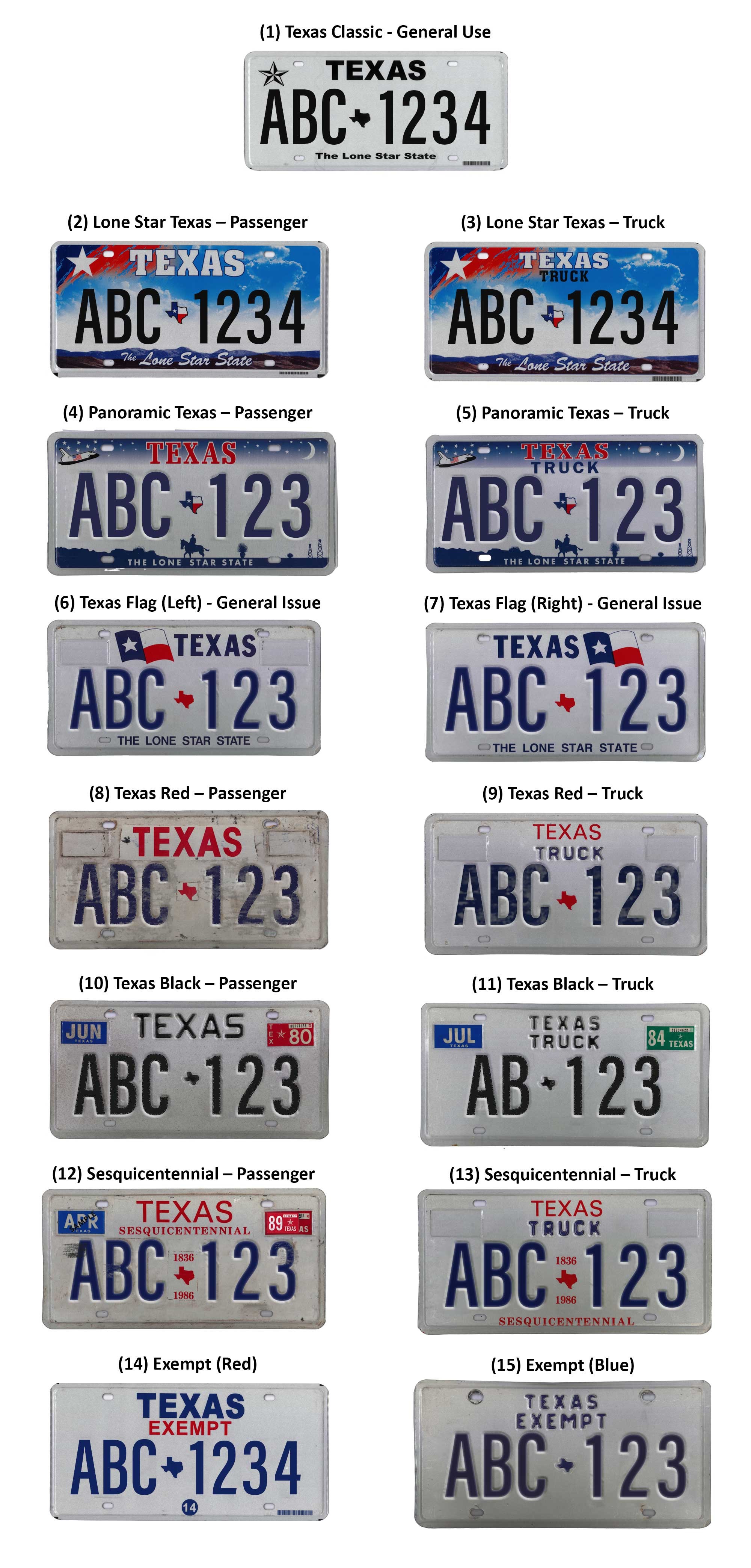
The cost of renewal will largely depend on your vehicle’s classification and any special plate designations. If your vehicle requires a new inspection certificate before renewal, you will need to have that completed and paid for prior to submitting your renewal application and fees.
Understanding Specialty and Personalized Plates
For many Texans, standard license plates are functional but lack personal flair. The state offers a vast array of specialty and personalized plate options, each carrying an additional cost beyond the standard registration fee. These plates serve a dual purpose: they allow drivers to express their individuality or support a cause, and they generate revenue for various state programs and organizations.
Types of Specialty Plates
The Texas Department of Motor Vehicles offers hundreds of specialty plate designs. These can generally be categorized as:
- Collegiate Plates: Supporting Texas universities and colleges.
- Organizational Plates: Benefiting various non-profit organizations, associations, and causes (e.g., historical societies, animal welfare groups, environmental organizations).
- Military and Veteran Plates: Honoring service members and veterans.
- Cause-Related Plates: Supporting specific social or environmental initiatives.
- Classic Car and Motorcycle Plates: For owners of vintage vehicles.
Cost of Specialty and Personalized Plates
The cost of specialty plates is an annual surcharge added to your regular registration fee. This surcharge can range from approximately $25 to $50 or more per year, depending on the plate. For instance, a plate supporting a particular university might have a $30 annual surcharge, while a plate for a specific conservation effort might be $50 annually.
Personalized plates, which allow you to choose your own letter and number combination, typically incur an additional fee as well, often similar to the lower end of specialty plate surcharges. These plates offer a higher degree of customization but require careful consideration of available combinations and adherence to state guidelines regarding content.
It is important to check the TxDMV website for the most current fees associated with each specialty plate. The revenue generated from these plates often goes directly to the benefiting organization or cause, making it a way for drivers to contribute financially to their chosen interests while driving.
Navigating the Texas DMV and County Offices
The Texas Department of Motor Vehicles (TxDMV) oversees the state’s vehicle registration system, but the actual processing and collection of fees are handled at the county level by the county tax assessor-collector’s office. Understanding this division of responsibility is key to a smooth registration experience.
Role of the TxDMV
The TxDMV sets the policies and regulations for vehicle registration, including fee structures, inspection requirements, and the availability of specialty plates. They maintain the central database of registered vehicles and ensure compliance with state laws.
Role of the County Tax Assessor-Collector
Each of the 254 counties in Texas has a Tax Assessor-Collector’s office that acts as the primary point of contact for vehicle owners. These offices are responsible for:
- Processing new vehicle registrations and title transfers.
- Renewing existing vehicle registrations.
- Collecting all associated fees, including registration fees, title fees, and county administrative fees.
- Issuing license plates and registration decals.
- Providing information and assistance regarding registration requirements.
When inquiring about the exact cost of your license plates, it is most effective to consult the official TxDMV website for general fee structures and then contact your local county tax assessor-collector’s office for specific local fees and any unique requirements within your county. Many county offices also have their own websites with helpful information and online services.

Tips for a Smooth Registration Process
To ensure your license plate acquisition and renewal process in Texas is as straightforward and cost-effective as possible, consider these tips:
- Know Your Vehicle’s GVWR: This is the most critical factor in determining your base registration fee.
- Check for Inspection Requirements: Determine if your vehicle requires a safety inspection and/or emissions test based on its age and the county of registration.
- Gather Necessary Documents: Have your proof of ownership (title), proof of identity, proof of insurance, and current registration (for renewals) readily available.
- Renew on Time: Avoid late fees by renewing your registration before it expires.
- Explore Specialty Plates (If Desired): Research the options and associated annual surcharges if you are interested in a specialty or personalized plate.
- Utilize Online Services: For renewals, the TxDMV website often offers a convenient and efficient online portal.
By understanding the various cost components, adhering to state requirements, and utilizing the available resources, Texas vehicle owners can navigate the process of obtaining and maintaining their license plates with clarity and confidence.
LifeOutOfTheBox is a participant in the Amazon Services LLC Associates Program, an affiliate advertising program designed to provide a means for sites to earn advertising fees by advertising and linking to Amazon.com. Amazon, the Amazon logo, AmazonSupply, and the AmazonSupply logo are trademarks of Amazon.com, Inc. or its affiliates. As an Amazon Associate we earn affiliate commissions from qualifying purchases.